Quick Answer: Septic system baffles are essential components inside your septic tank that control wastewater flow and keep solids from clogging your drain field. Regular inspection and maintenance of these baffles is crucial to prevent costly backups and system failures.
- Baffles direct wastewater and prevent solids from escaping the septic tank.
- Malfunctioning or missing baffles can lead to drain field clogs and expensive repairs.
- Routine inspection during septic tank pumping is essential for baffle longevity.
- Professional repair or replacement is recommended for damaged baffles.
- Refer to EPA, CDC, and NOWRA resources for industry-backed best practices.
Table of Contents
The Critical Role of Septic System Baffles
Septic system baffles are often overlooked, yet they are essential for the proper function of your entire septic system. Located within the septic tank, baffles regulate the flow of wastewater entering and leaving, ensuring that solids such as scum and sludge remain within the tank. This flow control safeguards the drain field from clogs and prevents the need for costly repairs. For homeowners, understanding and maintaining septic baffles is crucial to sustaining your on-site wastewater treatment system and protecting your property.
Deep Dive: Understanding Septic System Baffles
Detailed Definition and Components
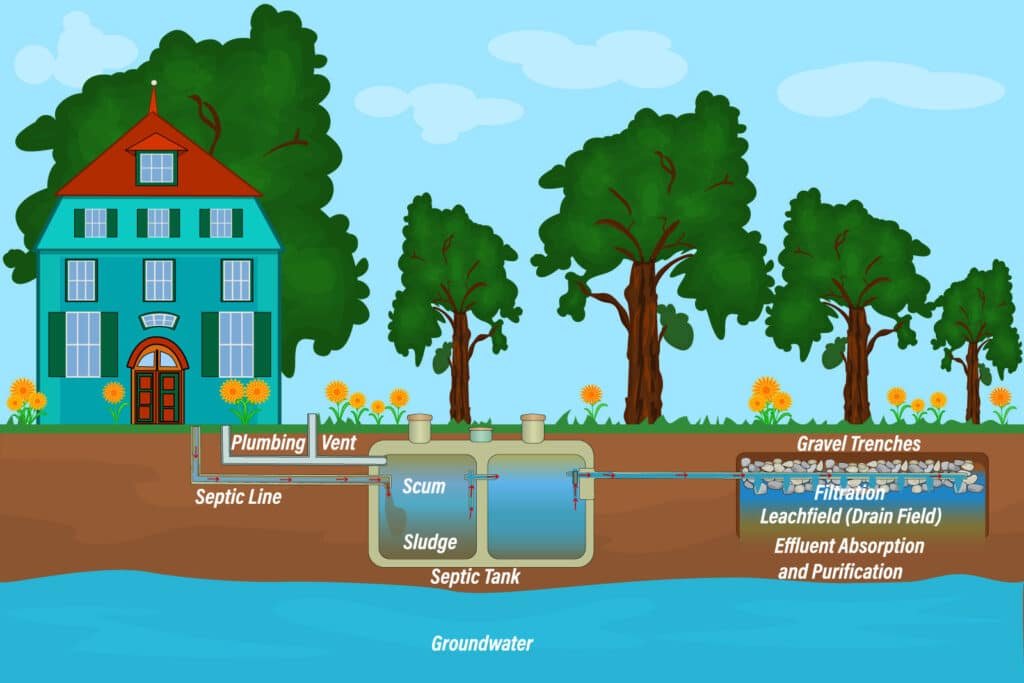
Septic system baffles are pipe-like or wall-shaped structures found at both the inlet and outlet ends of a septic tank. The inlet baffle directs incoming wastewater downward, minimizing disturbance of the scum layer. The outlet baffle ensures only clarified liquid exits toward the drain field, trapping floating scum and settled sludge inside the tank. Common materials for baffles include concrete, PVC, and metal—PVC is often preferred due to its durability and ease of replacement.
| Baffle Position | Primary Function | Typical Material |
|---|---|---|
| Inlet Baffle | Directs inflow downward; reduces scum disturbance | Concrete, PVC, Metal |
| Outlet Baffle | Allows only clear liquid to exit; retains solids | Concrete, PVC, Metal |
How It Functions Within the Larger System
Baffles are critical for separating solid waste materials from liquid. As wastewater enters the septic tank, heavy solids settle at the bottom as sludge, while lighter materials float as scum. The baffles ensure that only the clear, middle layer (effluent) flows into the drain field. This process protects the absorption field from pollution and prevents premature system failure—a principle emphasized by the EPA and widely adopted in all septic system engineering.
Visual Breakdown
Practical Applications and Real-World Scenarios
Use Case 1: Inspecting for Clogs and Damage
Homeowners and septic professionals should always inspect baffles during tank pump-outs. Discovering a damaged or missing baffle early can prevent solids from reaching and clogging the drain field, which often causes unpleasant odors and system backups.
Use Case 2: Diagnosing Slow Drains
When household plumbing drains slowly, the issue may be linked to a clogged or compromised septic baffle. If the outlet baffle is blocked or deteriorated, the septic tank cannot discharge clarified water efficiently, resulting in backups and slow drainage inside the house.
Industry-Specific Applications
In commercial environments with high-volume wastewater, septic baffle design and material selection are engineered for greater durability and performance. These systems require more frequent inspections to ensure integrity and avoid downtime—a priority for facilities following National Onsite Wastewater Recycling Association (NOWRA) guidelines.
Implementation Guide
Step-by-Step Process
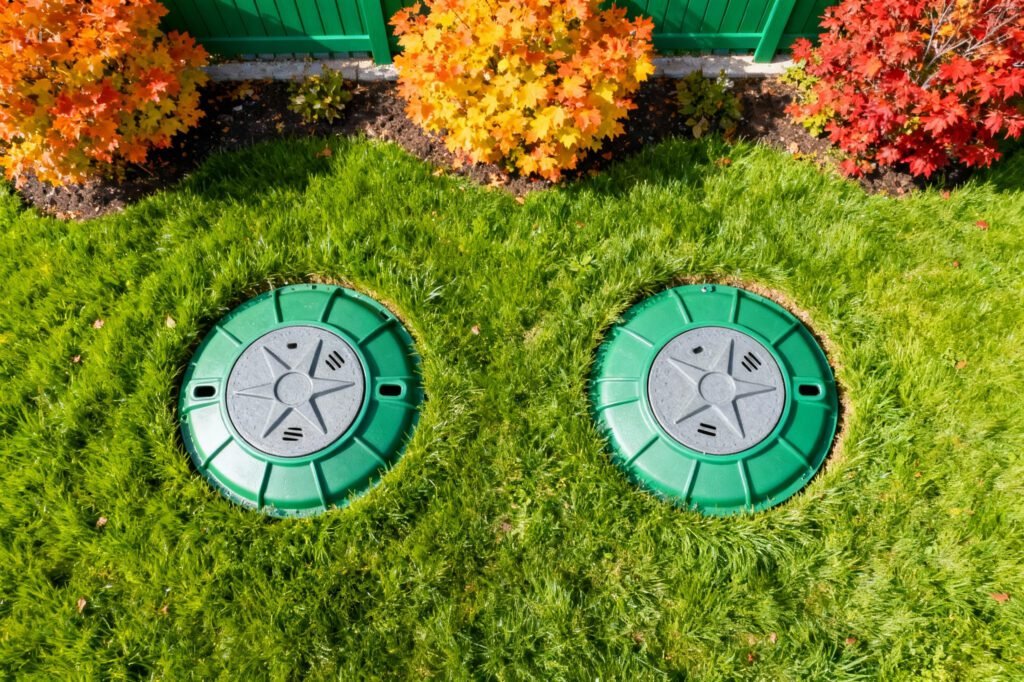
- Find your property’s septic tank access point.
- Open the tank lid or access cover using appropriate safety equipment.
- Visually inspect both the inlet and outlet baffles with a flashlight or inspection camera. Look for cracks, obstructions, or missing parts.
- Compare baffle locations with your system diagram to ensure all components are in place.
- If accessible, gently clear minor blockages using approved tools, or call a professional.
- If you notice damage, cracks, or missing baffles, contact a licensed septic service promptly for repair or replacement.
- Record each inspection’s findings and any repairs performed as part of your system’s maintenance history.
Required Tools and Resources
- Flashlight or inspection camera
- System diagram for reference
- Protective gloves and safety gear
- Plumbing snake or water jet (for minor obstructions)
- Contact information for a certified septic professional
Timeline and Milestones
- Inspect baffles during every routine tank pumping (typically every 3–5 years, per EPA and CDC recommendations).
- Repair or replace baffles immediately if damage or blockage is detected.
Integration and Optimization
How This Connects to Septic Tank Pumping Best Practices
Proper baffle inspection and maintenance during pumping prevent obstructions, protect service professionals, and improve sludge removal efficiency.
How This Connects to Drain Field Maintenance and Protection
Maintaining intact baffles directly protects your drain field by keeping solid waste where it belongs—inside the tank, not the field.
Optimization Tips for Maximum Efficiency
- Fit baffle guards to prevent impact damage during tank service visits.
- Upgrade old concrete baffles to corrosion-resistant PVC for extra durability.
- Schedule a professional inspection with every septic system service.
- Avoid flushing non-biodegradable waste or corrosive chemicals, which damage baffles and reduce septic lifespan.
Troubleshooting This Specific Aspect
Common Problems and Symptoms
- Baffle blockages or buildup causing slow wastewater exit.
- Cracked or missing outlet baffle resulting in solids entering the drain field.
- Persistent odors near tank or drain field area.
- Repeated indoor plumbing backups or slow drainage.
Diagnostic Flowchart
Solutions for Each Issue
- Carefully clear minor obstructions with recommended tools.
- Engage a professional for cracked, missing, or severely deteriorated baffles—replacement is often required.
- Maintain a strict pumping schedule to prevent excessive sludge layering.
When to Call a Professional
If you detect persistent odors, recurring backups, or see any baffle damage during inspection, contact a licensed septic technician. Attempting repairs without training can cause further damage and may violate local health codes.
Maintenance Schedule and Best Practices
Daily/Weekly Tasks
- Monitor for slow draining fixtures or unusual odors as early indicators of possible baffle issues.
Monthly/Quarterly Checks
- Check the septic tank area for water pooling, leaks, or strong smells.
Annual Review and Updates
- During annual or biannual professional service, ensure baffle condition is checked and documented.
- Stay proactive—schedule preventative maintenance to avoid emergency repairs.
Conclusion and Pathways Forward
Septic system baffles play a vital role in protecting your drain field and ensuring your entire system operates efficiently. Their proper functioning influences every stage of wastewater treatment. By prioritizing regular inspection, prompt repairs, and professional septic tank service, homeowners can avoid costly failures and extend the life of their system. For more information, see our septic system parts overview and in-depth drain field maintenance guide.
Frequently Asked Questions
What are septic system baffles and why are they important?
Septic baffles are structures at the tank’s inlet and outlet that control wastewater flow and keep solids from escaping into the drain field, preserving system function and longevity. [EPA Source]
How can I tell if my septic system baffles are damaged or missing?
Warning signs include backups, strong odors, sluggish drains, or solid waste surfacing in the drain field. A visual inspection during tank servicing will confirm baffle condition.
Can I replace or repair baffles myself?
Homeowners can perform visual inspections, but repairs or replacements should only be handled by certified septic professionals to avoid injury and further system damage.
How often should septic system baffles be inspected?
Baffles should be checked during routine pumpings, typically every 3 to 5 years as recommended by the EPA and CDC, or sooner if symptoms appear.
What materials are septic system baffles made from?
The most common materials are concrete, PVC, or metal, with PVC now preferred for its resilience and longevity in harsh wastewater environments.
What happens if a baffle fails?
Failure enables solids to enter the drain field, leading to clogs, sewage backups, and potentially necessitating expensive drain field reconstruction or system replacement.
Are there any maintenance tips to prolong baffle life?
Yes—avoid flushing non-biodegradable items or chemicals, stick to a strict pumping/inspection schedule, and upgrade to modern PVC baffles when replacing.
References & Authoritative Resources
- U.S. Environmental Protection Agency (EPA) Septic Systems Guide
- National Onsite Wastewater Recycling Association (NOWRA) Technical Resources
- CDC Septic System Maintenance Tips
“`

Leave a Reply