
Quick Answer: For residential septic systems, size is primarily based on bedroom count—not bathroom count. Typical minimum tank and drain field sizes are:
- 3 bedrooms: 1,000–1,250 gallon tank, 900–1,200 sq ft drain field
- 4 bedrooms: 1,250–1,500 gallon tank, 1,200–2,000 sq ft drain field
- 6 bedrooms: 1,500+ gallon tank, up to 2,500 sq ft drain field
Always confirm with your local health department, as requirements vary by region and soil type.
- Proper septic sizing prevents system failures and costly repairs
- Septic tank and drain field sizes are dictated by bedroom count and soil percolation rates
- Adhering to local codes and permits is essential for compliance and home safety
- Routine maintenance maximizes the lifespan of your system
Table of Contents
What You’ll Achieve and Why It Matters
This guide helps homeowners and builders accurately size a septic system for 3, 4, and 6 bedroom houses. Correct sizing ensures efficient waste treatment, prevents costly repairs, and meets health regulations. The focus is on determining the right tank capacity and drain field area using the number of bedrooms—the standard metric per EPA and most state codes—rather than bathroom count.
What you need: Knowledge of your property layout and access to local septic codes. Some familiarity with plumbing or construction helps but is not essential.
Time required: Several hours for planning and measurement; weeks to months for permits and installation
Cost estimate: $3,000–$10,000, depending on system size and soil conditions (source: NOWRA, 2024)
With these fundamentals, you’ll be equipped to confidently plan upgrades or new septic installations that meet health and safety standards.
Preparation and Safety
Tools and Materials Checklist
- Tape measure
- Soil probe or auger
- Level
- Shovel or trenching equipment
- Pipe cutter and sealant
- Septic tank and drain field components (tank, pipes, gravel, filter fabric)
- Protective gloves and eye protection
- Local code documentation and permit forms
Safety Precautions and Protective Gear
Working around septic systems involves exposure to pathogens and heavy lifting. Always use:
- Protective gloves, eye protection, and sturdy work clothes
- Respiratory protection in confined or poorly ventilated areas
- Professional help and confined space safety equipment—never enter a septic tank without proper training
- Strict adherence to local safety codes to prevent accidents and contamination
Workspace Setup and Preparation
Before beginning:
- Clear the area around the planned septic site
- Mark property boundaries and maintain required setbacks from wells, property lines, and water sources
- Ensure access for excavation and installation equipment
- Contact utility location services to avoid damaging underground lines
- Set up protective barriers if near traffic or pedestrians
Step-by-Step Implementation Guide
Step 1: Calculate Daily Wastewater Flow Requirements
Use bedroom count to estimate daily wastewater generation:
- Per EPA guidelines, plan on 150–200 gallons per bedroom per day
- 3 bedroom house: 450–600 gallons/day
This value determines the minimum tank and drain field size.
Step 2: Determine Septic Tank Size
Choose a tank at or above your calculated daily flow. Refer to local and NSF/ANSI Standard 46 guidelines:
| Bedrooms | Minimum Tank Size (gallons) | Common Local Reductions or Increases |
|---|---|---|
| 3 | 1,000–1,250 | Check if codes require higher minimums in your area |
| 4 | 1,250–1,500 | Bigger tanks required for garbage disposals or large tubs |
| 6 | 1,500+ | Larger tanks for increased occupancy/load |
When in doubt, choose the next larger tank size for longevity and code compliance.
Step 3: Assess Soil Percolation and Drain Field Size
Conduct a percolation test to determine soil absorption rates:
- Faster soil percolation = smaller drain field area
- Slower, denser soils = larger area required
General drain field area guidelines (subject to local code and soil results):
| Bedrooms | Recommended Drain Field Area (sq ft) |
|---|---|
| 3 | 900–1,200 |
| 4 | 1,200–2,000 |
| 6 | 2,000–2,500 |
Always adjust the area based on percolation test results and local regulations.
Step 4: Obtain Permits and Submit Septic System Design
Prepare a site plan including tank size, drain field layout, pipe routing, and property setbacks. Submit for approval to your local health or permit authority. Do not proceed without official permit approval, as it is required for inspections and passing final occupancy.
For details on permitting, see: Understanding Local Septic System Permitting Requirements.
Step 5: Install the Septic Tank and Drain Field
Proper installation is crucial. Steps include:
- Hire a licensed professional or certified installer
- Excavate tank and drain field trenches according to plan (check for level base)
- Place tank, install inlet/outlet pipes and baffles per manufacturer and local code
- Set proper slope for drainage pipes—typically 1/8″ to 1/4″ drop per foot
- Backfill and cover, ensuring no excess weight or compaction on drain field
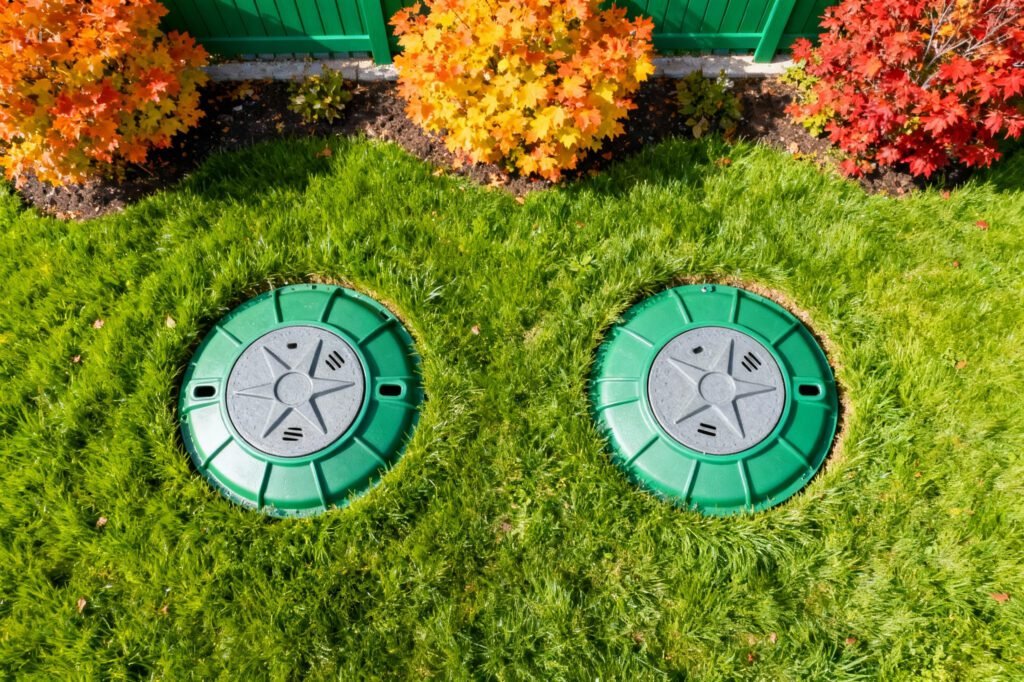
- Maintain exposed access risers and manholes for future maintenance
Quality Control and Testing
How to Verify Success
Prior to final backfill, verify:
- No pipe leaks or loose connections
- Tank is set level, inlet/outlet baffles positioned as required
- Drain field is evenly graded
Testing Procedures and Metrics
Conduct test runs:
- Introduce a measured volume of water into the system
- Observe for proper flow through tank and drain field
- Check for pooling or odors at the drain field (indicates issues)
- Inspect tank level for excessive solids to gauge if tank size is appropriate
Troubleshooting Common Installation Issues
- Backing up or slow drains: Check for drain field clogs, improper slopes, or tank overcapacity
- Leaking pipes: Repair and re-seal pipe joints; ensure tank is not floating or settling
- Effluent surfacing: Drain field may be undersized or poorly absorbing; consult a professional for alternatives such as mound systems
Persistent issues should be evaluated by a licensed septic contractor.
Maintenance and Long-Term Care
Daily/Weekly Maintenance Tasks
- Monitor water usage
- Avoid disposing of grease, medications, chemicals, or non-biodegradable items
- Prevent vehicles and heavy equipment from crossing over the drain field
Monthly/Quarterly Checks
- Inspect effluent filter and clean if needed
- Ensure tank risers and manhole covers are secure
- Check for unusual odors or soggy ground on or near the drain field
Signs of Wear and When to Replace
- Persistent backups or slow drainage
- Strong sewage odors
- Saturated soil or standing water near the drain field
Pump the septic tank every 3–5 years, or per professional recommendation. Plan upgrades if adding bedrooms or significantly increasing water use.
Pro Tips and Advanced Techniques
Efficiency Hacks from Professionals
- Install low-flow fixtures & water-efficient appliances to reduce stress on the system
- Divert all roof and surface runoff away from the drain field
- Schedule routine service before permit-required inspections
Tools and Accessories Worth Investing In
- Effluent filters to prevent solids from clogging drain lines
- Riser extensions for easy access to tank lids
- High/low water alarms to catch system malfunctions early
- Soil moisture meters and flow monitors for ongoing performance tracking
Customization and Adaptation Options
- For challenging sites or high water tables, consider mound or aerobic treatment systems
- Resize and redesign if planning home additions; always consult local health authorities for requirements
Frequently Asked Questions
How is septic system size determined for a 3 bedroom house?
Septic system size is dictated by the number of bedrooms, based on average wastewater production. A 3 bedroom house typically requires a 1,000–1,250 gallon tank and a drain field sized using soil percolation results, per EPA and local codes.
Can I add a bedroom without upgrading my septic system?
Adding a bedroom usually increases required septic system capacity. Most health departments require an upgrade permit before such renovations. Always check local codes before starting.
What is the typical drain field size for a 4 bedroom house?
Most 4 bedroom homes need 1,200–2,000 sq ft of drain field, but size depends on percolation rates and regional requirements. Poor soil may require a larger field or alternative treatment solutions.
How much does septic system sizing affect cost?
Larger systems cost more due to higher material and labor requirements. A 3 bedroom system is less expensive than a 6 bedroom one, reflecting increased capacity, complexity, and land needs.
Are septic system sizes standardized nationwide?
No. Size requirements vary by state and municipality, but the number of bedrooms is the common standard nationwide. Local codes may require adjustments for unique situations, so always verify locally.
How often should I inspect and maintain my septic system?
Inspect annually and pump the tank every 3 to 5 years, depending on use and occupancy. Regular maintenance prevents costly failures and extends system life. For best practices, see: Septic Tank Maintenance.
What if my soil test shows poor percolation?
Poor drainage may require a mound, chamber, or aerobic treatment system. Consult a septic designer or health official for alternatives based on your soil results.
Does the number of bathrooms influence septic system size?
Sizing is based on bedrooms. Extra bathrooms can increase water usage slightly, but the core standard (per EPA and CDC) remains bedroom count, which better predicts total occupancy potential.
Bottom line: Proper sizing of your septic system is essential for home safety, compliance, and reliability—especially when remodeling or adding bedrooms.
Planning upgrades? Review:
- How to Perform a Percolation Test for Septic Systems
- Septic Tank Maintenance
- Septic System Permits – What You Need to Know
- Signs You Need Repair or Replacement
- Alternative Designs for Difficult Locations
External Resources:

Leave a Reply