Quick Answer:
Installing a septic system aerator pump can rapidly revitalize slow or sluggish conventional septic systems by introducing oxygen, enhancing beneficial bacterial breakdown, and improving system flow. It is a proven, EPA-acknowledged retrofit that can extend system life, but is not a substitute for major repairs if your system is already severely compromised.
- A slow septic system often signals underlying oxygen, solids, or drain field issues.
- Aerator pumps transform anaerobic tanks into aerobic environments, improving bacterial performance.
- DIY installation is feasible for some, but professional help is best for safety and code compliance.
- Ongoing maintenance and proper water use are critical for preventing future issues.
- Always confirm local regulations before installing a retrofit aerator pump.
Table of Contents
Recognizing the Slow Septic System Problem
A slow septic system is more than an inconvenience—it disrupts daily routines, causes unpleasant odors, and can even result in serious property damage. Symptoms like sluggish draining, pooling wastewater, toilet backups, and invasive foul smells are signs of a system struggling to keep up. For homeowners, such problems not only threaten health and comfort but may also negatively impact property value.
According to the U.S. Environmental Protection Agency (EPA), septic failures affect 10–20% of households using onsite wastewater systems in North America. While some require major repairs, many systems suffer moderate performance drops before reaching crisis. For these, retrofit solutions like septic system aerator pumps can offer an effective way to revive performance and avoid major replacement.
Root Cause Analysis: Why This Happens
Primary Causes of Slow Septic Systems
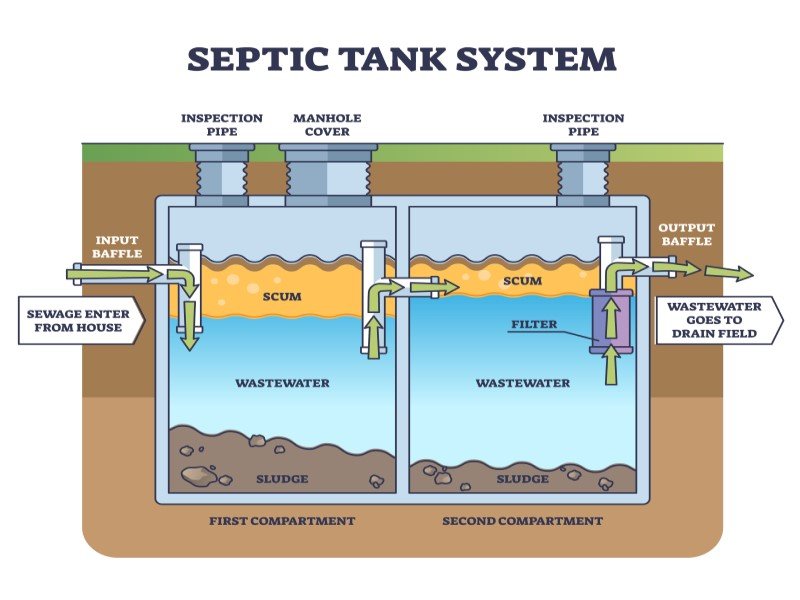
- Insufficient Oxygen in the Tank: Conventional anaerobic tanks rely on bacteria that work slowly without oxygen. Over time, sludge buildup further reduces decomposition efficiency.
- Excessive Solids Accumulation: Failing to regularly pump the tank or break down solids leads to thick sludge that blocks flow.
- Drain Field Saturation or Damage: Clogged biomat layers or compacted soil prevent absorption, slowing drainage or causing surface pooling.
- Improper System Design or Usage: Oversized loads, undersized tanks, or use of chemicals and additives that harm bacteria stress the system.
- Aging Infrastructure: Deterioration of pipes and tanks leads to leaks and obstructions.
Contributing Factors That Make It Worse
- Excessive household water usage beyond system capacity
- Disposal of non-biodegradable or toxic materials
- Poor maintenance or infrequent septic pumping
- Heavy rainfall leading to soil saturation
- Root infiltration blocking pipes
Diagnostic Self-Assessment Quiz
- Are your indoor drains slow or backing up?
- Do you notice odors near the tank or drain field?
- Is there pooling water or soggy soil around the drain field?
- When was the last septic tank pumping?
- Are you seeing sewage backing up in the house?
Answering “yes” to multiple questions suggests underlying issues in need of prompt attention.
How to Identify Your Specific Cause
For a comprehensive diagnosis, use a stepwise flowchart mapping symptoms to root causes to determine the best course of action before investing in major repairs.
Solution Framework: Tiered Approach
| Tier | Immediate Actions | When to Use |
|---|---|---|
| Tier 1: Emergency Fix |
| Acute backup, flooding, or odors |
| Tier 2: Medium Term |
| Persistent slow drainage, mild backups |
| Tier 3: Long Term/Professional |
| Severe or recurring system failure |
Step-by-Step Implementation Guides
Solution A: Installing a Septic System Aerator Pump
- Assess System Compatibility: Ensure your tank is appropriate for aeration; consult the manufacturer’s guidelines or a professional.
- Purchase Correct Aerator Pump: Choose a model sized for your tank (refer to NOWRA standards for pump sizing).
- Prepare Site: Find the tank access port and electrical source; ensure all safety protocols.
- Install Diffuser and Piping: Place diffusers in clear zones of the tank following instructions, avoiding dense sludge areas.
- Connect Power and Diffuser: Use waterproof wiring, conduit, and seals for all electrical connections.
- Test System: Start the pump; look for bubbles and listen for consistent operation.
- Monitor Results: Over the next weeks, improved water flow and reduced odors indicate better bacterial performance.
Solution B: Alternative Fix — Bacterial Additives and Tank Pumping
- Arrange professional tank pumping to remove accumulated waste.
- Apply the correct bacterial additive for your system post-pumping.
- Limit water and chemical input to boost bacterial regrowth.
- Reapply additives periodically as directed by product/installer.
Solution C: Professional Aerobic System Upgrade
- Site Inspection: Licensed pro evaluates tank and field condition.
- Design & Permitting: Custom system design and all required permits secured.
- Installation: New aeration equipment fitted or the system replaced as needed.
- Training & Follow-up: Homeowner receives a maintenance overview and scheduled reviews.
- Timeline & Investment: Typical installations take 1–3 weeks and cost $5,000–$15,000 depending on scope.
Prevention Strategies: Ensuring It Never Happens Again
Daily & Weekly Practices
- Optimize water use—spread laundry, limit simultaneous drains.
- Never flush wipes, paints, oils, or harsh chemicals.
- Avoid driving/parking over tank and drain field.
- Use septic-safe, phosphate-free cleaners only.
Monthly/Quarterly Maintenance
- Check aerator pump and clean diffusers if accessible.
- Look for wetness or odors above the drain field.
- Schedule professional pumping every 3–5 years or per sludge test.
- Monitor discharge from household water softeners.
Early Warning & Environmental Monitoring
- Install high-water alarms or flow monitoring systems.
- Keep a written log of system symptoms and water use trends.
- Address abnormalities at first sign to avoid escalation.
Landscaping & Usage Adjustments
- Plant shallow-root species around septic areas.
- Divert gutters and yard water away from the drain field.
- Upgrade to low-flow plumbing fixtures.
Cost Analysis: DIY vs. Professional
| DIY Component | Estimated Cost | Notes |
|---|---|---|
| Aerator pump & diffusers | $300–$800 | Varies by tank size and pump quality |
| Electrical supplies | $50–$150 | Wiring, conduit, waterproofing |
| Tools/access modifications | $50–$100 | Hand tools, minor materials |
| Time investment | 8–16 hours | Varies by experience |
| Professional Service | Typical Cost | Scope |
|---|---|---|
| Aerator pump installation | $1,000–$3,000 | Labor, equipment, permits |
| Septic tank pumping | $250–$500 | Single cleaning |
| Full aerobic upgrade | $5,000–$15,000 | System replacement or retrofit |
| Drain field repair/replacement | $3,000–$10,000+ | Site excavation, new installation |
Insurance and Warranty Considerations
- Most homeowner policies do not cover septic failures except in cases of covered exterior events.
- Review aerator pump warranties—1 to 3 years is typical from reputable brands like Hiblow or Gast.
- Professional work is commonly backed by service warranty—confirm before hiring.
Success Verification and Quality Assurance
Signs of a Successful Fix
- No wastewater backups or odors indoors/outdoors
- No pooled water or soggy ground over drain field
- Septic tank water levels stabilize in normal range
- Bacterial action increases; less sludge accumulates over time
Testing and Validation Procedures
- Compare tank water levels pre/post-aeration
- Professional sludge and scum inspections annually
- Soil percolation tests (if needed)
- Dye tracing for leak/path detection
Recommended Follow-up and Maintenance
- Aerator pump and diffuser cleaning every 6 months
- Septic tank pumping every 3–5 years (or as advised)
- Annual professional inspection for early issue detection
When All Else Fails: Escalation Path
Immediate Red Flags for Professional Help
- Raw sewage backup into home, or severe drain field pooling
- Persistent strong odors indoors despite interventions
- No improvement after implementing Tier 2 solutions
- Visible plumbing or tank structural damage
How to Find and Vet a Septic Professional
- Verify licensing and relevant credentials
- Request references and proof of up-to-date insurance
- Obtain and compare multiple bids and service plans
- Confirm experience with aerobic system retrofits
Key Questions to Ask Before Hiring
- What is your experience with installing septic aerator pumps?
- Can you provide a written estimate including all fees?
- What warranties and post-installation support do you offer?
- How do you manage local permits, codes, and inspections?
- Will you supply a detailed maintenance plan?
Frequently Asked Questions
How does a septic system aerator pump improve performance?
Aerator pumps deliver oxygen into the tank, enabling aerobic bacteria to thrive. These bacteria break down solids faster and more completely than their anaerobic counterparts, reducing sludge and improving the quality of wastewater (effluent) leaving the tank. This process is recommended by the EPA and recognized by NOWRA.
Can I install a septic system aerator pump myself?
DIY installation is possible for those experienced with electrical and plumbing systems, but professional installation ensures safety, system compatibility, and local code compliance.
Will aeration eliminate the need for drain field replacement?
Aeration can rejuvenate bacterial activity and may improve drainage, delaying the need for drain field replacement in some scenarios. However, it is not a cure for severely damaged or blocked drain fields. Physical replacement or restoration may be necessary in advanced cases.
How often should I maintain the aerator pump?
Check and clean the aerator pump and diffusers every six months. Motors typically last 5–10 years, depending on usage, quality, and maintenance.
Are bacterial additives needed with an aerator pump?
Some initial bacterial products may boost startup after installation, but once aerobic bacteria are established, ongoing additives are usually not required.
What are the warning signs that an aerobic system isn’t viable?
If your tank or drain field is irreparably damaged or if local regulations restrict upgrades, aerobic systems may not be possible.
How much does professional aerobic system installation cost?
Most installations range from $5,000 to $15,000, influenced by property, labor, system capacity, and local permits.
Can increased water use harm my system even after upgrade?
Yes—excessive water overwhelms bacteria and can still cause system slowdowns or backups. Adopt water conservation habits even post-upgrade.
How can I prevent future septic issues after adding an aerator pump?
Maintain regular pumping, use water wisely, avoid chemical and solid waste, conduct periodic inspections, and watch for early warning signs.
Is septic system aeration recognized by regulatory authorities?
Yes, aeration is accepted as a retrofit approach in many areas. Always confirm with your local health or environmental agency for specific regulations.
Bottom Line Summary
Installing a septic aerator pump is an effective, science-backed strategy that can significantly improve the performance and longevity of a sluggish septic system, especially when major drain field repairs are not yet warranted. To maximize results, combine the retrofit with responsible maintenance, early detection habits, and consultation with qualified septic professionals. For severe or chronic problems, consider comprehensive upgrades or replacements for a truly lasting solution.
Recommended Resources
- U.S. Environmental Protection Agency: Septic Systems Manual (2020 Edition)
- National Onsite Wastewater Recycling Association (NOWRA): Aeration Information
- Centers for Disease Control: Safe Septic System Use & Maintenance
Helpful Internal Resources
- How to Choose the Right Septic System Repair Service
- Septic System Maintenance Tips for Homeowners
- Upgrading to an Aerobic Septic System: What You Need to Know
- Signs Your Drain Field Needs Repair or Replacement
Need expert help or considering a septic upgrade? Contact a certified local septic specialist today for a personalized system assessment and free estimate.

Leave a Reply