Quick Answer: Yes, it is possible to have a septic system without a leach field. Proven alternatives—such as holding tanks, drip irrigation, mound systems, constructed wetlands, and evapotranspiration beds—can effectively manage wastewater when space, soil, or local regulations make traditional leach fields unworkable. Professional assessment and design are strongly recommended to ensure safety, legal compliance, and environmental protection.
- Leach fields are typically used to disperse treated effluent underground, but they require suitable soil and adequate space.
- Alternatives exist for properties where leach fields are not feasible due to size, topography, or soil conditions.
- Options like holding tanks, drip irrigation, and constructed wetlands each have specific requirements and costs.
- Proper installation, permits, and regular maintenance are critical for health and legal compliance.
- The EPA and NSF recommend professional design for all alternative septic systems.
Table of Contents
Recognizing the Septic System Without Leach Field Problem
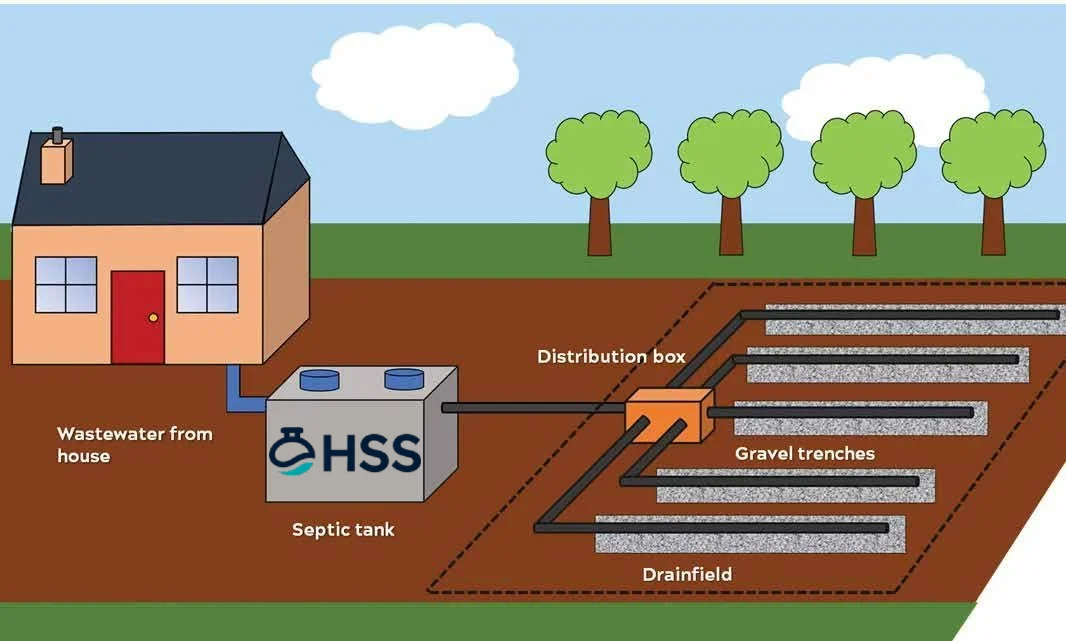
Homeowners on small lots or with challenging soil conditions often struggle to install traditional septic systems that rely on leach fields. A leach field is essential in standard systems, dispersing treated effluent safely into the ground. However, limited space, poor percolation, or regulatory setbacks may render this option impossible.
The impact is both practical and emotional—homeowners may feel frustrated by confusing regulations and costly alternatives. Most critically, inadequate solutions risk groundwater contamination or system failure, which can endanger health and property values. According to the U.S. Environmental Protection Agency (EPA), roughly 20% of septic failures arise from unsuitable soil or lot constraints.
Root Cause Analysis: Why This Happens
Primary Causes
- Limited Space on Small Lots: Many residential parcels lack sufficient room for standard leach fields.
- Poor Soil Permeability: High clay or rocky soils restrict effluent absorption.
- High Groundwater Table: Elevated groundwater impedes safe effluent dispersal.
- Regulatory Restrictions: Local ordinances may prohibit leach fields near wells or surface waters.
- Topographical Challenges: Steep or uneven land prevents safe placement of fields.
Contributing Factors
- Outdated or improperly designed systems
- Heavy rainfall or flooding that saturates potential drainfield areas
- Excessive household water use that exceeds septic capacity
- Lack of regular maintenance or system inspections
- Unidentified soil or structural problems due to poor inspections
Diagnostic Self-Assessment Quiz
Ask yourself the following questions:
- Is your lot size less than half an acre?
- Do you notice slow drainage or ponding near your septic system?
- Have soil tests found poor percolation?
- Is your area exposed to high groundwater or frequent flooding?
- Are there local restrictions on leach fields?
Answering “Yes” to most indicates you likely need a septic system without a leach field.
Identifying Your Specific Cause
Follow this basic flow to discover your main obstacle:
Solution Framework: Tiered Approach
| Tier | Alternative | Applicability | Key Considerations |
|---|---|---|---|
| Immediate | Temporary Holding Tank | No dispersal possible | Pumping every 1-3 months; short-term fix |
| Immediate | Effluent Diversion | Critical emergencies | Temporary; must comply with codes |
| Immediate | Minimize Water Usage | Any site | Reduces immediate load |
| Medium | Drip Irrigation | Limited space, fair surface soils | Requires shallow tubing and filtration |
| Medium | Evapotranspiration Beds | Arid climates, special lot types | Needs plant/soil engineering |
| Medium | Mound System | Poor soil, space above ground | Still uses soil dispersal, but above grade |
| Long-term | Constructed Wetlands | Room for wetland area | Best with professional design; advanced permitting |
| Long-term | Advanced Treatment Units | High regulatory or performance needs | High tech, expensive, but environmentally efficient |
| Long-term | Holding Tank, Professional Install | No dispersal allowed at all | Ongoing pump-outs; last-resort option |
Step-by-Step Implementation Guides
Solution A: Holding Tank Installation
- Calculate tank size based on local codes and household size.
- Excavate and prepare the site under professional supervision.
- Install the tank with watertight, code-compliant connections.
- Arrange scheduled pump-outs every 1–3 months (frequency varies by usage).
- Use gauges and alarms to avoid overflows.
Solution B: Drip Irrigation System
- Perform a soil percolation test to confirm suitability.
- Professionally design the drip field layout for optimal distribution.
- Install filters to prevent tube clogs.
- Lay perforated tubing just below the surface (typically 6-12 inches deep).
- Conduct a trial run; monitor moisture and adjust as needed.
Solution C: Professional Engineered Alternatives
- Site evaluation: soil analysis, water table, and household use assessment.
- Obtain permits and submit professional design for approval.
- Hire a licensed contractor for installation following local/environmental codes.
- Receive homeowner training on system operation and red flag detection.
- Set up a long-term maintenance contract with the installer or a reputable service provider.
Prevention Strategies: Ensuring It Never Happens Again
Daily/Weekly Habits
- Avoid disposing of grease, solids, or non-biodegradable items.
- Use water-efficient plumbing fixtures and appliances.
- Minimize use of antibacterial soaps or harsh chemicals that kill septic bacteria.
Monthly/Quarterly Maintenance
- Test all system alarms and control panels.
- Visually inspect ground surfaces for wet spots, odors, or ponding.
- Schedule tank pump-outs or system filter cleaning as needed.
Early Warning Monitoring
- Track drainage speed; note any slowdowns.
- Monitor for septic odors indoors or out.
- Use tank level gauges or wireless monitors for real-time tracking.
Changes to Support Long-term Success
- Modify landscaping, grading, or drainage to move water away from the system.
- Avoid heavy vehicles or structures above or near the system.
- Prioritize low-flow toilets, showers, and dishwashers to minimize load.
Cost Analysis: DIY vs. Professional
| Component/Option | DIY Cost Range | Professional Cost Range | Other Considerations |
|---|---|---|---|
| Holding Tank (Install Only) | $1,500–$3,000 | $3,000–$6,000 | Does not include excavation or regular pump-outs |
| Excavation & Plumbing | $1,000–$2,000 | Included in prof. fees | Skill and liability risk for DIY |
| Regular Pump-Out Service | $200–$400 each | $200–$400 each | Frequency depends on use |
| Drip Irrigation System | $2,000–$5,000* | $8,000–$15,000 | *DIY materials only |
| Evapotranspiration Bed | (Rarely DIY) | $7,000–$12,000 | Engineering often required |
| Constructed Wetland | (Not recommended DIY) | $15,000–$25,000+ | Requires professional oversight & permits |
Insurance & Warranty Tips: Ensure installer is licensed; review warranty on tanks/pumps; verify insurance covers septic failures; maintain clear contract for future liability protection.
Success Verification and Quality Assurance
Signs Your Problem is Solved
- No surface water ponding, odors, or system alarms.
- Effluent levels remain stable; no sewage backups.
- Passing inspection and regulatory certification.
Testing & Validation Procedures
- Repeat percolation and absorption tests after install.
- Test nearby well water for bacterial contamination.
- Use installed sensors/alarms for real-time monitoring.
Long-term Follow-up
- Schedule quarterly systems checks the first year, then semi-annually.
- Confirm maintenance schedule aligns with warranty requirements.
- Perform annual local regulatory compliance review.
When All Else Fails: Escalation Path
Red Flags That Require Immediate Professional Intervention
- Sewage backups, either inside or outside your home
- Visible leaks, surface effluent, or rapid soil saturation
- Persistent foul odors in the yard or drains
- Developing sinkholes or unexpected ground subsidence
How to Find and Vet Professional Help
Search the licensed septic professionals directory for well-reviewed, credentialed contractors in your area. Check for:
- Proper state/municipal licensing and insurance
- Experience with no-leach-field or alternative systems
- Clear references and a positive reputation
- Transparent pricing and written contracts
- Emergency response and maintenance contract options
See: Emergency Septic System Repair Guide
Questions to Ask Before Hiring
- Are you licensed and insured for all required services?
- What experience do you have with systems not using leach fields?
- Can you provide recent references for similar projects?
- What is your response time in case of urgent failure?
- Do you offer ongoing maintenance or monitoring contracts?
Frequently Asked Questions (FAQs)
| Question | Concise Answer |
|---|---|
| What is a septic system without a leach field? | An alternative system that treats or stores wastewater above ground or via engineered dispersal, without subsurface soil dispersal typical of leach fields. |
| Are septic system alternatives reliable? | Yes, professionally designed and maintained systems meet or exceed health and environmental standards. EPA and NSF recommend regular oversight. |
| Can I install a septic system without a leach field on a small lot? | Yes. Solutions like drip irrigation, holding tanks, or evapotranspiration beds are designed for limited-space or poor-soil lots. |
| How often do holding tanks need to be pumped? | Every 1–3 months, depending on use; costs and service frequency should factor into decision-making. |
| What are the environmental risks? | Poorly maintained systems can contaminate groundwater. When designed and serviced properly, alternatives are safe and effective. |
| Is a mound system a no-leach-field option? | No, as mound systems still disperse effluent into engineered soil above grade but may work where a standard field won’t. |
| How do evapotranspiration beds work? | They use evaporation plus plants’ transpiration to eliminate water, with minimal if any soil percolation required. |
| Can I DIY a septic system alternative? | Some simple options (like holding tanks) may be DIY, but most require permits, engineering, and professional construction for legality and safety. |
| What is the typical lifespan of alternative systems? | 20–30 years with proper maintenance, similar to traditional septic systems. |
| Do regulations allow systems without leach fields? | It varies by location. Most alternatives require special design, permitting, and inspection to meet code. |
Helpful Internal and External Resources
- Septic System Maintenance Best Practices
- How to Choose the Right Septic System Type
- Small Lot Septic Solutions to Know
- Emergency Septic System Repair Guide
- Licensed Septic Professionals Directory
- EPA Septic Systems Overview
- National Small Flows Clearinghouse (NSFC)
- Onsite Wastewater Treatment Consortium
Need expert help with a septic system issue or considering a no-leach-field alternative?


Leave a Reply