
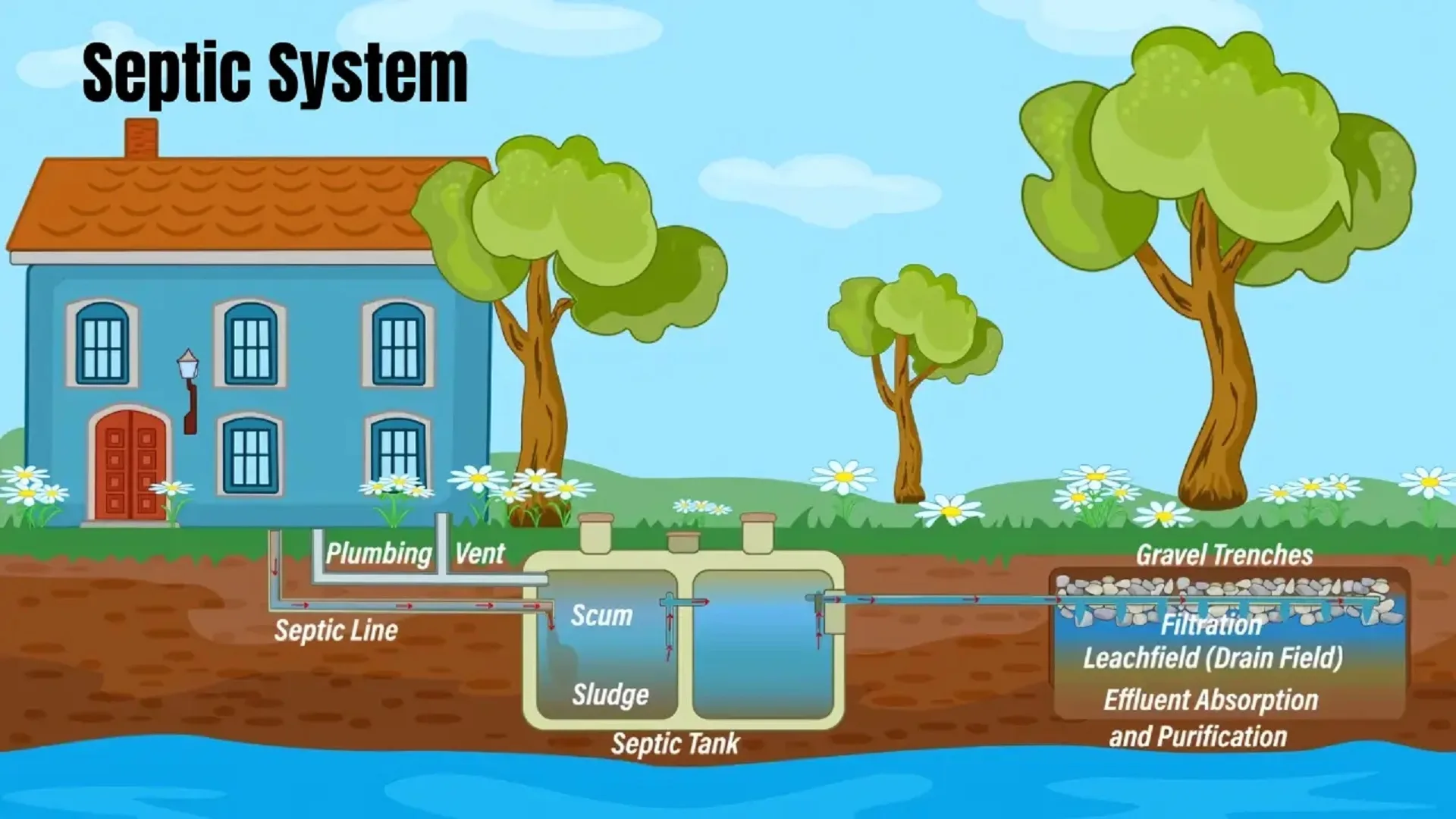
Quick Answer: Septic system bacteria are essential microorganisms that break down and decompose organic waste in your tank, ensuring safe, efficient wastewater treatment. Maintaining a healthy bacterial ecosystem—free from chemical disruptions and aided by natural enzymes—is key to a long-lasting, trouble-free septic system.
- Septic bacteria drive the breakdown of organic matter in tanks, reducing solids and preventing system failure.
- Bacteria and enzymes work together for efficient wastewater treatment—external enzyme additives are rarely needed.
- Environmental balance and chemical-avoidant maintenance extend system longevity and environmental safety.
- EPA and NSF guidelines recommend nurturing indigenous bacteria and minimizing harsh chemical inflow.
Table of Contents
Foundational Overview: What is Septic System Bacteria and Why It Matters
The Core Definition and Scope
Septic system bacteria are naturally occurring microorganisms that populate your septic tank. Their primary function is to digest and decompose household wastewater solids and organic materials, preventing harmful buildup. Working alongside enzymes—biological catalysts that accelerate this decomposition—bacteria maintain fundamental treatment processes. This microbial partnership directly affects how efficiently your wastewater is treated, protecting your septic investment and safeguarding the environment.
Historical Context and Evolution [UPDATE: 2026]
The critical role of bacteria in wastewater treatment has been recognized for over a century, initially in municipal settings. Since then, scientific advances have refined our understanding of specific bacterial strains, ecosystem interactions, and the self-sufficiency of native tank bacteria. By 2026, research shows that local bacterial communities are resilient and adaptable, significantly reducing the need for store-bought enzyme additives. Best practices now prioritize fostering strong indigenous bacteria rather than relying on commercial products.
The “Magic Triangle”: Interconnected Principles That Govern Success
Efficient septic system operation depends on balancing three principles:
- Bacterial Health: Adequate populations and diversity are essential for continual breakdown of waste.
- Environmental Conditions: Factors like temperature and pH influence bacterial metabolism and effectiveness.
- Maintenance Practices: Thoughtful water use, and chemical avoidance uphold a stable ecosystem.
Disrupting any side—through antibiotic use, harsh chemicals, or improper maintenance—diminishes the system’s biological effectiveness.
The Complete Classification System
Primary Types and Models
- Conventional Gravity Septic Tanks: Use sedimentation and anaerobic bacteria for passive waste reduction.
- Aerobic Treatment Units (ATUs): Provide oxygen to encourage faster, more complete bacterial decomposition.
- Mound and Sand Filter Systems: Adapt bacterial breakdown to site limitations such as poor soil or surface constraints.
Scale Variations: From Residential to Commercial Applications
While most guidance targets residential users, the same bacterial concepts underpin commercial on-site wastewater systems. Larger setups may require extra bacterial strains and engineered aeration, but all depend on maintaining vibrant, healthy microbial communities.
Regional/Climate-Based Adaptations
Environmental conditions such as local climate play a major role in bacterial efficiency. Cold climates slow bacterial metabolism in winter, demanding vigilant system care. In contrast, warm regions support higher bacterial activity but bring challenges such as evaporation control. Homeowners should check region-specific articles like
Septic System Maintenance in Cold Climates for tailored advice.
The End-to-End Lifecycle Framework
Phase 1: Initiation and Planning
Designing a septic system begins with tank sizing and retention time estimates to ensure optimal bacterial performance. Materials and layouts should be chosen to resist ingredients that can harm bacterial colonies and to allow for easy monitoring.
Phase 2: Implementation and Execution
Proper installation involves preventing soil contamination and rapidly establishing a favorable tank environment. In most cases, wastewater itself is enough to seed bacterial populations—external bacterial starters are rarely required.
Phase 3: Operation and Maintenance
Ongoing care involves avoiding overuse of water, minimizing introduction of antibacterial products, and scheduling regular inspections. Protecting bacterial health by not flushing chemicals and by adhering to maintenance routines is key for continued system functionality.
Phase 4: Optimization and Scaling
If wastewater volume or system use increases, consider upgrades like improved aeration. Monitoring bacterial performance can help determine if and when operational changes or enhancements are necessary.
Phase 5: Renewal or Replacement
Over time, tank infrastructure or the internal microbial ecosystem may break down, signaling a need for replacement or renewal. Decisions should factor in bacterial colony lifecycles and media condition to avoid disrupting effective waste processing.
Key Stakeholders and Ecosystem Dynamics
Roles and Responsibilities Matrix
| Stakeholder | Core Responsibilities |
|---|---|
| Homeowners | Avoid disruptive chemicals, monitor tank, educate household |
| Maintenance Professionals | Inspect tanks, clean as needed, test biological indicators |
| Regulators | Set rules to protect septic ecosystems and public health |
| Manufacturers | Design systems and products that support bacterial viability |
Communication Protocols and Documentation Standards
All stakeholders should use clear, standardized logs and status updates to enable timely decisions and safeguard system health. Proper use of biological terminology and regular documentation ensures everyone can track microbial health and intervene when needed.
Regulatory and Compliance Landscape
EPA guidelines (see official EPA documentation) emphasize supporting robust, natural bacterial activity. Regulations focus on limiting chemical discharges and preventing practices that harm beneficial microbes, providing frameworks that are continuously updated as scientific understanding advances.
Tools, Technology, and Performance Management
Essential Tools and Software Solutions
- Flow meters
- Bacterial activity test kits
- Tank inspection cameras
- Performance tracking software for ongoing health monitoring
Key Performance Indicators (KPIs) and Metrics Dashboard
| KPI | What It Measures |
|---|---|
| Bacterial Population Density | Health and resilience of septic biology |
| Organic Breakdown Rate | Speed and completeness of waste digestion |
| Effluent Quality (BOD, TSS) | Effectiveness of waste processing |
| Retention Time Duration | Time solids stay in tank for breakdown |
Data-Driven Decision Making Framework
Reviewing performance data over time (for example, bacterial test results and tank retention times) enables proactive maintenance and system optimization. This predictive approach reduces repair costs and enhances long-term ecological performance.
Comparative Analysis and Strategic Decision Matrix
Side-by-Side Comparison Table
| Option | Best For | Advantages | Limitations | Cost Range | Skill Required |
|---|---|---|---|---|---|
| Conventional Gravity Tank | Standard residential use | Low cost, simple passive operation | Sensitive to chemicals; slower breakdown | Low | Basic Maintenance |
| Aerobic Treatment Unit (ATU) | High-strength waste, commercial | Faster breakdown, cleaner effluent | Requires power, higher cost | Med–High | Technical Maintenance |
| Mound System | Poor soil conditions | Great for difficult terrain | Complex install; more expensive | Med–High | Pro Expertise |
Risk Assessment and Mitigation Strategies
- Antibiotic/chemical influx: Educate users and restrict harmful products.
- Detergents/extreme pH: Choose septic-safe alternatives and monitor influent pH.
- Low bacterial counts: Use test kits to verify health, intervene promptly.
Future Trends and Innovations [UPDATE: 2026]
- Smart sensor technologies for real-time bacterial and system health monitoring
- Development of biodegradable additives that complement, not disrupt, native bacteria
- Bioengineering to selectively strengthen or restore beneficial bacteria populations
Implementation Roadmap and Resources
Actionable Checklist for Getting Started
- Assess current bacterial health in your septic tank
- Phase out household chemical and antibiotic use that could harm microbes
- Schedule professional maintenance inspections
- Monitor and balance water use daily/weekly
- Educate all household members on septic-friendly behaviors
Common Pitfalls and How to Avoid Them
- Overuse of antibacterial cleaning products: Use only septic-safe cleaners.
- Neglecting maintenance: Set reminders and keep up-to-date records.
- Excessive water load: Spread out laundry and water use to avoid overwhelming the system.
Recommended Next Steps Based on Your Goals
- For regional advice: See Septic System Maintenance in Cold Climates
- For advanced optimizations: Visit Aerobic Septic System Enhancements
- For hands-on best practices: Read Septic System Treatment: Best Practices for Homeowners
- To understand basic function: Start with How Septic System Works: A Homeowner’s Guide
- For troubleshooting: Explore Preventing Septic System Failures Through Biology-Based Methods
Reference Section
Key Takeaways and Summary
Septic system bacteria are the linchpin of effective, environmentally safe wastewater treatment. Protecting these microbial communities—by avoiding chemicals, practicing regular maintenance, and understanding their lifecycle—ensures your septic system remains efficient, cost-effective, and compliant with EPA standards. Store-bought enzymes are only rarely necessary if indigenous bacteria are thriving.
Complete Glossary of Terms
- Bacteria: Microorganisms that digest organic matter in your septic tank.
- Enzymes: Natural proteins produced by bacteria to accelerate waste breakdown.
- Aeration: The process of introducing oxygen to foster faster, aerobic bacterial activity.
- BOD (Biochemical Oxygen Demand): Indicator of how much organic matter is present in the wastewater.
- TSS (Total Suspended Solids): Measure of suspended particles, reflecting treatment effectiveness.
Frequently Asked Questions
- How do septic system bacteria work?
Septic bacteria break down organic waste using metabolic pathways, converting complex solids into simpler substances, thereby minimizing sludge buildup and supporting wastewater purification. - Can harsh chemicals kill septic system bacteria?
Yes. Products like bleach, antibiotics, and antibacterial soaps can kill or disrupt bacterial populations, jeopardizing septic operation. - Are store-bought septic system enzymes necessary?
Rarely. Most healthy tanks generate all needed enzymes. Overuse of commercial additives may destabilize microbial balance. - How can I support my septic system’s bacteria?
Limit chemical flow, avoid antibiotics and harsh cleaners, conserve water, and ensure regular professional checkups. - What happens if bacteria in my septic tank die off?
Waste accumulates, causing clogging, odors, and potential system failure that is costly to repair. - How does temperature affect septic system bacteria?
Lower temperatures reduce bacterial metabolic rates, slowing decomposition, especially in winter. - Can I test septic bacterial levels?
Yes, using test kits or professional microbial assays to check the balance and presence of active bacteria. - What maintenance steps protect septic bacteria?
Use only septic-safe cleaning agents, schedule pump-outs, maintain tank access for monitoring, and keep good records. - Do commercial additives ever help septic systems?
Only under rare circumstances of proven bacterial deficiency; always consult a septic professional first.
Further Reading and Authoritative Sources
- EPA Onsite Wastewater Treatment
- NOWRA Technical Resources
- Journal of Environmental Management – Microbial Community Dynamics in Septic Systems (2026)
Ready to optimize your septic system? Download your printable checklist, review Best Practices for Homeowners, and consult a certified professional to protect your system’s bacterial health and achieve long-term reliability.

Leave a Reply