Did you know the path your household wastewater takes after flushing the toilet could impact your home’s longevity, your health, and the environment? Whether you’re a new homeowner, property manager, or simply curious about home infrastructure, mastering how a septic system flows—from your bathroom to the soil—can help you avoid costly repairs, comply with regulations, and ensure sanitary living conditions.
Quick Answer: Septic system flow refers to the step-by-step process wastewater follows in an onsite system: leaving the toilet, traveling through a septic tank where solids settle, and then dispersing as treated liquid (effluent) into a drain field where soil completes filtration. This natural, multi-stage cycle prevents pollution and protects groundwater.
- Septic system flow protects groundwater and overall environmental health.
- The process depends on hydraulic balance, biological decomposition, and efficient soil filtration.
- Modern systems leverage sensors and smart monitoring for increased reliability.
- Proper maintenance and sizing are critical for avoiding costly failures.
Table of Contents
Foundational Overview: What is Septic System Flow and Why It Matters
The Core Definition and Scope
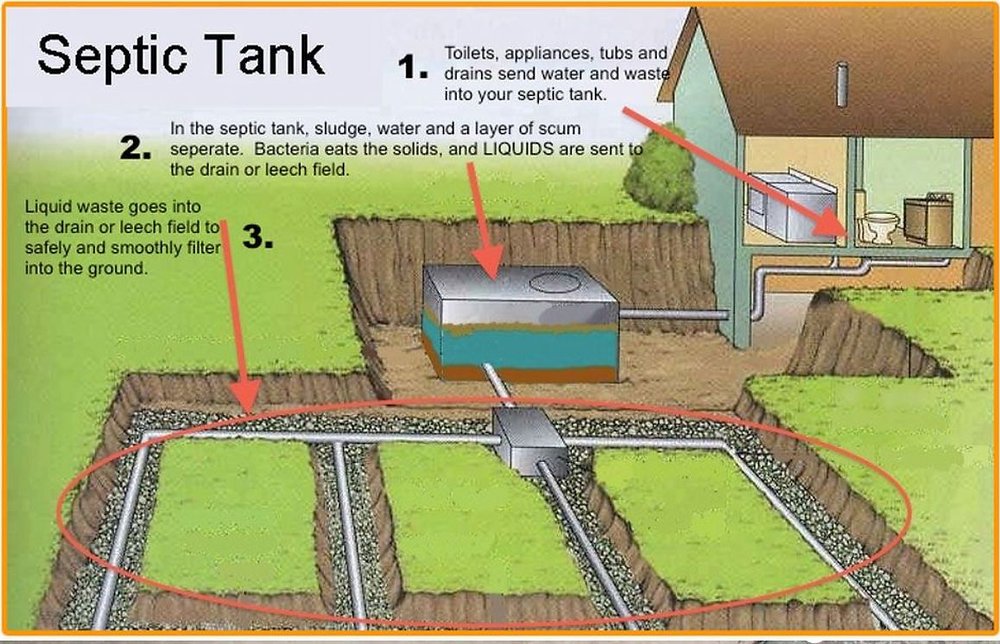
Understanding how a septic system works starts with following wastewater’s journey from a home’s toilet to its eventual soil treatment. A septic system is an on-site sewage solution, ideal for properties without central sewer connections. “Septic system flow” means the sequence through which both solid and liquid waste travels—from entering the toilet, passing through the septic tank for partial treatment, and finally, being absorbed and purified in the ground by the drain field. The efficiency of this process is key to maintaining sanitation, preventing environmental contamination, and securing long-term home health.
Historical Context and Evolution
Since the early 20th century, septic systems have evolved from simple cesspools into advanced treatment units. Innovations now include enhanced biological treatment, eco-friendly components, and sensor-based monitoring. The 2026 regulatory updates require smarter material choices and digital oversight, improving reliability, reducing maintenance needs, and strengthening compliance with environmental laws. Despite technological advances, the fundamental flow principle—wastewater entering, solids settling, and effluent filtering through soil—remains unchanged.
The “Magic Triangle”: Interconnected Principles That Govern Success
Reliable septic system flow depends on three core elements:
- Hydraulic Flow Balance: Ensures incoming wastewater doesn’t overload the system.
- Biological Decomposition: Utilizes anaerobic bacteria in the tank to break down solids.
- Soil Absorption Capacity: The drain field and surrounding soil filter and further treat outgoing liquid.
When coordinated, this “Magic Triangle” delivers safe, efficient wastewater treatment and prevents failures.
The Complete Classification System
Primary Types and Models
Septic systems fall into several main categories, each adapted for different site conditions:
| System Type | Flow Method | Best Applications | Unique Treatment Features |
|---|---|---|---|
| Conventional (Gravity-Fed) | Natural slope moves effluent | Homes with suitable soil & slope | Simple, reliable for standard conditions |
| Chamber | Plastic chambers replace gravel in drain field | Space-limited or shallow soils | Improved infiltration and space efficiency |
| Aerobic Treatment Units (ATUs) | Inject oxygen to speed decomposition | High water tables, strict regulation zones | Superior effluent quality; compact |
| Mound | Elevated drain field above poor soils | High groundwater or poor drain soils | Minimizes contamination risk |
| Sand Filter | Layers of sand enhance filtration | Environmental zones, small lots | High reliability, safer for sensitive sites |
Scale Variations: From Residential to Commercial Applications
Septic systems range from basic home units (500–1,200 gallons/day) to high-capacity commercial setups in hotels or restaurants. While all rely on the same three-stage flow (tank, treatment, discharge), commercial systems have larger tanks, multiple treatment steps, and expanded drain fields or advanced technology to handle increased or more complex waste volumes.
Regional/Climate-Based Adaptations
Septic systems must be engineered for local climate and soil. In cold regions, deeper tanks and insulation prevent freezing. Arid climates need adapted drain fields to counter evaporation, while coastal/high-water-table areas utilize ATUs or mound systems for extra protection. For in-depth adaptations per region, visit our dedicated article on adaptation strategies.
The End-to-End Lifecycle Framework
Phase 1: Initiation and Planning
The process begins with site and soil assessments, regulatory research, and system sizing based on projected wastewater volume. Planners analyze system diagrams and approve flow schematics before installation.
Phase 2: Implementation and Execution
Specialized contractors excavate, install septic tanks, and layout drain fields according to design. Successful installation adheres to the planned flow sequence, ensuring future system health and regulatory compliance.
Phase 3: Operation and Maintenance
Regular performance checks—like routine sludge pumping, flow monitoring, and component repairs—maintain efficient wastewater flow and safeguard against costly breakdowns or ground contamination.
Phase 4: Optimization and Scaling
As household or property needs grow, systems may be upgraded with additional treatment units or expanded drain fields. Advanced filtration or retrofitted technology can be added to keep pace with new regulations or volumes.
Phase 5: Renewal or Replacement
When performance declines, options include tank/drian field refurbishment or full system replacement. Lifespan assessment focuses on uninterrupted flow, component condition, and environmental compliance to guide renewal action.
Key Stakeholders and Ecosystem Dynamics
Roles and Responsibilities Matrix
| Stakeholder | Primary Responsibilities |
|---|---|
| Homeowner | Regular inspection, basic maintenance, system monitoring |
| Licensed Installer/Inspector | Design verification, installation, and regulatory certification |
| Service Technician | Pumping, component repair, technology upgrades |
| Environmental Agency | Setting standards, compliance enforcement, environmental safety |
Communication Protocols and Documentation Standards
Maintaining records—including soil evaluation, as-built designs, inspection logs, and repair records—ensures transparency and simplified troubleshooting. Homeowners should receive updates after every service, and contractors must keep official logs available for regulatory review.
Regulatory and Compliance Landscape
All septic installations must comply with state/local health codes and EPA onsite treatment guidelines. Following these rules protects public health and prevents environmental damage from wastewater leakage or contamination.
Tools, Technology, and Performance Management
Essential Tools and Software Solutions
- Flow meters for tracking influent and effluent volumes
- Sensors for digital monitoring of sludge depth and tank health
- Maintenance management software for scheduling and compliance
These innovations help identify flow disruptions early and extend system life through predictive maintenance.
Key Performance Indicators (KPIs) and Metrics Dashboard
| KPI | Measurement | Significance |
|---|---|---|
| Influent Flow Rate | Gallons/day entering system | Prevents overload |
| Effluent Quality | BOD/TSS reductions | Measures treatment success |
| Sludge Accumulation | Inches or percentage of tank | Optimizes pump-out timing |
| Drain Field Absorption Rate | Percolation rate (minutes/inch) | Ensures field effectiveness |
Data-Driven Decision Making Framework
Smart septic systems use data analytics and predictive alerts to detect blockages or degradation and automate maintenance schedules. This proactive approach improves reliability and reduces environmental risks.
Comparative Analysis and Strategic Decision Matrix
Side-by-Side Comparison Table
| Option | Best For Scenario | Advantages | Limitations | Cost Range | Skill Required |
|---|---|---|---|---|---|
| Conventional Gravity | Rural, low-cost residential | Simple, low maintenance | Requires slope, soil dependent | $3,000 – $7,000 | Basic plumbing |
| Chamber Systems | Limited space, moderate load | Easy install, less gravel needed | Medium cost, moderate skill | $5,000 – $10,000 | Intermediate |
| Aerobic Units | High water tables, sensitive zones | Superior treatment, compact | Power needed, higher cost | $8,000 – $15,000 | Advanced |
| Mound Systems | Poor soil, high water table | Effective where standard fails | Expensive, needs space | $10,000 – $20,000 | Advanced |
| Sand Filters | Small lot, sensitive environments | Enhanced treatment, reliable | High cost, requires maintenance | $12,000 – $25,000 | Professional |
Risk Assessment and Mitigation Strategies
- Risk: System overload or improper sizing
Mitigation: Conduct comprehensive site and flow analysis before installation - Risk: Drain field failure
Mitigation: Regular inspection; avoid driving/heavy use over the field - Risk: Groundwater contamination
Mitigation: Select appropriate system and follow proper maintenance schedules - Risk: Technology faults
Mitigation: Include redundancy and smart monitoring in the design
Future Trends and Innovations
By 2026 and beyond, septic system technology will move toward full IoT integration, remote diagnostics, and advanced bioaugmentation for improved microbial action. These systems automate flow control, issue smart maintenance alerts, and adapt in real-time to user needs or changing conditions, enabling more sustainable wastewater management.
Implementation Roadmap and Resources
Actionable Checklist for Getting Started
- Conduct site and soil evaluation.
- Obtain necessary permits and approvals.
- Select the best septic system model for your property and region.
- Design a clear flow schematic and diagram.
- Hire a licensed professional for installation.
- Schedule and perform routine maintenance and inspections.
- Monitor system performance using available tools or technology.
Common Pitfalls and How to Avoid Them
- Overloading the system with excessive water or waste volume
- Skipping routine tank pumping or maintenance checks
- Incorrect tank/drain field placement, leading to failures
- Ignoring early warning signs of system flow issues (slow drains, odors)
- Lack of homeowner awareness about system use and maintenance needs
Prevent problems with diligent design, scheduled check-ups, and user education.
Recommended Next Steps Based on Your Goals
- Guide to Maintenance Best Practices
- Troubleshooting Common Issues and Repairs
- Selecting Septic System Components
Reference Section
Key Takeaways and Summary
Understanding how your septic system works—by tracking the detailed flow from toilet to soil—empowers you to protect your investment, meet regulatory expectations, and promote a healthier environment. Success relies on following best design, operation, and monitoring practices, as well as adapting to the latest advancements in sensor and data-driven septic solutions.
- Septic system flow is a carefully balanced journey of liquid and solid waste from the household to the treated, safe groundwater.
- Consistent maintenance and monitoring are essential for system health and compliance.
- Emerging technologies further boost reliability and environmental safety.
Complete Glossary of Terms
- Septic Tank: Underground tank where solids settle and anaerobic bacteria digest organic matter.
- Septic System Drain Field: Soil area that filters and disperses liquid effluent from the tank.
- Effluent: The treated liquid leaving the septic tank for final soil filtering.
- Anaerobic Bacteria: Microorganisms breaking down waste in oxygen-free conditions.
- Aerobic Treatment Unit (ATU): A Septic component that introduces oxygen for more effective breakdown of organic material.
Frequently Asked Questions
What happens to wastewater after I flush?
The wastewater travels from the toilet to the septic tank, where solids settle and bacteria decompose waste. The liquid (effluent) then moves into the drain field, where the soil finishes treatment before water returns to the environment.
How often should a septic tank be pumped?
Most tanks should be pumped every 3–5 years. Frequency depends on tank size, household water use, and local regulations.
Can I use additives to improve septic system flow?
Chemical or biological additives are generally not recommended, as they can disrupt natural bacterial action or damage your system. Refer to guidance from the EPA or your local health authority.
How does the septic system drain field work?
The drain field evenly distributes liquid effluent into the surrounding soil, which filters out pathogens and contaminants naturally using physical and biological processes.
What signs indicate septic system flow problems?
Common red flags include slow draining sinks, gurgling toilets, persistent odors, wet spots over the drain field, or sewage back-ups. Prompt professional inspection is advised if these occur.
Can septic systems fail in winter?
Improperly insulated or shallow tanks may freeze in cold climates, stopping flow. Proper installation and site adaptations can prevent cold-weather issues.
What is the typical lifespan of a septic system?
A well-maintained system lasts 20–40 years, but improper use or neglect can shorten its life significantly.
Do different climates affect the type of septic system I should choose?
Yes. Cold, arid, or flood-prone areas often require modified designs or advanced treatment systems to maintain effective flow and prevent system failures.
Is a septic permit required for installation?
Yes. Most jurisdictions require permits, site evaluations, and inspections to ensure the selected system is suitable and meets health codes.
Where can I find official septic system regulations?
See the EPA Onsite Wastewater Treatment Systems Manual or consult your local health department.
Further Reading and Authoritative Sources
- EPA Onsite Wastewater Treatment Systems Manual
- National Environmental Services Center Septic System Resources
- Journal of Environmental Health Reports: Advances in Septic System Technologies
Ready to optimize your septic system? Explore our step-by-step maintenance guides or consult with a certified professional to protect your property, your health, and your local environment.

Leave a Reply