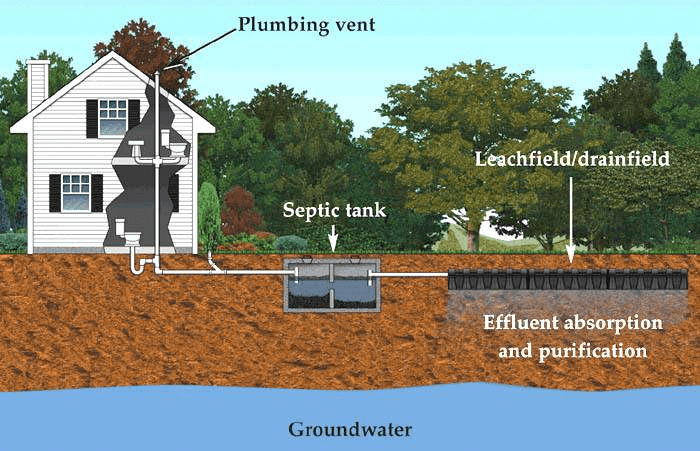
Quick Answer: To install a septic system on a steep slope or hillside property, conduct detailed soil and site analyses, design a stepped or pumped drain field, ensure erosion control, and strictly follow local regulations. Most steep-slope systems require pumps and terraced drain fields. Never attempt DIY installation without consulting licensed professionals, as improper work can cause effluent surfacing or environmental harm.
- Proper planning and soil testing are essential before installing a septic system on a slope.
- Stepped drain fields and effluent pump systems are often necessary for sloped properties.
- Maintain safety and compliance by following EPA and local codes.
- Quality control testing prevents costly repairs and environmental hazards.
- Ongoing, slope-specific maintenance ensures system longevity and reliability.
Table of Contents
Are you planning to build on a hillside or steep property? Struggling to navigate the engineering challenges of installing a septic system on a slope? Septic installation on uneven ground isn’t just more complex—it’s crucially linked to both your property value and the local environment. In this guide, you’ll learn the precise steps, technical requirements, and expert best practices needed to design and install a septic system that meets rigorous standards for sloped terrain. Avoid common pitfalls, meet compliance, and protect your investment with this authoritative resource.
Prepare Your Site and Follow Safety Guidelines
Tools and Materials Checklist
- Soil testing kit (percolation and soil profile analysis)
- Laser level and precise measuring tools
- Excavator or safe digging equipment for steep ground
- Septic tank, reinforced piping, and graded fittings
- Pump system (effluent or grinder pump) for uphill fluid movement
- Drain field supplies: gravel, geotextile fabric, drain lines
- Concrete or steel bracing/supports for tank stability
- Safety gear: gloves, safety glasses, steel-toe boots, hard hat
- Site marking paint and stakes
Follow Essential Safety Precautions
Steep slopes pose a high risk of falls and machinery tipping. Always use slip-resistant footwear and verify that tools and equipment are stable on uneven surfaces. Wear gloves and safety glasses while handling septic components, and only operate machinery with a spotter present. Avoid working in wet or icy conditions and remain vigilant near all trenches and open edges.
Set Up Your Workspace Effectively
Clear only necessary vegetation and debris, preserving native soil wherever possible. Establish stable, temporary access routes for heavy equipment. Mark out septic tank and drain field zones, following the property’s contours and slope direction. Install downhill silt fences or straw wattles for erosion control and confirm that all soil test results meet local health or building department regulations.
Implement Installation Using Step-by-Step Guidelines
Step 1: Evaluate Site and Soil Conditions Thoroughly
Perform a meticulous percolation test and complete a site survey to chart slope gradient and length. Examine the soil’s infiltration rate and water table depth—learn how. This critical data will guide your system design and help ensure proper effluent treatment without causing surfacing or saturation issues downhill.
Step 2: Select and Design the Right Septic System Type
Standard gravity drain fields are rarely effective on steep land. Consult with a licensed septic system designer, engineer, or local public health authority when choosing between stepped (terraced) drain fields, pressure distribution, mound, or drip irrigation systems. Regulatory compliance is verified using both local code and trusted sources like the EPA’s septic system standards.
Step 3: Excavate Trenches and Install the Tank Safely
Excavate following engineered plans, benching into the hillside to reduce cave-ins and failures. Place the septic tank on a reinforced foundation—level using concrete slabs or piers to counteract slope irregularities. Add retaining walls or structural supports as dictated by site and engineering requirements.
Step 4: Install Pumps and Piping for Reliable Effluent Movement
If required, set up a separate pump chamber with fail-safe power supply and alarms. Install all piping—preferably PVC or HDPE—at manufacturer-recommended slope/gradient to prevent backups. Test both pump and alarms thoroughly before backfilling to confirm reliable, ongoing operation.
Step 5: Construct Drain Field with Erosion Control
Build the drain field in terraces or steps, using gravel and geotextile to enhance infiltration while containing soil. Grade each level for uniform effluent dosing, and construct diversion swales uphill to intercept runoff. Apply native vegetation and mulch atop terraces for final stabilization and ongoing erosion resistance.
Ensure Quality Control and Compliance
Ways to Verify Installation Success
- Confirm even effluent distribution—no puddling at lower elevations
- Pumps run reliably and alarms trigger as designed
- No foul odors or audible system anomalies
- Soil absorbs effluent at expected rate after saturation
Testing Procedures for System Performance
Add a controlled volume of clean water to the tank and observe drain field absorption. Carry out pressure tests on pump lines to check for leaks. Over several days, visually monitor terraces for surface surfacing or overflow, ensuring compliance with EPA and relevant local environmental agency standards.
Troubleshoot Common Issues
- Pump failure or repeated airlocks: Inspect wiring and air release valves
- Uneven effluent distribution: Check for clogs or improper bench/terrace grading
- Surface pooling downhill: Suspect poor soil absorption or system leakage—repair or redesign as needed
- Erosion at trenches or terraces: Reapply stabilization measures, fortify as recommended by site engineer
Maintain System and Ensure Long-Term Reliability
Daily and Weekly Maintenance Tasks
- Check pump chamber floats and alarms for proper operation
- Observe weekly for signs of surfacing or odors, especially post-rainfall
- Keep debris and standing water clear of drain fields
Monthly and Quarterly Inspections
- Test all electrical/pump connections and system alarms
- Monitor effluent flow and terrace stability
- Remove invasive vegetation and check that erosion controls are intact
Identifying Wear and System Replacement Needs
- Persistent pooling, foul smells, or soil subsidence may indicate system failure
- Plan to replace pumps every 7–10 years, or per manufacturer
- Upgrade or repair any terrace/drain segment showing erosion or clogging
Apply Pro Tips and Advanced Solutions
Efficiency Strategies from Experts
- Install low-energy, variable flow effluent pumps to cut energy costs
- Use pressure dosing for even effluent delivery in terraced fields
- Schedule routine, preventative system inspections by professionals
Valuable Tools and Upgrades
- Portable digital soil testers for ongoing slope monitoring
- Laser or digital levels for accurate site grading
- Heavy-duty, pressure-rated piping (PVC or HDPE)
- Remote monitoring devices for real-time pump alerts
Customization for Your Terrain
- Combine mound systems with pumps on very steep land for improved dispersion
- Use drip irrigation drain fields for limited soil depths
- Design retention walls with vegetation terraces for added slope stabilization
Frequently Asked Questions (FAQs)
How does a septic system on a steep slope differ from a traditional flat-site system?
Septic systems on slopes require specialized installation features such as stepped drain fields, terraces, and pumps to move effluent—whereas flat-site systems typically use gravity alone. Precision grading and stabilization are essential to avoid leaks and surfacing downhill.
Can I install a septic system on a hillside property without professional help?
While basic knowledge is helpful, sloped sites demand careful engineering and code compliance. Unpermitted DIY installations can result in costly system failure and environmental damage. Always consult an engineer or certified septic professional.
What types of septic systems work best for hillside properties?
Options include stepped gravity fields, mound systems, pressure distribution, and pump-based solutions. The best system matches your slope gradient, soil percolation rate, and available space. Learn more from our comprehensive septic types guide.
Is soil testing mandatory for septic systems on sloped sites?
Yes. Percolation and soil profile tests—often required by law—determine system sizing, layout, and suitability. Guidelines per EPA Soil Absorption Field Standards (2022) recommend extensive site-specific analysis on slopes.
Why is a pump system usually required on steep slopes?
Sloped terrain often makes gravity flow alone impractical for safe effluent movement. Pumps deliver wastewater uphill or across uneven ground, preventing system failures and ensuring environmental protection.
What maintenance requirements are unique to hillside systems?
Slope-specific needs include regular monitoring and reinforcement of erosion controls, frequent pump and alarm inspections, and vigilance for potential surfacing or soil movement after storms.
Is it safe to landscape around a septic system on a hill?
Yes—with caution. Choose shallow-rooted, water-tolerant vegetation to reduce erosion risk and avoid root damage to pipes. Stabilize drain field terraces with grasses and ground covers rather than deep-rooted shrubs.
How do I protect my hillside septic system during heavy rain?
Design and maintain uphill diversion swales, keep all erosion barriers intact, and regularly clear debris. Proper grading channels rainwater away from septic infrastructure, as recommended by the USDA NRCS guidance on sloped site treatment (2021).
Quick Recap of Key Steps
- Start with detailed site and soil analysis
- Design for steep terrain using pumped or stepped drain fields
- Install with code-compliant grading, stabilization, and erosion controls
- Test the system thoroughly and fix any distribution, pump, or drainage issues
- Perform ongoing, slope-specific monitoring and preventive maintenance
Conclusion: Installing a septic system on a hillside or steep slope is far more technical than a flat-site installation. It requires careful design—often with pumps and terraced fields—strict attention to safety and code, and regular professional monitoring. Investing in the right tools, working closely with civil engineers or septic professionals, and following EPA, USDA, and local guidelines are essential for reliable long-term performance. Protect your hillside investment and surrounding environment by prioritizing expert planning and ongoing care.
Authoritative Resources
- U.S. Environmental Protection Agency (EPA) – Septic Systems Overview
- National Onsite Wastewater Recycling Association (NOWRA)
- USDA NRCS – Wastewater Treatment on Sloped Sites
Explore Related Guides
- Septic System Installation Best Practices
- Understanding Soil Percolation Tests for Septic Systems
- How to Maintain Your Residential Septic System
- Types of Septic Systems: Choosing the Right One for Your Property
- Troubleshooting Common Septic System Problems
Need expert advice or help with your steep-slope septic design? Contact a licensed local professional for a site assessment and design consultation to ensure your septic system meets code and serves your property efficiently and safely for decades.

Leave a Reply