Quick Answer: Never route roof, gutter, or sump pump discharge directly into your septic system—it risks failure and is prohibited by EPA guidelines. Instead, use a properly sized dry well to manage clear water runoff. A dry well collects and infiltrates excess water safely, protecting both your septic system and local groundwater.
- Dry wells handle clear water runoff (not septic wastewater) through underground infiltration.
- Protects septic drain fields from over-saturation and overload.
- Correct system design and sizing is essential for long-term performance.
- Periodic inspection and cleaning support ongoing function.
- EPA and National Sanitation Foundation recommend clear separation of drainage and wastewater systems (EPA Septic Systems Guide).
Table of Contents
Have you noticed standing water in your yard or worried about heavy rains impacting your septic system? Many property owners face system failures due to improper runoff management. Integrating a dry well can be the key to maintaining a healthy septic system—and protecting your investment for years to come. Learn how a dry well works, why it’s crucial, and how to make the right choice for your property’s unique needs.
Define a Dry Well for Septic System Applications
Understand the Core Concept
A dry well is a below-ground chamber—typically filled with coarse gravel or rock—that handles excess clear water runoff. Unlike a septic system, which treats and disperses wastewater from household plumbing, a dry well strictly manages uncontaminated water such as roof runoff, sump pump discharge, or groundwater infiltration. Its purpose: to let water percolate safely back into the ground, reducing surface pooling and minimizing moisture near your septic drain field.
Break Down Key Septic and Drainage Terms
- Dry Well: Gravel-filled pit designed to infiltrate non-septic (clear) water into the subsoil.
- Septic System: A system that treats “blackwater” from home plumbing.
- Clear Water: Water free from contamination—rainwater, snowmelt, or groundwater only.
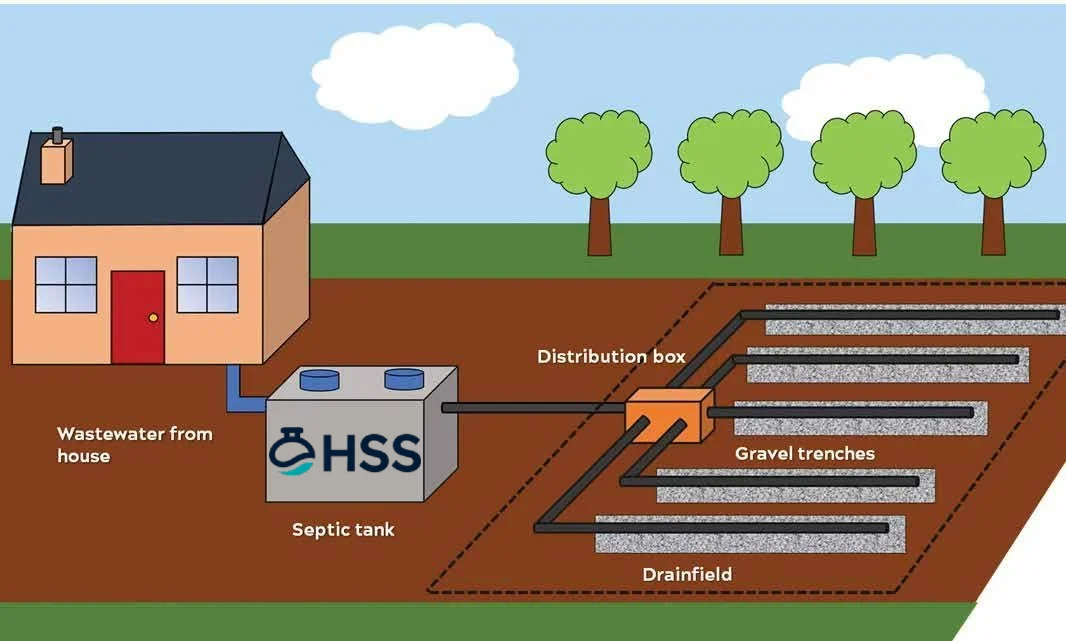
- Drain Field (Leach Field): Area where septic system effluent filters into soil for further treatment.
- Infiltration: Movement of water from surface or piping into surrounding soil layers.
Historical Context and Regulatory Developments (Updated 2026)
Dry wells have been integral to water management since the early 20th century, especially in agriculture and land development. As urban density and environmental standards rise, modern design requires that all clear water discharge remain entirely separate from septic or wastewater. Current best practices, reflected in EPA and NSF standards (2026), stress the importance of this separation to prevent system failures and environmental contamination.
Explain How a Dry Well Works
Outline the Functional Mechanism
Dry wells collect clear water in a subsurface void filled with gravel, slowing its movement and allowing gradual infiltration into the earth. This reduces surface runoff, controls erosion, and ensures that extra water is absorbed before it can impact the septic drain field. The result is reliable moisture management that keeps your septic system functioning as designed.
Detail the Input-Process-Output Model
| Step | Description |
|---|---|
| Inputs | Clear, uncontaminated water—roof downspouts, sump pump lines, foundation drains. |
| Processes | Water travels through pipes to the dry well, diffuses through gravel or chamber system, and infiltrates soil. |
| Outputs | No surface discharge; water recharges groundwater without mixing with septic effluent. |
List and Compare Dry Well Components and Variations
Identify Major System Parts
- Catch Basin/Inlet: Entry point for water from above-ground pipes.
- Dry Well Pit: Subsurface chamber, typically lined and filled with gravel or stone.
- Perforated Pipes: Used optionally to distribute water evenly for infiltration.
- Filter Fabric (Geotextile): Prevents soil and sediment from plugging the gravel bed.
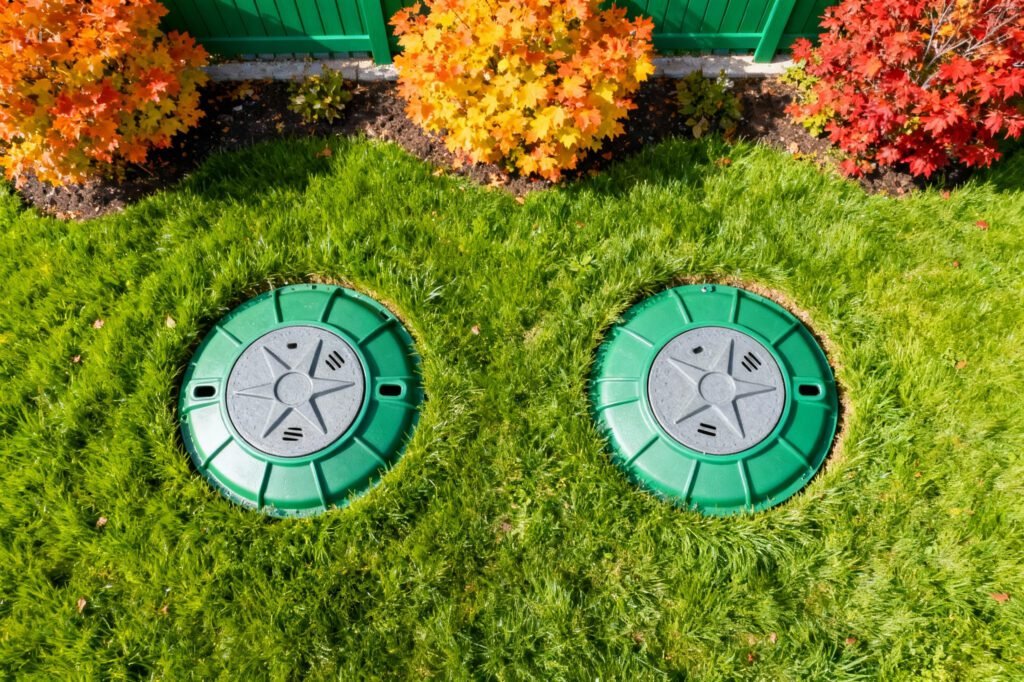
- Access Cover or Lid: Allows visual inspection and maintenance.
Compare System Types
| Type | Main Materials | Best Use |
|---|---|---|
| Gravel Dry Well | Crushed stone/gravel lined with filter fabric | Traditional, reliable for residential or small commercial sites |
| Plastic/Prefabricated Chamber | High-strength modular units | Modern installations, limited space, easier maintenance |
| Combined System | Integration with infiltration trenches or sump chambers | High-volume, challenging soils, large properties |
Specify Use Cases by Property Type
- Residential: Single dry well sized per roof area and rainfall calculations.
- Commercial/Industrial: Multi-chamber, engineered systems to handle increased runoff.
- Wet Soil/Septic Supplemental: Larger infiltration zone, geotextile lining to maximize percolation in marginal soils.
Summarize Benefits and Value of Using a Dry Well
Highlight Main Advantages
- Prevents septic field overload: Keeps excess water out of the septic system for optimal treatment and longer lifespan.
- Reduces pooling and erosion: Minimizes standing water and property damage during heavy rain events.
- Groundwater recharge: Promotes sustainability by allowing clean water to return to the aquifer.
- Cost-effective and low-maintenance: Simple structure, minimal moving parts, and infrequent servicing (according to NSF 2025 Guide).
Enumerate Typical Applications
- Homes experiencing waterlogging or drainage issues near septic fields.
- Rural properties managing all wastewater on-site.
- Construction sites requiring separation of roof runoff from blackwater.
- Landscapes in high-rainfall or flood-prone regions.
Define Primary Beneficiaries
- Homeowners—especially in wet regions or with challenging soil.
- Facility and property managers—lower maintenance and repair costs.
- Environmental engineers—meets local, state, and EPA runoff control standards.
Assess Limitations and Necessary Considerations
List Potential Drawbacks
- Poorly suited to very sandy or gravelly soils—risk of rapid migration to groundwater (EPA recommends site assessment).
- Prone to clogging if not sized or filtered correctly—requires periodic maintenance checks.
- Ineffective in areas with high water tables—insufficient soil for absorption during wet seasons.
- Structural collapse if not installed per building code or with adequate support.
When to Consider Alternatives
In some cases, a French drain, engineered septic alternative, or retention basin may provide better performance—especially where soils, slope, or groundwater restrict dry well effectiveness.
Debunk Common Dry Well Misconceptions
- Dry wells are not part of your septic system and never receive sewage or blackwater.
- Routing clear water to a septic tank is never safe or compliant—always use a separate dry well or drainage feature.
- Properly maintained dry wells do not smell or require frequent cleaning when sized and filtered correctly.
Frequently Asked Questions
What is a dry well used for with a septic system?
A dry well diverts clear water runoff, such as rain or sump pump discharge, away from the septic drain field. This preserves proper soil conditions and prevents system overloading and potential failure.
Can stormwater be directed into a septic system?
No. Routing stormwater or clear water into a septic tank is strictly prohibited, as it causes overflow, reduced efficiency, and potential environmental violations (see EPA Septic Guidelines).
How does a dry well prevent septic system overload?
By intercepting and gradually infiltrating runoff, a dry well keeps the area around your drain field at optimal moisture, ensuring the soil can effectively treat wastewater as designed.
What are the main signs a dry well needs maintenance?
Look for slow drainage, persistent wet spots, or sediment accumulation at the inlet; these may indicate blockage or declining performance.
Are dry wells suitable for wet or high water table areas?
Dry wells may function in moderately wet zones with careful design, but are not recommended where groundwater regularly reaches the pit; consider site-specific assessment before installation.
Does using a dry well increase my septic system lifespan?
Yes. By redirecting clear water away from the field, dry wells reduce overload risk and prolong system effectiveness, helping to avoid premature septic field failure.
What materials are used to construct a dry well?
Most dry wells use open-graded (washed) gravel, crushed stone, or approved plastic or concrete chamber systems, all lined with filter fabric to block soil migration.
How do I know if I need a dry well or another drainage solution?
A professional drainage assessment—including percolation testing and site review—will identify the most suitable solution. Sometimes French drains, retention basins, or advanced septic fields are recommended instead.
What maintenance does a dry well require?
Regular visual inspection for sludge/sediment, removing blockages from the inlet, and occasional flushing or replacement of gravel or filter fabric as needed.
Are dry wells environmentally safe?
Yes—when designed and installed following EPA and local guidelines, dry wells are safe, helping recharge groundwater without polluting it.
Quick Recap: Dry Wells and Septic Systems
- Never discharge rainwater, sump, or gutter runoff into your septic system.
- Properly built dry wells provide sustainable, code-compliant management of excess clear water.
- Regular maintenance preserves both your dry well and septic system’s health.
- Consult local guidelines and EPA recommendations for design and siting.
Key Takeaways
Adding a dry well to your drainage plan is a proactive, reliable way to prevent septic system stress and expensive repairs. By managing roof, driveway, or foundation runoff separately from wastewater, you protect your home, property value, and local environment. Always work with a qualified installer, adhering to EPA, NSF, and local plumbing code standards for maximum benefit.
For more guidance, review related topics:
- Septic System Design for Wet Areas: Best Practices
- How to Maintain Your Septic System Drain Field
- French Drains vs. Dry Wells: Which Is Right for You?
- Septic System Alternatives for Challenging Soil Conditions
Authoritative sources:
- U.S. EPA: Septic Systems and Groundwater Protection
- NSF: Onsite Wastewater Systems Guide
- ASCE: Stormwater Management Using Dry Wells
Ready to protect your septic system and property from excess water? Request a site assessment or consult a licensed drainage specialist for code-compliant dry well installation today!

Leave a Reply