Quick Answer: Septic system socks (geotextile fabric sleeves) surround drain field gravel to prevent soil intrusion, maintain drainage, and extend the life of your septic system. During installation, wrap gravel and distribution pipes with socks, overlap seams, use only clean aggregate, and ensure fabric integrity. Always consult local plumbing codes and EPA guidelines before installation.
- Geotextile fabric socks serve as a fine soil barrier, protecting the leach field’s gravel bed from clogging and premature failure.
- Socks are essential for maximizing effluent percolation, especially in fine or silty soils.
- Installing septic socks during construction or retrofit can greatly reduce maintenance and repair needs.
- Quality installation relies on following EPA and local standards, proper overlap/sealing, and use of clean aggregates.
Table of Contents
Did you know that a single overlooked component in your septic system could make the difference between decades of reliable service and an early, expensive failure? For homeowners looking to maximize septic performance, geotextile fabric socks (septic system socks) are a game-changer—yet they’re often overlooked. Proper use keeps your leach field flowing smoothly, prevents clogging, and saves thousands in repairs. This in-depth guide will walk you through the crucial role and implementation of septic system socks for robust, long-lasting system protection.
Define Septic System Socks and Geotextile Fabric Components
Septic system socks are cylindrical tubes made of strong, permeable geotextile fabric—typically polypropylene or polyester—that are designed to encase gravel or aggregate inside drain field trenches. Their core function is to let liquid effluent pass through easily while blocking fine soil particles from mixing with the drain gravel.
| Component | Material/Specification | Function |
|---|---|---|
| Geotextile Fabric Sock | Nonwoven/woven synthetic fibers (polypropylene/polyester), UV-resistant | Filtration; wraps gravel; allows water flow; excludes fine particles |
| Gravel/Aggregate | Clean, washed stone (typically 3/4”–1.5” diameter) | Provides drainage pathway and structural support |
| Perforated Drain Pipes | PVC or HDPE, multiple slots/holes, diameter per local code | Distributes septic effluent evenly into drain field |
Explain How Septic Socks Function in Drain Fields
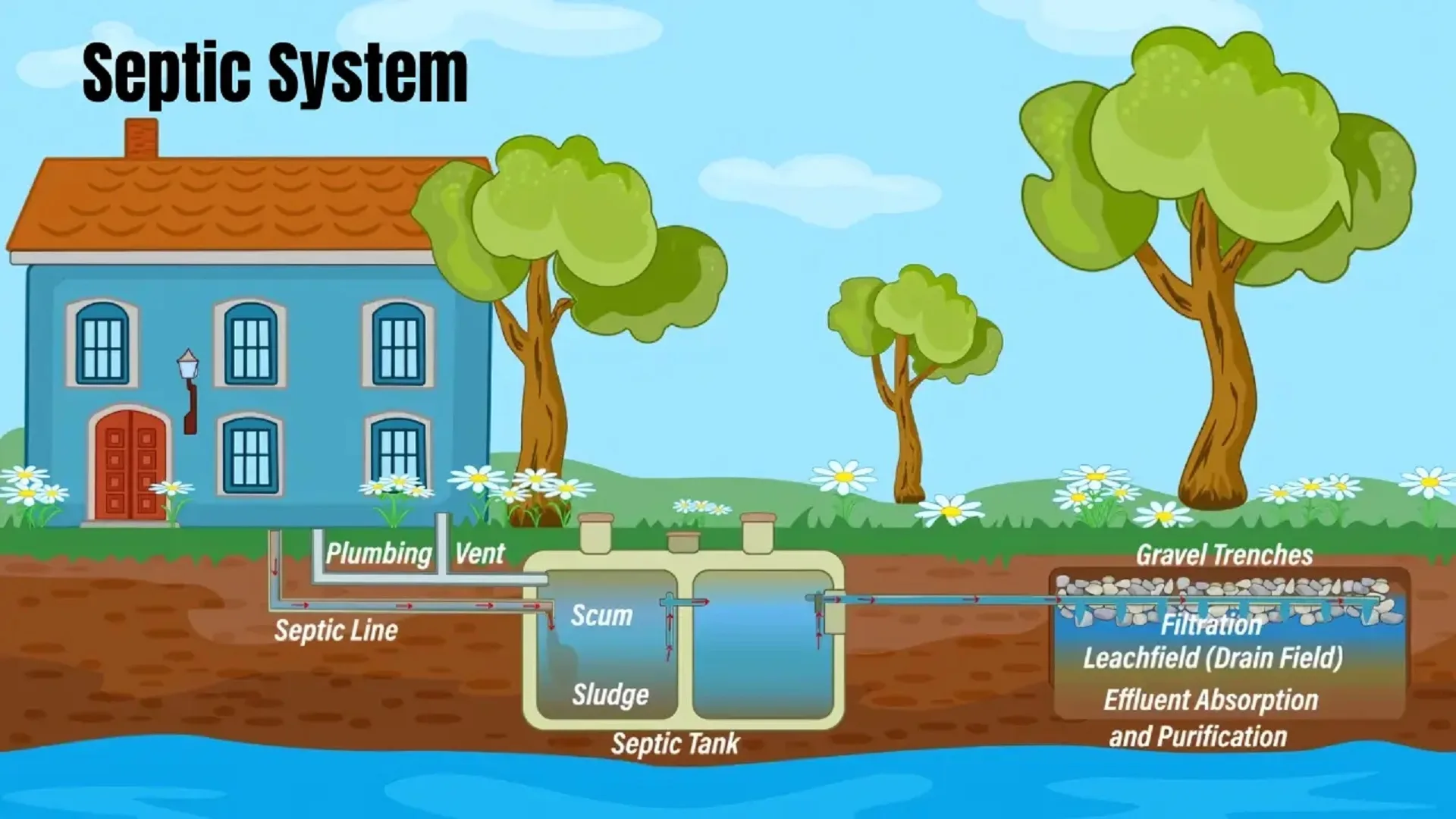
Within a septic drain field, effluent leaves the septic tank and flows into perforated pipes. These pipes, surrounded by clean gravel and wrapped in geotextile fabric socks, form the drainage matrix that disperses liquid into the surrounding soil for natural UV and microbial filtration.
The geotextile sock acts as a barrier that:
- Prevents fine soil and silt from infiltrating the gravel bed
- Maintains open voids for maximum percolation
- Reduces risk of clogging and system backup
Over time, exposed gravel can become packed with soil, especially in areas with fine-textured earth. SOCKS keep the drainage layer clean, vastly prolonging the operational lifespan of your leach field.
Identify Practical Applications and Real-World Use Cases
Install Septic System Socks During New Drain Field Construction
On new septic systems, industry-leading practices (per EPA Septic Systems Guide) specify lining leach field trenches with geotextile socks. This ensures long-term protection against soil migration from the first day the system is used.
Retrofit or Repair Existing Drain Fields with Socks
During repairs or upgrades, socks can be retrofitted around new or existing gravel beds and pipes to reinforce the drain field, halt further sediment intrusion, and improve field longevity.
Field Applications in Varying Soil Conditions
Geotextile socks are particularly critical in fine or silty soils, high groundwater regions, and commercial/multi-family systems where heavier effluent loads demand robust prevention of soil clogging. Many engineering specifications reference industry geotextile standards for these cases.
Implement Septic System Socks: Step-by-Step Guide
- Excavate Drain Field Trenches: Dig trenches according to your engineered plans, considering required depth and width for pipes and gravel per local building code.
- Arrange Geotextile Fabric Socks: Place pre-filled socks or position fabric along trench floor and walls, or fill socks in-situ after pipe placement.
- Install Perforated Pipes: Center the distribution pipes within the sock-wrapped gravel bed for even distribution of effluent.
- Backfill with Gravel: Carefully add clean, washed aggregate to the correct height while protecting sock integrity.
- Seal Seams and Overlaps: Overlap, fold, or staple fabric edges and sock ends to fully enclose gravel and prevent exposed joints where soil may intrude.
- Backfill Soil Gently: Add and compact soil above the system carefully to avoid displacing or tearing the fabric sock.
- Inspect and Test: Before use, verify correct placement, undamaged fabric, and system grade according to specifications.
Required Tools and Materials
- Trenching machine or manual digging tools
- Rolls/tubes of UV-resistant geotextile fabric socks
- Clean, washed gravel/aggregate
- Perforated PVC or HDPE pipes
- Fabric stapler or industrial fastening tools
- Level, compaction equipment, tape measure
Timeline
For a typical residential drain field, full installation (including excavation, sock placement, pipes, and backfill) takes approximately 3–5 days based on weather and site accessibility. Milestone checks should be done after each stage:
- Trench completion
- Sock and pipe placement
- Aggregate backfill
- Seam sealing and final inspection
Integrate and Optimize Septic System Socks
Connect to Septic System Parts Installation
Refer to our septic system parts installation guide for a system-level look at where socks fit into the full assembly. Proper integration of socks protects downstream components, from manifold to pump, by ensuring consistent drainage in the leach field.
Connect to Septic System Maintenance Best Practices
For reduced maintenance and maximum system life, pair sock use with the practices from our septic system maintenance tips. Preventative measures, starting with proper sock installation, reduce the risk of field failure and costly repairs.
Optimization Tips
- Select only UV-stabilized, high-permeability geotextile fabric (refer to manufacturer specs and NSF/ANSI Standard 46 recommendations).
- Never install socks over contaminated or fine gravel—use clean, washed aggregate free of silt and fines for best percolation.
- Inspect the fabric for tears before backfilling, and do not stretch socks beyond recommended sizing.
Troubleshoot Septic System Sock Issues
Common Symptoms and Solutions
| Issue | Symptoms | Recommended Action |
|---|---|---|
| Sediment Intrusion | Clogged gravel, reduced flow rates | Excavate, replace damaged sock sections, install new fabric/socks |
| Reduced Percolation | Standing water, slow drainage | Clean or replace gravel and socks for restored flow |
| Fabric Tears or Displacement | Exposed or loose socks visible during inspection | Repair or replace with UV-resistant options |
| Effluent Backups | Pooling water above trenches, surfacing effluent | Evaluate total drain field capacity, replace compromised areas, or consult a professional |
When to Call a Professional
If you notice persistent clogging, effluent backup, or visible fabric degradation, call a licensed septic system professional. Extensive issues may require field excavation and full sock replacement to restore full system function. The EPA and most local health departments recommend professional help for repairs beyond routine inspection or minor fixes (see EPA Septic System Guidance).
Follow a Smart Septic Maintenance Schedule
Daily/Weekly: Quick Visual Checks
- Look for pooling water or odors in the drain field area, which may signal field blockage or fabric compromise.
- Keep vehicles and large equipment off the drain field to avoid soil compression and fabric displacement.
Monthly/Quarterly: System Entry and Site Monitoring
- Check for surfacing effluent at access risers or cleanouts.
- Inspect for exposed or eroding fabric, especially after major storms or landscaping work.
Annual: Full Professional Inspection and Flow Testing
- Have a septic technician conduct percolation and flow tests, as well as a visual inspection of buried fabric during system pumping or repair visits.
- Review the sock and aggregate condition to plan repairs or upgrades before a costly drain field failure occurs.
Key Takeaways
Geotextile fabric socks are a simple yet critical line of defense for maintaining a healthy and efficient septic drain field. By preventing soil from mixing with drainage gravel, these socks uphold system permeability, extend service life, and significantly reduce costly maintenance. For the best results, choose quality materials, follow local code and EPA recommendations, install with care, and inspect routinely. Ready for next steps? Visit our Septic System Parts Guide, continue learning with Septic System Maintenance Tips, or contact a licensed professional for advanced help.
Download our checklist:“Geotextile Fabric Installation for Septic Drain Fields” and get every detail right for maximum system longevity and safety!
Frequently Asked Questions
What are septic system socks and why are they important?
Septic system socks are strong, permeable geotextile fabric tubes that encase drain field gravel. Their main purpose is to filter out soil particles, preserve drainage, and prevent leach field clogging and failure—making them an essential drain field component.
How do septic system socks improve drain field performance?
Socks keep soil and fines out of the gravel, maintaining open flow paths for water and preserving rapid, even effluent percolation into the soil. This prevents clogging and keeps your field functional for years.
Can I install septic system socks myself?
Capable homeowners can install socks with the right tools and by following local plumbing and health department codes. However, for best results and compliance with regulations, professional installation is recommended.
How often do septic system socks need inspection or replacement?
Socks built from durable geotextile fabrics can last decades under normal use. Still, check them during regular septic maintenance. Replace any tears, excessive wear, or areas showing sediment intrusion.
What should I do if the geotextile fabric tears or degrades?
If fabric tears, soil can infiltrate your gravel and cause clogging. Promptly repair or replace damaged sections to restore full system function and prevent premature field failure.
Are geotextile socks suitable for all soil types?
Yes, septic system socks are beneficial for all soil conditions, but are especially important in fine or silty soils prone to particulate migration and drainage problems.
Will installing septic system socks reduce my future maintenance needs?
Absolutely. By preventing clogging of the drain field, socks reduce repair frequency, minimize downtime, and help the whole septic system last longer and perform better.
External Resources and Industry References
- EPA Septic Systems Guidance (last updated 2024-01-15, U.S. Environmental Protection Agency)
- National Onsite Wastewater Recycling Association (NOWRA)
- Geotextile Industry Standards and Guidelines

Leave a Reply