Quick Answer: Septic systems in flood zones require flood-resistant designs—including watertight tanks, elevated drainfields, and strict compliance with local and federal regulations (such as updated FEMA flood maps and EPA guidelines). Never pump out a flooded septic tank until water recedes; immediate pumping may collapse the tank. Regular inspections, proper anchoring, and professional maintenance are essential for safe operation in flood-prone areas.
- Septic systems in flood zones face distinct risks of contamination and physical damage.
- Modern regulations (as of 2026) require flood-adapted designs for installations in mapped flood hazard areas.
- Components include watertight tanks, elevated or engineered drainfields, and protective venting.
- Proper system selection and maintenance are critical for public health and compliance.
- Do not pump out a flooded septic tank until floodwaters recede to avoid tank collapse.
Table of Contents
Are you planning, maintaining, or recovering a septic system in a flood zone? Understanding emerging regulations and the latest protective technologies is essential to safeguard water quality, property, and health. This guide explains the mechanisms, industry standards, benefits, drawbacks, and best practices for septic systems exposed to flooding in 2026 and beyond.
Define a Septic System in a Flood Zone: Full Explanation
Understand the Core Septic System Concept in Flood Zones
A septic system in a flood zone is an on-site wastewater treatment solution installed in an area officially recognized for its elevated flood risk (as delineated by FEMA and local agencies). These systems consist of a septic tank and a drainfield, which together manage household sewage. When placed in flood-prone zones, additional engineering precautions and regulatory compliance are required to prevent system failure, waterway contamination, and public health hazards.
Break Down Key Septic and Flood Zone Terminology
| Term | Definition |
|---|---|
| Septic Tank | Watertight underground container that separates solids from wastewater. |
| Drainfield (Leach Field) | Permeable subsurface area where treated water infiltration occurs. |
| Flood Zone | Designated area of heightened flooding risk (per FEMA or local mapping). |
| System Floatation | When a septic tank becomes buoyant and lifts or shifts during floods, risking damage. |
| Septic System Repair | Remediation or replacement of damaged system components. |
| Septic System Regulations | Legal standards for design, installation, and operation, especially in high-risk zones. |
| Septic System Design | Engineering and site planning for proper wastewater treatment, considering local flood risks. |
Trace Septic System and Flood Zone Regulations: Historical & 2026 Updates
Historically, septic systems often lacked robust flood defenses, resulting in failures and contamination after severe weather. After major floods in the early 21st century, regulatory standards evolved. As of 2026, most U.S. jurisdictions and many international authorities (per EPA, FEMA, and local code) require:
- Elevated or engineered drainfields to prevent saturation (EPA 2026 Guidelines).
- Watertight, anchored septic tanks to resist floodwaters (FEMA NFIP Guidance).
- Restriction or prohibition of new installations within mapped floodplains.
- Compliance with climate-adapted flood projections as part of permitting.
This integrated approach aims to protect groundwater, reduce post-flood repair costs, and safeguard community health.
Explain Septic System Operation in Flood Zones
Recognize the Fundamental Mechanisms
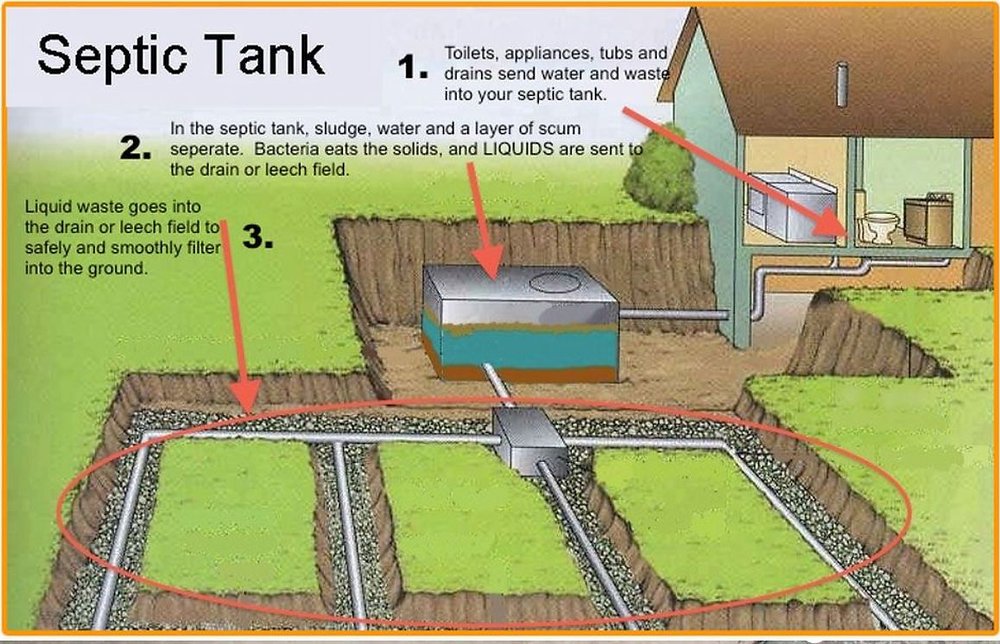
Septic systems typically rely on gravity and unsaturated soil for effluent treatment. Wastewater first enters the septic tank, where solids settle and bacteria break down organic matter. Clarified effluent then passes into the drainfield for soil filtration. In flood zones, however, high water tables and saturated soils can:
- Prevent proper effluent absorption (causing surface pooling and backups).
- Allow floodwater ingress, diluting or forcing sewage out of the tank.
- Cause system floatation, where tanks rise and break piping connections.
- Increase risk of untreated sewage entering public waterways.
Summarize System Inputs, Processes, and Outputs
| Inputs | Processes | Outputs |
|---|---|---|
| Household wastewater (sinks, toilets, laundry); organics; chemicals | Solid separation in tank Anaerobic digestion Effluent filtration in soil Floodwater interaction (risk factor) | Treated effluent (to ground) Sludge for periodic removal Potential for contamination in flood conditions |
List Septic System Components and Flood-Zone Adaptations
Identify Main Septic System Parts and Their Purposes
- Septic Tank: Collects and treats household solids; must be watertight and anchored in flood zones.
- Drainfield: Distributes and filters effluent; must be sited and engineered above flood elevation.
- Vent Pipes: Allow safe gas venting; may require elevated extensions in flood-prone areas.
- Distribution Box: Ensures even channeling of effluent.
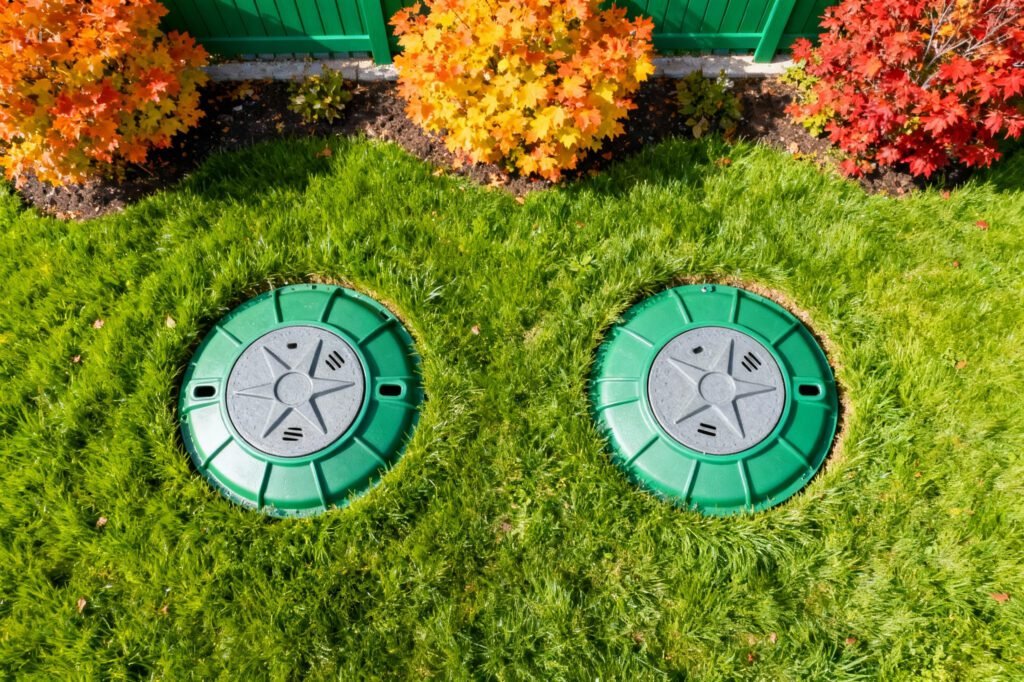
- Access Ports: Required for inspection and maintenance—should be sealed to prevent flood ingress.
| Component | Flood-Zone Consideration |
|---|---|
| Septic Tank | Anchor and seal to resist floatation and infiltration |
| Drainfield | Elevate above water table; design engineered mound or raised bed |
| Vent Pipes | Extend/raise to remain above flood levels for backflow protection |
| Distribution Box | Seal and elevate; use corrosion-resistant materials |
Review Main Septic System Design Models for Flood Areas
- Conventional Gravity-fed Systems: Rarely suitable in flood zones; prone to saturating quickly.
- Pressure Distribution Systems: Use pumps for even effluent distribution; allow for shallow or elevated drainfields.
- Sand Mound Systems: Engineered mounds raise filtration above the water table, ideal for frequent floods.
- Aerobic Treatment Units (ATUs): Advanced, powered systems reduce required drainfield area and boost treatment.
Describe Industry-Specific Septic System Versions (2026)
- Residential: Single-family systems, now often mandated to use elevated or anaerobic units in mapped floodplains.
- Commercial: Larger-capacity systems with real-time monitoring and rapid shutoff.
- Emergency Flood-Resistant: New designs feature sealed tanks, remote monitoring, and reinforced anchoring for communities with repeated flood events.
Evaluate Benefits and Applications of Flood-Ready Septic Systems
Outline Key Advantages in Flood Zones
- Enable safe, on-site wastewater treatment in areas lacking sewer access.
- When properly installed, minimize environmental risk—even under flood threat.
- Support public health by maintaining sanitation during major floods.
- Generally more economical than extending municipal sewers to rural floodplains.
Detail Major Applications in Residential and Commercial Settings
- Residential: Keeps floodplain homes habitable and compliant with local code.
- Agriculture: Serves farm buildings distant from municipal infrastructure.
- Construction/Development: Supports temporary infrastructure in at-risk areas.
- Community Planning: Forms part of resilient design for disaster-prone zones.
Identify Who Gains the Most from Flood-Adapted Septic Systems
- Homeowners & Property Managers: Lower repair costs, legal compliance, and health protection.
- Municipal/Environmental Agencies: Reduce risk of widespread contamination during disasters.
- Septic Professionals: Increased need for specialized installation, inspection, and repair.
Analyze Limitations and Important Considerations
List Primary Risks and Constraints in Flood Zones
- Drainfields may fail when saturated, causing system backups and surface contamination.
- Unanchored tanks can float and disconnect, requiring expensive repairs.
- Flood infiltration can release untreated sewage, causing health hazards and environmental penalties.
- Elevated/mounded systems are costlier and require more space; may not suit all property sizes.
Choose Alternatives When Septic Isn’t Recommended
In frequently flooded or extreme-risk zones, municipal sewer connections or small-scale treatment plants are often safer and more reliable. Above-ground units and engineered package plants typically outperform conventional septic where flood maps show regular inundation.
Correct Common Myths About Flood Zone Septic Systems
- Myth: “Septic systems in flood areas are waterproof and floodproof.”
Reality: Only systems with the correct design and installation prevent contamination during floods. - Myth: “Flooding always immediately contaminates drinking water.”
Reality: Properly built systems and soils can limit contamination risk after a flood event. - Myth: “Pump out the septic tank as soon as floodwaters enter.”
Reality: Premature pumping can collapse the tank; always wait for water to recede.
Answer Frequently Asked Questions About Flood Zone Septic Systems
What happens to a septic system in a flood zone during flooding?
Flooding saturates the drainfield, halting effluent absorption. Tanks may become buoyant and float, pipes can break, and raw sewage may back up or leak. Immediate use of the system can lead to contamination of both surface water and groundwater (per EPA 2026 guidelines).
How do regulations address septic system installation in flood zones (2026)?
Regulations (as of 2026) require flood-resistant design: watertight, anchored septic tanks; drainfields elevated above projected flood levels; setback requirements based on updated FEMA maps; and integration of climate change flood risk data. Reference: FEMA NFIP, EPA Onsite Manual 2026.
Can a septic system be repaired after flood damage?
Many systems can be repaired, but it depends on the extent of damage. If tanks are cracked or drainfields are clogged with silt and debris, sections may need to be replaced. Only certified professionals should assess and execute repairs, following EPA and local health department guidelines.
What septic system designs work best for flood-prone areas?
Elevated sand mound systems, pressure-distribution systems, and aerobic treatment units (ATUs) provide the most resilience. These designs increase separation from floodwaters and reduce the risk of untreated effluent release.
How can homeowners prevent septic contamination during floods?
Schedule regular inspections, invest in flood-resistant systems, and comply with local codes. Never use toilets or drains when you know the system is flooded. Mark tank and drainfield locations to avoid running heavy equipment over them after a flood.
Is it safe to pump out a flooded septic tank immediately after a flood?
No. Wait until the surrounding ground and floodwaters have receded. Pumping a tank while groundwater remains can collapse or damage the tank due to unbalanced pressure.
Are there health risks with septic systems in flood zones?
Yes. Failed systems can discharge pathogens and chemicals into drinking water sources, increasing disease risk (see CDC guidance). Immediate exposure and long-term contamination are both possible.
How often should septic tanks be maintained or inspected in flood zones?
Annual inspections (or after major flood events) are recommended to catch problems early and meet most jurisdictional requirements. More frequent checks are advised for systems with a history of flood exposure.
Are septic system repairs or replacements covered by flood insurance?
Some flood insurance policies may cover physical system damage, but policies vary. Review your coverage and discuss specifics with your insurer before a flood event.
What is septic tank floatation and why is it risky?
Floatation happens when floodwaters lift the tank from its base. This can rupture pipes and break the tank, requiring replacement and posing contamination hazards.
Key Takeaways
- Septic systems in flood-prone zones demand specialized, regulation-driven design and professional installation for long-term safety.
- Flood-resistant components, including anchored tanks and elevated drainfields, are now standard per EPA and FEMA guidelines for 2026.
- Immediate pumping of a flooded tank is not recommended—wait for receding water to avoid collapse or damage.
- Annual or post-flood inspections, combined with a solid understanding of floodplain mapping and local code, are essential to maintaining system and environmental health.
For detailed guidance, consult your state environmental health office or EPA’s 2026 Onsite Wastewater Treatment recommendations. Professional support is critical—do not attempt major repairs or reactivation on your own after a flood.
Related Reading & Resources
- How to Compare Septic System Designs for Flood-Prone Areas
- Septic System Repair Best Practices After Flood Damage
- Understanding Septic System Regulations in Coastal and Flood Zones
- Elevated Sand Mound Septic Systems: Installation and Maintenance Guide
External Authoritative References
- FEMA National Flood Insurance Program (NFIP) Guidelines
- U.S. Environmental Protection Agency (EPA) Onsite Wastewater Treatment Systems
- CDC: Floodwaters and Septic Systems
Need experts in flood-zone septic design or post-flood repair? Contact our certified septic specialists for up-to-date code compliance and safe, resilient installation. Schedule your consultation today!

Leave a Reply