Quick Answer: Clean your septic system filter every six months by wearing protective gear, removing the filter from the outlet baffle, hosing off debris, and reinstalling it securely. Never use chemical cleaners, never enter the tank, and always follow local health regulations to prevent exposure to hazardous material and ensure compliance with EPA guidelines.
- Cleaning your septic system filter prevents clogs, costly overflows, and backups.
- Wear gloves and protective eyewear, and never enter the tank for safety.
- Use only water — avoid chemicals that harm system bacteria.
- Inspect and clean your filter every six months for reliable operation.
- Replace the filter if damaged, cracked, or persistently clogged.
Table of Contents
Is your septic system slowing down or giving off unpleasant odors? Regular septic system filter maintenance is vital for every homeowner using an onsite wastewater treatment system. Neglecting this simple task can lead to expensive repairs, environmental contamination, and even health hazards. In this guide, you’ll learn the proven, step-by-step method for safely locating, cleaning, and reinstalling your septic system filter, based on Environmental Protection Agency (EPA) recommendations and septic industry best practices.
Prepare Your Tools and Ensure Safety
Gather Supplies and Tools
- Garden hose with spray nozzle
- Rubber gloves
- Protective eyewear
- Screwdriver or wrench (to open filter housing)
- Bucket or container (to catch runoff)
- Clean rag or towel
- Replacement septic system filter (if necessary)
- Flashlight (for low-light areas)
Follow Safety Precautions
- Always wear rubber gloves and eye protection to avoid contact with harmful bacteria and wastewater.
- Never enter the septic tank; only access the filter from the access compartment.
- Work outdoors in a well-ventilated space, away from flames or smoking, due to presence of explosive methane gas (per EPA guidelines).
- Keep children and pets away from the work area.
Set Up Your Workspace
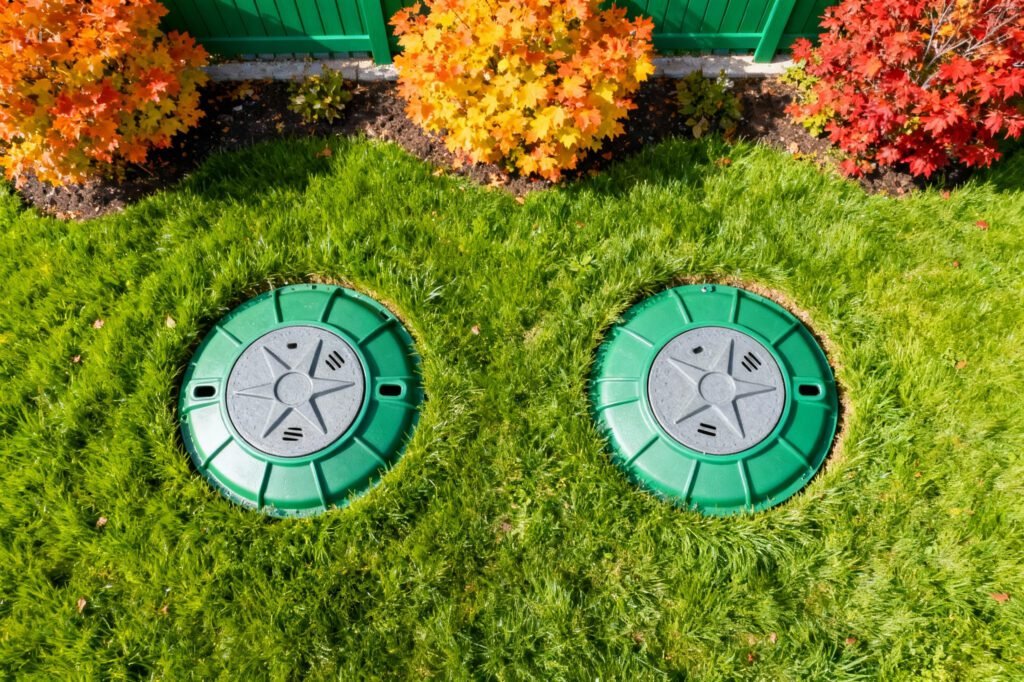
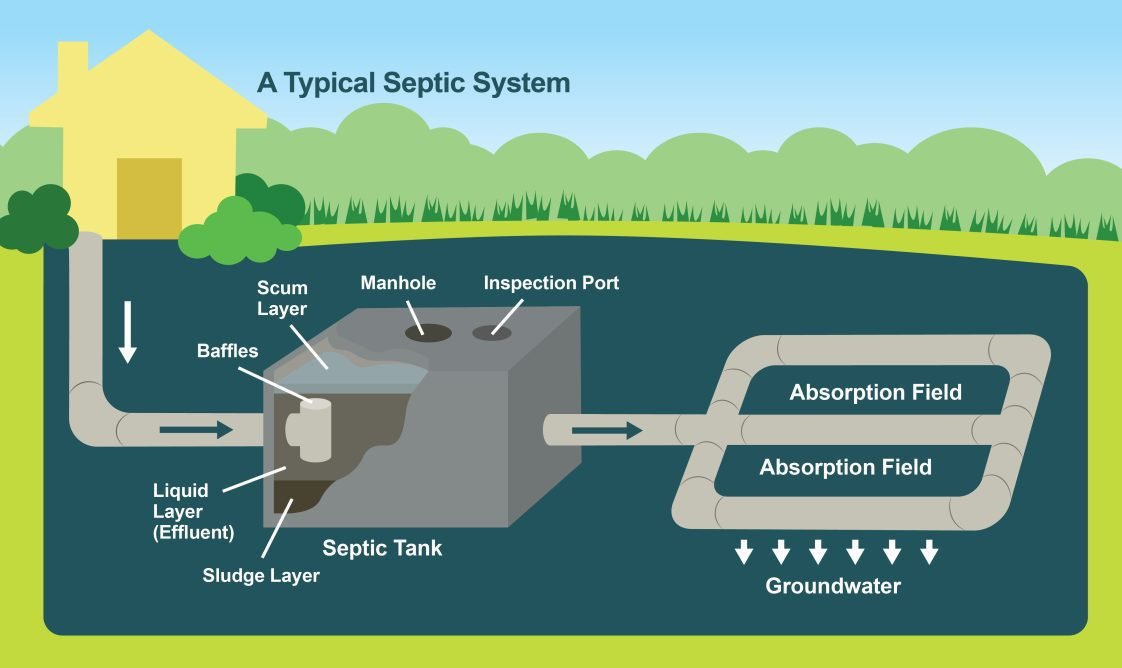
- Locate your septic tank lid and the outlet baffle or riser containing the filter (refer to your system’s diagram or “How to Inspect Your Septic Tank Safely” ).
- Clear any debris or foliage to ensure a safe, open work area.
- Position your bucket nearby and connect your garden hose before starting.
Step-by-Step Guide to Cleaning Your Septic System Filter
- Locate and Access the Septic System Filter
Find your septic tank lid, usually several inches underground. Wearing gloves, carefully remove the lid using a crowbar or appropriate tool. Identify the outlet baffle or riser (the common location for effluent filters). - Remove the Filter Housing Cover Using the correct screwdriver or wrench, unscrew or unclip the housing cover. Lift slowly to avoid unexpected splashes.
- Extract the Septic System Filter
Gently pull the filter straight up, holding it upright to minimize spills. The filter may appear as a perforated basket or cartridge blocking solids from the outlet. - Thoroughly Clean the Filter with a Hose
Use your garden hose’s high-pressure nozzle to spray both sides, dislodging sludge and trapped solids. Do not use chemicals or abrasive tools, as these may damage the filter media or disrupt biological activity (EPA, 2023). - Reinstall the Clean Filter and Secure the Housing
Return the clean filter to its original post, matching its orientation. Firmly replace and tighten the housing cover to prevent leaks or entry of solids. Always double-check that the septic tank lid is properly reseated before finishing.
Verify Success and Perform Quality Control Checks
Confirmation Checklist
- No wastewater leaks from filter housing or tank lid after reassembly.
- Water from indoor plumbing drains normally, without gurgling or backup.
- No new sewage odors in or around the septic tank area.
Monitor and Test System Operation
- Observe for 24 hours after cleaning; check for free drainage and absence of odors (EPA Septic Smart, 2023).
- If problems arise (e.g., slow drains, persistent odors), check for proper filter placement or consider filter replacement.
- For professional assessment, schedule a licensed septic inspection annually.
Troubleshooting Common Problems
- Continued Backups: Confirm filter orientation and housing seal; replace filter if necessary.
- Visible Solids After Cleaning: Consider a filter upgrade or enhanced cleaning schedule.
- Persistent Odors or Slow Drains: May signal deeper blockages or tank issues—contact a licensed septic contractor or see our guide on .
Maintain and Care for Your Septic System
| Task | Frequency | Tips/Details |
|---|---|---|
| Avoid harsh chemicals and grease | Daily | Protects system bacteria and prevents clogs |
| Conserve water usage | Daily | Reduces system stress |
| Visual inspection of access points | Monthly | Look for cracks, odors, or standing water |
| Clean septic system filter | Every 6 months | Spring and Fall recommended |
| Replace filter if damaged | 3-5 years or as needed | Look for cracks, tears, clogs |
Professional Tips and Advanced Options
- Routine Scheduling: Mark your calendar for spring and fall filter cleaning.
- System Upgrades: For older tanks, upgrade to a self-cleaning or higher-capacity effluent filter to reduce maintenance needs.
- Accessory Investments: A filter inspection camera helps assess condition, and a quality hose nozzle ensures effective cleaning.
- Root Prevention: Avoid planting trees near your septic field to prevent root intrusion (National Onsite Wastewater Recycling Association).
- Filter Alarms: Install a filter alarm system for early clog detection and added peace of mind.
Frequently Asked Questions
How often should I clean my septic system filter?
Every six months, ideally in spring and fall, according to EPA and manufacturer recommendations.
Can I use chemical cleaners on the septic filter?
No. Use only water, as chemicals can damage both the filter and beneficial tank bacteria. See EPA guidance.
What if I damage the filter during cleaning?
Replace it immediately. Stock a spare filter to minimize downtime and maintain system protection.
How can I tell if the filter needs replacing?
Look for cracks, torn mesh, persistent clogs, or visible corrosion. Consult a septic professional if in doubt.
Is DIY cleaning safe?
Yes, as long as you use gloves, eye protection, and never enter the tank. If uncertain, hire a licensed septic professional.
Which tools are required?
Gloves, protective eyewear, high-pressure garden hose, screwdriver or wrench (based on your filter housing), and a bucket.
What happens if I neglect filter cleaning?
Clogs, backflow, foul odors, system overflows, and costly repairs can result. Consistent filter maintenance is your best prevention.
External Resources and Expert References
- U.S. Environmental Protection Agency: Septic Systems Overview
- National Onsite Wastewater Recycling Association: Septic System Maintenance
- Centers for Disease Control and Prevention: Septic Systems and Your Health
Related Guides & Further Learning
- How to Inspect Your Septic Tank Safely
- Top Signs Your Septic System Needs Professional Service
- DIY Septic Maintenance Tips for Homeowners
Quick Recap:
Regular, safe septic filter cleaning prevents costly backups and extends system life. Protect yourself with proper gear, avoid chemicals, and clean each spring and fall. If your filter shows damage or cleaning doesn’t resolve issues, consult a septic professional for inspection or replacement. Following these steps means your septic system will keep running cleanly and efficiently for years to come.
Ready to make septic maintenance simple? Bookmark this guide for your next cleaning, explore our related maintenance tips, and consider a professional inspection for full peace of mind.

Leave a Reply