Quick Answer: A septic system junction box is a sealed, waterproof electrical enclosure that connects, organizes, and protects the wiring for pumps, alarms, and timers in a residential septic system. It does not handle wastewater but is essential for electrical safety and code compliance. Modern boxes must be corrosion-resistant and meet local codes for outdoor, wet locations (refer to the National Electrical Code, NEC Article 300.5).
- The junction box manages septic system electrical wiring, ensuring safe, dry connections for pumps and alarms.
- It is distinct from the distribution box, which only handles wastewater flow.
- Proper waterproofing and materials are required for code compliance and reliability.
- Failure or improper installation can result in electrical shorts, outages, or code violations.
- Inspection and maintenance should be carried out with power disconnected, following EPA and NEC standards.
Table of Contents
Ever wondered about the mysterious box near your septic tank with electrical wires running in and out? If you’re a homeowner maintaining a septic system, understanding the difference between a junction box and other system components could prevent costly and potentially dangerous mistakes. In this guide, you’ll learn exactly what a septic system junction box does, how it works, and why keeping it waterproof and code-compliant is essential for safety.
Define a Septic System Junction Box: Core Concept Explained Simply
A septic system junction box is a sealed, waterproof electrical enclosure built specifically for septic systems. Its primary job is to serve as a central hub where all electrical wiring converges and connects—controlling power to pumps, alarms, and timers. Unlike the distribution box (which handles only wastewater), the junction box protects critical wiring against moisture and potential damage within the harsh environment near the septic system.
| Term | Definition |
|---|---|
| Septic System Junction Box | Electrical enclosure that connects and protects wiring for pumps, alarms, and controls in a septic system. |
| Septic System Parts | Septic tank, distribution box, drain field, pumps, alarms, and protective enclosures like the junction box. |
| Septic System Electrical Box | Another name for the junction box, highlighting its electrical function. |
| Distribution Box | Non-electrical; divides wastewater from the tank to the drain field lines. |
Historical Development and Current Context (2026 Update)
Early septic electrical connections were often exposed or protected only by rudimentary boxes. As the industry matured and both the National Electrical Code (NEC) and local codes evolved, dedicated septic system junction boxes became standard equipment. By 2026, boxes are constructed from corrosion-resistant, weatherproof materials with gaskets and advanced seals, meeting EPA guidelines (EPA Septic Systems Guide) and NEC standards for all outdoor or buried electrical connections.
Understand How a Septic System Junction Box Works: Mechanism & Process Flow
The septic system junction box acts as the central meeting point for all electrical lines needed for the septic system. Power enters from the main service panel, and then is distributed by the box through dedicated circuits out to pumps, floats, sensors, alarms, and timers. Inside, wire splices are safely housed to prevent any direct exposure to moisture or soil, reducing risk of shorts or outages.
Inputs, Processes, and Outputs
- Inputs: Electrical power lines from your home’s breaker panel.
- Processes: Collect, direct, and protect wiring splices serving all septic system devices.
- Outputs: Safe, reliable power delivery for septic pumps, alarms, and controls.
Explore Septic System Junction Box Components and Variations
Main Parts and Functions
- Enclosure: Waterproof, UV-stable plastic or coated metal housing all wire splices safely.
- Terminal Blocks/Wire Nuts: Enable secure, code-compliant wire connections inside the box.
- Seals/Gaskets: Ensure a watertight interior to prevent corrosion and shorts.
- Conduit Knockouts: Entry ports for protected wire conduits entering/exiting the box.
Compare Types and Variations
| Type | Primary Material | Best Use Case |
|---|---|---|
| Standard Plastic Box | UV-resistant plastic | Most residential installations |
| Metallic/Corr-Protected Box | Powder-coated steel or aluminum | High-moisture environments or commercial sites |
| Multi-Compartment Box | Plastic/metal hybrid | Complex systems with multiple pumps or alarms |
Advanced models for aerobic or automation-heavy systems may include extra terminal strips or mini circuit boards, streamlining connections for timers, relays, and alarms (see NEC outdoor wiring requirements).
Review Benefits, Practical Applications, and Value
- Electrical Safety: Prevents exposed, unsafe wiring that could shock or short out.
- Reliability: Maintains dry, corrosion-free wire splices vital for uninterrupted system performance.
- Easy Maintenance: Provides a single, accessible spot for inspections and repairs.
Typical applications include residential septic systems, rural wastewater treatment installations, jobsite sanitation setups, and remote utility locations. Anyone maintaining, repairing, or inspecting pumps and alarms in septic systems depends on accessible junction boxes for safe, code-compliant service. Homeowners benefit from easier troubleshooting; licensed installers and inspectors meet regulatory standards.
Consider Limitations and Best Practices
- Physical Access: Boxes installed too deep or without access risers make maintenance difficult and dangerous.
- Material Failure: Low-grade plastic or improperly sealed boxes may fail, risking shorts or electrical fires.
- Incorrect Wiring: Overloaded or incorrectly wired boxes can cause breakers to trip, devices to fail, and may violate code (NEC 300.5).
Alternatives When a Junction Box May Not Be Required
In simple systems where all devices are co-located, waterproof inline connectors or pumps with built-in electrical sections might suffice. This requires careful review of system layout and compliance requirements.
Common Misconceptions Clarified
- Myth: The junction box splits wastewater to the drain field. Reality: Only the distribution box handles effluent distribution.
- Myth: Any outdoor electrical box will work. Reality: Boxes must be listed as waterproof and suitable for septic use per NEC and local code.
- Myth: The junction box houses pumps or alarms. Reality: It only contains the wiring for these components.
Frequently Asked Questions About Septic System Junction Boxes
What is the difference between a septic system junction box and a distribution box?
The junction box is for electrical wiring—powering pumps and alarms—while the distribution box divides wastewater from the septic tank into the drain field. They have separate, unrelated roles; confusing them can lead to improper maintenance or repairs.
Can a septic system junction box be located underground?
Yes, it’s common for these boxes to be buried near septic tanks, but they must be rated for underground use, fully watertight, and accessible for maintenance per local code and EPA recommendations.
How can I identify the septic system electrical box on my property?
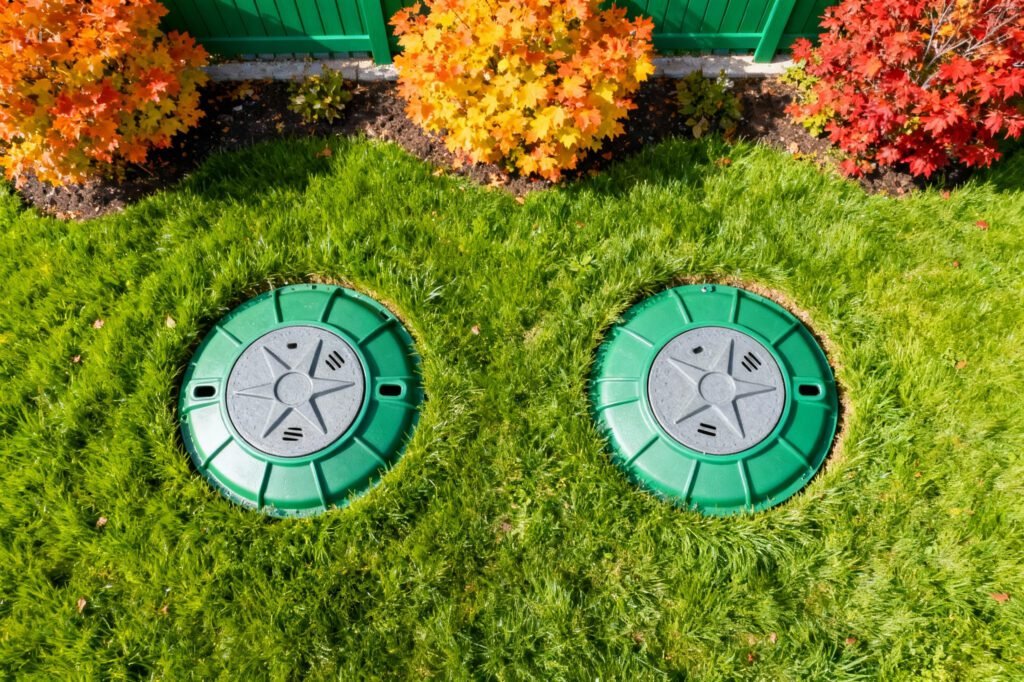
Look for a small, sealed box near the tank, pump chamber, or conduit runs, often labeled or positioned near pump/alarm controls. All wiring transitions for the septic system should go through this enclosure.
What are signs my septic system junction box is failing?
Warning signs include septic pumps not running, nuisance alarms, frequently tripped breakers, or visible corrosion/water inside the box.
Is it safe to open the septic system junction box myself?
Only if you have electrical safety training and the power is fully disconnected. Always restore proper sealing after inspection. Seek a licensed electrician if unsure. For safety, follow EPA and NEC section 110.27 standards.
Why is waterproof sealing important for a septic system junction box?
Waterproof seals keep moisture out, preventing corrosion and shorts. NEC and local codes require this for all buried/outdoor septic system electrical enclosures.
Can I replace a septic system junction box with a regular outdoor electrical box?
No. Only boxes specifically rated as waterproof and for underground or wet-location use—per NEC and local plumbing/electrical codes—can be used for septic systems.
How does a septic system junction box fit into the overall septic system diagram?
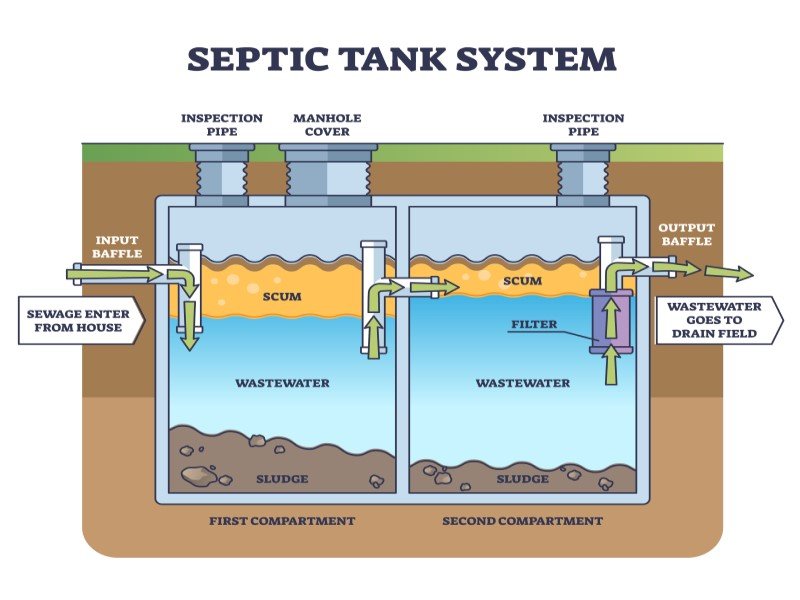
The junction box connects the home’s electrical power to pumps and alarms, generally located near the septic tank or pump chamber, linking electrical function to physical wastewater treatment.
What Does the Septic System Junction Box Do?
- Safely connects and protects electrical wiring for all septic system components.
- Maintains dry, corrosion-free connections for dependable pump and alarm function.
- Required by EPA and NEC for outdoor, buried septic system electrical work.
- Should always be installed and serviced by licensed professionals.
Why Proper Junction Box Setup is Critical
Understanding your septic system junction box can prevent costly and dangerous electrical issues. By ensuring you have the right box—properly sealed, accessible, and up to code—you support the safe, long-term reliability of your entire septic system. For best results, follow EPA guidelines and local codes as of 2026 when installing, inspecting, or replacing these boxes.
Additional Resources
- Septic System Distribution Box: Key Differences Explained
- Septic Pump Maintenance and Electrical Troubleshooting Guide
- How to Read a Septic System Diagram for Homeowners
- Septic System Electrical Safety Best Practices
- EPA – Septic Systems Guide
- National Electrical Code (NEC) – Electrical Safety Requirements
- EPA Onsite Wastewater Treatment Systems Manual (PDF)
Need help diagnosing or upgrading your septic system’s electrical setup?
Contact a licensed septic professional to ensure your junction box meets all safety and code requirements for peace of mind and long-term reliability!

Leave a Reply