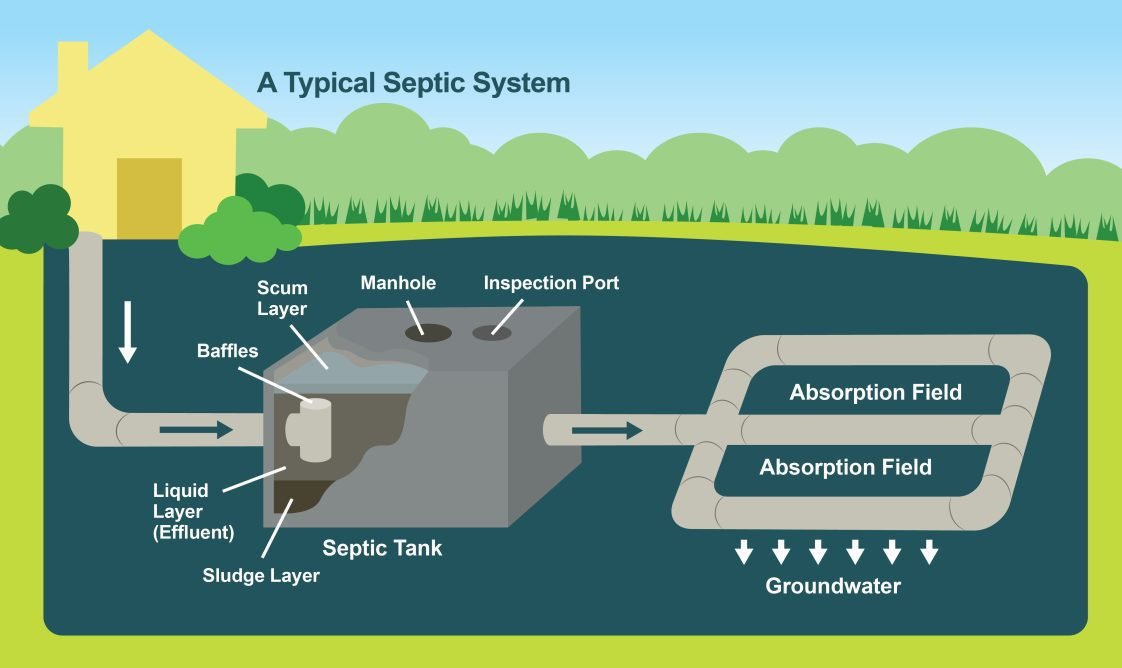
Quick Answer: Composting toilets can significantly reduce or eliminate reliance on traditional septic systems by separating and composting human waste on-site. This solution lowers blackwater volume, reduces water use, and helps prevent common septic system problems, especially for tiny homes, off-grid, or eco-conscious households. For best results, install a composting toilet, divert greywater from sinks and showers to separate treatment or irrigation systems, and follow local health and environmental codes (refer to EPA guidelines for compliance).
- Traditional septic systems often fail due to high blackwater volume, poor soil absorption, or lack of maintenance.
- Composting toilets offer a waterless, sustainable alternative—ideal for tiny homes, off-grid dwellings, or areas with poor soil drainage.
- Integrating a composting toilet with greywater diversion can prolong septic system life or enable septic-free living.
- Step-by-step implementation, regular maintenance, and professional consultation help ensure long-term sanitation and compliance.
- Always check local regulations and use certified professionals for advanced systems or complex modifications.
Table of Contents
Are you struggling with septic backups, costly maintenance, or water limits in your off-grid or small home lifestyle? Many eco-warriors, tiny home owners, and rural residents face this challenge. Conventional septic systems are designed for larger homes and higher water usage, which can quickly overwhelm small-scale setups. This guide will help you understand the risks, root causes, and sustainable solutions—so you can confidently transition to composting toilets with or instead of a septic system.
Identify Septic System Issues Affecting Your Home
Septic system problems are common in alternative living and water-conscious households. According to the EPA Septic Systems Guide, more than 10% of tiny homes rely on standard septic systems, but many experience premature failures and frequent maintenance issues. Recognizing why these systems underperform helps you select the smartest alternative.
Primary Causes of Septic System Stress
- Excessive Blackwater Volume: Standard flush toilets add large waste and water loads.
- Inadequate Soil Absorption: Poor drainage or high groundwater impedes proper effluent treatment.
- Water-Intensive Fixtures: Traditional plumbing sends unnecessary water into septic tanks, overwhelming capacity.
- Small Lot & Space Constraints: Tiny homes or cabins may have undersized septic systems.
- Lack of Maintenance & Overuse: Infrequent pumping and system overload reduce lifespan.
Contributing Factors That Worsen Problems
- Use of chemical cleaners that kill essential bacteria
- Flushing non-biodegradable items
- Shared or community septic systems with unpredictable load
- Flood-prone or high-rainfall zones saturate drain fields
Quick Self-Assessment: Do You Have a Septic System Problem?
- Is your septic tank needing pumping more than every 2–3 years?
- Do you experience slow drains, backups, or overflows?
- Is there standing water or foul odor around your drain field?
- Are you using conventional flush toilets (vs. composting)?
- Does your property have water table or drainage challenges?
If you answered “yes” to more than two, your system may be overloaded or at risk—consider exploring composting alternatives.
Pinpoint the Root Cause
Use a diagnostic flowchart or checklist to identify if your main challenge is high waste volume, soil absorption limits, or deferred maintenance. This helps prioritize the most effective solution pathway.
Choose and Apply the Right Solution: A Tiered Wastewater Strategy
Tier 1: Emergency Fixes for Immediate Relief
- Limit toilet flushes; use manual bucket flush to cut volume
- Switch temporarily to portable composting toilets to reduce septic load
- Avoid harsh chemicals and minimize new water entering the system
Tier 2: Medium-Term, DIY-Friendly Strategies
- Install a composting toilet that fits your space and user needs
- Diversify plumbing: divert greywater (from sinks, showers) to irrigation or safe disposal
- Upgrade or engineer drainage fields if possible
Tier 3: Long-Term & Professional Solutions
- Fully transition to composting toilets and advanced greywater filtration or treatment
- Install modern, low-flow septic or alternative on-site systems designed for minimal water use
- Schedule regular professional inspections and maintenance contracts
Step-by-Step Guides for Composting and Greywater Solutions
Install a Composting Toilet: Detailed Instructions
- Select a composting toilet model (electric/non-electric) appropriate for your living situation and expected usage.
- Prepare the installation site with necessary space and ventilation access. For off-grid setups, confirm proximity to major living areas but away from moisture sources.
- Follow the manufacturer’s guidelines for mounting, venting, and (if applicable) urine diversion plumbing.
- Begin operation with proper carbon bulking agents such as sawdust or coconut coir to balance moisture and odor.
- Monitor composting chamber regularly; empty and manage compost safely based on usage levels (typically every 1-3 months for full-time use).
Set Up a Greywater Diversion System
- Identify all greywater sources (e.g., kitchen sinks, bathroom sinks, showers).
- Install additional plumbing to reroute greywater away from the septic tank, leading it to a designated filter, mulch basin, or irrigation area as permitted by health codes.
- Modify your septic connection to accept only toilet waste if a hybrid system is retained.
- Switch to plant-friendly, biodegradable soaps to protect soil and plants in irrigation areas.
- Inspect and maintain plumbing for leaks and blockages at least quarterly.
Professional Off-Grid Septic System Installation: What to Expect
| Step | Description |
|---|---|
| Initial Consultation | Professional evaluates land, water use, and existing infrastructure |
| Design | Custom system with composting toilets, greywater lines, and drain field sizing per code |
| Permitting | Secures required health and building permits (per EPA and local codes) |
| Installation & Testing | Installs components, educates user on function and maintenance; tests for leaks and safety |
| Post-Installation Support | Offers follow-up service, troubleshooting, and ongoing maintenance |
Prevent Future Problems: Maintenance and Best Practices
Daily and Weekly Habits
- Always use composting toilets or low-flow fixtures
- Don’t flush wet wipes, plastics, or chemicals
- Promptly report and repair leaks or unusual odors
Monthly/Quarterly Tasks
- Check composting toilet ventilation, moisture, and capacity
- Clean greywater filters; inspect distribution system for blockages
- Examine tank access and drain field for pooling or odor
Monitor Early Warning Signs
- Note any slow draining or backups in plumbing
- Check for wet patches or odor around septic/greywater areas
- Set reminders to inspect these areas monthly
Environment & Usage Changes
- Landscape with drought-tolerant plants; avoid overwatering near septic areas
- Promote water-saving behaviors: short showers, full loads of laundry, turning off taps
- Upgrade all fixtures to low-flow models
Cost Comparison: DIY vs. Professional Septic Alternatives
| Item/Service | DIY Cost | Professional Cost | Ongoing Costs |
|---|---|---|---|
| Composting Toilet Unit | $700–$2,000 | $3,000–$8,000 (with professional install) | Periodic bulking agents ($20–$60/year) |
| Greywater Plumbing Materials | $200–$800 | $5,000–$15,000 (engineered systems) | Filter cleaning/replacement ($40–$100/year) |
| Tools, Supplies | $100–$300 | Included in professional estimate | — |
| Labor/Time Investment | 20–40 hours | — | Annual maintenance: $150–$500 |
Tip: Always confirm warranty and code requirements. Use licensed installers for professional work to ensure compliance and eligibility for insurance coverage.
Verify Success: Quality Assurance After Upgrading
Confirm Problem Resolution
- No backups or sewage odors present
- Composting toilet works with no excess moisture or smell
- Greywater dispersal area stays dry and odor-free
Test & Validate System Performance
- Dye tests to confirm greywater isn’t mixing back into septic or blackwater lines
- Measure compost bin fill rate and quality
- Schedule professional inspection every 6–12 months initially (see EPA guidelines)
Establish a Maintenance Schedule
- Monthly: Compost bin moisture/odor checks and vent cleaning
- Quarterly: Inspect greywater flow and filter condition
- Septic or compost system: Fully empty or pump as needed (usually every 2–4 years)
When to Call a Professional: Escalate Early for Best Outcomes
Signs It’s Time for Expert Help
- Raw sewage backups into the home
- Persistent sewage odor after DIY fixes
- Standing water or ground collapse near septic/greywater area
- Visible cracks or leaks in tanks or plumbing
Find and Vet a Qualified Septic or Wastewater Contractor
- Search for certified local wastewater professionals experienced in composting and alternative systems
- Request proof of licensing, insurance, and past client reviews
- Ask for specific project examples matched to your needs
Questions to Ask Before Hiring
- How many composting/septic alternative installations have you completed?
- Can you provide references from recent jobs?
- Will you handle permitting and official inspections?
- What maintenance or support do you offer post-install?
- Are warranties included for parts and labor?
Frequently Asked Questions
How do composting toilets reduce septic system load?
Composting toilets prevent blackwater waste from entering the septic system. They use aerobic decomposition to safely process human waste on-site, reducing the number of flushes and overall water load, which in turn eases the burden on your septic tank and extends its lifespan.
Can I use a composting toilet alongside my existing septic system?
Yes. Many users keep the septic system solely for greywater (from sinks and showers), while the composting toilet manages blackwater. This arrangement minimizes the waste sent to your septic tank and can help avoid overloading or premature failure.
What is an off-grid septic system?
An off-grid septic system is independent of municipal sewer infrastructure. It often combines composting toilets, on-site greywater diversion, and natural filtration to recycle or safely disperse household wastewater.
Are composting toilets practical for tiny homes?
Absolutely! Composting toilets are space-saving, waterless, and don’t require complex plumbing—making them a top choice for tiny homes, RVs, cabins, and even boats.
How often do composting toilets need maintenance?
Most require bulking agent addition (e.g., sawdust) after each use and bin emptying every 1–3 months, depending on usage. Always follow manufacturer instructions for optimal odor and moisture control.
Will composting toilets lower my water bill?
Yes. Composting toilets use little to no water for operation, resulting in significantly lower household water consumption and utility bills.
Can composting toilets handle high usage?
Some models are rated for higher occupancy (electric or continuous composting designs). For frequent/large groups, consider scaling with more than one unit or choosing a larger capacity system.
What environmental benefits do septic alternatives offer?
They conserve water, reduce pollution risks, lower stress on natural soil and groundwater systems, and often generate usable compost for landscaping—advancing sustainability and self-sufficiency.
Is professional installation necessary?
DIY installation is possible for many composting toilet models. However, integrating with home plumbing, re-routing greywater, or upgrading septic systems may require professional expertise for code compliance and safe operation.
How should I handle greywater after switching to a composting toilet?
Install a greywater diversion system to route sink and shower water to filters or irrigated landscape areas. Check with your regional health department, as some locations have specific requirements for greywater dispersal.
Key Takeaways
Switching to composting toilets, with or without a traditional septic system, is a proven way to make off-grid or tiny-home living easier, more sustainable, and less costly. By reducing blackwater volume and separately treating greywater, households prevent septic overload, save water, and protect local ecosystems.
- Address root causes before they escalate—using composting toilets and greywater diversion enables lasting solutions.
- Regular maintenance and monitoring are critical for preventing repairs and upholding legal/environmental standards. Reference EPA and NSF guidelines for safe alternative systems.
- Professional help may be needed for custom builds, larger systems, or troubleshooting persistent problems.
- Always check local codes and manufacturer recommendations before making system changes.
Learn more from free resources: U.S. EPA Septic Systems, National Small Flows Clearinghouse, and The Tiny Life’s Composting Toilet Guide.
How to Maintain Your Septic System Year-Round |
Off-Grid Water Systems for Sustainable Homes |
Tiny Home Plumbing and Waste Solutions |
Greywater Recycling Techniques |
Find Certified Wastewater Professionals
Ready for worry-free, sustainable sanitation? Contact a certified professional to assess your home’s needs and take the next step toward an eco-friendly composting toilet or off-grid septic solution!

Leave a Reply