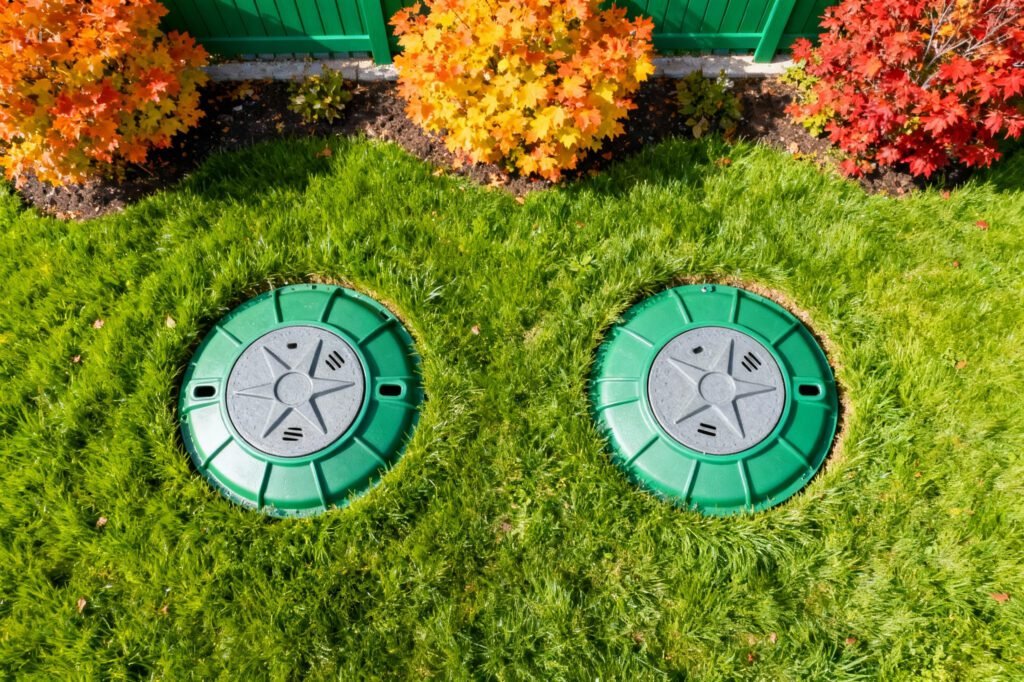
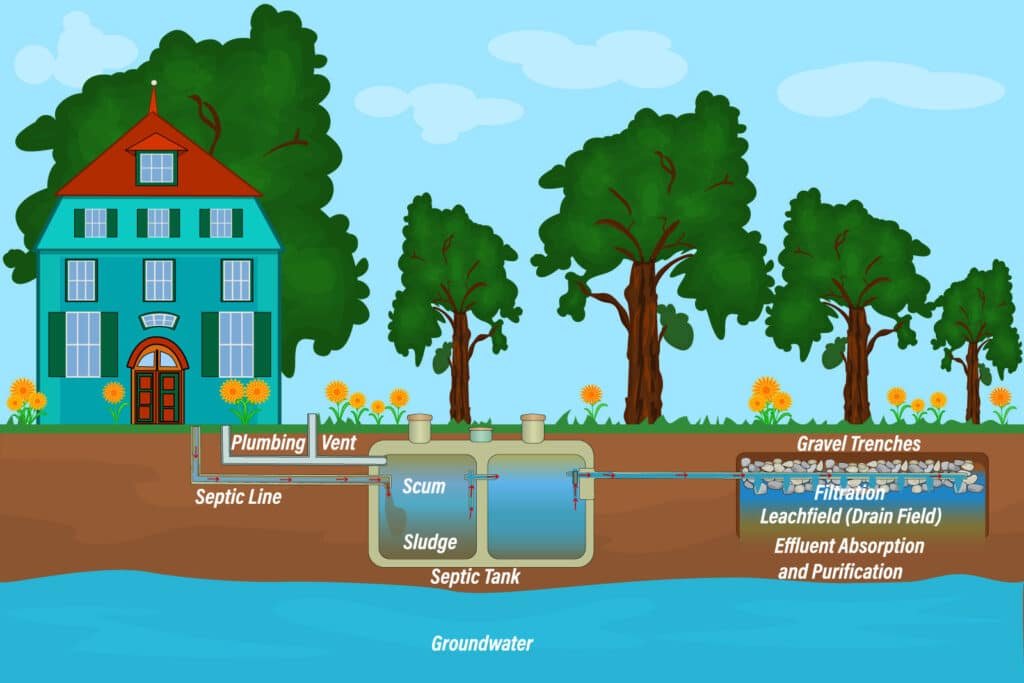
Quick Answer: A septic system is an underground, onsite wastewater treatment solution—most often used in areas without access to municipal sewers. It collects and treats household sewage through natural bacterial processes, then safely disperses the treated water into the soil. To operate safely and last 20–40 years, follow proper design, permit, installation, and maintenance practices as specified by the EPA and local health authorities. Never attempt to pump or repair a septic tank yourself—always hire a licensed professional to avoid legal and health risks.
- Septic systems provide essential onsite wastewater treatment for homes without city sewer access.
- Proper design, professional installation, and routine maintenance are critical for longevity and safe operation.
- The main system types include gravity, pressure, aerobic, mound, and sand filter systems, each suited for specific conditions.
- Regulations and requirements vary by region—consult official guidelines for compliance.
- Ignoring septic system care can lead to costly repairs, property damage, and environmental harm.
Table of Contents
Ever wondered what keeps your home’s wastewater system running safely—especially if you’re not connected to a city sewer? Septic systems are the unsung heroes in millions of properties, protecting both your household and the environment. Whether you’re a new homeowner or just looking to care for your existing system, understanding the basics will save you money, headaches, and help you stay compliant with regulations.
Understand the Septic System: Definition, Importance, and Evolution
Clarify What a Septic System Is and Why It Matters
A septic system is an underground wastewater treatment structure, commonly used in rural or suburban areas without centralized sewage infrastructure. It processes and treats household sewage using natural biological and physical methods, then safely disperses the treated water back into the soil. By managing waste onsite, septic systems are essential for preserving local water quality, safeguarding public health, and offering property owners an independent solution.
Trace the Historical Context and Modern Evolution
Septic systems have significantly evolved from early cesspools into scientifically engineered solutions with sophisticated components. Since the 1950s, advancements prompted by environmental regulations and population increases (see EPA Septic System Manual, updated 2026) have led to systems with enhanced filtration, smart sensors, and safety alarms. Today, eco-friendly materials, real-time monitoring, and advanced treatment processes are the norm, further reducing failure risks and environmental impacts.
Follow the Three Pillars of Septic Success: Design, Installation, and Maintenance
- Design: Must align with specific property conditions (soil, topography, wastewater volume) and comply with local codes.
- Installation: Should be completed by licensed professionals who ensure placement and connections meet required standards.
- Maintenance: Routine inspections and pumping (per EPA and CDC, every 3–5 years) are essential for sustained performance.
A weakness in any one of these pillars can jeopardize your entire septic system’s effectiveness.
Compare Main Septic System Types with Visual References
Identify Key Models with Distinct Features
- Conventional Gravity: Relies on the natural slope to carry effluent from the tank to the drain (leach) field; best for deep, absorbent soils.
- Pressure Distribution: Uses pumps to distribute effluent evenly in areas with uneven ground or shallow soil.
- Aerobic Treatment Units (ATUs): Add oxygen to break down waste more thoroughly—ideal for properties needing higher treatment standards or limited by poor soil.
- Mound Systems: Elevated sand and gravel mounds act as drain fields for sites with shallow water tables or bedrock.
- Sand Filter Systems: Effluent passes through a sand bed to increase filtration, suitable for sensitive or space-limited sites.
| System Type | How It Works | Best Use Cases |
|---|---|---|
| Gravity | Flows naturally from tank to soil | Homes with permeable soil, gentle slope |
| Pressure | Pumped effluent to distribute evenly | Sloped lots, shallow soils |
| ATU | Injects air for aerobic bacteria | Stringent standards, poor soils |
| Mound | Elevated sand mound filters | High water table, bedrock close to surface |
| Sand Filter | Effluent filtered through sand bed | Environmentally sensitive, space constrained |
Recognize Scale Variations: Residential vs. Commercial Systems
Most homeowners have compact systems processing under 1,000 gallons per day. By contrast, commercial/multi-family systems—serving several buildings—use larger, multipart designs with additional tanks, pumps, and expanded drain fields. Scale influences initial costs, required expertise, and regulatory review.
Adjust for Regional and Climate-Based Needs
Soil composition, groundwater levels, rainfall, and seasonal temperature shifts all impact suitable system selection and longevity. For instance, in cold climates, tanks may require insulation to prevent freezing, while in arid regions, advanced filtration conserves precious groundwater resources. Always reference local environmental agency guidelines for detailed recommendations.
Master the Septic System Lifecycle: From Planning to Renewal
Phase 1: Site Assessment and Design Planning
Start by conducting a soil (percolation) test, estimating wastewater output, and securing all necessary permits based on local and EPA requirements (see EPA resource).
Phase 2: System Installation
Hire licensed contractors to build and install per blueprints. Verify trench depth, tank placement, pipe connections, and backfill methods. Authorities typically inspect before backfilling to ensure code compliance.
Phase 3: Day-to-Day Operation and Maintenance
Pump tanks every 3–5 years; monitor for foul odors, wet spots, or slow drains; avoid overloading system with excess water or chemicals. Implement a tracking log for all service events (see FAQ below).
Phase 4: System Upgrades and Scaling
As your household grows or needs change, you may need to upgrade pumps, controls, or expand fields. Consult professionals if considering additions or renovations impacting system load.
Phase 5: Renewal or Full Replacement
Most tanks and drain fields last 20–40 years. Replacement may involve decommissioning old systems and upgrading to modern standards. Always pull permits and comply with EPA/local requirements.
Clarify Stakeholder Roles and Best Communication Practices
Know the Key Players
- Homeowner: Inspect, maintain, and use system responsibly; keep documentation.
- Licensed Septic Contractors: Design, install, service, and repair systems.
- Local Health and Building Departments: Inspect, issue permits, and enforce code compliance (see local health department guidance).
- Environmental Agencies: Set discharge limits, conduct groundwater monitoring, and publish standards (EPA, state agencies).
Establish Recordkeeping and Communication Protocols
Keep a dedicated file with your system diagram, permits, pumping dates, inspection reports, and repair/service records. Use digital platforms or dedicated maintenance apps for reminders and reporting. Always communicate early with professionals if problems arise.
Comply with Regulatory and Safety Requirements
Federal rules (Clean Water Act), state regs, and local health ordinances all impact septic system installation and use. Find authoritative information on the EPA Septic System portal and your local health department website for current compliance standards.
Leverage Tools and Modern Performance Tracking
Adopt Essential Tools and Technology
- Inspection cameras to check tank and pipe interiors.
- Soil percolation testers for site evaluation.
- Electronic sensors and alarms for effluent levels, pump status, and flow rates.
- Maintenance scheduling and recordkeeping apps.
Monitor KPIs and System Metrics
- Effluent clarity: Should be clear and nearly odorless.
- Hydraulic loading vs. design limit: Avoid exceeding your system’s rated daily capacity.
- Pumping frequency: Track tank cleanings to anticipate and reduce breakdowns.
- Alarm events: Record any instance of backup, overflow, or failure alarms.
Visual dashboards (offered by many monitoring systems) help homeowners and service professionals identify trends and time maintenance effectively.
Utilize Data for Proactive Decisions
Performance history enables prevention and early intervention, such as scheduling maintenance before a problem becomes critical or planning system upgrades for increased household needs.
Analyze System Options and Make Smart Choices
Compare Options: At-a-Glance Decision Matrix
| Option | Best For Scenario | Advantages | Limitations | Cost Range | Skill Required |
|---|---|---|---|---|---|
| Conventional Gravity | Standard residential lots | Simple, affordable | Requires favorable soil | $3,000–$7,000 | Basic plumbing knowledge |
| Pressure Distribution | Irregular or sloped terrain | Uniform effluent distribution | Needs electricity/pumps | $5,000–$10,000 | Moderate technical skill |
| Aerobic Treatment Unit | Stricter regulations or poor soils | Superior treatment quality | Higher install/maintenance cost | $7,000–$15,000 | Advanced system knowledge |
| Mound System | Shallow/poor native soil | Works in tough sites | Broad area, complex setup | $10,000–$20,000 | Specialist required |
| Sand Filter | Environmental protection priority | Great filtration | Needs more area, upkeeping | $8,000–$18,000 | Skilled operation |
Assess and Minimize Risks
- System Overload: Ensure daily flow does not exceed design capacity.
- Poor Maintenance: Schedule professional pumping and inspections.
- Contamination: Never drive or dig over drain fields; use only approved waste items.
- Site-Appropriate Choices: Match system types to your soil, household needs, and regional regulations.
Stay Ahead with Future Innovations
Beginning in 2026, expect more smart systems with real-time analytics, mobile app controls, enhanced biological treatment, and sustainable zero-discharge models (see EPA and NSF innovation reports). Advanced biodegradables, remote inspections, and self-learning diagnostics will make maintenance easier and reduce emergency failures.
Follow a Proven Septic System Setup and Care Checklist
Your Step-by-Step Actionable Roadmap
- Schedule site evaluation and soil/percolation testing with a licensed professional.
- Apply for relevant permits and approvals with your local health/environmental department.
- Choose the system type that fits your site, climate, and usage requirements.
- Hire a qualified contractor for installation (never DIY for health and compliance reasons).
- Set up a maintenance schedule, including tank pumping and annual inspections.
- Educate everyone in your household about septic-safe usage policies.
- Keep all documentation, from installation to maintenance logs, in one accessible file.
Avoid These Costly Mistakes
- Ignoring early warning signs like sewage odors, slow drains, or pooling water over the drain field.
- Poor waste disposal habits (grease, wipes, chemicals, non-biodegradables in the system).
- Inconsistent maintenance—skipping routine pumping is a leading cause of system failure.
- Planting trees or driving heavy vehicles over the drain field or tank site.
Choose Your Next Steps
- Read our septic tank pumping guide.
- Review regional adaptation advice.
- Explore diagnostics and troubleshooting articles.
- Explore advanced maintenance strategies.
- See how to select a new system for your site.
Reference Materials and Authoritative Sources
Key Takeaways:
- Septic systems are essential for many homes, and their reliable operation depends on thoughtful design, expert installation, and diligent maintenance.
- Following EPA and state/local regulations is crucial for safety, legal compliance, and environmental stewardship.
- Regular professional maintenance, monitoring, and documentation prevent failures and protect both health and property value.
- Advances in technology provide new ways to monitor and optimize your system, extending its lifespan and reducing unexpected costs.
Glossary of Key Septic System Terms
- Effluent: The clarified liquid wastewater leaving the septic tank.
- Leach Field: The soil area (also called drain field) that diffuses treated effluent into the ground.
- Aerobic Treatment Unit (ATU): A system enhancement that injects air to aid bacterial breakdown of waste.
- Percolation Test (Perc Test): A soil test measuring how quickly water drains through soil.
- Hydraulic Loading: The total wastewater volume entering the system over time.
Frequently Asked Questions
What is the average lifespan of a septic system?
Most professionally maintained systems last 20 to 40 years, per EPA guidelines; environmental conditions and usage impact longevity.
How often should a septic tank be pumped?
Every 3 to 5 years, or sooner if you notice signs of trouble—frequency depends on tank size, household size, and waste volume (EPA recommendation, 2023).
Can I use my septic system during a power outage?
Gravity-fed systems continue working; however, pumped or aerobic systems won’t operate, so reduce water use until power returns.
What early warning signs of trouble should I watch for?
Slow drains, foul odors, wet patches over the drain field, and wastewater backups indicate a need for immediate inspection.
Is it safe to plant trees near my septic tank or drain field?
No—tree roots can damage tanks and pipes. Keep trees and large shrubs at least 20 feet away from any system components (NSF standard 2022).
How do I protect my septic system during heavy rain or flooding?
Divert surface water away from drain fields, avoid driving or parking on the system, and schedule a professional inspection after severe weather.
Are chemical additives safe or recommended?
No—most authorities advise against additives, which can disrupt natural bacterial activity and cause system failure (per EPA and CDC).
Who do I contact if I suspect a septic system problem?
Hire a licensed septic contractor or consult your local environmental health department for emergency guidance. Never enter or attempt repairs yourself due to toxic gas and collapse hazards.
Further Reading and Official Resources
- U.S. Environmental Protection Agency (EPA) Septic Systems Guide
- National Environmental Services Center — Septic System Basics
- Centers for Disease Control and Prevention (CDC) — Septic System Maintenance
Ready to protect your investment and stay septic-safe? Explore our step-by-step maintenance guides, printable checklists, and expert resources—start mastering your septic system care today!

Leave a Reply