Quick Answer: The septic tank is the central component of your septic system, designed to separate solids from wastewater before it reaches the drain field. For optimal function, ensure your tank is professionally inspected annually, pumped every 3–5 years, and never attempt repairs or pumping yourself—always work with a licensed septic professional (per EPA guidelines: https://www.epa.gov/septic).
- The septic tank separates solids, scum, and liquid effluent to prevent drain field clogs.
- Anaerobic bacteria inside the tank help break down organic waste.
- Regular maintenance and proper use extend your septic system’s life.
- Periodic inspections and pumping mitigate failure risks.
- Never introduce non-biodegradable or hazardous substances into your system.
Table of Contents
Are you aware that neglecting your septic tank can lead to expensive failures and even environmental hazards? Many homeowners overlook the hidden importance of the septic tank—the workhorse quietly processing all household wastewater. By understanding how this underground system works, you can prevent common problems, save money, and ensure healthy home wastewater management for years to come.
Identify Septic Tank Components and Their Functions
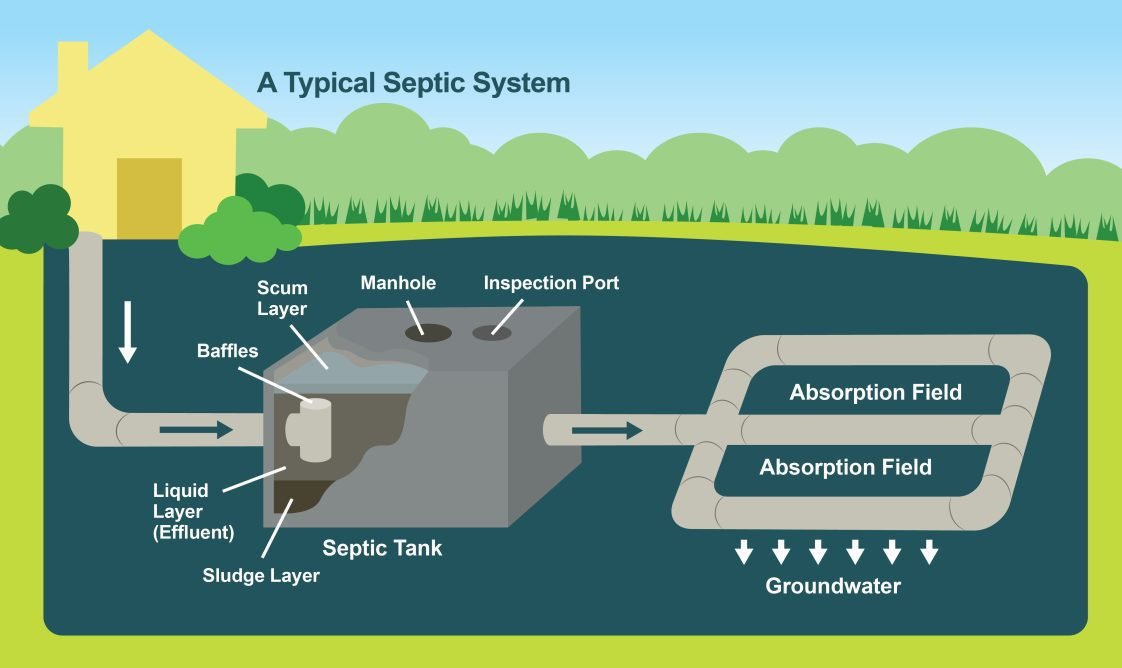
A septic tank is a watertight underground vessel made from concrete, fiberglass, or polyethylene (EPA, 2023). Its essential parts include:
- Inlet Pipe: Convey wastewater from the household.
- Baffles or Tees: Control flow and keep solids contained within the tank.
- Main Tank Chamber: Area for solids to settle and bacterial digestion to occur.
- Outlet Pipe: Directs liquid (effluent) to the drain field.
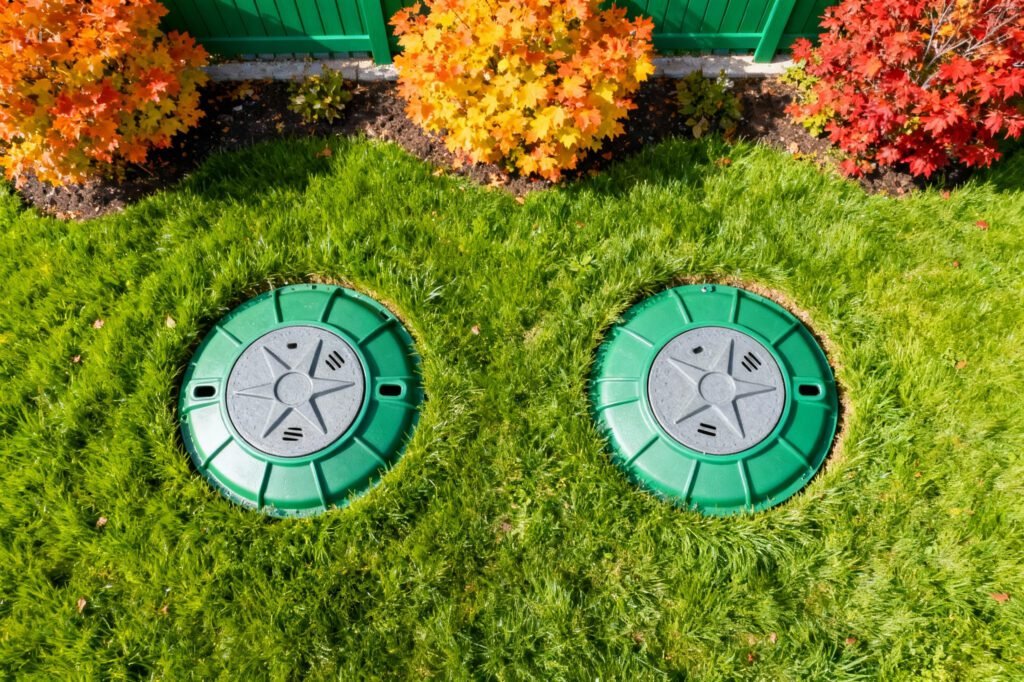
- Access Ports: Allow inspection and pumping.
| Component | Material | Purpose |
|---|---|---|
| Inlet/Outlet Pipe | PVC/ABS | Connects system; effluent flow |
| Baffles/Tees | Concrete/PVC | Directs flow and retains solids |
| Tank Chamber | Concrete/Fiberglass/Polyethylene | Holds and treats waste |
| Access Ports | PVC/Plastic | Enables maintenance |
Explain Septic Tank Operation Within the System
- Wastewater enters through the inlet pipe from household plumbing.
- Solids settle at the tank bottom as sludge, while oily scum floats on top.
- Anaerobic bacteria digest organic material, reducing solid volume.
- Clear effluent leaves via the outlet pipe to the drain field, where further treatment occurs.
Proper baffle placement prevents floating solids from exiting the tank—crucial for keeping your drain field clog-free and functioning as designed (EPA Onsite Wastewater Treatment Systems Manual, EPA/625/R-00/008).
Apply Real-World Septic Tank Scenarios
Regular Household Operation
For most families, the septic tank processes wastewater from all daily activities—showers, toilets, laundry—24/7. Consistent, moderate water flow allows proper solids settling and efficient bacterial action, minimizing build-up.
Handling High-Flow Events
During parties or gatherings, sudden excess water can stir up solids, risking passage to the drain field. Avoid heavy concurrent water use to preserve optimal tank function.
Specialized/High Capacity Systems
In rural or agricultural applications, larger tanks or segmented chambers may be needed to meet local health department sizing standards and to handle increased or specialized organic loads (see NOWRA guidelines, 2023).
Install a Septic Tank: Step-by-Step Guide
- Site Evaluation: Assess home location, code compliance, and optimal drainage slopes.
- Select Tank: Match tank size to estimated daily wastewater volume (e.g., 1,000 gallons for a 3-bedroom home).
- Excavate Site: Dig to specified depth with allowance for tank size and piping slope.
- Install Tank: Place tank level, connect inlet/outlet pipes, and confirm connections with water tests.
- Add and Adjust Baffles: Place baffles to manufacturer and code specification.
- Test the System: Fill with water, check for leaks, and verify proper outlet function.
- Backfill and Cover: Backfill carefully, add risers if required, and place access lids for future maintenance.
Required Tools:
- Backhoe or excavator
- Measuring tape and level
- PVC pipes/fittings
- Septic tank (material per local codes)
- Pipe wrenches, sealants
- Personal protective equipment
| Milestone | Estimated Time |
|---|---|
| Planning & Permitting | 1–2 weeks |
| Excavation & Installation | 1–3 days |
| System Testing & Backfill | 1 day |
| Final Inspection | Within 1 week of install |
Connect the Septic Tank to Other System Components
Drain Field Performance
A properly working septic tank directly influences the performance and longevity of the drain field. Solids or scum escaping through a damaged outlet or missing baffles will clog the soil pores—a leading cause of system failure. Learn more about designing a durable drain field.
Maintenance Protocols
Adhering to a maintenance plan—especially regular pumping every 3–5 years—protects the entire onsite wastewater system. Explore our step-by-step maintenance guide for details.
Efficiency Optimization Tips
- Spread laundry loads throughout the week.
- Redirect roof and foundation water away from the tank area.
- Never pour oils, grease, or non-biodegradable items down the drain.
- Schedule qualified service for baffle inspection.
- Install risers for convenient access to ports and lids.
Troubleshoot Septic Tank Issues Confidently
Common Warning Signs
- Slow Draining Fixtures: Possible sludge build-up inside the tank or pipe obstructions.
- Persistent Odors: Could indicate tank cracks or ventilation problems.
- Sewage on Lawn Surface: Drain field blockage or tank overflow.
- Strange Vegetation/Algae: Excess effluent surfacing due to malfunction.
Problem Resolution Table
| Symptom | Likely Cause | Recommended Action |
|---|---|---|
| Slow drains | Sludge/scum build-up | Schedule tank pumping |
| Odor near tank | Leak or poor venting | Call licensed pro; inspect/repair |
| Sewage surfacing | Outlet blocked/field failure | Professional evaluation needed |
| Broken baffles | Baffle damage or aging | Baffle repair/replacement |
When to Contact a Professional
Never attempt to pump or repair a septic tank yourself—in most jurisdictions, this is illegal and dangerous due to toxic gases (EPA, 2023). If you notice persistent odors, backups, or system damage, contact a certified septic service professional immediately.
Schedule and Follow Maintenance Best Practices
| Task | Frequency |
|---|---|
| Monitor water/chemical use | Daily/Weekly |
| Inspect access ports & cleanouts | Monthly/Quarterly |
| Professional inspection & baffle check | Annually |
| Pump tank (per code/species size) | Every 3–5 years |
Adhering to a maintenance schedule reduces risk of failure, unpleasant backups, and expensive repairs (CDC Septic System Maintenance Tips, 2022). Download our maintenance checklist for a convenient reminder system.
Key Takeaways
Your septic tank safeguards your home and environment by managing solid and liquid separation before wastewater enters the drain field. Routine inspection, mindful usage, and regular professional pumping are the keys to avoiding costly repairs and maintaining compliance with EPA and local health codes. For more technical background or to optimize your entire system, see our Septic System Basics guide. Download our maintenance checklist to ensure your septic tank keeps working for decades to come!
Ready to protect your septic system?Download the “Septic Tank Maintenance Checklist” PDF
Frequently Asked Questions
What is the main function of a septic tank in a septic system?
The septic tank separates solid waste and scum from liquid wastewater, allowing anaerobic bacteria to break down and reduce solids. Only the liquid (effluent) passes to the drain field for further treatment.
How often should a septic tank be pumped?
Septic tanks should be pumped by a licensed professional every 3–5 years, depending on tank size, household occupancy, and water usage.
What materials are septic tanks made from?
Most septic tanks are constructed from concrete, fiberglass, or polyethylene. Material selection depends on local soil conditions, regulations, and durability needs.
Can I use additives to maintain my septic tank?
No. According to the EPA and most health departments, additives can interfere with bacterial digestion or harm tank components. Stick to regular pumping and inspection instead.
How does the septic tank protect the drain field?
By trapping solids and only allowing pre-treated liquid to pass, the septic tank shields the drain field from clogs and system overload—extending the entire system’s lifespan.
What are the signs of septic tank failure?
Warning signs include slow drains, sewage odors in the yard, wastewater backups inside the house, and standing water over the septic tank or drain field.
How can I prevent septic tank damage?
Never flush solids or pour grease/chemicals into the system. Protect access lids from vehicles, stick to a maintenance schedule, and arrange for pumping by licensed professionals.

Leave a Reply