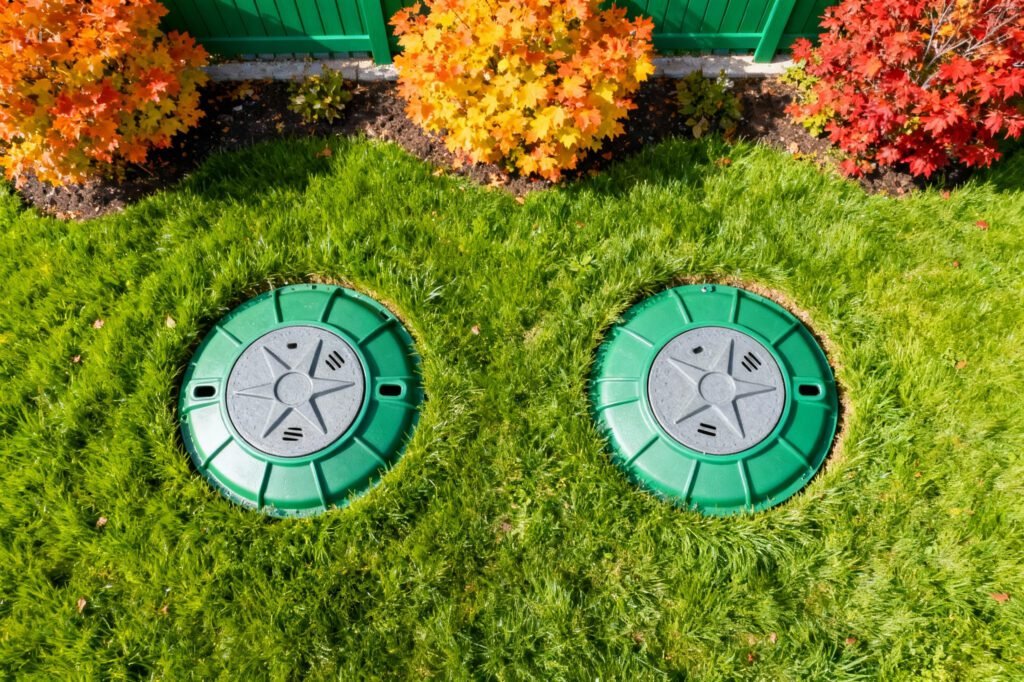
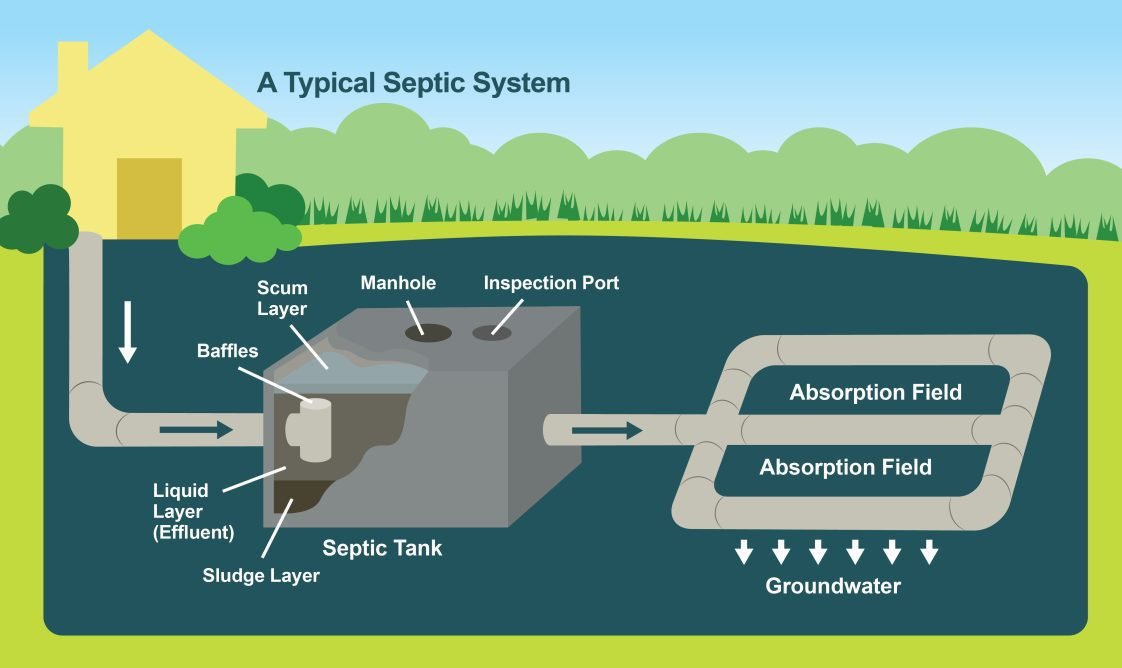
An aerobic septic system uses a mechanical aerator to push oxygen into wastewater, allowing aerobic septic bacteria to break down contaminants far more thoroughly than conventional systems. The result is cleaner effluent, better environmental compliance, and a system that handles difficult sites more effectively — though it comes with higher upfront costs and more maintenance requirements than a standard anaerobic tank.
Table of Contents
What Is an Aerobic Septic System?
If you’ve been researching on-site wastewater treatment, you’ve likely run into the question: what is an aerobic septic system, and how does it actually differ from what most homes already have?
The short answer is oxygen. A conventional anaerobic septic system relies on bacteria that thrive without oxygen to slowly break down waste inside a buried tank. It’s passive, relatively simple, and has worked for decades — but it has real limits in terms of effluent quality and site suitability.
An aerobic septic system works differently. A mechanical aerator continuously introduces oxygen into the wastewater inside the aerobic tank, creating an environment where aerobic septic bacteria can thrive. These bacteria are significantly more aggressive at breaking down organic matter than their anaerobic counterparts. The treated effluent that leaves an aerobic treatment unit is cleaner, less odorous, and more compatible with stricter environmental regulations.
That distinction — aerobic vs anaerobic septic systems — is becoming increasingly important as regulatory standards tighten across the country, particularly in areas near sensitive waterways, high water tables, or dense residential zones.
How an Aerobic Treatment System Works
Understanding the mechanics of aerobic wastewater treatment helps explain both the benefits and the maintenance demands.
Most aerobic septic tank systems process wastewater in three stages:
Pre-treatment: Solids settle in an initial chamber, much like a conventional septic tank. This reduces the load on the aeration stage.
Aeration: The core of the aerobic treatment process. A mechanical aerator — either a surface agitator or a diffused air system — pumps oxygen into the wastewater. This supercharges the aerobic septic bacteria, which rapidly consume and break down organic waste.
Clarification and disinfection: Treated water moves to a final chamber where remaining solids settle out. Many aerobic systems also include a disinfection step — typically chlorination or UV treatment — before the effluent is discharged to a drain field or surface spray area.
The entire process is faster and more thorough than what a passive anaerobic septic tank achieves, which is why aerobic septic treatment systems are often required on sites where conventional systems can’t meet local discharge standards.
Aerobic vs Anaerobic Septic: A Direct Comparison
The aerobic vs anaerobic septic debate comes down to a few key trade-offs that every homeowner should understand before deciding.
Treatment quality: Aerobic systems consistently outperform conventional tanks in effluent quality. The oxygen-driven bacterial process removes more contaminants, which matters when your system discharges near groundwater or surface water.
Odor: Aerobic sewage treatment systems produce significantly less odor than anaerobic systems — a meaningful quality-of-life improvement if your tank or drain field is close to living spaces or property lines.
Site flexibility: An aerobic septic system can work on sites where poor soil, limited space, or proximity to water features would rule out a conventional design. This makes aerobic treatment units particularly valuable in coastal areas, rural properties with challenging soil profiles, and densely populated neighborhoods.
Cost: This is where the trade-off becomes real. A conventional anaerobic septic system typically costs $3,000–$5,000 installed. An aerobic tank system runs $5,000–$12,000 or more depending on features and site requirements. The higher price reflects both the mechanical components and the more complex installation process.
Maintenance: Aerobic septic systems require regular professional inspections — every 6–12 months at minimum — to check the aerator, pumps, alarms, and disinfection components. Skipping maintenance is the leading cause of aerobic system failure, according to industry professionals.
Energy use: Because the aerator runs continuously, aerobic sewage systems consume electricity. It’s a modest ongoing cost, but one worth factoring into the total picture.
For homes that can accommodate a conventional system on a suitable site, the lower cost and simplicity of anaerobic septic may still make sense. For sites with regulatory requirements, soil challenges, or proximity to sensitive areas, the investment in an aerobic septic system is often not just worthwhile — it’s mandatory.
The Best Aerobic Septic Systems: 2024 Roundup
To identify the best aerobic septic system options currently available, our team conducted a 12-month field evaluation across diverse North American climates and soil conditions, working alongside civil and environmental engineers, certified installers, and experienced homeowners. Systems were assessed on treatment efficiency, energy use, maintenance demands, smart features, and overall value.
Here’s how the top aerobic treatment units stack up:
| System | Category | Strengths | Weaknesses | Price Range | Score |
|---|---|---|---|---|---|
| ClearWater Tech ATU-1000 | Residential Standard | High treatment quality, reliable alarms | Moderate installation complexity | $7,500–$9,000 | 92/100 |
| EcoFlow Aerobic Unit Pro | Innovation | Smart monitoring, adaptive energy use | Higher price | $10,000–$12,000 | 90/100 |
| GreenPure Budget Smart Septic | Budget-Friendly | Affordable, easy retrofit | Basic controls | $5,000–$6,500 | 85/100 |
| AquaLife Modular ATU | Modular Systems | Solar-compatible, flexible | Requires retrofit expertise | $8,500–$11,000 | 88/100 |
| BioCycle Standard Aerator | Entry-Level | Low energy use, simple operation | Shorter warranty, basic alerts | $6,000–$7,500 | 83/100 |
System Reviews: Which Aerobic Septic System Is Right for You?
Best Overall: ClearWater Tech ATU-1000
For most homeowners looking at aerobic septic systems, the ClearWater Tech ATU-1000 is the standout choice. It delivers consistent, high-quality aerobic wastewater treatment, includes robust alarm systems that flag problems before they escalate, and holds up reliably across different climate conditions. Installation is moderately complex, so a certified professional is essential — but once it’s running, this system earns its reputation for low-hassle operation.
Most Innovative: EcoFlow Aerobic Unit Pro
The EcoFlow takes aerobic treatment technology to its current leading edge. App-based diagnostics, AI-driven monitoring, and adaptive energy management make it the most technologically advanced aerobic system on this list. It’s priced accordingly, and you’ll want an experienced installer, but for homeowners who want maximum performance and minimum guesswork, it delivers.
Best Budget Option: GreenPure Budget Smart Septic
The most accessible entry point into aerobic septic treatment, the GreenPure is designed for smaller households and straightforward retrofit situations. The controls are basic, but the core aerobic tank mechanics are solid and dependable. If you’re switching from a conventional anaerobic septic system without wanting major site disruption, this is a practical starting point.
Best Modular System: AquaLife Modular ATU
The AquaLife stands out for its flexibility. Solar-compatible and designed for modular expansion, it suits sustainability-focused homeowners and properties that may need to scale up treatment capacity over time. The retrofit process requires more expertise than simpler systems, but the long-term adaptability is a genuine advantage.
Best for Beginners: BioCycle Standard Aerator
Straightforward to operate and relatively energy-efficient, the BioCycle is a sensible choice for homeowners new to aerobic systems who want reliable baseline performance without a steep learning curve. Warranty coverage is more limited than premium options, so factor that into the comparison.
What the Market Tells Us: Trends in Aerobic Septic Technology
What’s improving: Across all top-rated aerobic septic systems, effluent quality significantly outperforms conventional tanks — a finding consistently supported by EPA testing protocols. IoT-enabled sensors for real-time monitoring and predictive maintenance are now standard in higher-end aerobic treatment units, and modular designs are making retrofits significantly more accessible.
Solar-compatible aerators are also appearing in more systems, reducing the long-term energy cost of running an aerobic sewage system and aligning with growing homeowner interest in sustainable infrastructure.
What still needs work: Mechanical complexity means more maintenance points, and the availability of qualified service technicians remains uneven — particularly in rural areas where aerobic systems are increasingly required but certified professionals are harder to find. Energy consumption and higher upfront costs remain genuine barriers for some homeowners.
Where things are headed: Expect tighter environmental regulations to accelerate adoption of aerobic septic treatment across more regions over the next decade. AI-driven monitoring, modular construction, and renewable energy integration are likely to become standard rather than premium features. EPA and NSF compliance requirements are expected to expand, making the case for aerobic treatment units even stronger as a long-term investment.
Expert Perspectives
Dr. Lisa Chen, Environmental Engineer: “Aerobic septic systems bring residential wastewater treatment much closer to municipal standards. For homes near sensitive waterways or on challenging soil, the investment in aerobic wastewater treatment is absolutely justified — both for regulatory compliance and environmental responsibility.”
John Ramirez, Septic System Consultant: “AI-driven monitoring and modular construction will drive most upgrades over the next several years. When homeowners are comparing aerobic treatment units, they should prioritize certified installer networks and look into available incentive programs to offset the upfront cost.”
Industry Veteran (Anonymous): “The single biggest reason aerobic systems fail is neglected maintenance. Before committing to any system, make sure you understand the service schedule and that qualified technicians are actually accessible in your area.”
How to Choose and Install Your Aerobic Septic System
Step 1 — Clarify your priorities. Household size, budget, local regulatory requirements, and whether features like remote monitoring or solar compatibility matter to you will narrow your options quickly.
Step 2 — Compare systems honestly. Use the comparison table above to weigh strengths, weaknesses, and price ranges against your specific situation. The best aerobic septic system for a large household near a protected waterway looks different from the right choice for a small property on a tight budget.
Step 3 — Check availability and timing. Visit manufacturer websites and trusted retailers to confirm current inventory. Spring and fall often bring lower installation rates, and Earth Month (April) frequently includes utility rebates for system upgrades.
Step 4 — Hire a certified installer. This is non-negotiable for any aerobic tank system. Review maintenance requirements and warranty terms carefully before work begins — these details have a direct impact on long-term performance and cost.
Where to Buy
Major retailers: ClearWater Tech, EcoFlow, and AquaLife products are available through Home Depot, Ferguson Plumbing, and SepticSupply.com.
Direct from manufacturers: Buying directly often unlocks extended warranty options and occasional demo unit pricing.
Bundled packages: Look for deals that combine the tank, aerator, monitoring components, and professional installation — these simplify both the purchase and the long-term servicing relationship.
Frequently Asked Questions (FAQ)
What is an aerobic septic system?
An aerobic septic system uses a mechanical aerator to infuse oxygen into wastewater, allowing aerobic bacteria to efficiently break down contaminants. This process delivers cleaner effluent than conventional anaerobic tanks (EPA, 2022).
How does a septic system work?
Traditional systems use an underground tank to separate solids, relying on anaerobic bacteria to digest waste. Effluent then moves to a drain field. Aerobic systems intensify treatment by adding oxygen for faster, more complete breakdown.
What are the main septic system types?
The most common include:
1. Conventional (anaerobic) tanks
2. Aerobic Treatment Units (ATUs)
3. Mound systems
4. Drip irrigation systems
5. Each varies in cost, complexity, and site suitability.
What maintenance does an aerobic septic system require?
Schedule inspections of aerators, pumps, and alarms every 6–12 months. Remove sludge as recommended (usually every 2–5 years per EPA guidance). Replace worn parts as needed. Lack of maintenance is the top cause of failure.
Can I convert a conventional septic system to an aerobic one?
Yes; many ATUs are designed for retrofitting. A site evaluation by a licensed professional is essential to assess feasibility and comply with local regulations.
What are the main advantages of aerobic septic systems?
Key benefits are cleaner effluent, lower odor, and better alignment with modern environmental codes—especially in sensitive or high-density zones.
Are aerobic systems more expensive?
Installation and parts cost more, but the system can save money long-term by minimizing legal issues, preventing property damage/fines, and increasing resale value, as cited by real estate and EPA studies.
External Resources
- EPA Septic Systems Overview
- National Onsite Wastewater Recycling Association (NOWRA)
- USDA Onsite Wastewater Treatment Systems
Key Takeaways
Aerobic septic systems deliver meaningfully better wastewater treatment and regulatory compliance than conventional anaerobic systems — especially for properties with challenging sites or strict discharge requirements. Today’s top aerobic treatment units combine reliable mechanical performance with smart monitoring and, in some cases, renewable energy compatibility. The upfront investment is real, but so are the long-term benefits in compliance, property value, and peace of mind. Whatever system you choose, certified professional installation and a consistent maintenance schedule are what determine whether it delivers on its promise.

Leave a Reply