Quick Answer: If you notice persistent septic odors outside, never attempt DIY repairs involving open tanks or strong gases—it’s hazardous and may violate local codes. First, check for obvious vent obstructions and visible leaks with the proper safety gear. If odors persist or you spot sewage on the surface, contact a licensed professional promptly. Timely action prevents health risks and expensive system failures, per EPA and local health authority guidelines.
- Persistent outdoor septic odors signal possible system failures or safety risks
- Always use protective gear and avoid direct contact with sewage or strong gases
- Common odor sources: vent pipe blockages, drain field saturation, damaged tank lids
- DIY checks can address minor blockages, but serious symptoms require professional help
- Routine maintenance and proper landscaping prevent most odor issues
Table of Contents
Is your yard suddenly plagued by a foul septic smell? Outdoor septic odors aren’t just a nuisance; they often warn of hidden system failures that threaten your safety and wallet. With the right approach and an understanding of warning signs, you’ll know when you can resolve odors yourself—and when to call in the experts. This guide, referencing EPA and CDC best practices, covers the essential steps, tools, and compliance tips for diagnosing, fixing, and preventing septic system smells in your outdoor spaces.
Quick Symptom Index
| Symptom | Possible Causes | Section Link |
|---|---|---|
| Persistent foul odor near vent | Blocked/damaged septic system vent | Diagnostic Tools and Preparation |
| Odor near drain field or yard | Drain field saturation, soil compaction | Common Issues and Solutions Catalog |
| Smell following recent pumping | Incomplete pumping, damaged baffles, vent issues | Parts Replacement and Repair Guide |
| Sulfur or rotten egg odor | Anaerobic bacterial activity, vent problems | Advanced Diagnostic Techniques |
| Odor after heavy rain | Drain field flooding, vent blockage | Diagnostic Decision Trees |
| Odor near septic tank cover | Loose or cracked tank lids, poor sealing | Escalation Protocol: When to Call a Pro |
Gather and Use Diagnostic Tools for Outdoor Septic Odors
Essential Tools for Diagnosis
For a thorough, systematic diagnosis of outdoor septic odors, you will need:
- Flashlight
- Inspection mirror
- Screwdriver set
- Portable gas detector (methane, hydrogen sulfide)
- Soil probe
- Water pressure gauge
Safety Equipment Required
Always wear nitrile gloves, safety goggles, a certified respirator/mask (organic vapor-rated), and sturdy water-resistant boots. Maintain good ventilation in inspection areas to reduce gas exposure. Refer to CDC septic safety guidelines for detailed PPE recommendations.
How to Create a Safe Testing Environment
- Conduct tests during dry, windless weather for the most accurate odor tracing
- Clear all vegetation and debris from around vent pipes and tank lids
- Use flags or markers to identify inspection locations
- Limit access to areas under evaluation—warn others in the household
How to Document Findings
Record each inspection with the following template:
- Date and time
- Weather conditions
- Symptom details (location, odor strength, duration)
- Tool measurements (gas levels, soil moisture, water pressure)
- Visual observations (cracks, blockages, leaks)
Thorough documentation assists pattern recognition and speeds up professional evaluation if escalation is needed.
Identify Common Outdoor Septic Odor Issues and Solutions
Performance Problems: Diagnose and Restore Proper Ventilation
Main symptom: Persistent odor near vent pipe.
Clogged or damaged vent pipes hinder air flow, causing gas buildup and yard smells.
Solution: Inspect vent pipe tops for blockages such as leaves, nests, or debris. Remove obstructions and repair cracked or corroded vent sections as needed.
Noise Issues: Address Bubbling or Gurgling with Drainage Fixes
Main symptom: Bubbling/gurgling sound with odor near yard or house.
This often indicates slow drainage or drain field saturation.
Solution: Schedule septic tank pumping if overdue and check drain field infiltration with a soil probe. Take action if soil is soggy or drains slowly.
Leakage Problems: Repair or Replace Damaged Tank Lids and Seals
Main symptom: Odor near tank cover or in the yard.
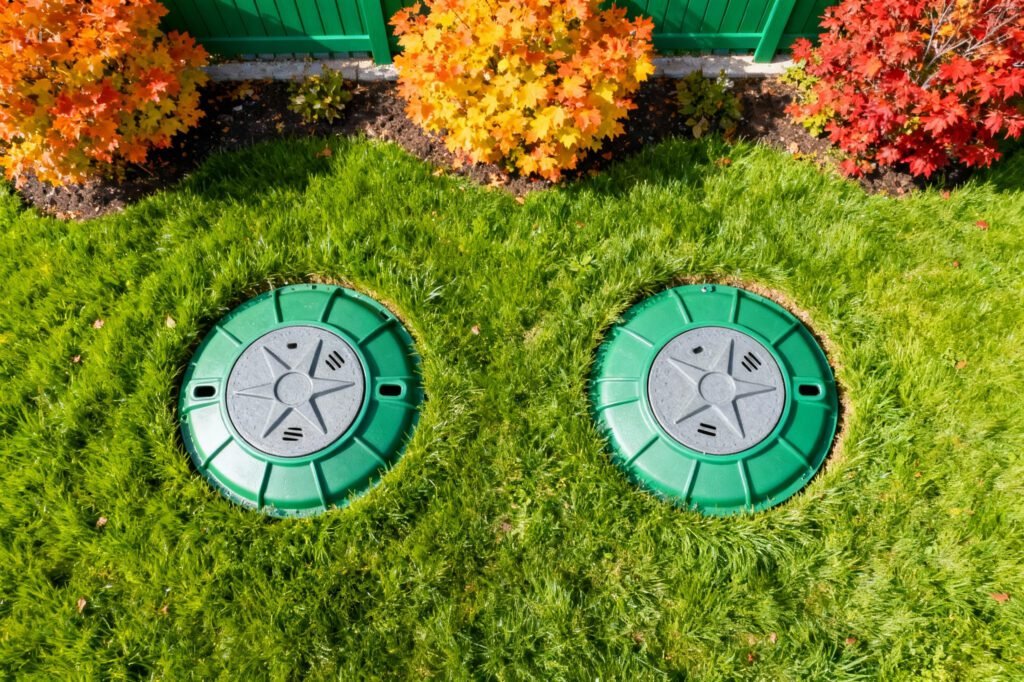
Odors here usually signal cracked tanks or poorly sealed lids that allow gases to escape.
Solution: Replace old/damaged lids with manufacturer-approved, sealed versions. Check for tank cracks and remediate soil contamination where found.
Electrical or System Failure: Respond to Malfunctioning Units
Main symptom: Septic alarms sounding, frequent system backups.
Faulty pump alarms, electrical controls, or aerobic treatment units may lead to odor and hazardous backup.
Solution: Check control panel status, reset alarms where safe, and consult certified technicians for system repairs per local code.
Apply Advanced Diagnostic Techniques for Persistent Odors
Use Multimeters and Gas Detectors Correctly
Electrical checks: Multimeters measure voltage and continuity for aerobic units and pump controls.
Gas detection: Use approved detectors for methane and hydrogen sulfide at vents and in drain field zones to pinpoint dangerous gas leaks. If dangerous levels are detected, evacuate the area and call authorities per EPA guidance.
Pressure Testing and Leak Detection
Utilize a plumber’s pressure gauge on drain and vent lines to identify blockages. Probe the drain field for excessive moisture, which can indicate saturation or anaerobic conditions leading to odors.
Leverage Software/App-Based Monitoring
Some modern aerobic septic systems provide app-based tracking for pump cycles, oxygenation, and error code reporting. Review logs regularly for deviations that could indicate odor-producing failures.
Understand Error Codes and Service Signals
Consult your system’s official manual or manufacturer database to interpret any error codes. Common fault alerts include vent blockages, pump malfunctions, and signs of incomplete aerobic processing—all leading to outdoor odor risk.
Follow Decision Trees for Step-by-Step Septic Odor Diagnosis
Flowchart 1: Trace Odor Source from Vent
- Is the odor strongest near the vent pipe?
- Check for external obstructions (nests, debris).
- If clear, inspect vent pipe for internal clogs or cracks.
- If odor remains, contact a licensed septic contractor.
Flowchart 2: Solve Odor Issues After Pumping
- Is odor present immediately after tank pumping?
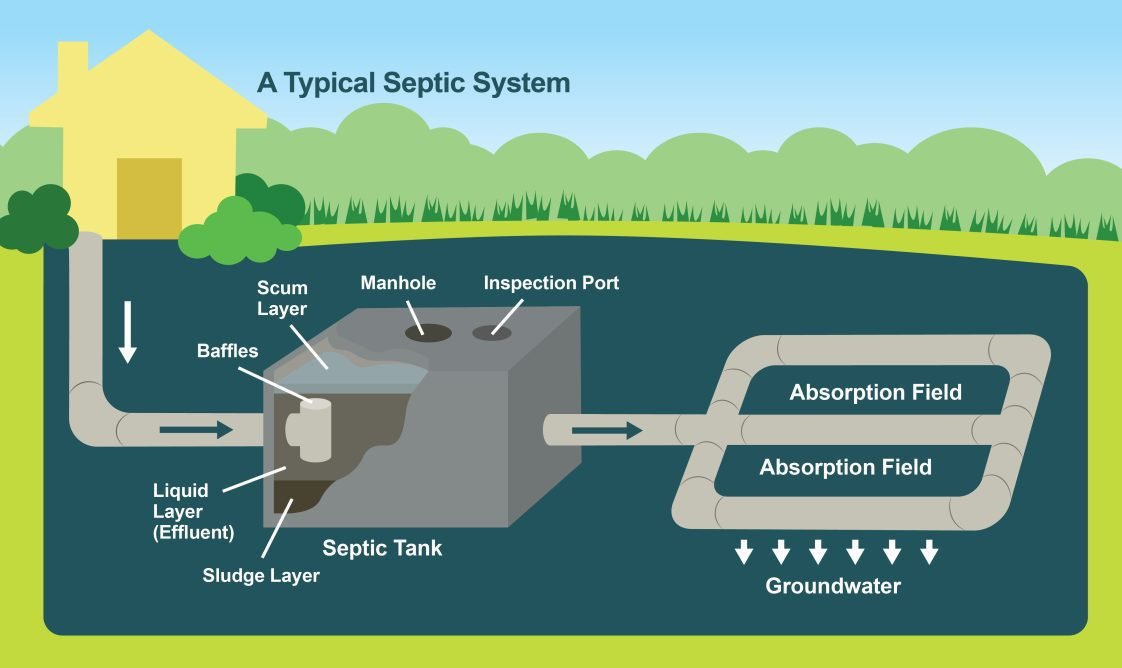
- Inspect tank baffles and chamber integrity.
- Verify all lids and seals are intact and properly seated.
- If symptoms persist, schedule advanced diagnostics for hidden leaks.
Flowchart 3: Diagnose Seasonal or Rain-Related Odors
- Is the odor worse after heavy rain?
- Assess drain field for standing water or slow absorption.
- Check for blocked ventilation pipes (vegetation, debris).
- Adjust landscaping or drainage as needed, and consider professional evaluation.
Replace or Repair Key Septic System Parts to Resolve Odors
Identify and Source Proper Parts
| Component | Where to Source |
|---|---|
| Vent pipes/caps | Licensed septic suppliers, plumbing retailers |
| Septic tank lids, gaskets | Manufacturer-certified vendors, specialized distributors |
| Baffles, aerobic unit filters, pump parts | Septic OEMs, approved online retailers |
Step-by-Step Repair and Replacement Instructions
How to Repair or Replace a Vent Pipe
- Locate and expose the damaged or blocked vent section.
- Remove obstructions or unscrew/replace broken pipe segments using appropriate tools.
- Clean and reinstall vent cap to safeguard against future debris.
- Seal all joints with septic-grade sealants before testing air flow.
How to Swap Out a Damaged Septic Tank Lid
- Lift old lid carefully; avoid excessive disturbance to surrounding soil.
- Remove dirt and residue from seal areas on tank and lid.
- Fit a new gasket as per manufacturer instructions, ensuring a tight, uniform seal.
- Install and secure the replacement lid, then check for odor leaks after reassembly.
How to Test System After Repairs
- Monitor for odors over 48 hours post-repair
- Check gas levels around repair site with detectors (NOWRA recommendations)
- Confirm system alarms remain off and drainage performance is normal
Know When to Call a Septic Professional
Recognize Critical Safety Red Flags
- Strong gas smell inside the home (risk: flammable, toxic exposure)
- Persistent sewer backup or visible sewage on surface
- System or pump alarms activated, especially after storms
- Electrical failures or error codes (see system manual)
If any of these symptoms occur, evacuate the area and contact a licensed septic contractor or local health department immediately as per EPA guidance.
Assess When System Complexity Exceeds DIY Skill
If your system includes advanced electrical controls, aerobic treatment, or covers a large drain field, leave troubleshooting and repairs to certified professionals.
Weigh DIY Repair Costs Versus Professional Service
- Calculate potential damage if odors persist (soil/household contamination, major repairs)
- Frequent odors, system failures, or failed DIY fixes suggest paying for a professional inspection is the most cost-effective choice
Preparation Checklist for Service Calls
- Document all symptoms and inspection findings
- List recent system maintenance
- Note any DIY fixes or observed error codes
- Provide access to the outdoor area and control panels
Integrate Preventive Maintenance to Avoid Future Odors
How Regular Maintenance Prevents Odor Issues
Following EPA and local health department schedules, regular septic maintenance (tank pumping, vent cleaning, system checks) greatly reduces the risk of odor-related system failures. For a full schedule and tasks, see our Septic System Maintenance Guide.
Install Early Detection and Monitoring Systems
- Consider gas detectors or smart septic system alerts for early problem identification
- Review monitoring dashboards or app reports weekly for error messages or trend anomalies
Prepare for Seasonal and Environmental Risks
- Before rainy periods, verify vent locations and clear blockages
- Inspect tank lids, gaskets, and drain field (fall/spring and before storms)
- Adjust landscaping to avoid planting over drain fields (prevents compaction and surface odors)
Frequently Asked Questions
Why does my septic system smell outside after rain?
Rain causes the drain field to become saturated, reducing soil absorption and creating anaerobic conditions. This allows gases to escape through vents or the ground surface. Clearing blockages and improving drainage will help, in line with EPA recommendations.
Can a blocked septic vent pipe cause yard odors?
Yes. A clogged vent pipe blocks normal gas release, forcing odors to escape at the vent or other weak points. Regularly check vent tops for obstructions and clean as needed.
How often should I pump my septic tank to prevent odors?
Septic tanks should generally be pumped every 3-5 years, per U.S. EPA and CDC guidelines, but frequency depends on usage and tank size. Refer to your local health department for specific schedules.
Is it safe to inspect my septic tank lid myself?
With proper PPE, you can inspect for visible cracks or poor sealing. However, avoid solo inspection or lifting heavy lids due to risks of gas exposure or injury.
What signs mean I should call a septic professional about odors?
Persistent outdoor odors after all DIY checks, any sewage backups in the home, or electrical/control system alarms are all signs you need immediate professional help.
Can landscaping cause septic system odors in my yard?
Yes. Planting over the drain field or compacting the soil restricts absorption, forcing gases to emerge at the surface. Maintain a clear, well-drained area above your drain field.
Are septic system gases harmful to health?
Absolutely. Methane and hydrogen sulfide are both toxic and flammable. Direct exposure can cause respiratory issues, dizziness, or worse. Never inspect systems without proper protective gear and always abide by CDC safety advice.
Key Takeaways
- Outdoor septic odors are strong indicators of underlying system problems or health hazards—never ignore persistent smells in your yard.
- Routine safety checks and correct use of basic tools can resolve minor issues, but strong odors, visible sewage, or system malfunctions require prompt professional intervention.
- Prioritize regular maintenance and avoid risky landscaping over the drain field to prevent future odor episodes.
- Follow EPA, CDC, and local health department protocols for septic safety and compliance.
Swift, informed action protects both your property and your health. Don’t hesitate to reach out to a licensed septic professional for persistent or serious symptoms.
For authoritative guidance, visit:
- U.S. Environmental Protection Agency Septic Systems Guide
- National Onsite Wastewater Recycling Association
- Centers for Disease Control and Prevention: Septic System Safety
Take Action: If you’re facing persistent outdoor odors or need help with septic system maintenance, contact a licensed septic professional today to safeguard your home and health.

Leave a Reply