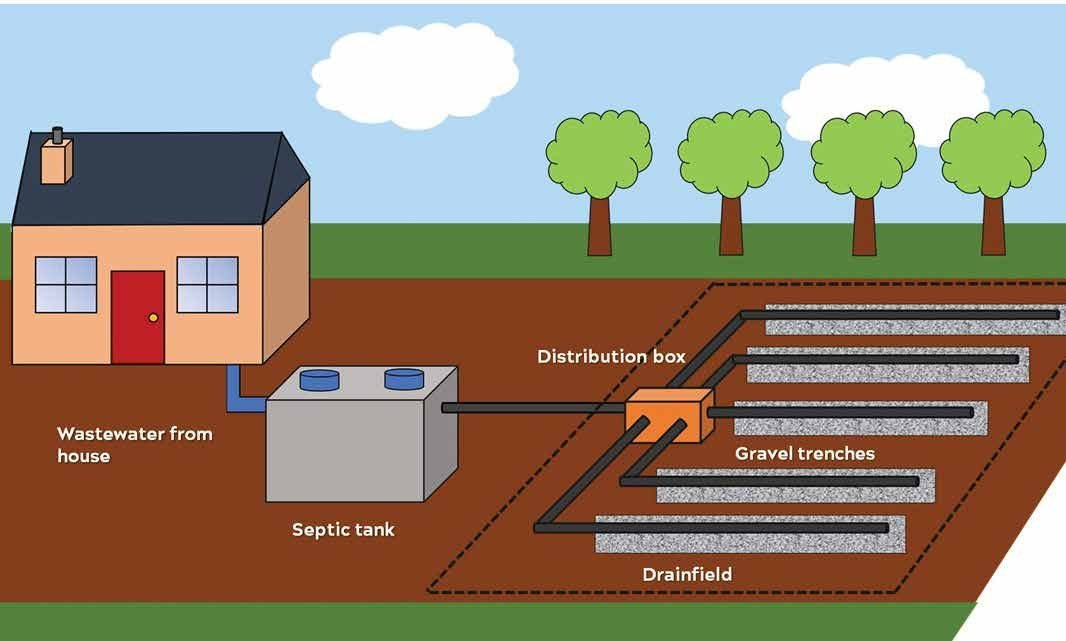
Quick Answer: Toilet gurgling on a septic system is an early warning of air or wastewater flow disruption—often caused by a blocked vent pipe, partial drain clog, or a full septic tank. Immediate action: Inspect and clear vent pipes, check for clogged drain lines, and schedule septic tank pumping if overdue. Never ignore persistent gurgling, foul odors, or slow drainage—these require prompt attention to avoid costly septic failures. Always follow EPA and local safety guidelines, and call a licensed professional for unresolved or hazardous issues.
- Gurgling signals potential septic system problems that require timely troubleshooting.
- Most common causes: vent pipe blockages, clogs, and full septic tanks.
- DIY fixes can resolve minor issues, but persistent symptoms or sewage odors signal the need for professional help.
- Prioritize safety— septic gases and leaks can be hazardous.
- Regular maintenance minimizes risk of backups and costly repairs.
Table of Contents
Have you ever flushed your toilet, only to hear an ominous gurgle from the bowl or drain? This unsettling noise is more than just a plumbing quirk—it’s often your septic system warning you of trouble ahead. Silent at first, warning signs like gurgling noises can signal everything from simple clogs to more serious septic or ventilation problems. By understanding the causes and following a systematic troubleshooting process, you can prevent these noises from turning into messy, expensive emergencies.
Quick Symptom Index
| Symptom | Possible Causes | Jump Link |
|---|---|---|
| Toilet gurgling noise | Partial drain clog, vent pipe blockage, septic tank full | Common Issues and Solutions Catalog |
| Slow draining toilet | Clogged drain lines, bio-blockage in pipes | Common Issues and Solutions Catalog |
| Septic system backup outdoors | Full septic tank, blocked leach field | Escalation Protocol: When to Call a Pro |
| Foul odors near toilet or tank | Damaged tank lid, broken vent pipe | Diagnostic Tools and Preparation |
| Gurgling during rainfall | Drain field saturation, vent pipe blockage | Advanced Diagnostic Techniques |
Gather Diagnostic Tools and Prepare for Safe Troubleshooting
Essential Tools for Diagnosis
- Flashlight
- Plumber’s snake (auger)
- Sewer camera (for pipe inspection)
- Multimeter (for electrical component testing)
- Pressure gauge (for septic tank monitoring)
- Leak detection dye or tablets
Safety Equipment Required
- Rubber gloves and boots
- Protective eyewear
- Respirator mask (to avoid harmful gases)
- First aid kit nearby
- Ensure proper ventilation in all work areas
Create a Safe Testing Environment
Ensure the area around your septic tank and plumbing is well-lit and ventilated. Avoid open flames or sparks, as septic gases can be flammable and hazardous, per CDC septic safety guidelines. Test individual drain lines when possible, and have a second person nearby while inspecting tanks or crawl spaces for added safety.
Use This Documentation Template to Track Findings
| Date | Symptom Observed | Test Performed | Result | Next Step |
|---|---|---|---|---|
| YYYY-MM-DD | Toilet gurgling noise | Snaking drain line | Partial clog detected | Clear clog & retest |
| YYYY-MM-DD | Septic odor outside | Inspect vent pipe | Vent pipe blocked | Clear vent pipe |
Diagnose Common Issues and Solutions for Gurgling Toilets
1. Performance Problems: Slow Drains and Gurgling Toilets
Partial drainage from biofilm buildup, minor clogs, or an overdue septic tank pump-out can cause gurgling. Clear pipes using an auger and maintain your septic tank every 3–5 years (per EPA guidance) for optimal performance.
2. Noise Issues: Vent Pipe and Airflow Blockages
Gurgling often means air is trapped and struggling to escape due to vent pipe debris or nests. Unblock and clean vent pipes according to local plumbing codes and regular maintenance best practices.
3. Leakage Problems: Drips, Odors, and Drainage Failures
Cracked pipes, damaged seals, or leaks near your septic tank lead to odors and poor drainage. These require immediate replacement or professional repairs to prevent property and environmental contamination (per CDC septic system safety).
4. Electrical or Mechanical Failures Affecting Pump Systems
For systems with pumps or aerators, electrical malfunctions can cause backups. Check all power supplies and reset breakers. Persistent failures, especially if accompanied by water exposure, mandate a professional inspection.
Apply Advanced Diagnostic Techniques for Persistent Issues
Test Electrical Components with a Multimeter
Use a multimeter to check voltage, current, and continuity for pumps or alarms—isolating faults safely before any attempted repair.
Pressure Test Pipes and Tanks
Employ a pressure gauge to test for hidden pipe or tank leaks, and use leak detection dye tablets to confirm problems out of visual range.
Use Digital Monitoring Apps for Smart Septic Systems
Many newer septic systems feature wireless monitors. Use their dedicated apps to track tank levels, error codes, and system health, enabling preventative action.
Interpret Equipment Alerts and Error Codes
Consult equipment manuals or manufacturer resources for error code meanings. Prompt response can prevent escalation of minor faults into major failures.
Follow Step-by-Step Diagnostic Flowcharts
Symptom-Driven Diagnostic Flow
- Notice toilet gurgling noise
- Check vent pipe for blockages
- Inspect and clear drain lines for clogs
- Assess septic tank level and pump if needed
- If issue persists, evaluate pump system and consult professional
Draining Issues Diagnostic Flow
- Slow drain in toilet
- Eliminate toilet bowl blockages
- Snake drain and vent lines
- Check for septic tank overflow
- Contact septic professional if unresolved
Rainfall and Seasonal Problem Flow
- Heavy rainfall observed
- Inspect for drain field saturation and pooling
- Examine vent pipes for outdoor debris
- Schedule routine maintenance before peak season
- Escalate if groundwater flooding is present
Replace and Repair Septic System Components Properly
Identify Common Replacement Parts
- Vent pipe sections and caps
- Drain pipe segments and seals
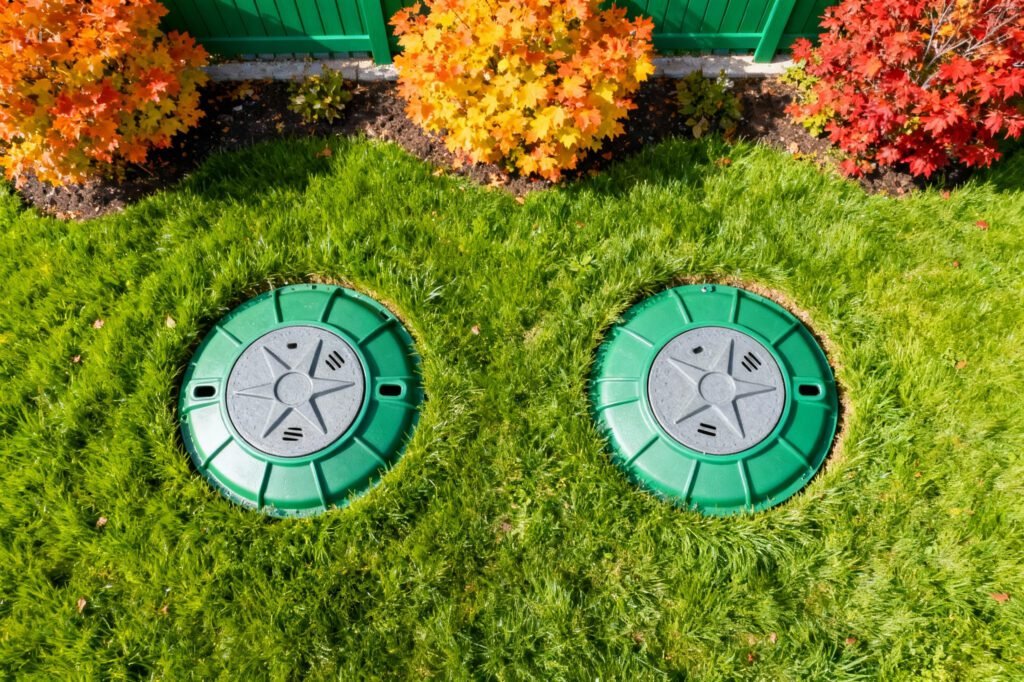
- Septic tank lids and gaskets
- Electrical pump motors and floats
- Safety valves and alarm sensors
Source Quality, Compliant Replacement Parts
Always purchase from licensed plumbing suppliers, authorized septic dealers, or reputable retailers. NSF certification and adherence to state/local plumbing codes is mandatory.
Step-by-Step Replacement and Repair Procedure
- Shut off water supply and disconnect electrical power to any pumps.
- Remove damaged part with the correct tools, avoiding further pipe or tank damage.
- Thoroughly clean affected area free of debris and buildup.
- Install the new part, ensuring a snug, leak-free fit.
- Secure any electrical or mechanical connections.
- Restore utilities, then test the fixed system for proper operation and absence of gurgling or leaks.
Test for Proper Repair After Replacement
- Flush toilets and run water to confirm no remaining gurgling or slow drainage.
- Visually inspect for leaks and odors.
- Monitor pump cycles and alarms for normal function.
Escalation Protocol: Know When to Call a Professional
Recognize Critical Safety Red Flags
- Persistent or strong sewage odors inside or outside
- Visible sewage backups or outdoor pooling around the tank
- Ongoing gurgling noises after attempted repairs
- Electrical failures near standing water or wastewater
Identify Complexity Thresholds
- Cracked or structurally compromised septic tanks or drain fields
- Pervasive or unreachable pipe blockages
- Multiple concurrent system failures
- Lack of proper tools, experience, or safe access
Weigh Cost and Risk: When Professional Help is Economical
If the cost, risk, and complexity of repair are high, engaging a certified septic service professional is safest and most cost-effective. Professional servicing prevents recurrence and ensures compliance with EPA/local health codes.
How to Prepare for Your Septic Service Appointment
- Document symptoms, attempted fixes, and any unusual system behavior.
- Clear obstructions from access points (lids, pipes, crawl spaces).
- Mark and provide utility line locations to prevent accidental damage.
- Convey seasonal, rainfall, or usage pattern changes to your technician.
Integrate Preventive Maintenance to Avoid Future Problems
Establish and Follow a Regular Maintenance Routine
Septic System Maintenance Guide: Preventing Common Issues and Repairs: Schedule professional tank pumping every 3–5 years, conduct routine pipe checks, and keep vent pipes free of debris to minimize risk of gurgling and system backup (see EPA Septic Guidance, 2023).
For deep maintenance advice, see How to Clean and Maintain Septic System Vent Pipes and Safe Septic Tank Pumping Instructions.
Install Early Warning and Monitoring Systems
Advanced septic monitors and tank alarms alert homeowners to potential problems—like rising sludge levels or pump failures—before they escalate into emergencies.
Complete Seasonal Septic System Preparation
Review Seasonal Septic System Preparation Checklist before periods of heavy use or rainfall. Keep fields and pipes free from leaves, dirt, and snow blockages.
Frequently Asked Questions
Why is my toilet gurgling on a septic system?
Toilet gurgling usually indicates disrupted airflow due to vent pipe or drain line blockages, a full septic tank, or failing pumps. Trapped air forces its way out through the toilet drains, causing the gurgling sound.
Can a septic system backup cause toilet gurgling noise?
Yes. Backups in the septic system slow or reverse wastewater flow, producing gurgling as air bubbles escape through the toilet and other drains.
What should I do if my toilet is gurgling?
First, inspect and clear vent pipes, check your septic tank status, and avoid chemical drain cleaners. If symptoms persist for more than a few days, contact a licensed septic professional immediately.
Is toilet gurgling a sign of an emergency?
Persistent or worsening gurgling, especially with odors or slow drainage, requires urgent attention. Immediate intervention can prevent septic system failure and health hazards.
How often should I have my septic system pumped?
Most households need septic pumping every 3–5 years, as advised by the EPA. Frequency may vary based on tank size and number of occupants.
Can heavy rain cause toilet gurgling on a septic system?
Absolutely. Saturated soil around the drain field from rain impairs wastewater absorption, often leading to gurgling and backflow issues.
How do vent pipes affect septic system function?
Vent pipes allow airflow, maintaining pressure balance. Blockages lead to air pressure build-up and subsequent gurgling as air escapes through drains.
Should I use chemical cleaners if my toilet is gurgling?
No. Chemical cleaners can harm essential septic bacteria and degrade pipes. Use only mechanical means or seek professional help for persistent clogs.
Can I fix septic gurgling myself?
You may clear simple clogs or unblock vent pipes yourself if you’re experienced and equipped. For septic tank, electrical, or persistent backup issues, professional intervention is strongly recommended.
What are early signs of septic system failure?
Early warning signs include toilet gurgling, slow drainage, sewer odors, wet spots in the yard, and frequent septic pump cycling. Schedule an inspection at the first sign of these problems.
Top Authoritative Resources for Further Reading
- Environmental Protection Agency (EPA) Septic Systems Guidance
- National Onsite Wastewater Recycling Association (NOWRA) Septic System Resources
- CDC Septic System Safety Recommendations
Key Takeaways
If your toilet gurgles while on a septic system, it’s not just a nuisance—it’s a sign that your septic system requires immediate attention. Whether caused by blockages, venting issues, or a full tank, prompt, systematic troubleshooting protects you from costly repairs and health risks.
- Always prioritize safety: avoid hazardous exposure and call a professional if unsure.
- Follow a logical diagnostic and repair sequence to minimize invasive or unnecessary work.
- Establish regular maintenance routines to prevent recurring problems and system failure.
- Use only approved, compliant replacement parts and never overlook early warnings.
Stay proactive to keep your septic system running smoothly and your home safe—when in doubt, contact a certified septic professional.
Need expert advice or fast repairs?
Contact a licensed septic system technician today for safe, compliant troubleshooting and prevention of future septic emergencies.

Leave a Reply