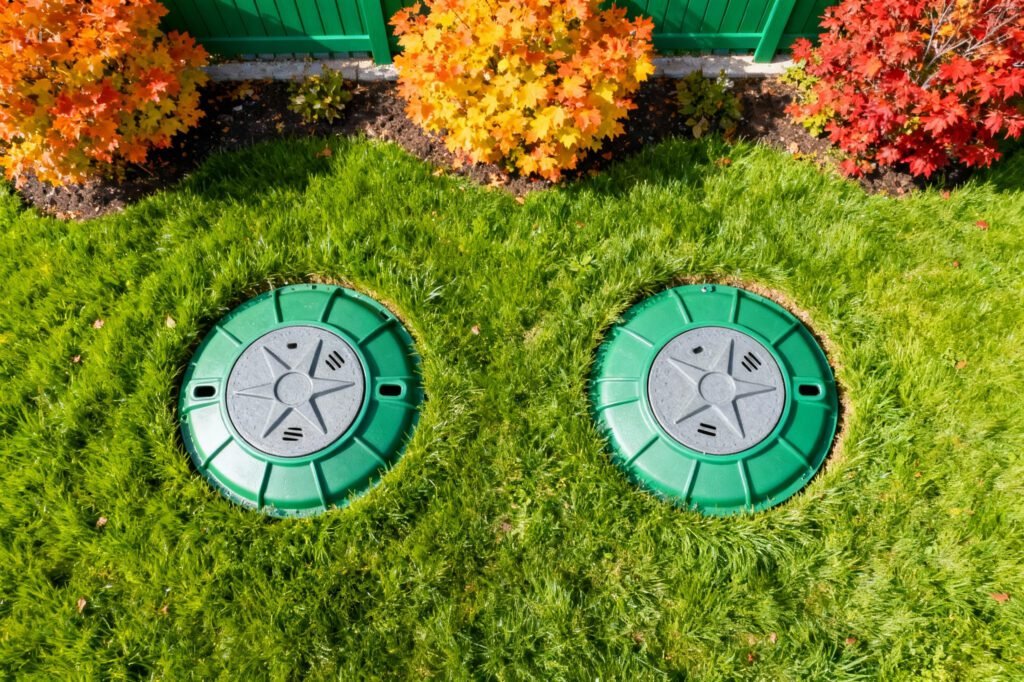

Quick Answer: If your aerobic septic system smells, begin by checking the aerator pump for proper operation using a multimeter, confirm correct chlorine tablet dosing, and inspect for leaks or mechanical failures. Always use appropriate protective equipment and stop troubleshooting if you encounter persistent electrical issues, strong toxic odors, or leaks—these require a licensed septic professional. Most issues stem from failed aerators, unbalanced chlorine, or system leaks. Never attempt repairs involving confined spaces or live wires without proper training, per EPA and local health code guidelines.
- A foul smell usually results from a failed aerator or low oxygen levels.
- Overuse or misapplication of chlorine may cause harsh chemical odors.
- Electrical malfunctions or sensor failures often trigger system alarms associated with odor issues.
- Leaks are hazardous and can release both sewage and chlorine odors.
- Use manufacturer-approved parts and always prioritize personal safety.
- Call a licensed pro if basic troubleshooting does not resolve the problem.
Table of Contents
Are you noticing a persistent odor around your home’s aerobic septic system? Even well-maintained aerobic units can develop unpleasant smells due to equipment failure, improper chlorine dosing, or unnoticed leaks. Ignoring these odors not only causes a nuisance—it can signal functional issues that threaten your family’s health and property. This guide will walk you step-by-step through the most effective methods to diagnose and resolve common causes of aerobic septic system odors, so you can address the root cause quickly and safely.
Identify Symptoms and Likely Causes Fast
| Symptom | Possible Causes | Jump Link |
|---|---|---|
| Persistent rotten egg odor | Aerator pump failure, low oxygen levels | Performance Problems |
| Chlorine chemical smell | Overuse or improper use of chlorine tablets | Leakage Problems |
| Septic system alarm active | Electrical failure, sensor malfunction | Electrical/Failure Issues |
| Gurgling or bubbling noises | Blocked aerator, damaged blower | Noise Issues |
| Visible leakage around system | Faulty seals, cracked tank, leaks | Leakage Problems |
| Strong sewage odor outside | Improper venting, chlorine imbalance | Leakage Problems |
Prepare for Diagnosis: Tools, Safety, and Best Practices
Gather Essential Diagnostic Tools
- Multimeter for electrical testing
- Oxygen meter or test strips
- Leak detection dye or pressure tester
- Basic hand tools (screwdrivers, wrenches)
- Chlorine test kit
- Flashlight and inspection mirror
Use Required Safety Equipment
- Chemical-resistant gloves
- Eye protection goggles
- Respirator mask (especially for chlorine or sewer gases)
- Non-conductive footwear
- Lockout/tagout devices for electric components
Create a Safe Testing Environment
- Ensure excellent lighting and ventilation.
- Establish safe, dry, and clear access to the aerobic tank and electrical panel.
- Keep tools close but off wet ground.
- Use physical barriers to restrict unauthorized access if needed.
Document Your Troubleshooting Steps
| Date | Symptom Noted | Tools Used | Test Results | Actions Taken | Next Steps / Recommendations |
|---|---|---|---|---|---|
| yyyy-mm-dd | Aerator pump silent | Multimeter | No voltage at aerator motor | Checked wiring, reset breaker | Replace aerator pump if no power restoration |
Resolve Common Issues: Causes and Solutions
Troubleshoot Performance Problems (Rotten Egg Odor)
- Root Cause: Aerator pump failure reducing oxygen, causing anaerobic bacteria and foul odors.
- Solution: Confirm power to aerator using a multimeter and inspect for operation. If the motor is faulty, replace it. Clean the intake screen and check oxygen levels with a meter or strips, targeting manufacturer-recommended values.
Address Noise Issues (Gurgling or Whining)
- Root Cause: Blocked or failing aerator blower and damaged bearings.
- Solution: Inspect the aerator blower fan for debris or mechanical wear. Lubricate if specified in the manufacturer’s guide. Remove any blockages in the intake, and replace damaged parts as needed.
Find and Fix Leakage Problems (Sewage or Chemical Odors)
- Root Cause: Leaks from seals, cracked tanks, or overflow of chlorine tablets.
- Solution: Use leak detection dye or pressure testing to identify the leak location. Small cracks may be sealed with epoxy; replace seals or entire tanks if necessary. Always follow EPA and local code guidelines. Avoid overdosing chlorine and ensure the dispenser is functioning as designed.
Resolve Electrical and Alarm Failures
- Root Cause: System alarms can be triggered by electrical faults, aerator problems, or misreading sensors.
- Solution: Test voltage and continuity at all key points with a multimeter. Clean or replace alarm sensors. Reset alarms after resolving root causes and ensure that circuit breakers are not tripped. Replace any malfunctioning sensors following the system’s official manual.
Use Advanced Diagnostic Techniques
Test and Measure with Multimeters and Tools
- Check voltage and current at aerator motor terminals for proper supply.
- Use continuity mode on wiring to trace breaks.
- Ensure system is properly grounded and bonded per electrical code (see National Electric Code, NEC 2023).
Conduct Pressure and Leak Tests
- Attach a pressure gauge to the tank or lines for seal integrity.
- Introduce leak detection dye into the tank, visually inspect for seepage points.
- Monitor for consistent operating pressures during normal use.
Leverage Software and Apps for Remote Diagnostics
- Some aerobic systems have diagnostic applications—download from the manufacturer.
- Pull error codes, track pump cycles, and monitor sensor output.
- Always cross-check codes against the official system manual.
Interpret Error Codes and Diagnostic Signals
- Consult your system’s manual or the manufacturer for a detailed code chart.
- Codes usually specify low oxygen, pump failure, or chlorine dosing errors.
- Follow prescribed troubleshooting steps for each code.
Follow Diagnostic Decision Flowcharts
Flowchart 1: From Common Odor Symptom
- Identify the type of odor (sewage or chemical)
- Check aerator operation
- Measure oxygen level
- Inspect chlorine dispensing unit
- If unresolved, escalate to professional inspection
Flowchart 2: Respond to System Alarms
- Alarm sounds—verify power supply
- Diagnose sensor status
- Attempt system reset
- If issue remains, call a licensed technician
Flowchart 3: Handle Seasonal or Environmental Issues
- Check for cold weather impacts (frozen lines, aerator inefficiency)
- Insulate exposed tanks and lines as needed
- Adjust chlorine dosing for temperature changes
- Perform preventive maintenance ahead of winter
Replace and Repair: Step-by-Step Guide
Identify Common Replacement Parts
- Aerator pump motors
- Blower fan assemblies
- Chlorine tablet dispensers
- Seals and gaskets
- Alarm sensors and electronics
Source Quality Replacement Parts
Purchase only from the manufacturer or authorized distributors—this ensures warranty coverage and proper compatibility. Consult the National Sanitation Foundation (NSF) Standard 40 for approved aerobic system components.
Step-by-Step Replacement Instructions
- Shut off power at the system breaker and lockout electrical supply.
- Open the septic tank with appropriate PPE.
- Carefully remove the defective part (e.g., aerator pump or dispenser) following the system manual.
- Inspect surrounding wiring, seals, or mounts for wear or contamination.
- Install the new component, double-checking all connections per the instructions.
- Restore power and double-check for normal operation and the absence of leaks.
Test System Function After Repairs
- Check aerator for steady operation at rated voltage and amperage.
- Validate oxygen and chlorine levels fall within safe operational thresholds.
- Inspect the tank and plumbing for leaks.
- Test alarm activation and sensor response manually.
- Confirm no odors persist before returning system to normal use.
Escalate to Professional Service When Needed
Recognize Safety-Related Red Flags
- Severe or persistent sewage or chemical odors causing discomfort
- Sparks, burning smells, or tripping breakers
- Confined space risks with low ventilation
- Active leaks or flooded areas you cannot control
Assess When a Problem Exceeds DIY
- If major components are hidden or inaccessible
- Odors persist despite repairs
- Diagnostic codes are unclear, or the system is non-standard
- You lack necessary testing equipment
Weigh Cost vs. Benefit of Professional Repair
Professionals are trained to spot hidden issues, perform code-compliant repairs, and reduce the risk of environmental violations or injury (see EPA’s Homeowner Septic System Guidance, 2022). DIY may save on labor, but repeated failed fixes escalate eventual repair costs.
Prepare Efficiently for the Service Call
- Document your troubleshooting steps, dates, results, and any attempted repairs.
- Clear the area around the septic tank and alarm panels.
- Know your system’s make and model; have records ready if available.
Integrate Preventive Maintenance for Odor-Free Operation
Schedule Regular Inspections and Service
Routine maintenance—inspecting the aerator, chlorine dosage, alarm system, and tank integrity—prevents most odor issues and extends the life of your system. Reference your local health department’s recommended schedule for aerobic septic system inspections.
Use Early Detection and Monitoring Systems
- Install continuous monitors for oxygen, chlorine, and pH levels with real-time alerts.
- Ensure system software/firmware is current to improve diagnostic reliability.
Follow Seasonal Preparation Checklists
- Before winter, insulate exposed tanks and lines, and confirm aerator pump operation.
- Adjust chlorine dosing as needed for changes in temperature and usage.
- Check all gaskets and vents for weather-related wear or obstructions.
Frequently Asked Questions about Aerobic Septic System Odors
Why does my aerobic septic system smell like rotten eggs?
This is often caused by insufficient oxygen—a failed aerator allows anaerobic bacteria to produce hydrogen sulfide gas. Check aerator function and oxygen levels to correct the issue.
Can chlorine tablets cause my septic system to smell?
Yes, if you use too many chlorine tablets or the dispenser is malfunctioning, your system may emit a strong chemical odor. Follow dosing guidelines and adjust as needed.
What does a septic system alarm mean in relation to odor issues?
A system alarm can indicate a failure in the aerator, sensors, or other components directly impacting odor control. Consult your alarm’s error code list or manual.
How do I check if the aerator pump is working?
Listen for pump noise or vibration, use a multimeter at the electrical terminals, and ensure the intake screen is not blocked.
When should I stop troubleshooting and call a professional?
If you face electrical hazards, severe or lingering odors, or if system access and parts diagnostics go beyond your comfort or expertise, contact a certified septic technician.
Are there temporary ways to neutralize septic odors?
Temporarily increasing chlorine dosing (within safe limits) and maximizing ventilation can reduce odors briefly, but these are not permanent solutions.
How often should I replace the chlorine tablets?
Usually every 1–2 weeks, but check your manufacturer’s guidance and monitor actual chlorine levels with a test kit.
Can cold weather make my aerobic septic system smell worse?
Yes, colder temperatures may reduce aerator efficiency and chlorine effectiveness, allowing odors to develop.
Should I perform repairs if electrical components are involved?
Repairs involving electricity, especially in wet environments, are hazardous and should be handled by qualified personnel only as recommended by EPA guidelines and the National Electric Code.
What are the risks of leaking aerobic septic systems?
Leaks can release untreated wastewater and chemicals, threatening groundwater and safety. Always address leaks urgently.
What safety gear do I need for diagnosing or repairing my system?
Rubber gloves, eye protection, a respirator, and non-conductive shoes are necessary. Lockout/tagout is essential for electrical work.
Is there a way to test for leaks without opening the tank?
Use leak detection dye in toilets and observe in the drain field; pressure tests can also help without opening the main tank.
Where should I buy parts for my aerobic septic system?
Only purchase from the official manufacturer or approved distributors—generic parts could void your warranty and may fail prematurely.
How can I prevent future odor problems?
Follow a regular maintenance schedule, monitor system indicators, and avoid overloading with household chemicals that disrupt system balance.
What documentation should I keep for my system?
Maintain a log of all service and repairs, dates, part numbers, and any diagnostic codes encountered.
Helpful Resources
- US EPA: Septic Systems
- National Onsite Wastewater Recycling Association: Aerobic Treatment Units
- CDC: Septic System Safety
Key Takeaways:
- Persistent odors in aerobic septic systems typically result from aerator failures, chlorine overdose, or leaks.
- Always follow a structured troubleshooting process and use safety equipment per EPA and CDC recommendations.
- If troubleshooting fails or hazards are present, stop and call a licensed professional—DIY mistakes can worsen issues.
- Integrate routine maintenance and active monitoring to prevent future odor problems and protect your investment.
Ready to restore peace of mind? Download our free Aerobic Septic System Maintenance Checklist or contact a licensed local professional for a comprehensive odor assessment today!

Leave a Reply