Quick Answer: For tiny homes, ADUs, and cabins, select a compact septic option—such as a composting or incinerating toilet or a small-scale septic tank with a pretreatment unit—based on your water usage, site conditions, and local codes. Installation typically takes several days to weeks, costs range from several hundred to several thousand dollars, and always follow Environmental Protection Agency (EPA) and local health department guidelines for safety and compliance.
- Choose a septic system tailored for low water use and small space (composting, incinerating, or miniature tank).
- Strictly follow EPA and local regulations to ensure environmental safety and legality.
- Proper site prep, protective equipment, and quality materials are critical for effective installation.
- Routine maintenance prevents clogs and ensures efficient long-term operation.
- Systems can often be expanded or adapted as occupancy or needs grow.
Table of Contents
Are you building a tiny home, ADU (Accessory Dwelling Unit), or an off-grid cabin and need an efficient wastewater solution? Space, cost, and environmental impact make septic system selection a priority for small dwellings. In this comprehensive guide, you’ll discover ultra-compact septic options—like composting and incinerating toilets, as well as modular mini septic tanks—and learn how to install, maintain, and adapt them for your needs.
Review Tools, Materials, and Site Preparation
Gather Essential Tools and Materials
- Composting or incinerating toilet unit (if chosen)
- Small septic tank or pretreatment unit
- Pipes and fittings for greywater drainage
- Gravel and soil for drain fields (if needed)
- Sealant and plumber’s tape
- Shovels, digging tools
- Measuring tape and level
- Personal protective equipment (gloves, mask, goggles)
- Water testing kit (optional, for verification)
Implement Key Safety Precautions
- Wear gloves, goggles, and dust masks when handling soil, compost, or septic parts to protect from harmful pathogens (EPA Septic Guide, 2023).
- Work in well-ventilated areas, especially when using incinerating toilets.
- Avoid direct contact with waste, and never attempt to service electrical components unless qualified.
- Mark utilities before digging to prevent hazards.
Prepare the Workspace
- Select a dry, accessible location near your structure and ensure it meets minimum clearances per local code.
- Clear debris and confirm utility locations before excavation.
- Level the ground or add gravel for a stable, flat platform.
- Set up a clean assembly and storage area.
Follow Step-by-Step Installation Instructions
Step 1: Choose the Right System
Assess your daily water usage and wastewater volume:
- Minimal water setups: Composting or incinerating toilet paired with a small greywater dispersal field.
- Higher (yet still modest) volumes: A miniature septic tank and compact pretreatment unit (see Table 1 for examples).
| System Type | Recommended For | Approximate Cost | Water Required |
|---|---|---|---|
| Composting Toilet + Greywater System | Cabins, ultra-small ADUs | $600 – $2,000 | Very low |
| Incinerating Toilet | Remote, off-grid tiny homes | $1,500 – $4,500 | None |
| Mini Septic Tank w/ Pretreatment Unit | Small ADUs, moderate use cabins | $3,000 – $7,000 | Low to moderate |
Step 2: Excavate the Installation Site
Mark the intended tank or unit location, ensuring code-compliant setbacks from dwellings and wells per local regulations and EPA recommendations. Dig to the specified size and depth, verify the base is level, and slope the surrounding area away from the structure.
Step 3: Install the Tank or Pretreatment Unit
- Lower the tank or pretreatment unit into the hole carefully (small winches or assistive lifts can help).
- Connect inlet and outlet pipes. Use quality pipe sealant and plumbing tape for a watertight fit.
- Backfill evenly with gravel or soil, avoiding voids and ensuring stability.
Step 4: Set Up the Toilet and Plumbing
- Install the composting or incinerating toilet inside the home per manufacturer instructions.
- Connect waste or drainage lines to the outside system as required; use slope (at least 1/4 inch per foot) for effective drainage.
- For incinerating models, ensure wiring and ventilation meet state electrical codes (see National Electrical Code NEC 2023 for details).
Step 5: Complete the Drain Field or Greywater Disposal Area
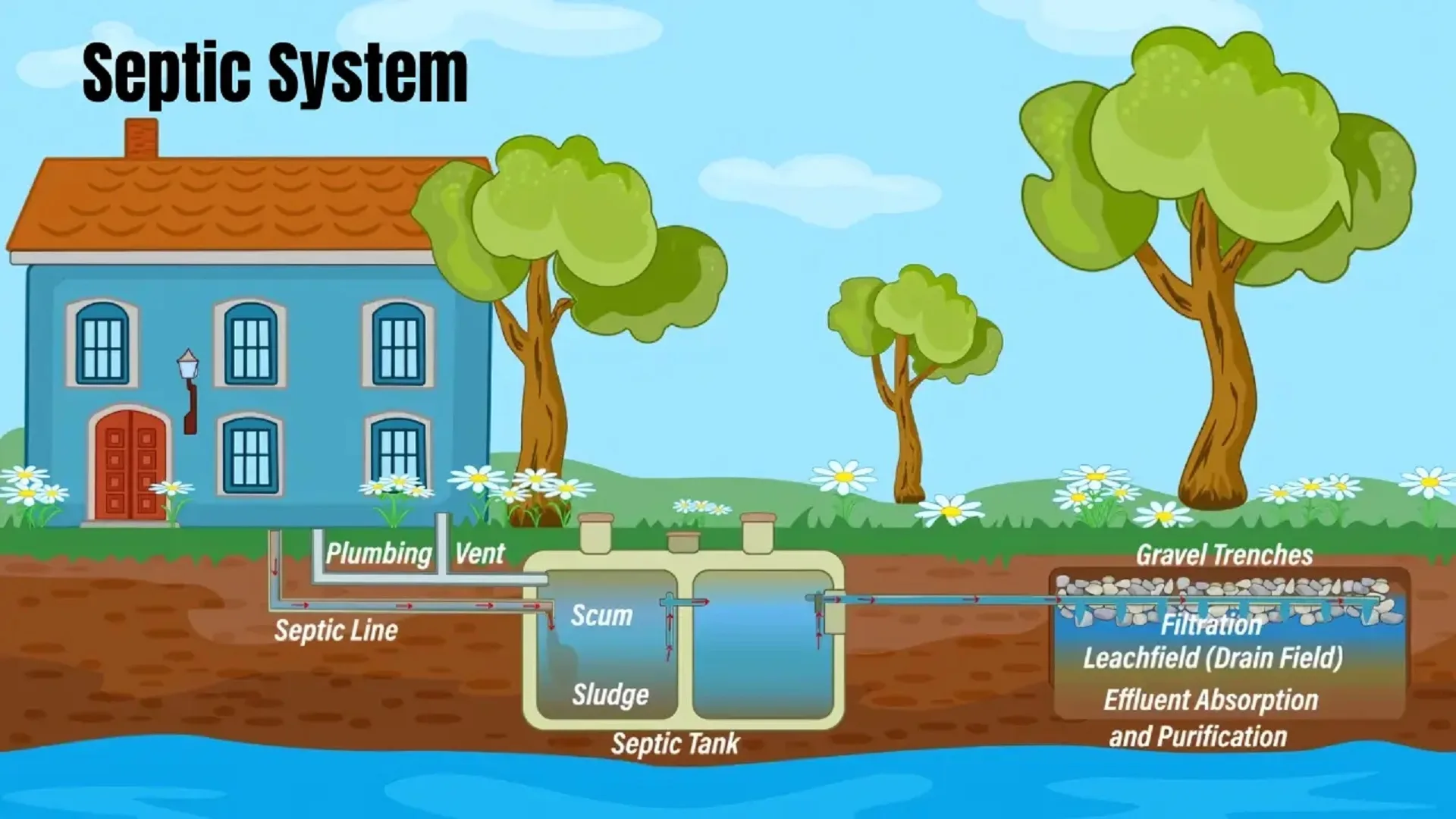
- Design the dispersal area per system and code—options include gravel trenches, mulch basins, or underground chambers.
- Ensure all piping is sloped down and outlets are unobstructed.
- Restore, level, and landscape the site, ideally with native perennial plants suited to occasional greywater exposure (per EPA Landscaping for Septic Systems, 2022).
Check Quality and Test Your System
Inspect for Leaks, Proper Operation, and Stability
- Visually confirm all joints and seals—no drips or dampness permitted.
- Ensure the tank or unit is level and stable, free from unwanted movement.
- After initial use, check for odors and proper waste breakdown (composting models) or ash formation (incinerating models).
Test Water Flow and System Performance
- Pour measured water amounts down drains and confirm fast, unobstructed dispersal.
- For composting toilets, regularly check moisture and ventilation—ideal compost is moist but not soggy.
- Verify greywater dispersal fields are absorbing water; no puddling or surface runoff should be evident.
Troubleshoot Common Problems
- Leakage: Re-tighten connections, add more sealant as needed.
- Poor drainage: Re-check pipe slopes and clear blockages; backflush if necessary.
- Odors: Enhance ventilation or adjust composting mix (add more dry mulch material if too wet).
- Electrical problems (incinerating models): Check local breaker, connections, and compliance with NEC.
Establish Routine Maintenance & Long-Term Care
Perform Daily/Weekly Tasks
- Empty composting toilet chambers per instructions to avoid overfilling; add bulking material (like sawdust) regularly.
- For incinerating toilets, remove ash trays and wipe interiors as recommended.
- Inspect filter screens in greywater systems and clear weekly.
- Monitor for any off or strong odors—address immediately to prevent costly repairs.
Schedule Monthly/Quarterly Inspections
- Check tank and all pipe connections for leaks or blockages.
- Test soil moisture at drain fields to avoid oversaturation.
- Inspect incinerating toilet wiring and venting to ensure safe operation.
Identify Wear and Know When to Replace Components
- Replace plastic tanks or chambers that show cracks, severe fading, or leaks.
- Address persistent odors that remain after regular maintenance.
- Resolve frequent backups or sluggish drainage immediately.
- Replace faulty or unreliable incineration components per manufacturer or electrician’s guidance.
Apply Advanced Tips & Customization Strategies
Boost Efficiency and Reduce Maintenance
- Use a rainwater catchment system for toilet/cleaning supply to reduce greywater output.
- Plant drought- and greywater-tolerant plants near drain fields for added dispersal and landscape benefit.
- Insulate exposed pipes if freezing is possible—pipe sleeves and heat tape prevent costly winter breaks.
Choose Tools and Accessories for Ease
- Invest in a sturdy hand auger for trenching small pipes quickly.
- Purchase a quality moisture meter for optimal compost management.
- A compact winch or hand truck makes installing heavier tanks easier for one or two people.
- Install solar vent fans on toilets for odor prevention without grid power.
Scale and Adapt Your System Over Time
- Modular mini septic tanks can often be daisy-chained to increase capacity (check manufacturer specs and health codes).
- Convert separate composting and greywater systems into an integrated dispersal field if usage increases.
- Add filter upgrades or UV disinfection to greywater lines for higher safety.
Frequently Asked Questions (FAQ)
What is the best septic system for a tiny home?
For the smallest footprint, use a composting toilet with a dedicated greywater dispersal area. Miniature septic tanks with pretreatment units work for moderate water use or where composting is not suitable. Check local codes—some locations restrict certain system types.
Can I install a septic system for a cabin myself?
DIY installation is possible for small systems if you have basic plumbing, excavation, and electrical know-how. Always check local permitting and inspection requirements before starting, and consider professional help for complex or electrical parts.
How much does a small septic system cost for an ADU?
Composting toilets with mini greywater systems start around $1,500, while fully-plumbed miniature septic tanks with pretreatment units can run $3,000–$7,000 or more, depending on site and system specifics.
Are incinerating toilets effective for tiny homes?
Yes, incinerating toilets are highly effective in off-grid and remote small homes. They require no water, produce sterile ash, and need reliable power and venting. Make sure your electrical supply meets manufacturer requirements and codes.
How often should I maintain my tiny home septic system?
Check composting/ash chambers weekly, inspect pipe and tank seals monthly, and schedule professional pumping for mini tanks every 3 to 5 years, per Environmental Protection Agency (EPA) guidelines.
What signs indicate septic system failure in a small setup?
Foul odors inside or outdoors, standing water near the drain field, slow draining fixtures, or unusually green grass over the dispersal area signal failure. Promptly address issues to avoid health risks and fines.
Are composting toilets suitable for all climates?
They work best in temperate climates. In cold regions, use insulated or heated kits to maintain composting efficiency. Excess moisture or freezing can slow or halt waste breakdown.
Can I expand a small septic system if my occupancy increases?
Yes, many small systems are designed to scale: modular tanks and increased dispersal chambers can be added as needed. Always confirm expansion plans with your local health department to ensure continued code compliance.
Access Expert Resources & Further Reading
- Environmental Protection Agency (EPA) — Septic Systems Guidance
- National Small Flows Clearinghouse — Small Wastewater Systems
- Tiny House Talk — Off-Grid Septic and Toilet Options
Key Takeaways
Selecting the right septic system for your tiny home, ADU, or cabin comes down to understanding your usage, available space, local regulations, and budget. Composting and incinerating toilets provide the smallest and most eco-friendly footprints, while miniature septic tanks with advanced pretreatment serve those with higher water needs or stricter local codes. Regardless of type, regular maintenance ensures system longevity, odor control, and safe waste management. Refer to EPA and state health department guidelines at every step to stay safe and compliant.
Ready to upgrade your tiny home’s wastewater system? Explore our in-depth installation guides, check local permit requirements, or connect with licensed installers for expert help. Start your project with best-in-class advice and stay compliant and environmentally safe!

Leave a Reply