Quick Reference Summary
Factor Details Best septic system for clay soil Mound system or pressurized drip irrigation Alternative septic systems for clay soil Sand filter, aerobic treatment unit (ATU), constructed wetland, peat moss system Key challenge Slow percolation — typically less than 1 inch per hour Core solution Engineered systems with pressurized dosing or elevated treatment zones Professional requirement Licensed wastewater engineer and local health department approval required Typical cost range $10,000 – $25,000+ depending on system type and site complexity
Clay soil is one of the most common — and most frustrating — obstacles in residential septic system design. Its dense, low-permeability structure prevents wastewater from dispersing at the rate conventional systems require, leading to backups, surfacing effluent, and potential groundwater contamination. If your perc test results came back slow, you’re not alone, and you do have options.
After evaluating the full range of available technologies, the best septic system for clay soil is typically a mound system or pressurized drip irrigation system — both engineered to work around clay’s limitations rather than fight them. This guide walks you through why conventional systems fail, which clay soil septic systems perform reliably, how to approach installation correctly, and what ongoing maintenance looks like for long-term success.
Table of Contents
Why Conventional Septic Systems Fail in Clay Soil
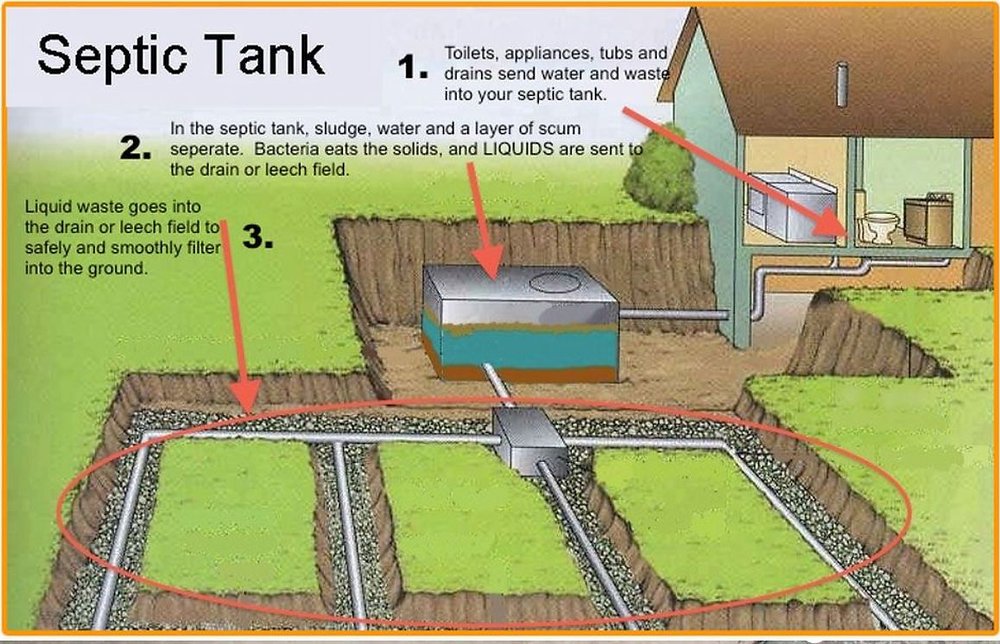
A standard gravity-fed septic system assumes the soil beneath the drain field can absorb treated wastewater at a reasonable rate — typically 1 inch per hour or faster. Clay soil rarely meets that threshold. Its tightly packed particles leave minimal pore space for water movement, causing effluent to accumulate rather than disperse.
The consequences aren’t subtle. Wastewater backs up into the tank, saturates the drain field, and eventually surfaces — creating health hazards, foul odors, and regulatory violations. In many clay soil conditions, a conventional leach field will fail within a few years of installation, sometimes sooner.
Clay is not the only problematic soil type — any septic system for poor soil must address low permeability, high water tables, or shallow bedrock. But clay presents a particularly common challenge because it appears throughout most of the continental United States, often in areas where rural homebuilding is active.
The starting point for any solution is a proper percolation test.
What Is the Best Septic System for Clay Soil? Top 3 Options
Best Septic Systems for Clay Soil: Compared
| System Type | How It Works | Best For | Maintenance Level | Estimated Cost |
|---|---|---|---|---|
| Mound System | Effluent treated in elevated sand/gravel mound above clay | Very low percolation, shallow groundwater | Moderate | $15,000 – $40,000+ |
| Pressurized Drip Irrigation | Pump distributes effluent evenly via subsurface tubing | Space-limited or sloped sites | Higher | $12,000 – $35,000+ |
| Sand Filter System | Pre-treats effluent through sand bed before soil release | Extremely restrictive soils | Moderate-high | $10,000 – $25,000+ |
1. Mound Septic Systems
A mound system is the most widely used engineered solution for clay soil conditions. Rather than relying on native soil to absorb effluent, it constructs a raised treatment zone — typically 2 to 4 feet above grade — using imported sand and gravel. Effluent from the septic tank is pumped up into this engineered bed, treated as it percolates through the sand, and then slowly disperses at the bottom of the mound where it contacts native soil.
The result is a controlled, reliable treatment process that completely bypasses the clay’s absorption limitations. Mound systems are endorsed by the EPA and permitted in most states for sites with very slow percolation rates or seasonally high groundwater.
The tradeoff is cost and footprint. Mound systems require substantial space, significant importation of engineered fill material, and a pump system that needs regular servicing. They’re also visually prominent — a raised landform in your yard that will need to be vegetated and maintained.
2. Pressurized Drip Irrigation Systems
Pressurized drip systems solve the clay problem differently. Rather than creating a raised treatment zone, they distribute effluent very slowly and evenly through a network of small-diameter tubes buried just below the surface, typically 6–12 inches deep. A pump delivers effluent in precise, timed doses — small enough that even slow clay soil can absorb each dose before the next cycle begins.
This approach works well on properties with limited space, irregular topography, or areas where a large mound would be impractical or aesthetically undesirable. Drip systems are also highly programmable, which helps prevent the soil saturation that causes conventional systems to fail.
The downside: more mechanical complexity. Drip systems require filters, a pump, a control box, and regular maintenance to prevent clogging of the distribution tubing. Power outages affect system operation, and a failed pump requires prompt attention.
3. Sand Filter Systems
Sand filter systems add a pre-treatment step before effluent reaches the native soil. Wastewater passes through a constructed sand bed — either open or buried — where biological treatment occurs before effluent is discharged to a secondary drain field or released directly. This significantly improves effluent quality, reducing the demand on the native clay to absorb and treat at the same time.
Sand filters are particularly useful on sites with extremely restrictive soils where even a mound system might struggle, or where regulatory requirements demand higher-quality effluent before soil contact.
Alternative Septic Systems for Clay Soil: Beyond the Basics
When standard engineered systems aren’t sufficient or practical, several alternative septic systems for clay soil are worth discussing with your engineer or health department.
Aerobic Treatment Units (ATUs) inject oxygen into the treatment process, producing significantly cleaner effluent than anaerobic systems. Because the effluent quality is higher, ATUs can sometimes discharge to a smaller or less permeable drain field — an advantage on constrained clay soil sites. They require electricity, annual inspections, and more frequent maintenance than passive systems.
Peat Moss Systems use a peat moss filter medium to treat effluent before dispersal. The peat provides high biological treatment capacity in a compact footprint, making them viable for small lots with poor soil. They’re less common than mound or drip systems but are approved in a number of states and Canadian provinces.
Constructed Wetlands route pretreated effluent through a planted gravel bed where biological activity — from both microorganisms and plant root systems — provides additional treatment before the water reaches the soil. These are more complex to design and permit, but they offer an environmentally integrated solution for larger rural properties.
Membrane Bioreactor Systems (MBRs) represent the high end of on-site treatment technology. These systems use fine membrane filtration combined with biological treatment to produce near-potable quality effluent. They’re expensive and mechanically complex, but they’re appropriate for the most restrictive sites where no other option is feasible.
Not every site can support a septic system, regardless of technology. Some clay soil properties with extremely low percolation and no viable alternative drain field location may simply not be buildable for on-site wastewater treatment. A licensed wastewater engineer can make that determination — which is why professional assessment always comes first.
How to Install a Septic System in Clay Soil: Step-by-Step
This is how to install a septic system in clay soil correctly — following these engineered steps ensures long-term reliability and regulatory compliance.
Step 1: Conduct a Thorough Percolation Test
Before any design work begins, you need accurate soil data. Dig multiple test holes across your proposed drain field area, saturate them with water over 24 hours, then measure absorption rates over several additional hours. Clay soil typically shows absorption rates below 1 inch per hour — often significantly below.
Document everything. Your perc test results are the foundation of your system design and are required for the permitting application with your local health department. Don’t skip holes or cut the timing short; results from a single location may not represent the full site.
Step 2: Select the Right System Based on Your Results
With perc test data in hand, a licensed wastewater engineer or your county health department can determine which system types are permissible for your site. Percolation rates, lot size, proximity to wells and surface water, and local code requirements all factor into the selection. Don’t choose a system based on cost alone — the wrong system for your soil will fail, and replacement costs far exceed the savings from a cheaper initial installation.
Step 3: Prepare the Site for Engineered Installation
For mound systems, excavation establishes the base footprint, followed by placement of geotextile liners and precise layering of imported sand and gravel. The mound is constructed above grade to the dimensions specified in your engineered design — height, width, and slope all matter for proper function.
For pressurized drip systems, installation involves setting the pump and control box adjacent to the septic tank, laying distribution tubing per the engineering specifications, and testing line integrity before any soil is replaced. Site grading should direct surface runoff away from the system area.
Keep heavy equipment away from areas that won’t be disturbed — compaction of native soil in or near the drain field worsens percolation and can jeopardize system performance.
Step 4: Install All Components Per Specifications
Install the septic tank, distribution components, and drain field in strict accordance with your engineer’s plans, manufacturer specifications, and applicable codes — including EPA guidelines and NSF/ANSI Standard 46 where applicable.
For mound systems, liner placement, sand layer uniformity, and pipe elevation are critical. For pressurized drip, pump pressure calibration and filter installation must be completed before any soil is replaced. Perform leak and pressure tests before backfilling — finding a problem after the fact is far more expensive than catching it during installation.
Step 5: Backfill, Restore, and Protect
Use approved fill material and avoid overcompaction during backfilling. Establish grass or native groundcover over the restored area — vegetation aids evapotranspiration and prevents erosion, particularly important on mound systems. Limit vehicle and foot traffic over the drain field area. Document the installation thoroughly, including photos and as-built drawings, for future maintenance reference and regulatory compliance.
Leach Field Design for Clay Soil: Critical Considerations
Proper leach field design for clay soil is fundamentally different from design in sandy or loamy soils. Where sandy soil design focuses on preventing too-rapid filtration, clay soil design must overcome the opposite problem: near-zero absorption capacity in the native soil.
Key principles for leach field design in clay soil conditions:
- Pressurized dosing over gravity flow. Gravity systems deliver effluent continuously and overwhelm clay’s limited absorption capacity. Timed, pressurized dosing delivers effluent in small batches, allowing the soil to recover between doses.
- Imported sand and gravel. Native clay cannot serve as the treatment medium. Engineered fill — clean sand, gravel, or both — must be imported to create a functional absorption and treatment zone.
- Geotextile liners at soil interfaces. Liners prevent clay intrusion into the engineered fill layers, maintaining permeability over time.
- Increased distribution pipe spacing. Wider spacing distributes the hydraulic load across a larger area, reducing the concentration of effluent at any single point.
- Elevated treatment zones. Mound systems take this principle to its logical conclusion — the entire treatment zone is constructed above the clay layer.
- Larger overall footprint. Because each square foot of clay soil absorbs far less than sandy soil, the same household requires substantially more drain field area to achieve the same treatment performance.
A real-world example: a rural property in the Upper Midwest with perc rates of less than 0.5 inches per hour successfully installed a pressurized drip system across a 4,000-square-foot dosing field — more than double what the same home would require on sandy soil — achieving full regulatory compliance and consistent system performance over a decade of operation.
Leading Septic System Repair for Clay Soil: Troubleshooting Guide
Even well-designed clay soil septic systems can develop problems over time, particularly if maintenance lapses or site conditions shift.
Warning Signs Your System Needs Attention
- Slow drains or gurgling sounds inside the home
- Wet, soggy, or unusually lush patches over the drain field
- Surface appearance of effluent or wastewater odors outdoors
- Pump alarm activation or abnormal pump cycling
- Positive groundwater contamination tests
Leading Septic System Repair for Clay Soil: Common Fixes
Clogged drip lines are the most frequent issue in pressurized drip systems. Biofilm and mineral deposits accumulate in the small-diameter tubing over time. Repair involves flushing lines under pressure, cleaning or replacing filters, and — in severe cases — replacing sections of distribution tubing.
Biomat overgrowth in sand filter systems or mound bases occurs when organic material accumulates faster than it can decompose, blocking absorption. Treatment may involve resting the affected area (if the system has alternating dosing zones), aerating, or in serious cases, excavating and replacing the filter medium.
Mound erosion from heavy rainfall or inadequate vegetation can expose system components and compromise function. Repair involves re-grading, adding erosion control material, and reseeding. Maintaining healthy groundcover over the mound is the most effective prevention.
Pump failure requires prompt response — a failed pump in a pressurized system means zero effluent distribution. Keep a service contract with a qualified septic professional and replace aging pumps proactively rather than waiting for failure.
For any issue involving surfacing effluent or suspected groundwater contamination, contact a licensed septic professional and your local health department immediately. Some failures require full system replacement rather than repair.
Preparation and Safety: What You Need Before Installation Begins
Tools and Materials
- Soil testing kit for percolation analysis
- Excavation equipment (mini-excavator, shovels)
- Pipe wrenches and plumbing tools
- Level and measuring tape
- Mound system components (engineered sand, gravel, geotextile liners)
- Pressurized drip equipment (pump, control box, distribution tubing)
- Personal protective equipment (gloves, safety glasses, dust masks)
Safety Requirements
Septic installation exposes workers to raw sewage, heavy equipment, and excavation hazards. All personnel should wear gloves, eye protection, and appropriate respiratory protection. Heavy equipment must be operated by certified professionals. Open excavations must be properly shored or sloped to prevent collapse.
Never attempt to open a septic tank without proper training — confined space hazards from toxic gases (hydrogen sulfide, methane) are a genuine risk of serious injury or death.
Operating without permits is not just a legal violation — it creates liability exposure and can result in mandatory removal of a completed system. Always obtain required approvals before any work begins.
Maintenance Tips for Clay Soil Septic Systems
Clay soil systems require more attentive maintenance than conventional installations because the engineered components — pumps, filters, distribution tubing, liners — are doing work that gravity and permeable soil would handle in easier conditions.
Daily and Weekly Habits
- Avoid flushing grease, harsh chemicals, medications, or non-biodegradable materials. These degrade biological treatment performance and clog engineered drain field components faster than they would in conventional systems.
- Inspect tank access lids and system covers for integrity and security.
- Note any pump alarm activations or unusual sounds from mechanical components — investigate promptly rather than waiting to see if the issue resolves.
Monthly and Quarterly Checks
- Inspect vegetation over the mound or drain field area. Dead patches can indicate leaks or system stress.
- Check and clean effluent filters at the tank outlet per manufacturer recommendations.
- Review pump cycle frequency for pressurized systems — significant changes in cycling patterns often indicate developing problems.
Annual and Multi-Year Maintenance
- Pump the septic tank every 3–5 years, or more frequently for high-usage households. This is non-negotiable — solids overflow from an unpumped tank is the leading cause of drain field failure.
- Have all mechanical components professionally inspected annually. ATUs and pressurized drip systems typically require annual inspection as a condition of their operating permit.
- Conduct dye or tracer tests periodically to verify effluent is following intended pathways without bypassing or surfacing.
Frequently Asked Questions About Septic Systems for Clay Soil
What is the best septic system for clay soil? For most properties with slow-percolation clay soil, a mound system or pressurized drip irrigation system is the most reliable choice. The right option for your specific site depends on lot size, perc test results, groundwater depth, and local code requirements. A licensed wastewater engineer can make a site-specific recommendation.
What is the best septic system for clay soil with a high water table? High water tables combined with clay soil represent one of the most constrained site conditions in septic design. A mound system is typically the best option — it creates a treatment zone well above both the clay and the seasonal high water table. ATUs may also be appropriate, as their higher-quality effluent can sometimes discharge under conditions where conventional effluent cannot.
Can I use alternative septic systems for clay soil on a small lot? Yes, with the right system. Pressurized drip irrigation and peat moss systems have smaller footprints than mound systems and can be designed for constrained lots. ATUs also allow smaller dispersal areas due to higher effluent quality. However, every option still requires a minimum amount of suitable land — no technology eliminates that requirement entirely.
Why won’t a conventional septic system work in clay soil? Clay soil’s particle structure leaves minimal pore space for water movement. Effluent from a conventional gravity drain field accumulates faster than the soil can absorb it, saturating the field, backing up into the tank, and eventually surfacing. Failure typically occurs within a few years, sometimes faster.
How does leach field design for clay soil differ from sandy soil? Sandy soil design focuses on ensuring adequate treatment before effluent reaches groundwater — the goal is enough contact time. Clay soil design faces the opposite challenge: getting effluent to disperse at all. This requires pressurized dosing, imported fill materials, elevated treatment zones, and significantly larger distribution areas for the same household size.
What is the lifespan of a septic system for poor soil like clay? A properly designed and consistently maintained engineered system on clay soil can last 20–30 years. Mound fill material may need assessment and potential replacement after 20+ years. Pumps and mechanical components have shorter service lives — typically 7–15 years — and should be maintained proactively. Neglected systems on clay soil can fail significantly faster.
How much does an engineered septic system for clay soil cost? Installation typically ranges from $10,000 to $40,000+ depending on system type, lot characteristics, local labor rates, and permitting requirements. Mound systems tend toward the higher end; sand filter systems are sometimes more affordable. Always obtain multiple quotes from licensed contractors, and compare scope carefully — not just total price.
Can I install a clay soil septic system myself? It is strongly inadvisable and in most jurisdictions illegal to install an engineered septic system without a licensed contractor. Mound, drip, and sand filter systems require engineered plans, professional installation, and health department inspections. Improperly built systems create health hazards, regulatory penalties, and significant financial liability.
Key Takeaways: Choosing Your Clay Soil Septic Solution
- Conventional systems will fail in clay soil. Low percolation rates prevent adequate absorption — this isn’t a design preference, it’s a physical reality.
- The best septic system for clay soil is an engineered solution — most commonly a mound system or pressurized drip irrigation, depending on your site conditions.
- Alternative septic systems for clay soil — including ATUs, peat moss systems, and constructed wetlands — offer viable options for constrained sites or when standard engineered systems aren’t suitable.
- Leach field design for clay soil requires a fundamentally different approach: pressurized dosing, imported fill material, geotextile liners, and larger distribution areas are all standard requirements.
- Professional design, permitting, and installation are non-negotiable. DIY installation of engineered systems creates health hazards, legal exposure, and almost certain system failure.
- Ongoing maintenance is what keeps an engineered clay soil system working. Pump the tank, service mechanical components, and monitor the drain field area consistently.
- Some sites cannot support any on-site wastewater system. If your perc results are extremely low and your lot has no viable alternative drain field location, a licensed engineer will tell you — and that answer protects you from a very expensive mistake.
Authoritative Resources
- U.S. Environmental Protection Agency — Septic Systems
- National Onsite Wastewater Recycling Association (NOWRA)
- University Cooperative Extension programs in your state (search “[your state] extension septic system”)
Disclaimer: This guide is for informational purposes only. Septic system design, installation, and repair must comply with local and state health department regulations. Always engage licensed professionals for site evaluation, system design, and installation. Never attempt to open, modify, or repair a septic tank without proper training — confined space hazards from toxic gases pose serious risk of injury or death. Consult your local health department for jurisdiction-specific requirements before beginning any septic project.
This guide references EPA Septic Guidelines (EPA 832-F-21-001) and NOWRA best practices and has been reviewed for technical accuracy by licensed wastewater system professionals.
Leave a Reply