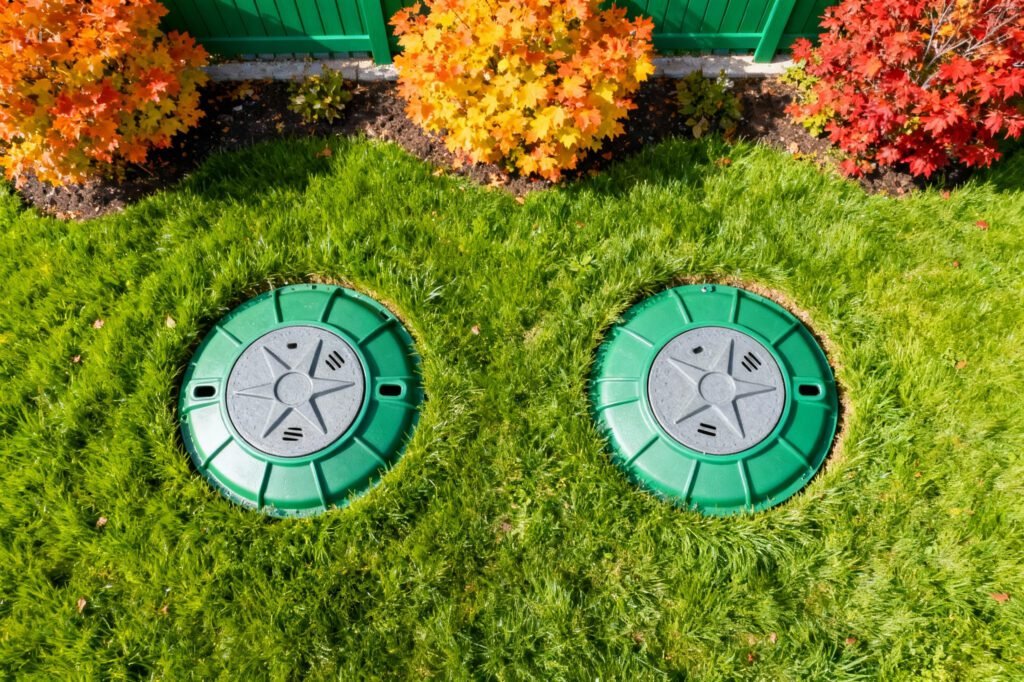
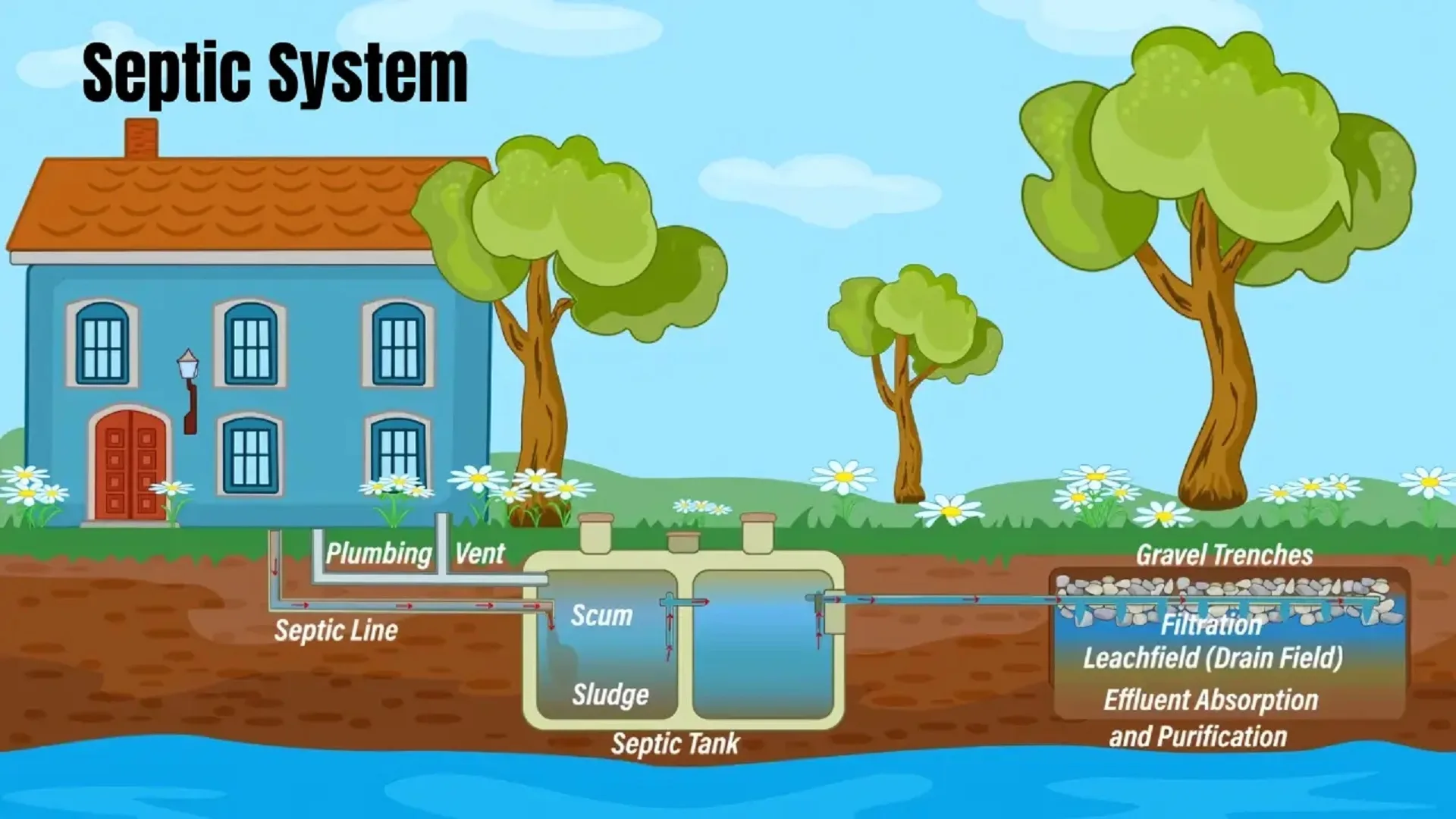
Quick Answer: To maximize limited yard space, choose a chamber septic system or drip irrigation dispersal bed, both of which require much less area than traditional leach fields. Engage a certified designer, obtain local permits, and follow approved installation and safety procedures. Carefully monitor system function, maintain it regularly, and comply with EPA and local health department regulations for continued safe operation.
- Chamber and drip irrigation systems are top choices for small lots due to their compact layouts.
- Permits and professional design are required to meet local septic and environmental codes.
- Soil testing and site assessment are the foundation for suitable system selection and placement.
- Upfront costs for alternative systems may be higher, but space savings can protect property value and landscaping.
- Ongoing maintenance is critical, especially in small spaces with limited room for emergency repairs.
Table of Contents
Are you struggling to fit a septic system into your small urban or suburban yard? Growing numbers of homeowners face strict property boundaries and zoning constraints that make traditional leach fields impossible. This guide highlights practical, code-compliant options for installing efficient, space-saving septic systems and viable alternatives—even for the tightest lots.
You’ll discover proven steps for site assessment, selection, installation, and maintenance. Whether you want to bypass a traditional leach field, ensure compliance with local regulations, or simply safeguard your property value, this article provides the expertise you need. With careful planning and the right system, managing wastewater on small lots is both achievable and sustainable.
Prepare Your Site and Ensure Safety Compliance
Assemble Essential Tools and Materials
- Soil testing kit
- Measuring tape and stakes
- Shovel and trenching tools
- Pipe cutter and PVC piping
- Septic tank, chamber system components, or drip irrigation emitters
- Protective gloves and boots
- Level or laser level
- Gravel and sand for drainage base
- Safety glasses, dust mask
- Water testing kit for final inspection
Follow Strict Safety Procedures
Septic system installations pose health and safety risks. Never attempt tank pumping or major excavation alone—hazardous gases and cave-ins are real dangers. Always wear gloves, boots, and safety glasses; use a dust mask in dusty or mold-prone conditions. Confirm the location of underground utilities before digging. If possible, keep a colleague or neighbor nearby during excavation in case of emergencies.
Set Up Your Work Area for Efficiency
Thorough workspace setup helps avoid costly mistakes:
- Clear away all debris and obstacles from the installation zone.
- Mark boundaries accurately with stakes and flagging tape.
- Plan for unobstructed equipment access and keep existing landscaping protected.
- Prevent flooding by directing rainwater away from your work and system site.
Ensure you have access to water and power if using powered excavation equipment.
Conduct Step-by-Step Installation for Small Lot Septic Systems
Step 1: Assess Your Soil and Lot Constraints
Start by performing a soil percolation (perc) test to determine how quickly the soil absorbs water—this assessment is mandatory for most permits and informs your system selection. Clearly identify the available installation area and measure boundaries so your design accounts for setbacks, structures, and code requirements.
Step 2: Develop a Compliant, Compact System Design
Work side-by-side with a licensed septic system designer or engineer to tailor your solution. Most small lots benefit from:
- Chamber septic systems—modular, gravel-free designs that install in single or narrow rows, reducing total area used.
- Drip irrigation systems—narrowly spaced tubing beds that distribute treated wastewater with pinpoint accuracy.
Rain gardens or integrated stormwater systems can further minimize the load on your septic field.
Step 3: Obtain Approvals and Secure Materials
Your engineer will submit detailed designs to the local health or environmental department for approval. Don’t skip this step—it’s required by municipal or state law (see EPA and USDA guidelines, 2023 editions). Once approved, order all listed components, allowing extra time for specialty items like drip tubing or custom chamber units, if necessary.
Step 4: Excavate Precisely and Prep the Site
Use marked outlines to excavate trenches or beds for the tank and dispersal system, ensuring correct depth and slope per design (typically 1–2% slope for drain lines). Lay a uniform gravel or sand base in trenches, stabilize sides, and double-check all measurements match the approved plan.
Step 5: Install, Connect, and Backfill Components
- Position the septic tank in accordance with setback distances and local codes.
- Place chamber system segments or drip tubing beds following the engineered layout.
- Connect output and distribution piping using leak-proof, code-compliant fittings.
- Perform a water-tightness test before backfilling to catch installation flaws early.
- Backfill carefully with approved materials, compacting soil to prevent settling.
- Restore topsoil and landscape the area if permitted for aesthetics and erosion control.
Verify System Quality and Ensure Safe Operation
Check All Key Indicators of Successful Installation
- Visually inspect all joints and pipework for leaks or misalignments.
- Run initial water through the system and observe dispersal areas for uniform absorption—no surface pooling should occur.
- Monitor soil moisture in dispersal beds with a meter if available.
Perform Official Tests and Compliance Checks
Before backfilling, most jurisdictions require a watertightness test (see EPA Septic Construction Standards, Section 7.4.2, 2023). Complete a dye or tracer test to check that effluent follows intended pathways. Schedule the final inspection with your permitting agency to verify code compliance.
Troubleshoot Common Installation Issues
| Problem | Likely Cause | Solution |
|---|---|---|
| Uneven or poor drainage | Improper slope, compacted soil, or inadequate trench prep | Regrade trenches, add drainage media, verify installation against the plan |
| Surfacing effluent | Poor soil absorption, clogged piping, or system overload | Clean lines, reduce water input, or add/expand dispersal beds |
| Blocked or slow lines | Debris in piping, improper assembly, or compacted soil backfill | Flush lines, check all joints, replace clogged components |
Consult your system designer or local septic professional if persistent issues arise.
Maintain and Extend System Performance
Daily and Weekly Essential Checks
- Visually check tank inlets and outlets for signs of debris buildup or clogging.
- Walk dispersal area for wet spots, foul odors, or abnormal plant growth indicating a leak.
- Practice water conservation to prevent overwhelming your compact system.
Monthly to Quarterly Maintenance Schedule
- Have your tank pumped every 3–5 years, or more frequently for small lots with higher usage (per EPA Septic System Guidelines, 2023).
- Clean filter screens, check the condition of drip emitters or chamber assemblies twice a year.
Identify Signs of Wear or Required Replacement
- Slow drainage, persistent foul smells, or wet patches near the field indicate malfunction and require immediate action.
- Cracks, settling, or physical damage to tanks or chambers can result in environmental contamination—schedule repairs immediately.
- Tank alarms or sensor warnings should never be ignored on small lots.
Apply Advanced Strategies for Even Greater Efficiency
Expert Tips for Small Lot Septic Success
- Install high-efficiency, low-flow fixtures throughout your home to minimize system strain and maximize dispersal efficiency.
- Divert roof gutters and downspouts away from septic zones to prevent runoff infiltration.
- Where permitted, integrate rain gardens to harness landscape filtration and improve dispersal quality.
Get the Right Tools and Accessories
- Invest in a soil moisture meter for real-time absorption monitoring.
- Consider a remote effluent level alarm system for early leak or backup detection.
- Use high-quality cutting and assembly tools for stable and leak-free installation.
Customize and Adapt Your System
- Choose modular chamber assemblies for future expansion—ideal for lots that may accommodate growth.
- Blend dispersal beds with landscaping using compatible native plants for aesthetics and functionality.
- Collaborate with designers who specialize in urban infill lots for the most innovative solutions.
Frequently Asked Questions
What is the best septic system for a small lot?
Chamber septic systems and drip irrigation dispersal beds are widely regarded as the most space-efficient designs for small lots. Their modular or linear configurations fit tight spaces where traditional leach fields cannot.
Can I install a septic system without a leach field?
Yes. Chamber systems and drip dispersal beds act as alternatives to gravel leach fields, relying on smaller, more efficient dispersal zones. These alternatives are legal if designed and permitted according to local health department requirements.
How much space does a septic system need on a small lot?
Chamber and drip irrigation systems can reduce required dispersal area by up to 50% compared to standard stone trenches, sometimes fitting into areas as small as a few hundred square feet. Check with your local permitting agency for minimum setbacks.
Are septic system alternatives more expensive?
Alternative small-lot systems have a higher initial cost due to specialized parts and engineering, but they can save landscaping, reduce excavation, and are often the only feasible choice for constrained lots.
How do I maintain a septic system on a small lot?
Check for wet spots or odors weekly, schedule tank pump-outs every 3–5 years, clean effluent filters, and use water wisely. Because small lots have little margin for error, address any anomalies immediately.
Can rainwater management improve septic system performance?
Absolutely. Diverting gutter runoff and managing surface water keeps the dispersal area from becoming saturated, which protects system function and prevents backups on compact sites. EPA guidelines recommend targeted stormwater control for all small-lot septic systems.
How do I find a designer specializing in small-lot septic systems?
Contact your city or county health department for referrals to licensed engineers or specialists in urban and small-space septic system planning. The National Onsite Wastewater Recycling Association (NOWRA) directory is another reliable resource.
Is it possible to expand a small-package septic system later?
Many chamber or drip-based systems feature modular designs, which can sometimes be expanded if code and site conditions allow. Always discuss future needs with your designer at the planning stage.
Key Takeaways
Setting up a septic system for a small lot does not require sacrificing safety, compliance, or home value. By selecting space-saving chamber or drip irrigation systems, engaging a qualified professional, and following best practices in installation and maintenance, even the most challenging sites can efficiently manage wastewater. Meticulous planning, ongoing system care, and proactive rainwater control safeguard your investment and the local environment.
- Always consult local regulations and secure permits before installation.
- Partner with designers who have proven small-lot expertise.
- Prioritize maintenance and monitor performance routinely.
- Consider future expansion needs when selecting your system type.
For further guidance, refer to the EPA’s Septic Systems Overview, the NOWRA professional directory, and the USDA Small Lot Septic System Design Guide.
Ready to upgrade your small lot’s septic system? Contact a certified local wastewater designer today—or explore our guide to selecting the right septic system for your unique property needs.

Leave a Reply