Quick Answer: For a 3-bedroom house, most local codes require a minimum 1,000-gallon septic tank and a drain field sized according to bedroom count and soil percolation rates. Average installation costs range from $7,000 to $15,000, with professional design and permitting mandatory in most jurisdictions. Always confirm with your county health department before starting site work.
- Septic system sizing is based on bedroom count—not bathroom count
- Soil percolation rate directly affects drain field size
- Expect professional installation costs of $7,000–$15,000
- A 1,000-gallon tank is standard for three bedrooms
- Permits from your local environmental or health authority are required
- Regular maintenance extends system lifespan and protects property value
Table of Contents
Did you know? Improper septic sizing is one of the top causes of early system failure and can put both your investment and local groundwater at risk. Are you planning a new home or upgrading an older property? The right septic sizing and design are essential to long-term environmental safety—and often a legal requirement. This guide delivers expert, code-aligned steps to ensure your septic system is efficient, compliant, and cost-effective.
Prepare Your Septic Installation Project
Gather Tools and Materials
- Soil testing kit or percolation test equipment
- Measuring tape and stakes for layout
- Level and string line for ground grading
- Durable gloves and boots
- Shovel or small excavator rental
- Septic design plans and local code documentation
- Calculator or spreadsheet for system sizing
Follow Safety Precautions and Use Protective Gear
- Wear gloves, dust masks, and safety goggles when digging or handling soil.
- Only use electrical equipment with grounded outlets and intact cords.
- Keep children and pets away from the work area.
- Practice good hygiene after handling test materials or septic components.
Set Up Workspace and Prepare Site
- Clear the future septic area of debris and vegetation.
- Mark all boundaries with visible stakes.
- Check for underground utilities before digging (call your local utility locator hotline).
- Plan for machine/equipment entry and materials delivery.
- Aim for dry weather to minimize soil compaction and runoff risk.
Implement Your Septic System Step by Step
Confirm Bedroom Count and Estimate Wastewater Flow
System sizing starts with the number of bedrooms, not bathrooms. Each bedroom estimates possible occupancy, projecting 120 gallons of wastewater per bedroom per day. Standard design flow for three bedrooms: 360 gallons per day.
Conduct a Soil Percolation (Perc) Test and Site Evaluation
Dig test pits in the proposed drain field and saturate them with water. Timing how fast water is absorbed reveals your soil’s percolation rate, dictating drain field area. Refer to your county’s instructions—some require a certified inspector for this critical step. See Understanding Soil Perc Test Results for Septic Installation for detailed guidance.
Calculate Septic Tank Size for Your 3 Bedroom House
Most codes, including the EPA guidelines and the National Onsite Wastewater Recycling Association (NOWRA, 2020), require:
| Number of Bedrooms | Minimum Tank Size (gallons) |
|---|---|
| 1-2 | 750 |
| 3 | 1,000 |
| 4 | 1,250 |
Always confirm tank requirements per your jurisdiction before purchase or installation—local codes may vary.
Design the Drain Field Based on Soil Type and Flow
Calculate absorbency area using your soil’s perc rate:
| Soil Type | Square Feet per Gallon/Day | Drain Field Area Needed (for 3 BR, 360 GPD) |
|---|---|---|
| Sandy | 1.0 | ~360 sq ft |
| Loam | 1.3 | ~470 sq ft |
| Clay | 2.0 | ~720 sq ft |
Poor percolation requires larger drain fields and may require alternative designs. See Septic System Alternatives for Challenging Soils.
Obtain Permits and Schedule Professional Installation
Submit a complete system plan, including site diagram, tank, and drain field specifications, to your county health/environmental authority. Installation must comply with permit stipulations and building codes, typically performed by a licensed septic contractor. See Permitting Process for Septic Systems: What Homeowners Need to Know.
Ensure Quality and System Performance
Verify System Success Post-Installation
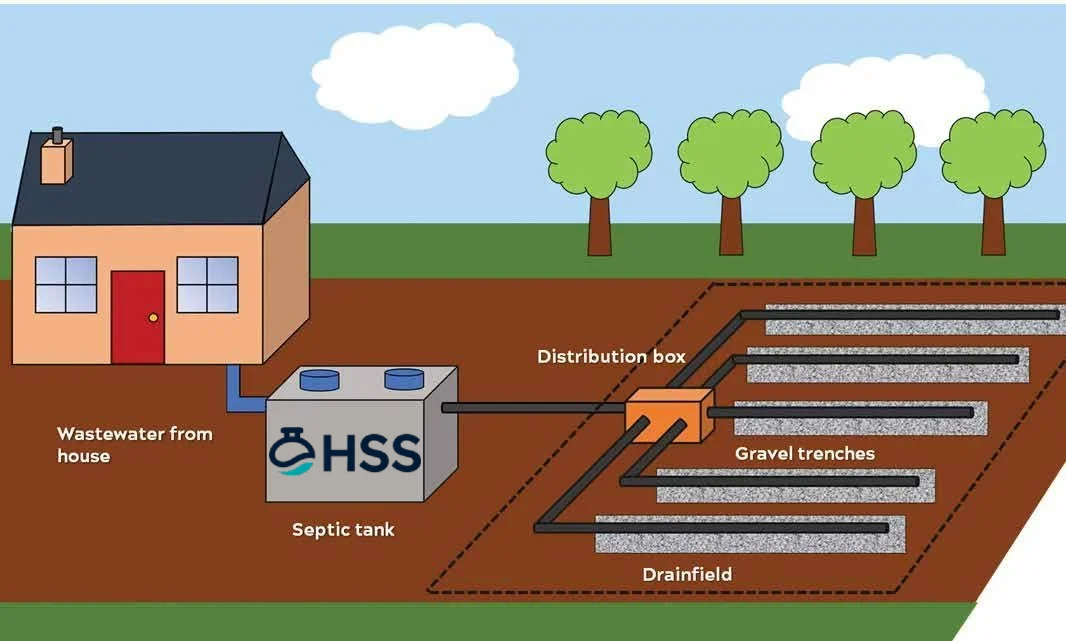
- Check tank and junction box water levels
- Look for even soil moisture and absence of standing water
- Ensure no sewage odors are present inside or outside
Conduct System Testing
- Repeat percolation checks on completed drain field
- Use dye tracing to monitor effluent flow
- Inspect for pipe leaks and proper flow at outfalls
- Record initial sludge and scum levels for future reference
Troubleshoot Common Septic Installation Issues
- Slow drainage or standing water: re-test soil compaction and check for field saturation
- Uneven drain field loading: adjust distribution pipe levels and slopes
- Persistent odors: inspect tank for cracks, check venting, and confirm cover sealing
Maintain and Extend Septic System Life
Daily and Weekly Maintenance
- Never flush non-biodegradable products, grease, or chemicals
- Inspect for plumbing leaks to limit water inflow
- Space out laundry or high-use water tasks where possible
- See How to Maintain Your Septic System: A Seasonal Guide
Monthly and Quarterly Checks
- Look for root intrusion or damaged tank covers
- Check soil moisture over drain field for signs of oversaturation
- Ensure all access risers and inspection points are secure and watertight
Recognize Septic System Wear and Replacement Needs
- Slow drains, foul odors, sewage backups, or soggy drain field zones signal urgent attention
- Typical septic tanks last 20—30 years with pumping every 3–5 years
- Replace components showing cracks, signs of rust/corrosion, or advanced wear
Use Expert Septic System Tips
Boost Efficiency with Professional Techniques
- Add effluent filters to shield drain field from solid debris
- Install electronic tank alarms for early-warning of overload or high levels
- Monitor water use with a home meter to catch leaks early
Invest in Useful Tools and Accessories
- Quality percolation soil kits for periodic checks
- Secure, PSI-rated risers for safe tank access
Customize for Challenging Sites and Changing Needs
- For slow-draining soils, consider mound or aerobic systems
- Add media filters, UV disinfection, or other upgrades if required by code
- Design system layout with enough space for future expansion if needed
Frequently Asked Questions
How do I determine the right septic system size for a 3 bedroom house?
Count the bedrooms to estimate occupancy and expected daily wastewater flow; three-bedroom homes typically require a 1,000-gallon septic tank, with the drain field area determined by soil percolation rates per local code.
Can I size my septic system based on bathroom count?
No. Bedroom count is the standard because it best reflects likely occupancy and usage. Bathroom count may lead to incorrect sizing and future system failures.
How much does a septic system cost for a 3 bedroom house?
Most installations cost between $7,000 and $15,000, varying with soil conditions, system complexity, tank size, and labor rates. Advanced systems or challenging sites may require larger budgets. For details, see Estimating Residential Septic System Costs in 2026.
How often should a septic tank be pumped for a 3 bedroom home?
Typically, every 3–5 years, depending on tank size, household usage, and measured sludge/scum levels. Annual inspections help identify optimal pump-out intervals.
What soil types are ideal for septic drain fields?
Sandy and loamy soils with high percolation rates are preferred for efficient wastewater absorption. Clay soils may require alternative system designs or expanded drain fields. See Understanding Soil Perc Test Results for Septic Installation for soil selection.
Can I install my own septic system?
Most areas require licensed professionals for design and installation. DIY installation is discouraged and often prohibited due to health and safety regulations. Homeowners can assist with preparation or maintenance, but system installation should be left to certified installers.
What are the risks of an under-sized septic system?
An under-sized system is prone to backups, groundwater contamination, and premature failure, leading to costly repairs or property devaluation. Proper sizing based on local codes and occupancy is essential.
Key Takeaways for Septic Sizing Success
Septic systems for a 3-bedroom home must be sized to bedroom count and site soil absorption. Follow local health code for tank and drain field sizing. Prioritize safety, maintenance, and soil evaluations for optimal performance and compliance. With the right planning and professional installation, your septic system will provide decades of reliable service and protect your property—and the environment—from costly failures. For more on advanced options or updated cost data, explore our related guides below.
Further Reading & Resources
- How to Maintain Your Septic System: A Seasonal Guide
- Understanding Soil Perc Test Results for Septic Installation
- Septic System Alternatives for Challenging Soils
- Estimating Residential Septic System Costs in 2026
- Permitting Process for Septic Systems: What Homeowners Need to Know
- EPA: Septic Systems Basics
- National Onsite Wastewater Recycling Association (NOWRA)
- Your County/State Health Department Septic Guidelines
Ready to ensure a safe, reliable septic installation? Get a quote from a local licensed septic professional today, and explore more septic system tips in our expert guides above!

Leave a Reply