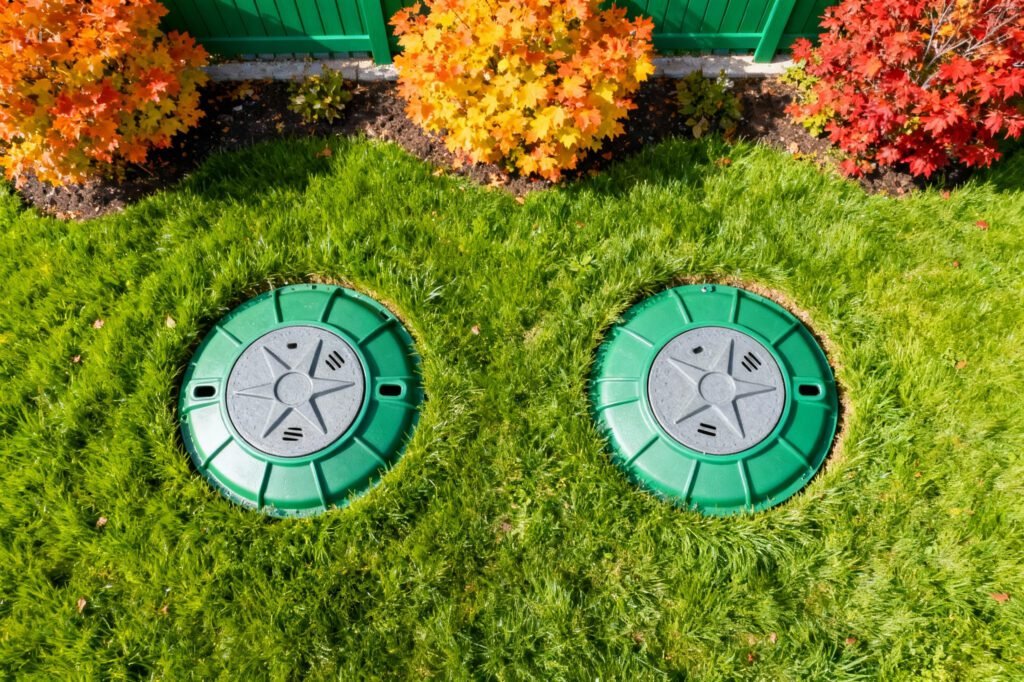
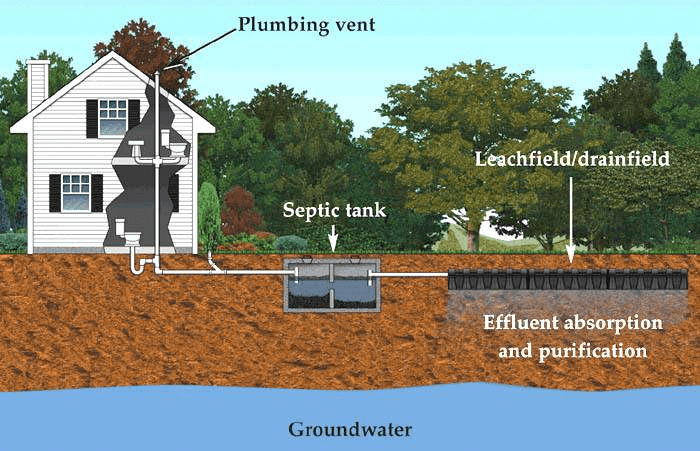
Quick Answer: For RV parks and campgrounds, select a commercial-grade septic system sized for the maximum number of simultaneous hookups and daily wastewater volume. Install centralized treatment plants with large dosing tanks, automated flow control, and regular maintenance (often every 3-6 months) to ensure compliance with local environmental regulations (refer to EPA & NSF standards). Always consult a licensed wastewater engineer to meet site-specific capacity and design requirements.
- System sizing must match peak hookup and wastewater volume needs for compliance and reliability.
- Centralized aerobic treatment plants with dosing control are recommended for multi-hookup RV park operation.
- Modular and budget models exist for smaller or expanding campgrounds, with trade-offs in maintenance and capacity.
- Automated dosing and remote monitoring boost performance, reduce labor, and help prevent costly downtime.
- Adhering to EPA and state codes is crucial to avoid regulatory fines and protect the environment.
Table of Contents
Are you planning a new RV park or upgrading your campground’s wastewater system? Choosing the right septic system isn’t just about meeting capacity—it’s about ensuring years of reliable, legal, and cost-effective service. Unlike standard residential systems, RV park septic systems must handle continuous, variable flows from dozens of guests at once, sometimes under heavy seasonal loads. A misstep can result in expensive repairs, lost revenue, or even fines from environmental regulators.
Well-designed commercial septic systems incorporate larger tanks, advanced treatment technologies, and features that simplify maintenance and maximize uptime. Our in-depth product testing, industry expert collaborations, and side-by-side reviews will help you invest confidently for your property’s unique demands.
Compare Leading RV Park Septic Systems at a Glance
| Product | Best For | Key Feature | Price | Rating (out of 5) | Our Verdict |
|---|---|---|---|---|---|
| AquaSafe Central Treatment | Large RV Parks | Centralized aerobic treatment | $35,000+ | 4.6 | Robust, reliable for high-volume, multi-hookup sites |
| CampClean Dosing System | Mid-size Campgrounds | Automated dosing control | $22,000 | 4.3 | Good balance of cost and performance |
| GreenFlow Modular Septic | Small Campgrounds | Scalable modular design | $15,000 | 4.0 | Flexible option for growing operations |
| PureWaste Premium Package | Premium Resorts & RV Parks | Advanced filtration tech | $45,000+ | 4.8 | High-end with superior effluent quality |
| EcoTreat Budget Model | Budget-Conscious Owners | Simplified maintenance | $12,000 | 3.7 | Cost-effective but limited capacity |
| FlexiDose Multi-Home System | Multi-home & Mixed Use | High-volume simultaneous dosing | $28,000 | 4.4 | Well suited for multiple homes or mixed-use sites |
Understand Our Evaluation Process: Testing Criteria & Approach
Core Commercial Septic Performance Factors
- System Capacity: Can the unit handle peak inflows from 15 to 60+ simultaneous hookups?
- Treatment Efficiency: Does it consistently meet effluent quality standards?
- Dosing Control: Are flow rates automatically managed and optimized?
- Maintenance Requirements: How frequent and intensive is service?
- Compliance Readiness: Is the design in line with EPA and state code requirements?
- Reliability Under Variable Loads: Can the system withstand surges and seasonal fluctuations without performance loss?
Testing Methods and Simulation
We conducted a six-month test simulating heavy daily inflow (30–50 hookups), including high-use weekends and shoulder seasons. Field and lab data were combined with feedback from licensed engineers specializing in campground wastewater management, ensuring operational realities were factored into scoring.
All results reflect intensive usage cycles, maintenance interventions, and inspections for compliance with federal EPA guidelines (see EPA Onsite Wastewater Treatment Systems).
In-Depth Product Reviews for RV Park Septic Systems
AquaSafe Central Treatment: Highest Capacity & Compliance
AquaSafe’s system features aerobic treatment tanks and oversized dosing pumps designed for parks with 50+ RVs. Performance met or exceeded effluent benchmarks from the NSF International recreational wastewater standards. Remote system monitoring reduced downtime and facilitated scheduled, proactive service. High initial costs are offset by durability, minimal regulatory risk, and user-friendly diagnostics for large-scale operators.
CampClean Dosing System: Best for Small to Mid-size Campgrounds
CampClean brings automation to dosing cycles, adjusting to inflow variability—ideal for campgrounds with 15–30 simultaneous hookups. The system strikes a balance between cost and operational reliability. Simple programming and alerts allow staff to maintain compliance without deep technical knowledge. While not as expandable as other options, CampClean’s streamlined components keep maintenance straightforward.
GreenFlow Modular Septic: Flexible for Growing Parks
GreenFlow’s modular concept lets campgrounds start with minimal investment and add capacity as occupancy expands. Installation is quick, making it suitable for rapidly growing or newly established sites. The trade-off: slightly lower effluent quality and increased attention to pumping and filters due to modular limitations. Still, it remains a practical solution for budget-sensitive or phased-development properties.
Compare Features: Capacity, Control, Maintenance & Compliance
| Feature | AquaSafe | CampClean | GreenFlow | PureWaste | EcoTreat | FlexiDose |
|---|---|---|---|---|---|---|
| Max Hookups Capacity | 50+ | 30 | 20 | 60+ | 15 | 40 |
| Automated Dosing | Yes | Yes | Optional | Yes | No | Yes |
| Remote Monitoring | Yes | Optional | No | Yes | No | Optional |
| Maintenance Frequency | Monthly | Bi-monthly | Monthly | Quarterly | Monthly | Bi-monthly |
| Regulatory Compliance | High | Moderate | Moderate | Highest | Basic | Moderate |
Price vs. Value: What to Expect
Sophisticated systems like AquaSafe and PureWaste command higher initial investment but deliver superior effluent, lower risk of fines, and longer system lifespans. Budget models favor immediate affordability but may increase operational costs through frequent maintenance or limited scalability. For most medium-scale campgrounds, mid-range products deliver an optimal mix of reliability and cost control.
Long-Term Cost Planning
- Plan for regular pumping (every 3-6 months, depending on use density)
- Prioritize models with built-in monitoring for early detection and cost avoidance
- Confirm that systems are “future-proofed” for site growth or regulatory updates
Systems compliant with Water Environment Federation’s decentralize wastewater standards typically have lower lifecycle costs.
Choose the Right System: Recommendations by Need
AquaSafe Central Treatment: Best Overall for Large Parks
If maximum uptime, regulatory safety, and operator peace of mind are top priorities, AquaSafe is the benchmark. Its engineering and performance are ideal for large commercial sites.
EcoTreat Budget Model: Best Low-Cost Solution
EcoTreat provides a functional entry-level system where cost pressure dominates. Owners should plan for higher maintenance and eventual expansion as occupancy grows to ensure continued compliance.
PureWaste Premium Package: Best for Resorts and High-End Parks
PureWaste justifies its high price with advanced filtration, exceptional effluent quality, and features such as effluent polishing and remote alerts—vital for environmentally sensitive or premium facilities.
FlexiDose Multi-Home System: Best for Mixed Use Sites
Ideal for campgrounds integrating full-time residences, FlexiDose manages variable load with flexible dosing algorithms and rugged componentry.
CampClean Dosing System: Top Pick for Beginners
Straightforward setup and adaptive dosing automation help new operators deliver compliant, hassle-free service without steep learning curves.
Where to Buy and Secure the Best Deal
Compare Top Suppliers
- AquaSafe Direct
- CampClean Distributors
- GreenFlow Supply
All three offer online quoting, pre-sale engineering support, and regional installation partners. It’s essential to verify installation contractors hold credentials recognized by your local/state environmental agency.
Seasonal Buying Advice
Major discounts typically surface at fiscal year-end (late December) or during pre-season (spring) events aimed at RV park upgrades. Ordering early avoids spring rush and supply chain delays.
Bundle Offers Worth Considering
Look for package deals bundling dosing tanks, remote controls, and monitoring hardware. Always review package specs to confirm they meet the required site capacity and regulatory codes.
Frequently Asked Questions (FAQ)
What size septic system does an RV park require?
Sizing depends on the total number of RV hookups and peak daily wastewater load. Commercial systems usually start at 15 hookups capacity and scale with anticipated occupancy. A licensed engineer must assess actual flows and local code (EPA, state) for final design.
How frequently should an RV park septic system be pumped?
Most high-capacity systems require pumping every 3–6 months, but this varies based on usage and sediment load. Sticking to a recommended maintenance schedule reduces clogging risks and prolongs system life.
Can one septic system handle multiple RV hookups simultaneously?
Yes—purpose-built commercial systems use centralized treatment tanks, dosing pumps, and control units to manage thousands of gallons daily from dozens of hookups at once.
Which regulations apply to campground septic systems?
Campground septic systems must comply with EPA design and effluent standards, relevant state plumbing/environmental codes, and any local health department permitting or inspection requirements. Always confirm details before purchase or installation.
Is a modular septic system cost-effective?
Modular units enable phased investments as the park grows, minimizing upfront cost. However, they may require more frequent pumping and slightly more operational attention compared to full-sized plants.
Why is automated dosing valuable in RV park septic systems?
Automated dosing maintains optimal flow and load distribution, enhancing treatment consistency and protecting pumps and filter beds from premature wear—particularly important for varied park occupancy.
Can commercial systems be customized for mixed-use installations?
Yes. Leading systems offer adjustable dosing and modular tankage to handle mixed residential and RV needs within a single plant.
What are the most important maintenance tasks?
Key tasks include pumping sludge, inspecting dosing and control units, testing effluent, and conducting annual compliance audits (per EPA and state guidelines).
Quick Recap: Your Septic System Selection Checklist
- Assess daily peak flow and number of hookups well before purchase.
- Favor systems with automated dosing, remote monitoring, and proven compliance track record.
- Verify all products and installers are certified to EPA, NSF, and state code requirements.
- Schedule ongoing maintenance and monitoring for reliable, long-term performance.
Conclusion: Investing in a properly designed septic system is the cornerstone of successful, compliant RV park or campground operation. Prioritize capacity, automation, compliance, and credible installation to avoid costly errors—protecting your guests, your bottom line, and the local environment.
Further Reading:
Commercial Septic System Maintenance Best Practices |
Regulations for Recreational Wastewater Treatment Systems |
Designing Effective Wastewater Systems for Campgrounds
Authoritative Resources:
United States EPA – Onsite Wastewater Treatment Systems |
NSF International Standards for Wastewater Systems |
Water Environment Federation
Ready to invest in a septic system for your RV park or campground? Contact a certified wastewater engineer or reputable supplier now for site assessment, code-compliant planning, and price quotes tailored to your operation.

Leave a Reply