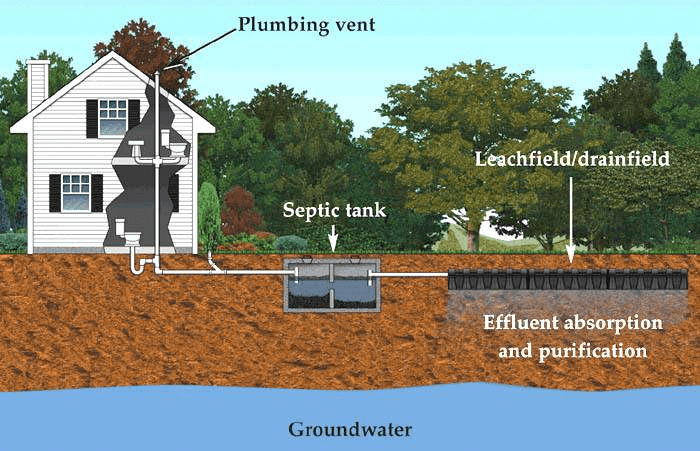
Quick Answer: Most septic tanks should be pumped every 3–5 years, but the ideal interval depends on your tank size, household usage, and whether you use a garbage disposal. Check sludge levels annually—if sludge fills 25% or more of the tank, schedule a pump immediately. Hiring a licensed professional is recommended. Pumping costs typically range from $250 to $500, per EPA and local health department guidelines.
- Regular pumping prevents costly repairs, backups, and environmental hazards.
- Actual frequency depends on household size, tank capacity, and disposal habits.
- Monitor sludge yearly and track with a notebook or electronic log.
- Hire certified professionals for safe, legal, and thorough septic tank cleaning.
- Minimize system wear by managing water usage and solids entering the tank.
Table of Contents
Ever wondered if you’re neglecting one of your home’s most critical systems? Proper septic tank maintenance isn’t just about avoiding surprise messes—it’s about protecting your investment, your property’s value, and your family’s health. With the right schedule and a few smart habits, you can minimize risk, lower costs, and preserve your septic system for decades. This comprehensive guide reveals how often you should pump your septic tank, what affects your specific timeline, and how to spot trouble before it impacts your home.
Get Ready: Preparation and Safety Measures
Gather Essential Tools and Materials
- Protective gloves and goggles
- Septic tank access tools (manhole cover wrench or pry bar)
- Measuring tape or tape measure
- Sludge judge (measuring device for sludge/scum layers)
- Flashlight with fresh batteries
- Notebook or digital log for recording sludge levels
- Calculator or access to a septic pumping interval calculator
- Disinfectant and cleaning rags
- Portable pump or septic service provider contact info
Follow Essential Safety Precautions
- Always wear gloves and goggles to protect from harmful bacteria.
- Maintain proper ventilation near tank opening; never inhale fumes.
- Never enter a septic tank—dangerous gases and oxygen deprivation can be fatal (per CDC, 2023).
- Keep children and pets at a safe distance.
- Use flashlights—avoid open flames near methane-producing areas.
Set Up Your Safe Work Area
- Clear and mark the area around the tank lid for safe access.
- Arrange tools within easy reach; remove debris and obstructions.
- If self-pumping (not recommended), confirm hose discharge complies with state and local codes.
- Otherwise, book a licensed septic pumping professional nearby.
Pump Your Septic Tank: Step-by-Step Implementation Guide
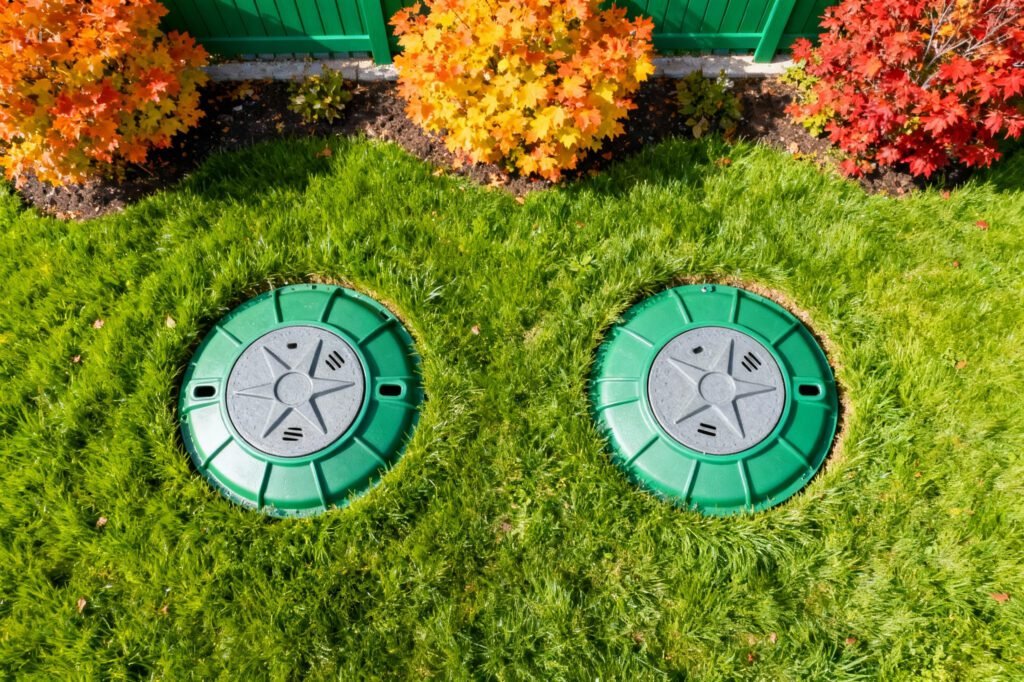
Step 1: Locate and Access Your Septic Tank Lid
- Use your property records, plans, or septic system maps to find the tank.
- Remove vegetation and debris from the lid area.
- Open the lid gently with proper tools to avoid seal damage and inhaling gases.
Step 2: Measure Sludge and Scum Layers
- Carefully insert a sludge judge or similar device straight down into the tank.
- Record the sludge thickness (bottom) and scum thickness (top).
- Log these in your maintenance notebook.
Step 3: Calculate Your Optimal Pumping Interval
- Enter your tank size, household size, and garbage disposal usage into a pumping interval calculator.
- Use calculator guidance (from EPA’s 2023 Best Practices) for more precise scheduling than the default 3–5 years.
Step 4: Schedule Professional Pumping
- If sludge plus scum equals ≥25% of liquid depth, or per your calculated interval, schedule professional pumping.
- Never attempt full pumping unless you are trained, permitted, and meet all local regulations (EPA, 2023).
Step 5: Close and Secure the Tank Safely
- Clean the lid and opening after pumping is complete.
- Seal the lid tightly to prevent hazards and odors.
Monitor Quality: Verifying Effective Septic System Pumping
Confirm Successful Pumping
- Check for odors or visible leaks around the access area over the next few days.
- Record post-pumping sludge and scum measurements.
- Effluent levels should remain stable with no backups.
Testing and Inspection Procedures
- Keep solid (sludge) levels below 25% of tank depth.
- Check effluent filter for blockages; clear if necessary.
- Schedule an annual professional inspection for assurance, as recommended by the National Association of Wastewater Technicians (NAWT), 2023.
Troubleshooting Issues After Pumping
- If odors persist or sewage backs up soon after pumping, check that the lid is sealed and tank is intact.
- Inspect for cracks, leaks, or a failing drain field (visible soggy ground, lush plant growth).
- Review records to ensure pumping schedule was appropriate for your household activity.
Maintain and Maximize Septic System Life
Routine Maintenance Tasks
- Never flush non-biodegradable items, chemicals, or grease.
- Conserve water by fixing leaks and using high-efficiency fixtures.
- Regularly check tank covers and visible system components for wear or damage.
Monthly and Seasonal Checks
- Use garbage disposals sparingly—minimize solids entering the system.
- Review and update sludge logs or digital monitoring if available.
- Clear access points and maintain easy lid visibility.
Spot Warning Signs—When to Repair or Replace
- Persistent sewage odors, soggy drain field, or indoor plumbing backups.
- Noticeable tank or lid cracks and leaks.
- Respond promptly—delays can result in major property damage and costly repairs.
Pro Tips and Advanced Techniques for Savvy Septic Owners
Reduce Pumping Frequency with Professional Tricks
- Install low-flow fixtures; fix leaks quickly to reduce water entering the tank.
- Limit garbage disposal use to slow solids accumulation.
- Redirect surface water away from the drain field to prevent overload.
Invest in Helpful Septic Tools and Accessories
- Sludge judge for accurate annual monitoring.
- Risers for safer, easier septic access year-round.
- Effluent filters to protect the drain field from solids.
Personalize Your Approach
- Install electronic sludge monitoring for automated notifications.
- Adjust pumping schedule around seasonal population changes or rainfall spikes.
Answers to Common Septic Tank Pumping Questions
How often should I pump my septic tank if I have a small household?
For homes with 2–3 people, most sources (EPA, NAWT) recommend pumping every 3–5 years, but factors like tank size and water usage may shift this interval. Always verify with a personalized calculator and track sludge levels annually.
What are warning signs that my septic tank needs pumping?
Common signs include slow household drains, strong odors around the tank or drain field, indoor sewage backups, or muddy, pooling water on the lawn above your system.
Can I legally pump my septic tank myself?
In most locations, self-pumping is not recommended or may not be permitted due to health and environmental risks (see EPA). Without proper equipment and disposal, penalties or contamination may occur. Always check your local codes first.
How does garbage disposal usage impact septic system costs and pumping frequency?
Garbage disposals add solids that accelerate sludge buildup, raising costs and shortening the pumping interval—sometimes doubling the pumping frequency, per EPA guidance.
What’s the average cost for septic tank pumping near me?
Expect to pay $250–$500 per service depending on tank size, waste volume, and your regional labor rates. Additional repairs or system cleaning can increase total costs.
How do I know my septic tank was pumped correctly?
A successful pump leaves sludge levels below 25%, eliminates on-site odors, and prevents backups or leaks. Document this in your maintenance log and request post-service confirmation from your provider.
Are there eco-friendly alternatives to traditional septic tank pumping?
Systems with bio-filters, aerobic treatment units, or composting toilets may reduce but not eliminate the need for pumping. Annual professional review remains important (see NAWT standards).
How can I safely extend the time between septic tank pumpings?
Adopt water-saving habits, avoid chemical or solid waste in drains, limit garbage disposal use, and monitor sludge with a judge or professional inspection yearly.
Table: Septic Tank Pumping Frequency and Cost Reference
| Household Size | Tank Size (gallons) | Recommended Pumping Interval | Estimated Cost (USD) |
|---|---|---|---|
| 1–2 people | 1,000 | 5–6 years | $250–$350 |
| 3–4 people | 1,000–1,250 | 3–5 years | $300–$400 |
| 5+ people | 1,500+ | 2–3 years | $400–$500 |
| With Garbage Disposal | Add any size | Pump every 1–2 years | Add $50–$100 per service |
Conclusion & Key Takeaways
Pumping your septic tank regularly is the best way to prevent system failures, environmental hazards, and expensive property damage. Most households benefit from a 3–5 year interval, but always tailor your schedule to tank size, occupancy, and solids load. Annual checks using a sludge judge and professional inspections ensure your system’s health. Trusted septic professionals and proactive maintenance protect your investment and peace of mind.
- Monitor sludge and scum layers annually and document findings.
- Hire only licensed, insured septic service providers for safety and compliance.
- Respond quickly to leak, odor, or backup warnings—never ignore them.
- Use referenced tools and EPA/NAWT/CDF guidance for the best results.
For more on septic inspection steps, component details, or how to choose a reputable provider, see:
References
- U.S. Environmental Protection Agency (EPA) – Septic Systems Overview
- National Association of Wastewater Technicians (NAWT) – Septic System Best Practices
- Centers for Disease Control and Prevention (CDC) – Septic System Safety Tips
Take Action: Estimate your next septic pumping date now—use our calculator, set a reminder, and schedule with a certified professional to keep your system clean and compliant!

Leave a Reply