Quick Answer: If your septic system shows warning signs—slow drains, persistent odors, or soggy patches—immediately stop water use, avoid harsh chemicals, and schedule a professional inspection if backups or sewage surfacing occur. DIY fixes like riser replacement or alarm reset can help with minor issues, but major repairs (such as drain field restoration or tank replacement) should follow EPA and local code requirements, costing $250–$15,000+. Regular pumping and maintenance are essential to prevent costly emergencies.
- Early detection of septic trouble prevents severe property and health risks.
- Common causes include blockages, tank overfilling, mechanical or structural failures, and soil saturation.
- DIY repairs are possible for minor issues; major system repairs require licensed professionals.
- Ignoring problems can exponentially increase repair costs and may violate environmental regulations.
- Routine pumping, inspections, and proper use extend system lifespan and reduce risks.
Table of Contents
Is your home’s septic system showing strange symptoms—slow drains, foul odors, or unusually soggy spots in your yard? Millions of U.S. households depend on septic systems, but nearly 10% experience failures annually. Since septic breakdowns can escalate quickly into costly, hazardous crises, early detection and prompt action are critical for safeguarding your property and family’s health. This guide shows you how to recognize, diagnose, and address the most common septic system repairs, decide between DIY and professional help, accurately estimate costs, and prevent future failures.
Understand Why Septic System Problems Happen
Identify the Leading Causes
- Blockages in Drain Field or Pipes: Accumulation of grease, wipes, or invading roots can clog pipes and impede wastewater flow.
- Tank Overfilling or Failure: Skipping regular septic pumping lets solids build up, leading to backups and reduced efficiency.
- Mechanical Failures: Pumps, alarms, and valves may corrode, malfunction, or break, disrupting the system’s operation.
- Soil or Drain Field Saturation: Heavy household water use or extended rain can saturate the soil, blocking absorption.
- Structural Damage: Cracked pipes or tanks can cause leaks, allowing sewage to escape or trigger collapse.
Contributing Factors That Make Repairs More Likely
- Poor system design or aging infrastructure
- Excessive water usage or frequent heavy loads
- Improper cleaners or chemical disposal
- Tree root intrusion or ground shifting
- Lack of routine professional maintenance
Diagnostic Self-Assessment Quiz
- Are multiple drains slow or backing up?
- Is there a persistent odor near your tank or drain field?
- Has your septic alarm sounded more than once?
- Do you see standing water or soggy patches around the septic area?
- Has your property experienced recent flooding or heavy rain?
Answering “yes” to two or more suggests your septic system likely needs repair.
How to Identify Your Specific Cause
Follow a Tiered Solution Framework for Repairs
Tier 1: Immediate Emergency Actions
- Stop all water use to reduce risk of overflow.
- Inspect your septic alarm and reset if it’s safe.
- Use only septic-safe plungers or gentle drain cleaners for minor clogs.
- Never use harsh chemicals—they kill beneficial bacteria and can violate environmental codes.
- If sewage backup is visible, call a licensed septic professional immediately.
Tier 2: Short- and Medium-Term Solutions
- Schedule professional septic tank pumping to clear solids.
- Fix or replace damaged tank risers, alarms, or mechanical components.
- Repair small pipe sections or risers for easier ongoing maintenance access.
- Switch to septic-safe cleaning products and practice water conservation.
- Do minor drain field repairs for local soil saturation, if trained and safe.
Tier 3: Long-Term and Professional Interventions
- Professional drain field restoration or full replacement.
- Comprehensive system inspection using camera diagnostics and flow testing.
- Replace entire septic tank or major piping when structurally necessary.
- Consider advanced water treatment or system upgrades for larger households.
Step-by-Step Repair Implementation Guides
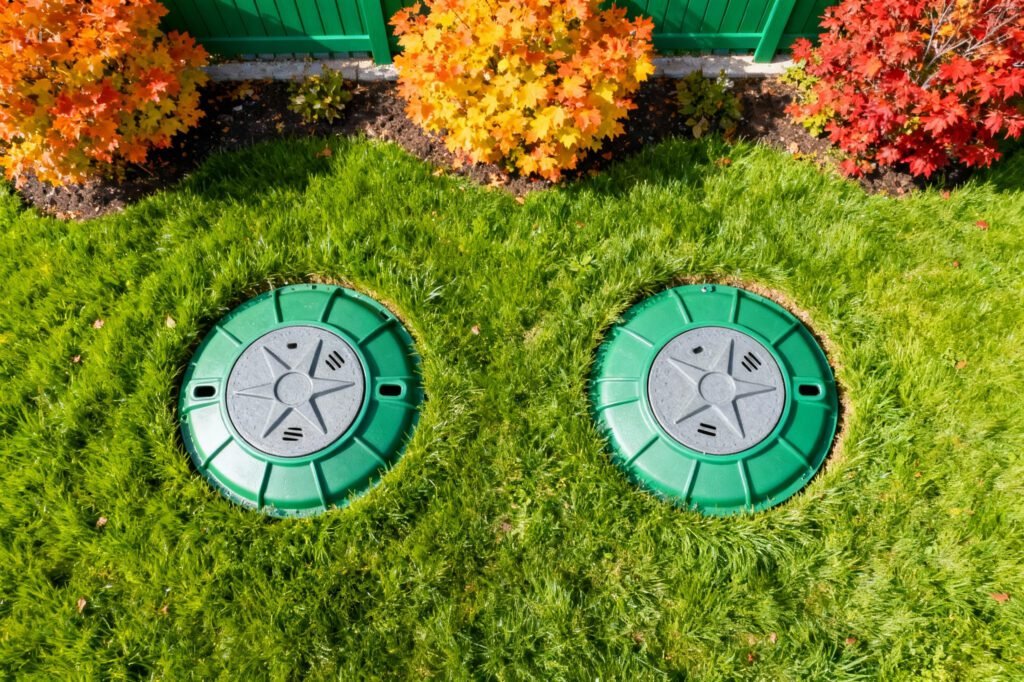
Install or Replace a Septic Tank Riser
- Locate and expose the septic tank lid; mark where the riser will be placed.
- Excavate carefully around the lid using hand tools to avoid pipe damage.
- Remove old riser (if present), clean and inspect the lid for wear or cracks.
- Install a modern riser with a secure, locking lid for safe, future access.
- Backfill soil firmly and check for any leaks.
- Dispose of debris and old materials according to local regulations.
Troubleshoot and Reset Your Septic Alarm
- Verify the alarm panel is active and triggering correctly.
- Confirm a steady power supply and reset if needed.
- Inspect the tank’s float switch placement—(do not open septic tank unless trained).
- Clear visible debris from around the sensor or float.
- If safe, test the alarm by raising water level with a bucket.
- Call a septic professional for electrical or persistent alarm faults.
What to Expect From Professional Septic System Repair
- Comprehensive inspection—tank integrity, mechanical parts, and drain field assessment.
- Video diagnostics and performance testing as recommended by the EPA and local health departments.
- Clear written estimate with repair vs. replacement options and code compliance details.
- All work performed by licensed technicians with proper permits, per Environmental Protection Agency standards (EPA, 2023).
- Post-repair maintenance scheduling and support.
Implement Ongoing Septic System Prevention Strategies
Daily and Weekly Preventive Habits
- Limit water use—avoid running laundry, dishwasher, and showers simultaneously.
- Never flush non-biodegradable items or cooking grease.
- Use only septic-approved detergents and cleaners.
- Keep vehicles, equipment, and livestock off drain field zones.
Routine Maintenance Checklist
- Test alarm panel and clean floats every quarter.
- Visually inspect lids and risers for cracks or storm damage.
- Schedule septic tank pumping every 3–5 years (as recommended by EPA and local codes).
Set Up Early Warning Monitoring Systems
- Install or maintain a reliable septic alarm system.
- Check for standing water or foul odor in the drain field monthly.
- Monitor for slow drains inside, especially during rainy periods.
Make Environmental and Usage Modifications
- Redirect roof drains away from the septic field.
- Plant shallow-root turf above drain fields to reduce erosion and root invasion.
- Stagger toilet flushes, laundry, and bathing to avoid hydraulic overloads.
Compare Costs: DIY vs. Professional Septic Repairs
| Repair Type | DIY Cost (Materials Only) | Professional Cost (Average Range) | Time Investment |
|---|---|---|---|
| Tank riser replacement | $75–$300 | $250–$600 | 3–8 hours DIY |
| Septic-safe cleaners/tools | $20–$50 | N/A | 1–2 hours |
| Diagnostic test kits | $30–$100 | N/A | 1–2 hours |
| Tank alarm/pump replacement | N/A | $400–$1,000 | 1–4 hours |
| Drain field repair | N/A | $1,000–$5,000+ | Varies |
| Full system replacement | N/A | $5,000–$15,000+ | Multi-day |
Understand Insurance and Warranty Factors
- Check if your home warranty covers septic repair (many exclude normal wear).
- Some homeowner policies may not cover septic or drain field failures.
- Professional repairs generally include workmanship warranties; DIY fixes may void these.
- Always clarify terms before attempting any repair yourself.
Verify Success and Quality After Repair
Checklist: Confirm the Issue Is Resolved
- All drains flow normally and no backups occur for several weeks.
- The septic alarm is silent under normal use.
- Yard is dry, with no unpleasant smells near tank or drain field.
- Professional inspection verifies tank and drain field health.
Test and Validate the System
- Perform water load tests during high-use days and monitor for slowdowns.
- Check your septic alarm for proper function monthly.
- Follow up with a video camera inspection when possible for confirmed repairs.
Establish a Follow-Up Maintenance Plan
- Pump tank every 3–5 years per EPA guidelines.
- Semi-annual alarm and float switch checkups.
- Schedule annual pro system inspections—even if no symptoms appear.
- Take action on any warning signs immediately.
Escalate Issues: Know When to Call a Professional
Immediate Red Flags—Stop DIY and Seek Expert Help
- Visible sewage backup into sinks, tubs, or toilets.
- Persistent surface sewage or pooling in your yard.
- Noticeable septic tank collapse or standing water after heavy rain.
- Alarm activations with no obvious cause.
- Any household health symptoms related to septic leaks (e.g., nausea, headaches).
Find and Vet the Right Septic Repair Pro
- Search for licensed, certified local providers specializing in septic systems (verify via EPA and local agencies).
- Check professional licenses, insurance, and permits required for your project.
- Review customer ratings and request multiple references.
- Get two or more written estimates, including warranty and environmental compliance details.
Questions to Ask Your Repair Provider
- Are you experienced with our specific septic system model?
- Is emergency service available and what is expected response time?
- Do you handle permits and stay up to date on local environmental regulations?
- What is the specific warranty on repairs or parts?
- Can you provide a written estimate with itemized costs and turnaround timeline?
Frequently Asked Questions (FAQ)
What causes a septic system backup?
Backups usually result from blockages in pipes, failure to pump the tank on schedule, or problems in the drain field that prevent wastewater from dispersing.
How can I tell if my septic alarm is malfunctioning?
A malfunctioning alarm might sound without evident septic issues, or stay silent during a backup. Replace batteries and consult a professional if the problem persists.
Can I replace septic system parts myself?
Skilled homeowners can replace basic parts like risers or alarm batteries. All other repairs, especially to pumps or tanks, require licensed expertise for safety and code compliance.
How often should I pump my septic tank?
Every 3 to 5 years, according to household size and use, as per EPA recommendations (EPA, 2023).
Is using chemical drain cleaners safe for my septic system?
No. Harsh chemical drain cleaners can kill essential bacteria in your tank, increasing the risk of system failure (per CDC safety guidelines, 2023).
What are early warning signs of septic system failure?
Watch for slow drains, persistent foul odors, soggy areas near the drain field, and frequent alarm activations.
How much does septic system repair usually cost?
Minor repairs and maintenance may be a few hundred dollars; major work like drain field or tank replacement ranges from $1,000 up to $15,000 or more.
What should I do if sewage backs up into my home?
Stop all water use instantly and call a licensed septic repair emergency service to minimize contamination and property damage.
Can tree roots damage my septic system?
Absolutely—tree roots commonly invade pipes or tanks, causing leaks and blockages. Routine inspection is necessary (NAWT).
Does homeowner’s insurance cover septic repairs?
Coverage is variable, but most policies exclude damage from lack of maintenance. Always verify with your insurer in advance.
How can I prevent septic system problems?
Regular tank pumping, water conservation, avoiding flushable wipes and grease, and periodic inspections are the best prevention steps (EPA).
When is it time to replace my septic system?
If repair costs become excessive, the system approaches 30+ years old, or the drain field fails irreparably, replacement is your safest option.
Helpful Resources
- U.S. Environmental Protection Agency (EPA) — Septic Systems
- National Association of Wastewater Technicians (NAWT)
- CDC — Septic System Safety
Related Guides
- How to Maintain Your Septic System: Best Practices for Longevity
- Signs Your Home Needs Sewer Line Repair: What to Look For
- Choosing the Right Plumbing Professional for Septic Services
- DIY Plumbing Repairs: When to Fix It Yourself and When to Call a Pro
Recognizing septic system trouble early, understanding the root causes, and taking prompt, code-compliant action are essential for protecting your home’s safety and value. Simple DIY repairs like riser replacement or alarm resets can solve minor problems, but professional help ensures major repairs comply with EPA, CDC, and local standards—avoiding legal and health hazards. Regular pumping, inspections, and water-wise habits offer the best long-term safeguard against costly failures. When in doubt, always consult licensed local professionals to ensure safe, effective repairs and worry-free system operation.
Need fast, reliable septic system help?
Contact a certified local septic professional or review our guide to selecting reputable contractors to restore your system with confidence!

Leave a Reply