Quick Answer: If you notice sewage backups, persistent foul odors, unusually lush or soggy grass over your drain field, or slow drains, your septic system may be failing. Act immediately: stop water use, never attempt pumping yourself (it’s illegal and unsafe per most state codes), contact a licensed professional for urgent assessment, and schedule pumping or repairs as needed. Early action can prevent expensive repairs, property damage, and environmental contamination.
- Sewage backups or slow drains signal system distress needing prompt attention.
- Lush or wet grass over the drain field can mean wastewater surfacing—increasing contamination risks.
- DIY repairs are unsafe and illegal; only licensed professionals should perform septic pumping or major repairs (EPA, CDC).
- Neglecting maintenance accelerates system failure and increases repair costs.
- Regular inspections, water conservation, and correct household waste practices keep your system healthy.
Table of Contents
Have you noticed mysterious puddles in your yard, foul odors drifting through your home, or drains suddenly slowing down? A failing septic system can turn these subtle inconveniences into costly emergencies. With about 20% of US homes relying on septic systems (EPA, 2021), recognizing early warning signs is vital to avoid health hazards, property damage, and expensive repairs. Left unchecked, a hidden septic issue escalates—not only affecting your family’s comfort but also risking local groundwater and the environment.
Read on to learn how to spot, diagnose, and resolve septic system failure—before it becomes a full-blown disaster.
Analyze the Root Causes Behind Septic System Failure
Identify the Primary Causes
- Clogged Pipes or Filter: Solids, grease, and debris accumulate, blocking wastewater flow (EPA Septic Guide, 2022).
- Drain Field Saturation or Damage: Excessive water or physical disruption prevents proper soil absorption, causing pooling or backup.
- Septic Tank Overload or Mechanical Failure: Undersized or overdue tanks allow solids to enter the drain field, leading to blockages or system backup.
- Tree Root Intrusion: Roots invade tanks and pipes, causing cracks or blockages (CDC Septic Maintenance, 2022).
- Improper Usage: Flushing chemicals, wipes, or other non-biodegradable items damages system function.
Understand Contributing Risk Factors
- Heavy rainfall or local flooding around the drain field area.
- Seasonally high groundwater levels inhibiting soil drainage.
- Lack of regular septic pumping and scheduled maintenance.
- High use of garbage disposals—adds solids burden to tank.
- Sudden increases in household water usage (large gatherings, appliances).
Take the Diagnostic Self-Assessment Quiz
- Are your drains slow or backing up inside the home?
- Do you notice foul odors near your septic tank or drain field?
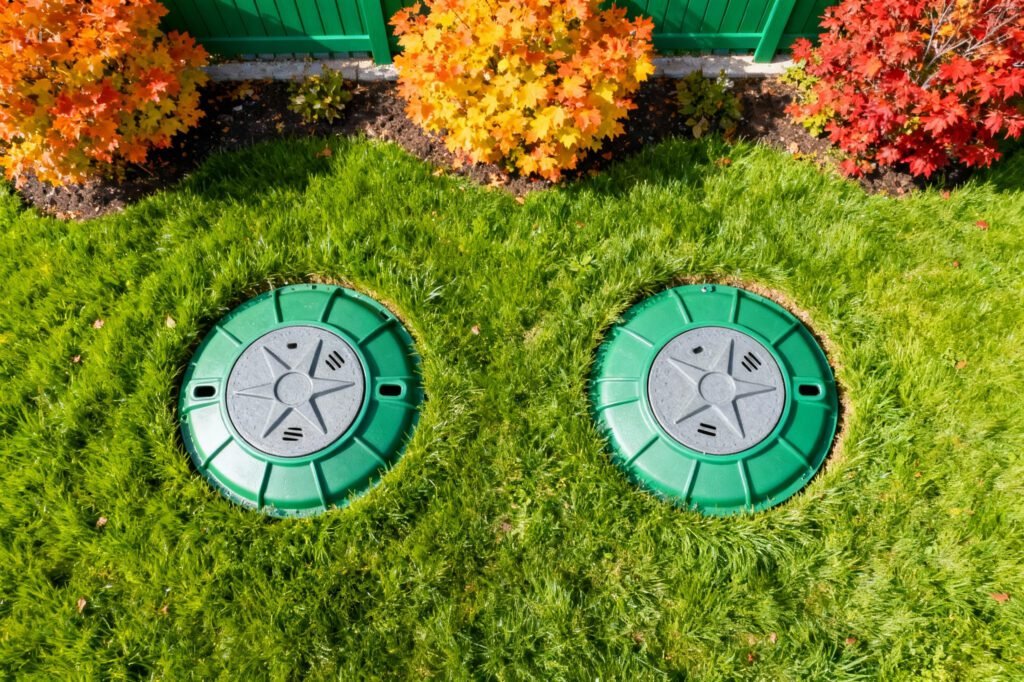
- Is there unusually lush or soggy grass over the drain field?
- Have you seen sewage surfacing in your yard or near water sources?
- When was your septic tank last pumped?
If you answered “yes” to any of these questions, your system may be failing—further professional inspection is recommended.
Determine Your Septic System’s Issue
Use a step-by-step flowchart to connect observed symptoms to likely causes—such as blockages, overload, or drain field failure. This helps you choose the most suitable next steps.
Implement Solutions for Failing Septic Systems
Tier 1: Take Immediate Emergency Actions
- Cease all water use in the home to relieve backup pressure (never pump your tank yourself—see EPA and local law requirements).
- Apply septic-safe enzyme treatment for short-term solids breakdown (if advised).
- If safe, contain/remove standing sewage; avoid all direct contact.
- Call a licensed septic contractor for urgent vacuum pumping or line clearing.
Tier 2: Address Medium-Term Issues
- Schedule professional septic tank pumping to eliminate solids overload.
- Repair or replace clogged filters and minor pipe blockages.
- Divert water sources and remediate saturated drain field areas.
- Practice water conservation and stagger appliance use to reduce load.
Tier 3: Implement Long-Term/Professional Solutions
- Replace or expand the drain field when failure is beyond repair.
- Install advanced treatment units as required for high-demand households or stricter local codes (see EPA guidelines section 3.4, 2022).
- Conduct professional camera pipe and tank integrity inspections.
- Redesign or upgrade outdated system components.
Follow Step-by-Step Resolution Guides
Septic Tank Pumping: Safe and Complete Instructions
- Locate tank cover: Refer to your property map or installation records.
- Contact a licensed septic technician—never attempt pumping yourself.
- Arrange for service to remove tank sludge and scum per EPA recommendations.
- During pumping, request inspection of baffles and tank structure for signs of wear or breakage.
- Follow the technician’s recommendations for needed repairs or future maintenance intervals.
Clearing a Clogged Drain Field: Homeowner Checklist
- Identify soggy or especially green grass as likely trouble areas.
- Immediately reduce household water use to prevent further saturation.
- Avoid driving or placing heavy items over the drain field to prevent compaction.
- Schedule an expert drain field assessment—professional flushing, repair, or rerouting may be necessary.
- Divert rainwater from roof runoff using gutters or downspouts away from the area.
Professional Septic System Repair: What to Expect
- Technician inspects your entire system (may use cameras for pipe/tank visuals).
- Diagnoses issues such as pipe breaks, root infiltration, tank or drain field failure.
- Provides written repair estimates and obtains required permits (per local code and EPA/CDC guidelines).
- Completes repairs to meet current safety, code, and environmental standards (see EPA overview).
- Performs post-repair system tests to confirm restoration of normal function.
Apply Septic System Prevention Strategies
Daily/Weekly Maintenance and Use Tips
- Only flush human waste and toilet paper—no wipes, sanitary items, or chemicals (EPA, CDC guidance).
- Use water-efficient appliances; spread laundry and dishwasher loads out.
- Inspect the grounds for wet patches, unusually green grass, or odors.
Monthly to Quarterly Maintenance Routines
- Employ septic-safe enzyme additives each quarter as recommended.
- Monitor for possible leaks or water surges by checking meter readings and usage trends.
- Schedule annual (or recommended frequency) pro inspections; keep documentation.
Early Warning Monitoring
- Track sink/toilet drain times and compare monthly to catch declines in performance.
- Look for unusual lawn changes over the septic area.
- For large properties, deploy a basic moisture meter or soil probe near the drain field.
Environmental and Usage Modifications
- Install gutter/downspout extensions to prevent surface water from reaching your drain field (CDC Septic System Maintenance, 2022).
- Minimize or discontinue garbage disposal use to limit tank solids.
- Plant trees/shrubs away from septic pipes and tanks to prevent root intrusion.
Compare Septic Repair Costs: DIY vs. Professional
| Service / Item | DIY Cost Estimate | Professional Cost Estimate |
|---|---|---|
| Septic-safe Enzyme Treatments | $20–$50 per application | N/A |
| Basic Inspection Tools | $50–$100 one-time | N/A |
| Septic Pumping | N/A (DIY illegal/unsafe) | $300–$600 per service |
| Minor Repairs (Filters, Pipes) | N/A (Professional only) | $150–$800 |
| Drain Field Repair/Replacement | N/A (Professional only) | $2,000–$10,000+ |
| Full System Replacement | N/A (Professional only) | $10,000–$30,000+ |
Note: Pumping and most repairs require professional licensing and equipment for legal and safety reasons (EPA, CDC).
Consider Insurance and Service Warranties
- Homeowner’s insurance rarely covers septic failures unless caused by external, insurable events (e.g., flooding).
- Some septic contractors offer limited service warranties—clarify terms before agreeing to work.
Verify Septic Repair Success and Ongoing Health
Know Your Septic Problem Is Fixed
- No recurrence of backups, slow drains, or sewage odors after normal water use resumes.
- Normal, dry soil and vegetation above the drain field—no standing water or wet patches.
Testing and Validation Procedures
- Request a professional “water load test” of the tank and drain field capacity (refer to local health department criteria).
- Use video camera inspection to confirm pipe and tank integrity, free of roots or blockages.
- Conduct bacterial safety tests in any affected wells or adjacent water sources as needed.
Recommended Follow-up Monitoring Schedule
- Get a post-repair professional inspection 1–3 months after service.
- Schedule semi-annual system performance checks for two years.
- Pump the tank every 3–5 years, or as advised by your system professional.
Escalate to a Professional When Necessary
Major Red Flags: Call a Septic Expert Now
- Sewage backing up inside home toilets, sinks, or tubs.
- Visible sewage surfacing above ground, especially near your home or drain field.
- Persistent, strong raw sewage odors indoors or outdoors.
- Any signs of gastrointestinal illness linked to well water or household contact.
Find and Vet a Qualified Septic Professional
- Ensure contractor holds valid licenses and current certifications for your state.
- Review customer testimonials or online ratings, especially for septic repairs.
- Request detailed, written estimates and full scopes of work before signing.
- Verify their compliance with local health/environmental codes and that they obtain all necessary permits.
Ask the Right Questions Before Hiring
- How many years of experience do you have with septic repairs?
- Are you fully licensed and insured for this type of work?
- Do you offer written maintenance plans or repair warranties?
- What methods and equipment will you use for diagnosis?
- What is your typical emergency response time?
Frequently Asked Questions (FAQs)
What causes a septic system backup?
Most backups occur due to pipe blockages, a full or broken septic tank, or a saturated drain field that can’t absorb any more wastewater. Prompt diagnosis is needed to prevent further damage (EPA Septic Systems Overview, 2022).
How can I tell if my septic system isn’t draining?
Watch for slow-draining sinks or toilets, foul odors near septic areas, and standing water or lush grass above your drain field—signs of poor drainage or system failure.
What does a failing septic system drain field look like?
Look for soggy, uneven, or especially green grass where sewage may be surfacing, even if the surrounding yard appears dry.
How often should I pump my septic tank?
Most homes require pumping every 3 to 5 years, based on household size and water usage (EPA, 2021). Ask your professional for a site-specific schedule.
Can I repair my septic system myself?
Minor enzyme treatments may be DIY-safe, but pumping and structural repairs require licensed professionals under state law. DIY septic tank pumping is illegal and dangerous (EPA, CDC, local health departments).
What are the early warning signs of septic system failure?
Early symptoms include slow or gurgling drains, unusual sewage odors, wet spots above your drain field, and patches of lush grass.
How much does septic system repair cost?
Costs range from $150–$800 for minor repairs to $2,000–$10,000+ for drain field replacement and $10,000–$30,000+ for full system replacement (EPA, CDC reference).
Is septic system failure an emergency?
Yes—sewage backups or surfacing are emergencies requiring immediate licensed professional intervention to prevent health and property risks.
Can heavy rain cause septic problems?
Absolutely. Heavy rain saturates the drain field and soil, hindering proper wastewater absorption and often resulting in backups (EPA, CDC, NOWRA).
How do I maintain my septic system to avoid problems?
Regular tank pumping, prompt repairs, mindful water use, not flushing inappropriate items, and professional inspections are all critical to long-term septic system health.
Useful Resources and Next Steps
- EPA Septic Systems Overview
- National Onsite Wastewater Recycling Association
- Centers for Disease Control: Septic System Maintenance
- Septic Tank Maintenance Tips
- How to Find Reliable Septic System Repair Professionals
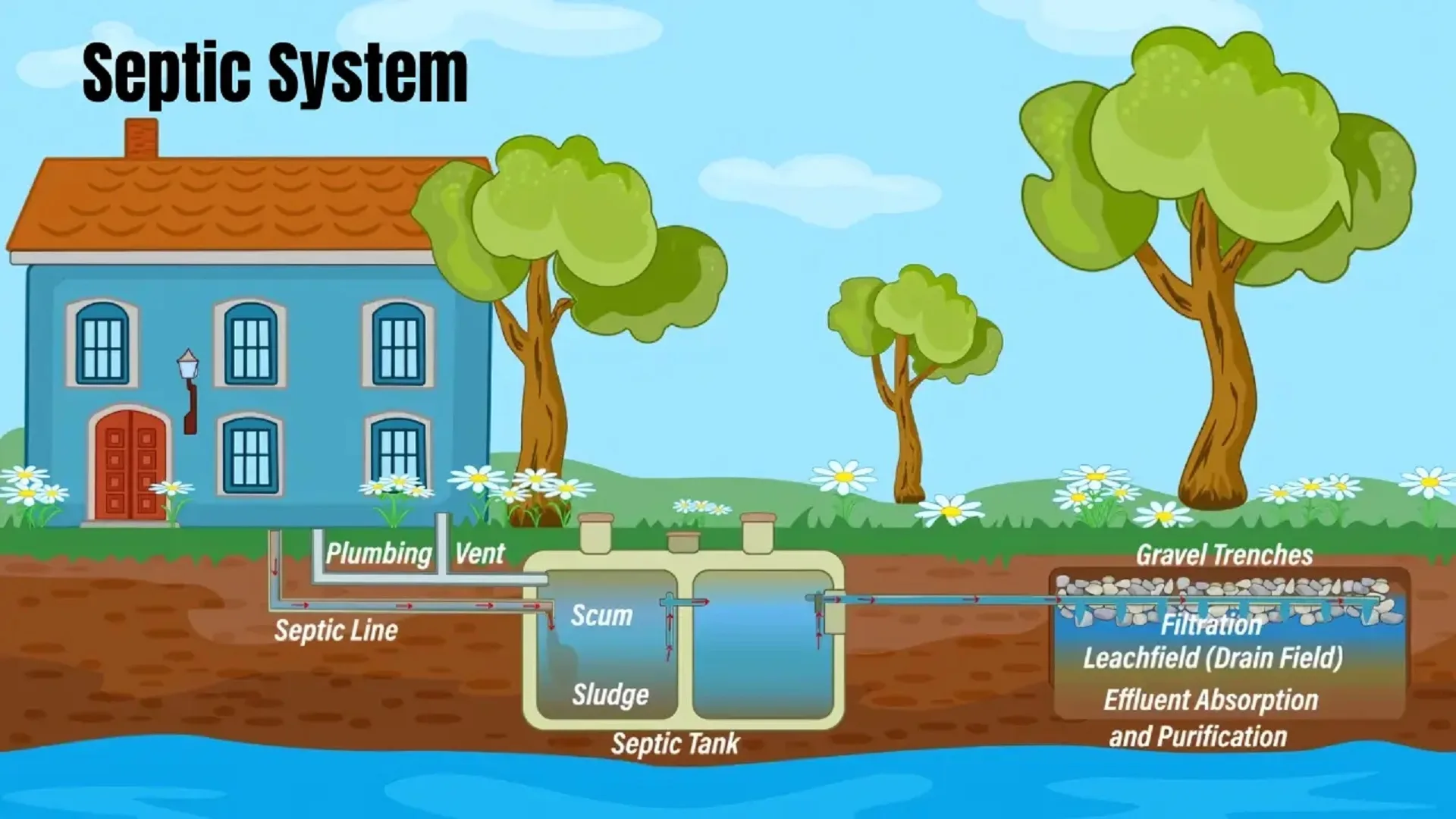
- Understanding Your Septic System Components
- Water Conservation Techniques for Homeowners
- Common Septic System Problems and How to Solve Them
Key Takeaways
Early recognition and swift response to septic system failure symptoms can save you thousands in repairs and prevent health and environmental hazards. Key signals—sewage backups, foul odors, lush grass over the drain field—should never be ignored. Regular maintenance, responsible water usage, and professional intervention when needed are your best defenses against septic disasters. For safe, legal septic repair, always work with a licensed, reputable professional and consult EPA and CDC resources for guidance.
Don’t wait until a minor issue becomes an emergency. If you notice any signs of septic failure, contact a licensed septic professional immediately for an inspection and protect your home, health, and investment!

Leave a Reply