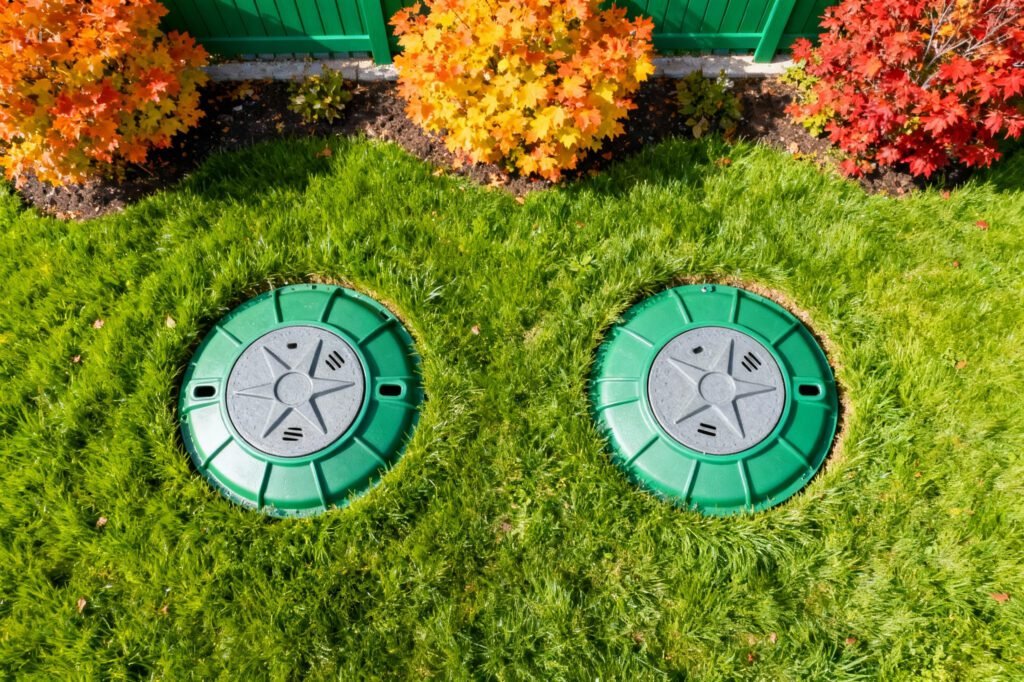
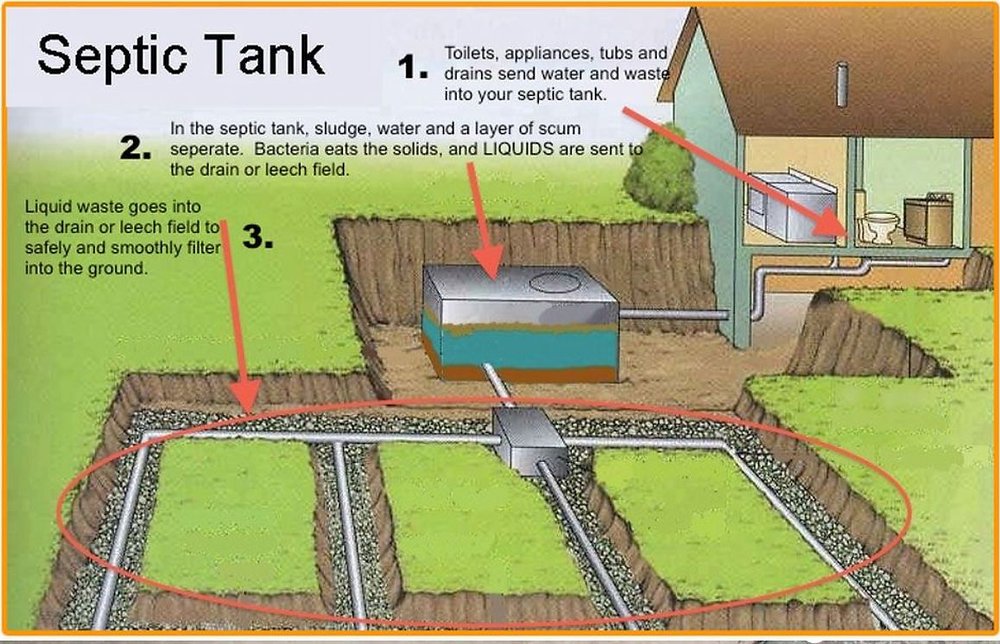
Quick Answer: Extend your septic system’s lifespan by following these essential steps: schedule annual professional inspections, pump your tank every 3–5 years, conserve household water, protect the drain field, and avoid flushing chemicals or non-biodegradable materials. Always use personal protective equipment during maintenance, and never enter a septic tank yourself—only qualified professionals should perform tank entry or internal inspections (per EPA and state sanitation codes).
- Regular inspections and pumping prevent early system failure.
- Water conservation reduces strain on septic components and drain fields.
- Drain field protection is critical to avoid clogs and environmental hazards.
- Proper waste disposal preserves essential bacteria and system health.
- Routine monitoring and professional help safeguard long-term, reliable operation.
Table of Contents
Are you worried about unexpected septic failures or the high cost of premature system replacement? With the right maintenance strategies, you can add 10–15 years to your septic system’s life, sidestep costly repairs, and protect your property’s value. This guide delivers step-by-step instructions—grounded in EPA and local health department recommendations—to help homeowners, even with basic DIY skills, achieve long-term, trouble-free septic performance.
Prepare Your Workspace and Stay Safe
Gather Essential Tools and Materials
- Protective gloves and eyewear
- Screwdriver set and adjustable wrench
- Septic tank riser extension tools (if applicable)
- Soil probe or septic inspection tools
- Water flow meter (optional)
- Septic tank maintenance logbook
- Heavy-duty flashlight
- Bio-enzymatic septic treatment additives (optional)
Follow Safety Precautions and Use Proper Gear
Septic tanks harbor dangerous bacteria and gases. Always wear gloves and protective eyewear near the system. Do not touch effluent or tank sludge directly. Ensure ventilation, and never allow children or pets in the area during maintenance. If any strong odor is present, wait for fresh air circulation before approaching. Never enter a septic tank yourself—OSHA and EPA strictly recommend leaving all confined-space entry to licensed professionals due to suffocation and toxic gas risks.
Set Up Your Workspace
Clear debris and vegetation from around the septic tank, pipes, and drain field. Mark risers and lids for straightforward access. Ensure a safe path for pumping equipment or service vehicles. Prepare your maintenance logbook (or a digital equivalent) to record inspections, pumping dates, and components checked. Always have emergency phone numbers for certified septic service providers on-hand.
Step-by-Step Guide: Extend Your Septic System’s Lifespan
- Inspect System Components Thoroughly
Begin with a careful inspection covering the tank, inlet/outlet pipes, baffles, and drain field ports.
Use a soil probe to test for soggy or saturated spots above the drain field—these may indicate clogs or failure. Document damage, cracks, or surface water pooling, and photograph areas of concern for future reference. Schedule an annual professional inspection (EPA, 2023) to supplement your DIY checks. - Stick to Regular Pumping Schedules Pump the septic tank every 3 to 5 years—more often for large households, smaller tanks, or heavy water use (CDC, 2024). Log every pumping date. Delaying pumping lets solids enter and clog the drain field, drastically shortening system life.
- Conserve Water to Reduce Hydraulic Stress Reduce excess water flow by repairing leaks, installing high-efficiency fixtures, and spacing out laundry loads. Excess water flushes solids, weakens beneficial bacteria, and overloads the drain field. Use a water flow meter for precise monitoring and set household water conservation goals.
- Protect the Drain Field
Never drive or park vehicles on your drain field. Avoid planting woody trees or shrubs nearby—roots can breach pipes and restrict drainage. Keep the area free of debris, compacting, or non-permeable materials, and maintain grass cover to support proper evaporation and filtering. - Use Septic-Safe Waste Practices Only human waste and toilet paper should go down the drain. Do not flush chemicals, anti-bacterial soaps, grease, diapers, or wipes. Educate all household members on these rules to keep bacteria functioning optimally and prevent expensive repairs.
Quality Control: Monitoring and Testing Your Septic System
Check for Early Warning Signs
- Observe for slow drainage, foul odors, or persistent sogginess above the drain field.
- Inspection pipes should remain clean, showing no overflow or solids during visual checks.
- Record any unusual sights, smells, or sounds and reference them at each inspection cycle.
Employ Professional Testing and Trend Tracking
Each year, schedule professional inspections that include:
- Sludge and scum layer measurement
- Septic tank water level checks
- Optional percolation/soil absorption tests
- Video pipe or baffle inspections
Maintaining a record of these data points over time will help you identify emerging problems and optimize maintenance intervals.
Troubleshoot and Resolve Common Issues
| Symptom | Possible Cause | Action Required |
|---|---|---|
| Persistent odors | Poor venting or loose lids | Check and seal lids, ensure vents are clear |
| Slow drains | Clogged filter or failing drain field | Clean filters, consult a professional if unresolved |
| Soggy lawn after rain | Drain field saturation | Have soil evaluated and consider redesign |
Maintain and Care for Your Septic System Long-Term
Daily/Weekly Maintenance Tasks
- Monitor for leaks or excessive water usage
- Never flush prohibited items
- Quickly address unusual odors or slow drains
- Keep tank and drain field access clear
Monthly/Quarterly Inspections
- Visually inspect riser lids and exposed pipes for shifts/cracks
- Look for wet areas or foul smells on the drain field
- Check for grading or drainage pattern changes on your property
Recognize Signs of Wear and Know When to Replace
- Persistent backups, baffle damage, or dark effluent surfacing are red flags
- If pumping is required more often than every three years, or drain field is chronically saturated, system may need replacement
- Arrange a professional assessment promptly to prevent contamination and costly property damage
Expert Tips and Advanced Options
Improve Efficiency with Professional Strategies
- Install an effluent filter at tank outlet to keep solids out of the drain field
- Use smart water timers for irrigation and avoid overwatering adjacent to the drain field
- Schedule tank pumping during drier weather to limit soil disruption
Top Tools and Accessories for Homeowners
- Soil moisture sensors for early drain field saturation detection
- Inspection cameras for checking pipes and tank baffles
- Heavy-duty riser extensions for safe, easy tank access
Consider Custom Upgrades
- Use bio-enzymatic additives to optimize bacteria, but only as a supplement to regular pumping (not a substitute)
- If major repair or replacement is needed, consider watertight tanks or engineered drain field systems for advanced groundwater protection and compliance
- Integrate home water monitoring/alert systems for proactive management
Frequently Asked Questions
How often should I schedule a septic system inspection?
Arrange a professional septic system inspection at least once per year (EPA, 2023). Tanks should typically be pumped every 3–5 years, based on system size and household usage. Consistent inspections are the best way to catch minor issues before they become major expenses.
What are the key maintenance do’s and don’ts?
Do: Pump your tank regularly, conserve water, keep heavy vehicles and deep-rooted trees away from the drain field.
Don’t: Flush chemicals, grease, wipes, or non-biodegradables; or plant trees near drainage lines. These practices protect healthy bacteria and structural integrity.
Does conserving water really extend septic system life?
Absolutely. Reducing daily water use minimizes hydraulic load, prevents over-saturation of the drain field, and lessens wear on tank components—directly adding years to your system’s lifespan.
What are the warning signs that my septic system needs professional help?
Frequent slow drains, foul odors, standing water on the lawn, or any sign of sewage backup require prompt professional inspection. Delaying can quickly lead to expensive repairs or environmental risks.
Are chemical additives safe for septic systems?
Most chemical additives are discouraged, as they harm essential microbes and may damage tank components (EPA, 2023). Only use bio-enzymatic treatments approved by septic professionals and never as substitutes for pumping or inspection.
What steps best protect my septic drain field?
Prevent all vehicle traffic and deep-rooted landscaping over your drain field. Restrict access to grass or shallow-rooted plants only. Clear any debris regularly to ensure even drainage and protect system function.
When does a septic system require full replacement?
Replacement is usually required when tanks leak, baffles collapse, or the drain field is irreversibly clogged or saturated, despite repeated repairs. A professional evaluation will confirm when repair is no longer cost-effective or compliant.
How much does ongoing septic maintenance cost?
Expect to pay several hundred dollars for inspections and pumping every few years—a fraction of the $8,000–$15,000 cost for full replacement due to neglect. Regular upkeep is always more affordable and safer for the environment.
Authoritative Resources
- Environmental Protection Agency (EPA): Septic Systems Guide
- U.S. Department of Health and Human Services: Maintaining Your Septic System
- National Onsite Wastewater Recycling Association (NOWRA)
Quick Recap: By sticking to a regular cycle of inspection, pumping, and smart waste and water management, you’ll maximize your septic system’s lifespan and avoid expensive, disruptive replacements. Adopt these habits now and secure long-term peace of mind, healthy property, and compliance with all state and EPA guidelines.
Ready to protect your septic investment? Start your custom maintenance plan today, or schedule a professional inspection now for complete peace of mind.

Leave a Reply