Quick Answer: A septic system uses a tank and leach field to treat household wastewater safely through bacterial digestion and soil filtration, protecting groundwater and public health. A cesspool is an older, now mostly illegal solution—a pit that collects and stores raw sewage, letting it percolate directly into the soil without treatment, posing significant contamination and health risks. Never install a cesspool—it’s prohibited in most jurisdictions. Always consult local health/environmental authorities before making changes to your onsite waste system.
- Septic systems treat and filter wastewater to prevent pollution; cesspools do not.
- Cesspools are illegal for new construction in most states as of 2026.
- Proper maintenance is required for septic system longevity and environmental safety.
- Switching from cesspools to septic systems is advised for health, compliance, and property value.
Table of Contents
Are you wondering whether your property’s on-site waste solution is safeguarding your health—or potentially contaminating your water? With many older homes relying on legacy systems, understanding the differences between septic systems and cesspools is critical for responsible homeownership, compliance, and peace of mind. Below, discover clear definitions, modern standards, and expert-backed guidance for choosing and maintaining a safe wastewater solution.
Define Septic System vs Cesspool: Complete Explanation
Understand the Core Concepts
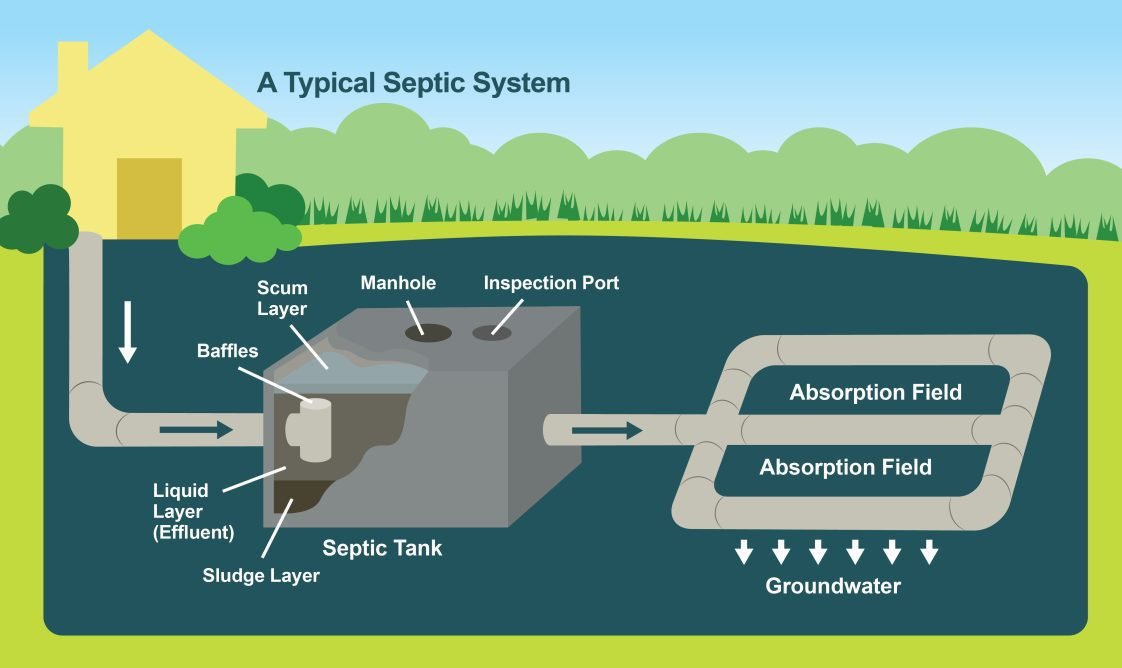
Both septic systems and cesspools handle wastewater for properties not connected to centralized sewers. However, septic systems utilize a septic tank and a leach field to actively treat wastewater through bacterial breakdown and soil filtration. In comparison, a cesspool is an underground pit that merely collects and stores sewage, relying solely on liquid percolation into surrounding soil. The mechanisms, effectiveness, legal status, and environmental impact of these approaches are significantly different.
Key Terminology Clarified
- Septic Tank: A watertight chamber where solids settle and bacteria partially treat wastewater.
- Leach Field (Drain Field): A subsurface area dispersing treated liquid into soil for further filtering.
- Cesspool: An underground pit or tank that accumulates raw household sewage with minimal to no treatment.
- Effluent: Liquid wastewater that remains after solids settle and partially decompose.
- Percolation: The process by which liquid slowly seeps through soil layers.
Trace the History and Modern Legal Status
Cesspools date back to the pre-sewer era and were widely used across the U.S. in the 19th and early 20th centuries. Starting in the late 1900s, mounting evidence of environmental and health hazards led state and local authorities to ban new cesspool construction (EPA, 2024). Modern septic systems emerged, offering safer, more effective waste treatment through both primary (tank) and secondary (soil) processes. As of 2026, cesspools are mostly illegal for new builds and should be replaced wherever possible, as required by code. Many old cesspools still exist but are being phased out due to severe groundwater contamination risks.
Compare How Septic Systems and Cesspools Work
Process Breakdown: Septic System
- Wastewater enters septic tank (bathrooms, kitchen, laundry sources).
- Solids settle at the bottom; lighter materials float (scum), and bacteria partially break down organic matter.
- Partially treated liquid (effluent) exits into a leach field via a distribution box.
- Soil filtration and microbial action in the leach field further cleanses the effluent before groundwater reentry.
Process Breakdown: Cesspool
- Wastewater flows directly into pit (no separation of solids or treatment).
- Solids accumulate in the cesspool while liquid slowly leaks through the pit’s porous walls or floor into soil.
- Minimal bacterial breakdown occurs; untreated liquids rapidly percolate into the environment, risking contamination.
System Comparison Table
| Feature | Septic System | Cesspool |
|---|---|---|
| Primary Function | Treats and filters wastewater | Stores and releases raw sewage |
| Main Components | Septic tank, outlet baffle, distribution box, leach field | Concrete/masonry pit with open bottom or sides |
| Wastewater Treatment | Yes (partial in tank, further in soil) | No active treatment |
| Legal Status (2026) | Approved and regulated | Illegal for new use in most states |
| Environmental Impact | Minimized with maintenance | High risk of groundwater contamination |
Identify and Understand System Components & Variations
Main Septic System Parts
- Septic tank: Starts treatment by separating solids and liquids
- Outlet baffle: Retains solids in the tank, prevents clogging of field
- Distribution box: Feeds effluent evenly into leach field
- Leach field lines: Disperse treated effluent to percolate safely
- Soil: Provides final biological treatment and filtration
Main Cesspool Part
- Concrete/masonry pit: Single chamber collects and disperses raw sewage, sometimes with open walls/floor for quicker drainage
Variation and Industry Adaptations
Septic systems now include advanced models (e.g., aerobic treatment units, constructed wetlands) to address site-specific challenges like high water tables, small lots, or rocky ground. Regulations under state plumbing and health codes (see EPA, 2024 and local codes) dictate design and sizing.
Cesspools exhibit little variation and are largely obsolete. Where found, they’re typically remnants in rural or historic areas awaiting mandated replacement as properties change hands or municipal lines expand.
Evaluate Benefits, Applications, and Impacts
Advantages of Septic Systems
- Effectively protects groundwater and public health (EPA, 2024).
- Compliant with modern environmental and building codes.
- Suitable for rural homes, remote businesses, and areas beyond municipal sewer reach.
- Long service life (20-40 years) with regular maintenance.
Cesspools: Historical Role & Continuing Risks
- Initial low installation cost (historical only).
- No active wastewater treatment—leads to severe pollution hazards.
- Typically phased out, but remain as a risk factor in older properties.
Who Relies on Each System?
- Septic: Homeowners, business owners, contractors, and developers in unsewered areas—benefitting from regulated, safe systems.
- Cesspool: Outdated; only applicable in non-upgraded properties, representing liability and environmental risks.
Recognize System Limitations and When to Consider Alternatives
Septic System Limitations & Proper Use
- Requires routine pumping and inspection per local codes (generally every 3-5 years).
- Not suitable for all soils; high clay or shallow water tables may need advanced designs (EPA, 2024).
- Installation cost: $3,000–$7,500+ (varies by region, soils, system type).
- Failures are often preventable through education and timely maintenance.
Cesspool Limitations & Hazards
- No functional or legal mitigation of disease/pathogen dispersal.
- Continuously leaks raw sewage, risking drinking water and property integrity.
- Failure to upgrade may result in legal orders, fines, or condemnation.
Better Alternatives and When to Upgrade
- Advanced treatment units or community sewer connection are required where local conditions (soil, density, water table) prevent standard installations.
- Cesspools should be upgraded whenever possible; check with local health or building departments and review EPA guidance.
Common Misconceptions Clarified
- Myth: “A cesspool works as well as a septic system.”
Fact: Only septic systems offer active, regulated wastewater treatment. - Myth: “Septic systems can be ignored after installation.”
Fact: Regular pumping and inspections are essential to function and legal compliance. - Myth: “All septic systems are standardized.”
Fact: Design and configuration vary with site conditions and local codes.
Frequently Asked Questions (FAQ)
What is the difference between a septic system and a cesspool?
A septic system actively treats waste using a tank and leach field before water is released into the environment. A cesspool is an old-style pit that merely collects and releases raw sewage directly into the soil.
Are cesspools legal to install in 2026?
No, new cesspool installations are prohibited in nearly all U.S. jurisdictions due to contamination risks. Existing cesspools must be updated or replaced per local rules.
How often should a septic system be serviced?
Pump your septic tank every 3–5 years, or more frequently if recommended by your local health department and depending on household size and system capacity (see EPA, 2024).
What does it cost to install a septic system?
Typical residential installation ranges $3,000–$7,500, varying by soil, system complexity, and local code requirements.
Can a homeowner upgrade a cesspool to a septic system?
Yes, and this upgrade is strongly encouraged, often required, to protect your health and legal standing.
What are the risks of keeping a cesspool?
Risks include raw sewage leaks, groundwater and well contamination, property value loss, and possible legal action.
Does soil type affect septic system performance?
Absolutely. Proper percolation and drainage are critical; a site assessment is required for permitting.
How can I recognize system failure?
Warning signs include sewage odors, slow drains, soggy ground, or surfacing waste in your yard.
Is financial help available for cesspool replacement?
Yes, many states and counties offer grants or loans for system upgrades—contact your local health or environmental department.
What happens if I neglect septic system maintenance?
You risk system blockages, untreated spills, environmental fines, and expensive repairs or mandated replacements.
Quick Recap:
- Septic systems are the only on-site solution approved and regulated for new installations; they protect health and the environment with active treatment and regular maintenance.
- Cesspools are outdated, polluting, and mostly illegal—replacement is necessary for compliance and safety.
- Evaluate your on-site system, perform required maintenance, and consult local codes or health agencies if upgrades are needed.
For further technical guidance, consult the U.S. EPA Decentralized Wastewater Systems, CDC Cesspool Guidance, and your local agency for site-specific advice.
Need help with system upgrades or maintenance? Read our expert guide: Septic System Maintenance: Essential Tips for Longevity and ensure you meet legal requirements and protect your property’s value!

Leave a Reply