-
How Much Does a Septic System Cost? (2026 Guide to New Install & Replacement)
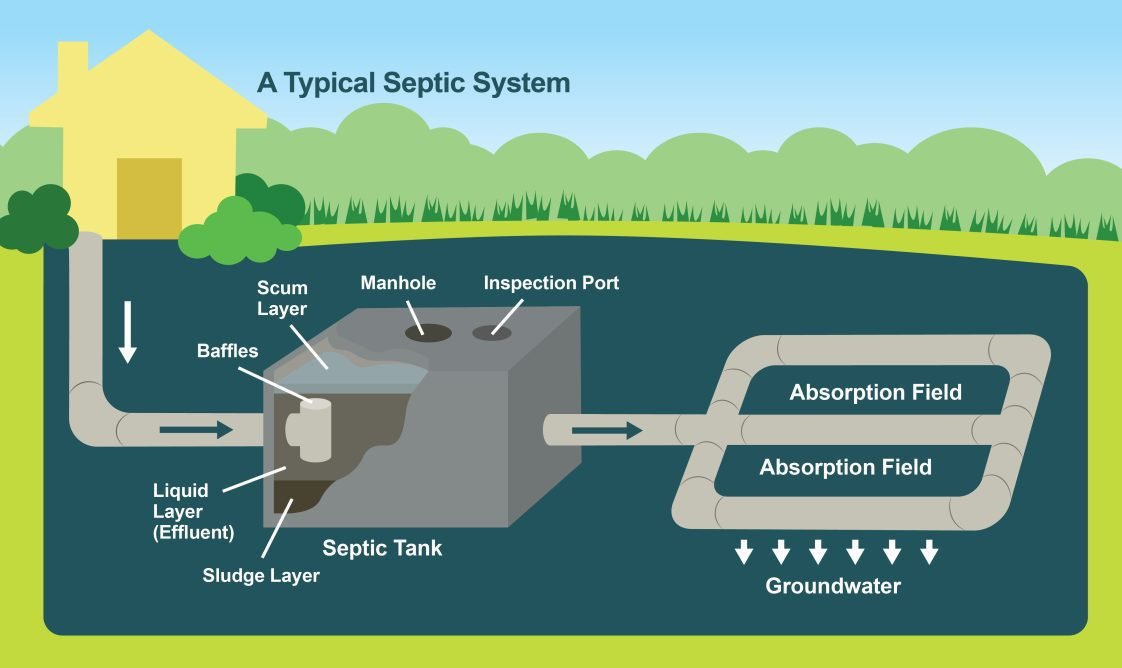
Updated cost guide with more granular regional price variations, line-item breakdowns (tank, labor, engineering, permits), and financing considerations.
-
Septic System Installation: The Complete Process from Permits to Final Grade
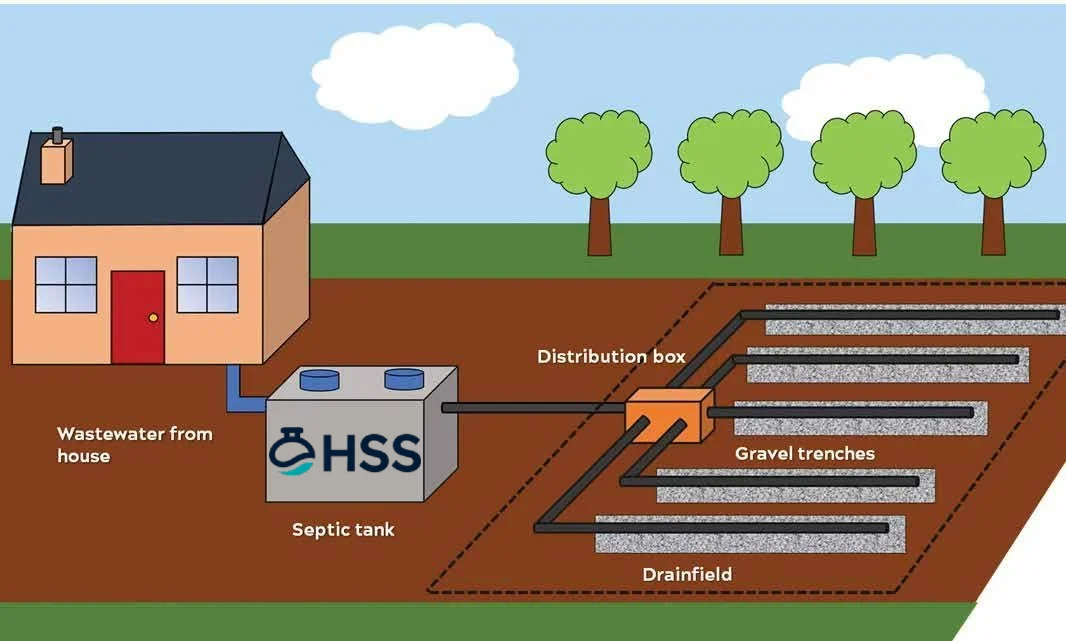
An even more detailed, chronological walkthrough of a professional installation, emphasizing the importance of each step and what can go wrong if skipped.
-
Using Composting Toilets with or Instead of a Septic System
How composting toilets drastically reduce water usage and septic load. Options for using them alongside a small septic system for greywater only, or going completely…
-
Septic System Socks and Fabric for Drain Field Protection
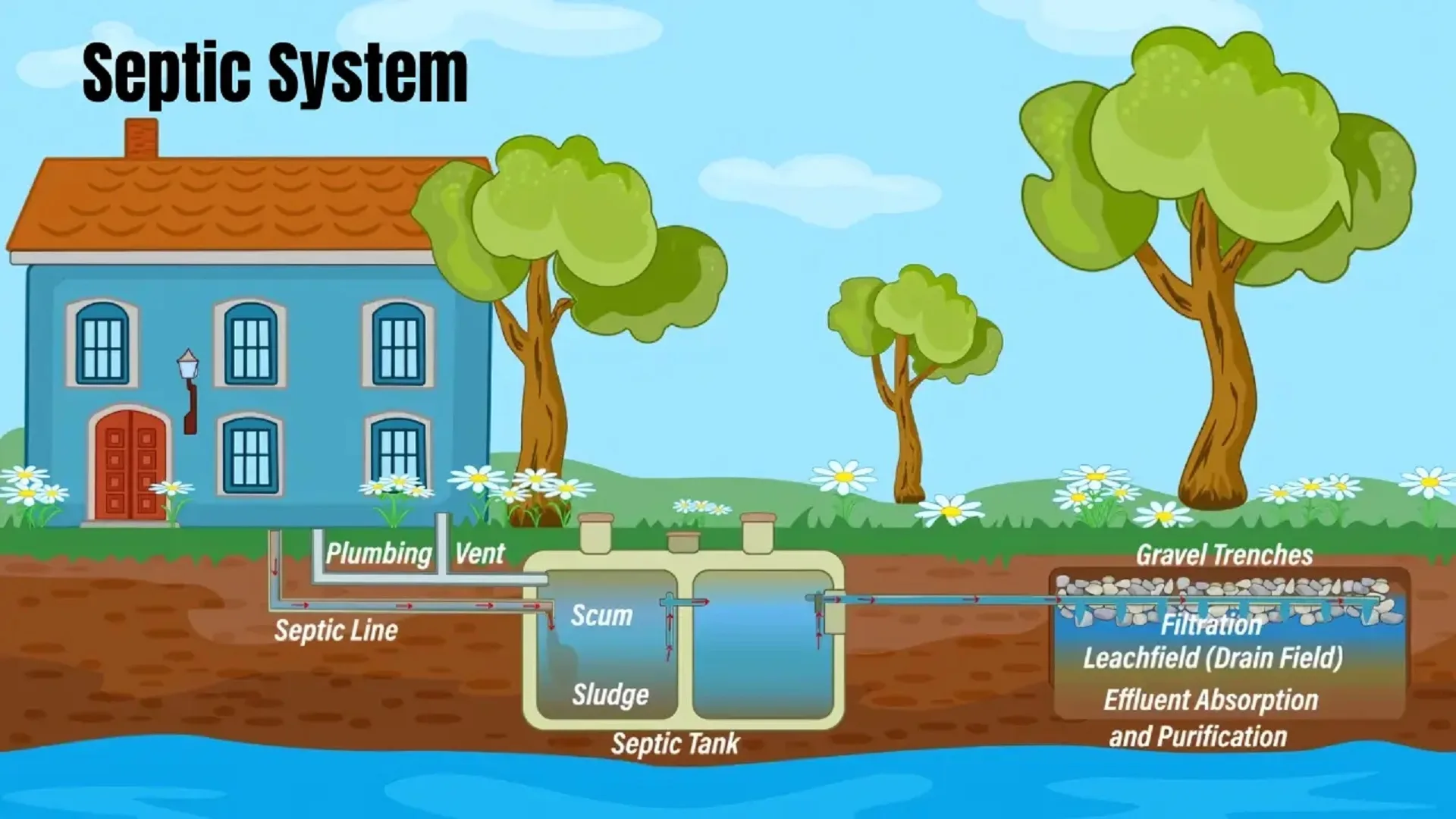
The use of geotextile fabric (“socks”) around drain field gravel to prevent soil intrusion and maintain permeability. A modern construction technique.
-
Using a Dry Well with Your Septic System for Excess Water
How a dry well (a pit filled with gravel) can be used to manage clear water runoff (roof drains, sump pumps) separately from the septic…
-
Septic System for a Steep Slope or Hillside Property
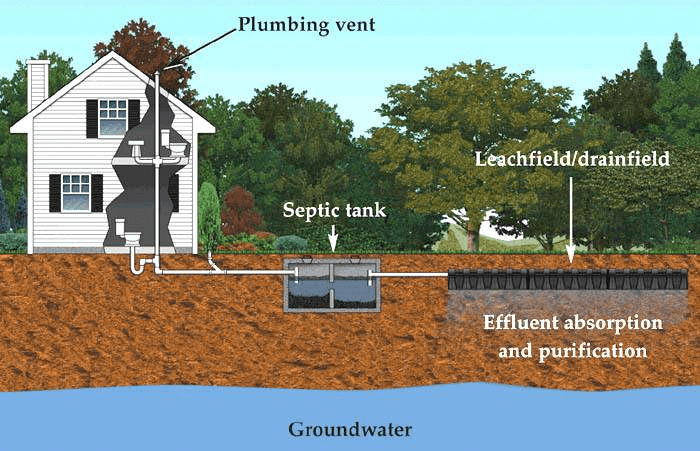
Engineering challenges and solutions for sloped sites: stepped drain fields, pump systems to move effluent uphill, and careful grading to prevent surfacing.
-
Septic System Financing, Grants, and Assistance Programs
An overview of potential financial help: USDA rural development loans, state clean water grants, local low-interest loan programs for repair/replacement.
-
How to Calculate the Daily Flow and Capacity of Your Septic System
The engineering math behind system sizing. Learn how daily flow (GPD) is estimated based on fixtures and occupants to ensure adequate capacity.
-
Septic System Dosing Pumps and Chambers for Advanced Treatment
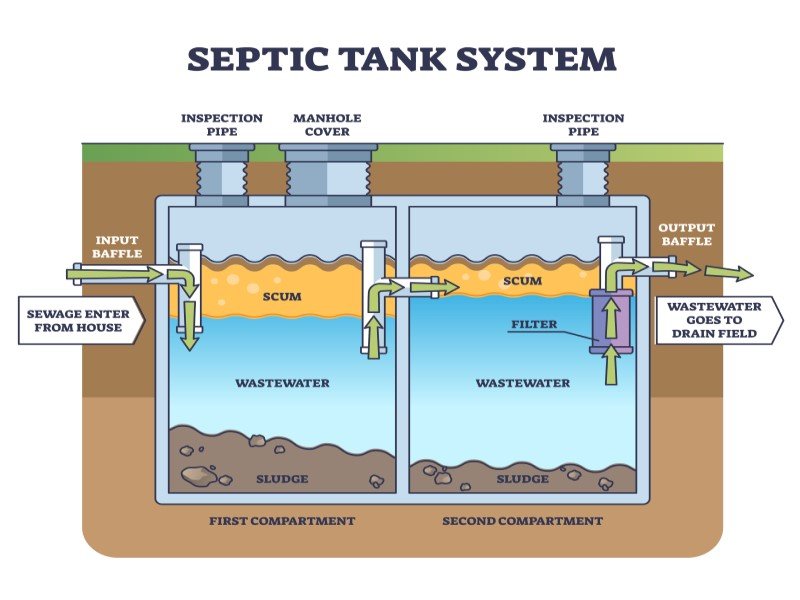
How dosing (siphon or pump) chambers work to deliver large, controlled batches of effluent to the drain field, improving treatment and extending its life.
-
Septic Systems for Wet Areas: Special Solutions and Installation Guide
Why conventional systems fail in wet soil and the engineered alternatives that work: mounds, sand filters, ATUs, and drip dispersal in shallow soils.