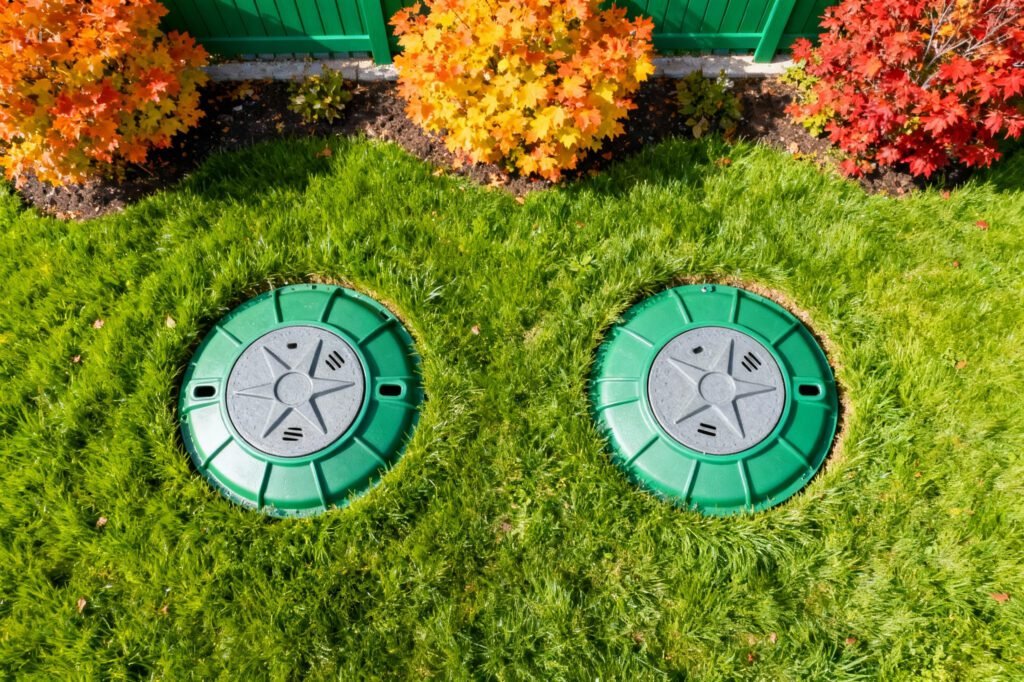
Few phrases strike more dread into a homeowner’s heart than “septic system failure.” The thought of foul odors, slow drains, or even sewage backing up into your home is enough to send shivers down anyone’s spine. Yet, for many, the world of septic maintenance, particularly septic tank pumping, remains shrouded in mystery. You know it’s important, but when do you need it? How often? And crucially, how much will it cost?
You’re not alone in these questions. Regular septic pumping is the single most critical maintenance task for ensuring your system’s longevity and preventing costly, disgusting disasters. This ultimate guide is designed to demystify the process, empower you with knowledge, and provide a clear roadmap to proactive septic care. We’ll dive deep into understanding the hidden mechanics of your septic system, reveal the unmistakable warning signs that scream for attention, and—critically—uncover how specific factors unique to your household directly impact your ideal pumping schedule. We’ll also equip you with cost-saving tips and a clear breakdown of what to expect when it’s time to call the pros. Say goodbye to guesswork and hello to a healthy, happy septic system.
Table of Contents
The Core Problem: Neglecting Your Septic System
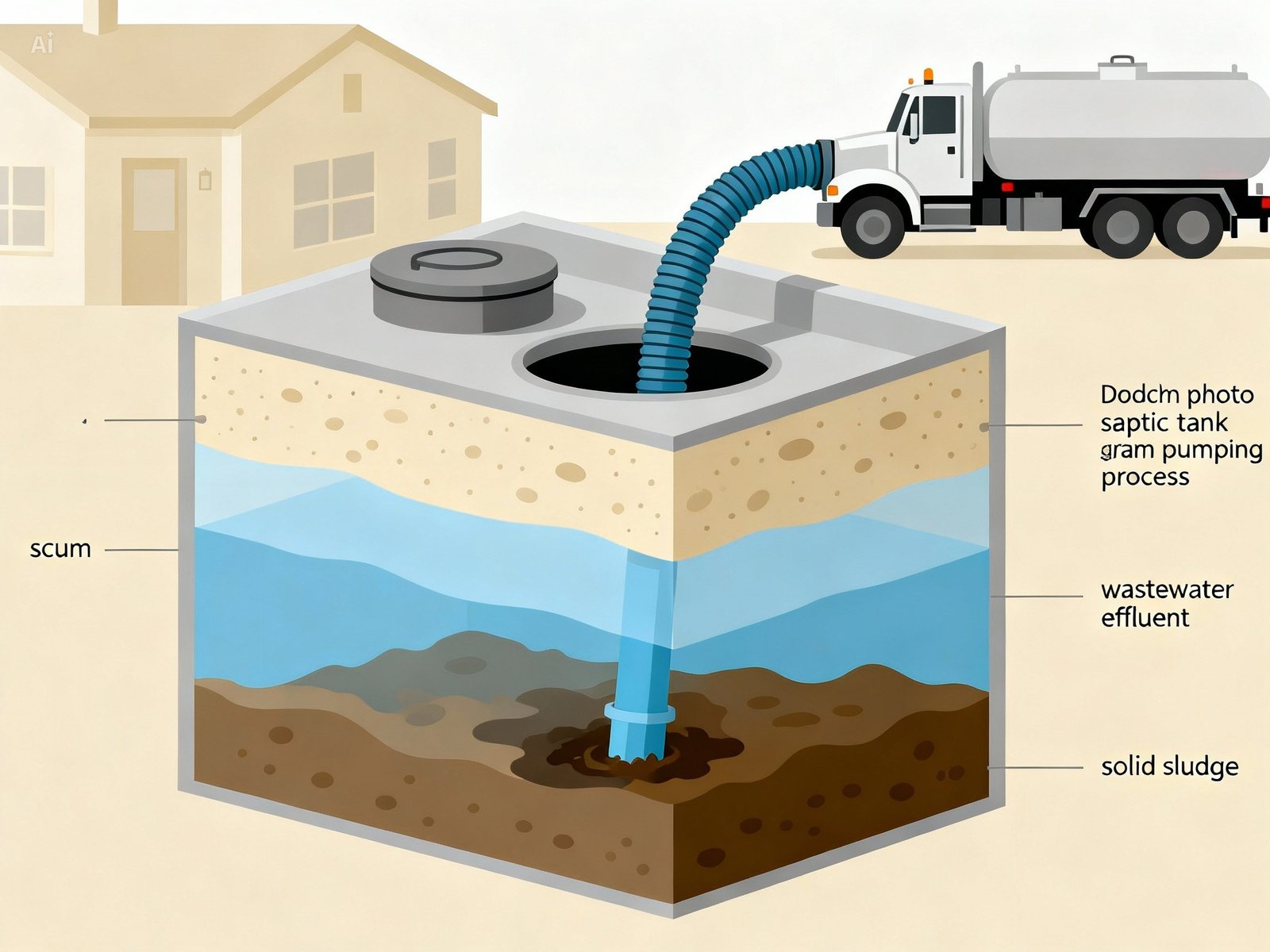
Your septic system is a marvel of decentralized wastewater treatment, essentially a miniature sewage plant buried in your backyard. It works by collecting all the wastewater from your home – toilets, showers, sinks, laundry – in a large, watertight tank. Inside this tank, solids settle to the bottom, forming a layer of sludge, while lighter materials like grease and oil float to the top, forming a scum layer. The liquid in the middle, called effluent, then flows out into your drain field for further treatment.
The core problem arises when homeowners neglect the critical task of septic tank pumping. Over time, the sludge and scum layers in your tank accumulate. While anaerobic bacteria work tirelessly to break down some of these solids, they can’t eliminate everything. If these layers grow too thick, they begin to occupy the volume meant for effluent, reducing the tank’s effective capacity.
The consequences of this neglect are far-reaching and financially devastating for the homeowner:
- System Backups: The most immediate and unpleasant consequence. When the sludge layer reaches a critical level, it can block the outlet pipe, causing wastewater to back up into your home’s drains, toilets, and even showers. This isn’t just gross; it’s a significant health hazard due to exposure to pathogens.
- Drain Field Failure: This is the most expensive outcome. When the septic tank is full, solids and scum can be pushed out into the drain field (also known as a leach field). The drain field’s soil is designed to filter liquid effluent, not solid waste. Solids will clog the soil pores, preventing the drain field from absorbing and treating wastewater. Once clogged, a drain field can fail entirely, requiring a complete and incredibly costly replacement – often tens of thousands of dollars. [link to: septic drain field]
- Foul Odors: As sludge accumulates and the system struggles, anaerobic digestion can become less efficient, leading to the release of strong, unpleasant sulfurous odors around your tank, drain field, or even inside your home.
- Environmental Contamination: An overflowing or failing septic system can leach untreated wastewater into the surrounding soil, groundwater, and even nearby surface water, posing a severe environmental and public health risk. This can contaminate drinking water sources and harm local ecosystems.
- Reduced Property Value: A known failing septic system can significantly reduce your property’s value and make it difficult to sell.
Understanding these dire consequences underscores the importance of proactive septic tank pumping and why identifying the “warning signs” and adhering to a proper “how often to pump septic” schedule is non-negotiable for any homeowner with a septic system.
Solutions & Product Recommendations
Addressing the core problem of septic system failure boils down to proactive maintenance, primarily regular pumping. This section delves into understanding frequency, recognizing warning signs, and managing the associated costs.
1. Determining Your Septic Pumping Frequency
Forget the one-size-fits-all advice. The “how often to pump septic” question depends on several critical factors unique to your household. While a general rule of thumb is every 3-5 years, a more precise schedule considers:
- Household Size (Number of Occupants): More people mean more wastewater, leading to faster accumulation of solids. A single person might go longer than a family of five.
- Septic Tank Size: Larger tanks have more capacity for solids, allowing for longer intervals between pumpings. Standard residential tanks range from 1,000 to 1,500 gallons.
- Total Household Wastewater Generation: This relates to how much water your household uses daily. Are you conservative, or do you have multiple long showers, frequent laundry loads, and a dishwasher running daily?
- Presence of a Garbage Disposal: Using a garbage disposal significantly increases the amount of solids entering your septic tank, dramatically speeding up sludge accumulation. If you use one regularly, you’ll need more frequent pumping.
- Septic System Condition: Older systems or those with known issues might require closer monitoring and more frequent service.
General Septic Pumping Frequency Guidelines:
| Household Size | Tank Size (Gallons) | With Garbage Disposal | Without Garbage Disposal |
|---|---|---|---|
| 1-2 People | 1,000 | Every 2-3 years | Every 3-5 years |
| 1,250 | Every 3-4 years | Every 4-6 years | |
| 3-4 People | 1,000 | Every 1-2 years | Every 2-3 years |
| 1,250 | Every 1.5-2.5 years | Every 2.5-4 years | |
| 1,500 | Every 2-3 years | Every 3-5 years | |
| 5+ People | 1,250 | Every 1 year | Every 1.5-2 years |
| 1,500 | Every 1-1.5 years | Every 2-3 years |
Always consult with a local septic professional for tailored advice based on your specific system and local regulations.
2. Recognizing the Warning Signs You Need Septic Pumping
While a preventative schedule is ideal, sometimes your system gives you clear “warning signs” that it’s nearing its capacity and desperately needs attention. Ignoring these can lead to the expensive failures discussed earlier.
- Slow Drains and Toilets: If multiple drains (sinks, showers, tubs) in your home are draining sluggishly, or your toilets flush slowly and struggle to clear, it’s a strong indicator that your septic tank is full or the drain field is beginning to fail. This is one of the most common early “warning signs.”
- Foul Odors: Unpleasant, sulfur-like, or sewage odors around your septic tank, drain field, or even inside your home, particularly near drains, signal a struggling system. A full tank can cause gases to vent back into your house.
- Unusually Lush, Green Grass Over the Drain Field: While a little extra moisture might seem harmless, excessively green, soggy patches of grass over your drain field are often a sign that effluent is surfacing. This indicates your drain field is overloaded and cannot properly absorb the wastewater.
- Gurgling Sounds in Plumbing: Hearing gurgling noises from your pipes or toilets, especially after flushing, can indicate air being trapped or displaced due to a full tank or partial blockages.
- Sewage Backup: This is the most alarming and definite sign. If raw sewage backs up into your sinks, bathtubs, or basement, your septic system has failed. This requires immediate emergency septic services. [link to: emergency septic services]
3. Understanding Septic Pumping Costs & How to Save
The “pumping cost” for a septic tank can vary significantly based on several factors. Knowing these can help you budget and avoid surprises.
Factors Influencing Septic Pumping Cost:
- Tank Size: Larger tanks (e.g., 1,500 gallons vs. 1,000 gallons) generally cost more to pump simply because there’s more volume to remove.
- Location: Costs can vary geographically due to differences in labor rates, disposal fees, and local regulations. Urban and suburban areas often have higher prices than rural ones.
- Accessibility: If your septic tank cover is buried deep, or if the access port is difficult for the truck to reach (e.g., long hose run, obstacles), additional labor costs may apply. If you don’t have a septic tank riser, accessing the tank can be a significant cost adder.
- Last Pumping Date: If your tank hasn’t been pumped in a very long time, the solids may be compacted and harder to remove, potentially requiring more effort and time, thus increasing the cost.
- Emergency Service: Calling for a pump-out during a backup or emergency will almost always incur higher fees than scheduled maintenance.
- Additional Services: Some companies include a basic inspection with pumping, others charge extra. Other add-ons might include digging up the lid (if not exposed), adding risers, or treating the system. [link to: septic inspection]
Typical Septic Pumping Cost Context: (~$300 – $600 for a standard 1,000-1,500 gallon tank, without major issues or add-ons. Emergency services or difficult access can push costs to $800+).
Cost-Saving Tips:
- Schedule Proactively: Don’t wait for an emergency. Scheduling regular pumping based on your estimated frequency is cheaper than a crisis call.
- Get Multiple Quotes: Contact 2-3 reputable local septic companies to compare prices and services included.
- Maintain Easy Access: Know where your septic tank access lid is. If it’s buried, consider installing a septic tank riser to make future access easier and cheaper.
- Reduce Water Usage: Less water entering the tank means slower solid accumulation, potentially extending your pumping interval.
- Be Mindful of What Goes Down the Drain: Avoid flushing non-biodegradable items (wipes, feminine hygiene products) and minimize grease, oil, and harsh chemicals. Limit garbage disposal use.
Service Recommendation: Professional Septic Pumping Service
Value Proposition: Entrusting your septic system to a professional ensures complete and proper removal of solids and scum, preventing costly backups and extending the life of your entire system. They have the specialized equipment and expertise to safely handle wastewater.
- Key Spec 1: Prevents catastrophic system failures, drain field damage, and unsanitary sewage backups into your home.
- Key Spec 2: Adheres to local environmental regulations for proper waste disposal, protecting your property and the environment.
- Key Spec 3: Often includes a basic visual inspection of tank baffles and components, alerting you to potential issues early.
- Price Context: (~$300 – $600 for routine service; may vary based on location, tank size, and accessibility).
Product Recommendation: Septic Tank Additives (Optional Maintenance Aid)
While no additive can replace proper pumping, certain products can help maintain a healthy bacterial balance between pumpings, especially if you’re concerned about odors or sluggishness.
Green Gobbler Septic Saver Pods (or similar highly-rated biological additive) Value Proposition: Formulated with beneficial bacteria and enzymes, these pods help break down organic waste, grease, and paper within your septic tank, reducing sludge buildup and controlling odors.
- Key Spec 1: Enhances natural bacterial action in the septic tank, contributing to more efficient waste breakdown.
- Key Spec 2: Easy to use – simply flush a pre-measured pod down the toilet monthly.
- Key Spec 3: Helps to reduce the accumulation of sludge and scum, potentially extending the period between professional pumpings (but not eliminating the need for them).
- Price Context: (~$20 – $40 for a 6-month supply)
Key Differences: Proactive vs. Reactive Septic Pumping
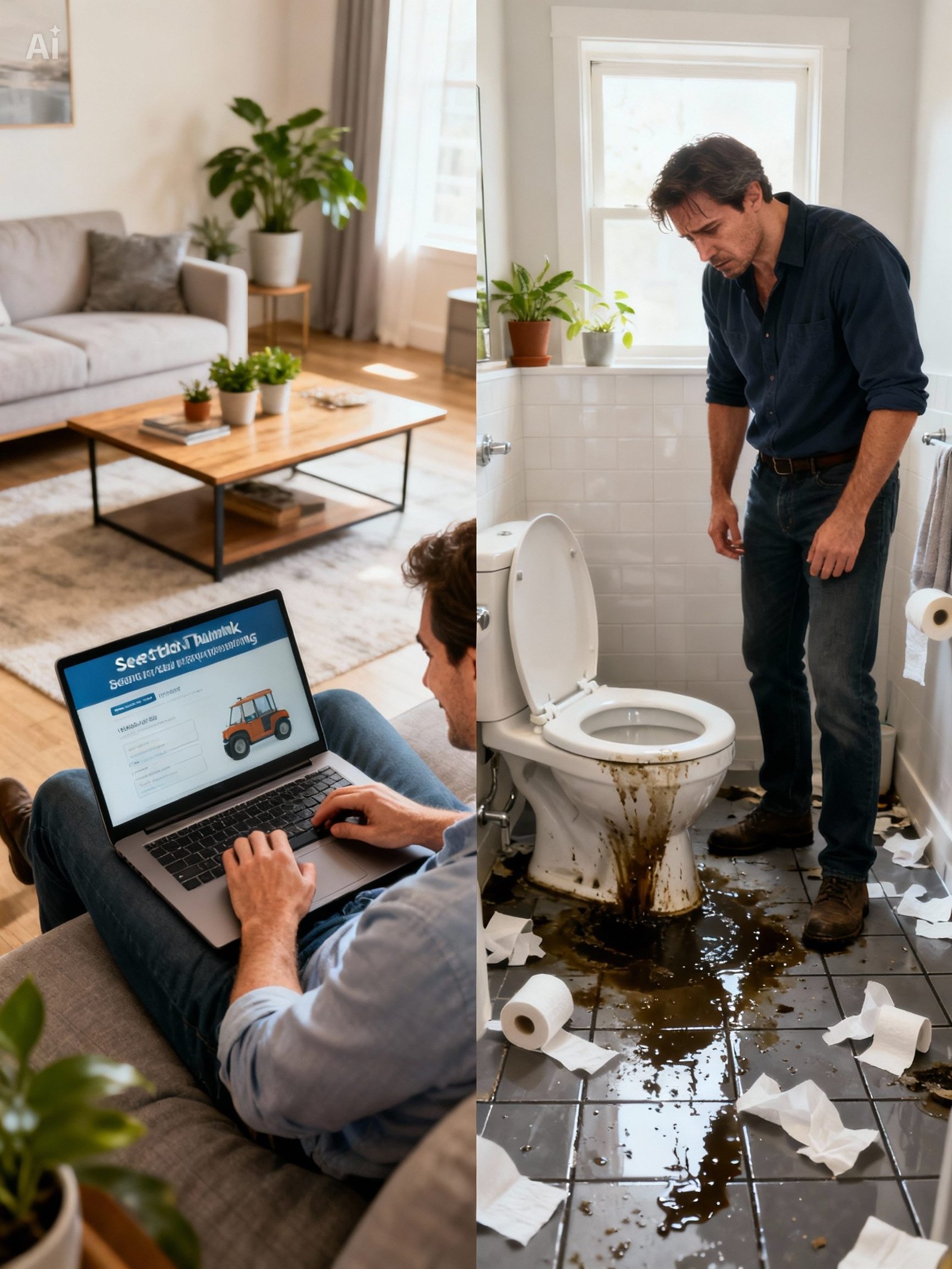
Understanding the contrast between managing your septic system proactively and reacting to a crisis is crucial for both your wallet and peace of mind.
| Feature | Proactive Septic Pumping | Reactive Septic Pumping (Emergency) | Best For |
|---|---|---|---|
| Timing | Scheduled in advance, based on frequency guidelines and tank inspections. | Initiated only after experiencing signs of failure (backups, odors, soggy drain field). | Homeowners who prioritize prevention, budget control, and long-term system health. |
| Cost | Typically lower and predictable. Standard service rates apply. | Significantly higher. Emergency fees, overtime charges, and potential repair costs for damage. | Anyone facing an immediate, unsanitary crisis. |
| Stress Level | Low. Part of routine home maintenance. | Very High. Dealing with raw sewage, potential property damage, and urgent deadlines. | Nobody, ideally. This situation is to be avoided. |
| System Health Impact | Maintains optimal system function, extends drain field life, prevents premature wear. | Indicates system is already under severe stress or failing; often leads to component damage. | Ensuring your septic system operates efficiently and avoids costly breakdowns. |
| Convenience | You choose the date and time. Minimal disruption to daily life. | Disruptive. Requires immediate attention and may happen at inconvenient times (nights, weekends). | Getting your system pumped on your schedule, not your system’s emergency schedule. |
| Potential Damage | Minimizes risk of drain field damage, pipe blockages, or sewage spills. | High risk of irreversible drain field damage, indoor property damage, and environmental harm. | Preventing environmental contamination and protecting your property from sewage damage. |
| Long-Term Value | Preserves property value, reduces overall maintenance costs over the system’s lifespan. | Can negatively impact property value and necessitates expensive repairs/replacements. | Maximizing the lifespan and efficiency of your entire septic system. |
FAQ Section
Here are some common questions homeowners have about septic tank pumping:
How do I know if my septic tank is full?
The most reliable way to know if your tank is full is to follow your recommended pumping schedule based on tank size and household usage. However, warning signs like slow drains, foul odors around your property, lush green grass over the drain field, or gurgling sounds in your plumbing are strong indicators that it’s time for a pump-out. A professional inspection can confirm the sludge and scum levels.
What happens during a septic tank pumping service?
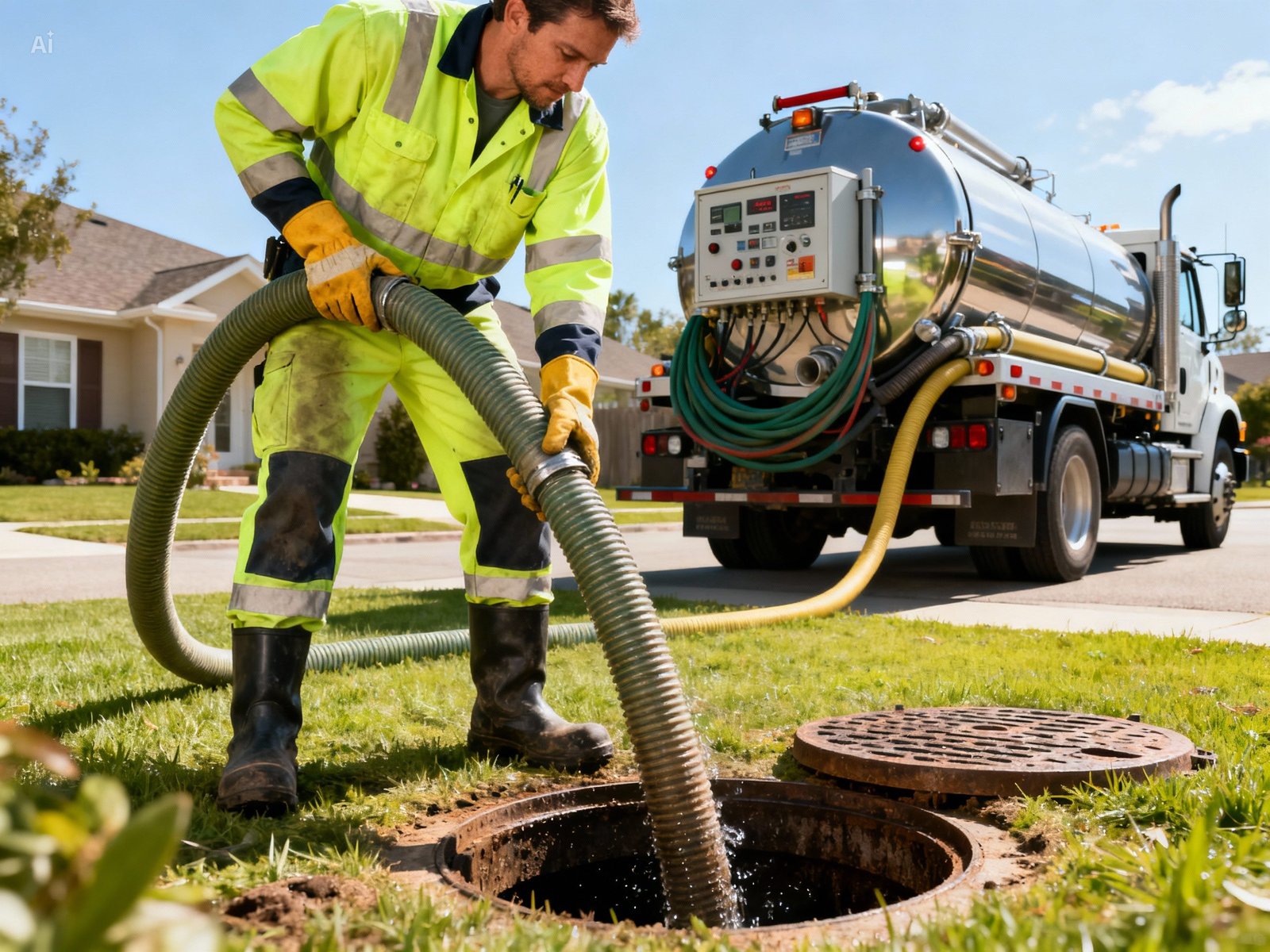
A septic professional will locate the main access port of your septic tank (often a manhole cover). They will then insert a large vacuum hose into the tank and suction out the accumulated sludge, effluent, and scum. The goal is to remove as much of the solid waste as possible. Many services will also perform a basic visual inspection of the tank’s baffles and overall condition. The waste is then transported to an approved treatment facility for disposal.
Can I pump my own septic tank?
No, it is highly discouraged and often illegal for homeowners to pump their own septic tanks. Septic waste contains harmful bacteria, viruses, and other pathogens that require specialized handling and disposal according to strict environmental regulations. Additionally, specialized equipment is needed, and improper pumping can damage your system or lead to serious health risks and environmental contamination. Always hire a licensed professional.
What should I avoid putting down my drains to extend pumping frequency?
To help extend the time between pumpings and maintain a healthy system, avoid flushing anything other than human waste and toilet paper. This includes “flushable” wipes, feminine hygiene products, paper towels, cat litter, and dental floss. Minimize the use of harsh chemicals (bleach, drain cleaners), excessive grease, cooking oils, and food waste from garbage disposals. [link to: septic-safe products]
Does using septic tank additives eliminate the need for pumping?
No. While some septic tank additives containing beneficial bacteria and enzymes can help break down organic matter and reduce odors, they absolutely do not eliminate the need for regular septic tank pumping. They can, at best, help maintain the system’s health and potentially extend the interval between pumpings by a small margin, but solids will still accumulate and must be removed mechanically.
What’s the typical cost for septic tank pumping in 2026?
As of 2026, the pumping cost for a standard residential septic tank (1,000-1,500 gallons) typically ranges from $300 to $600 for routine service. This can vary based on your geographic location, tank size, accessibility (e.g., if the lid needs to be dug up), and whether it’s an emergency service. Additional fees may apply for extensive digging, repairs, or if the tank hasn’t been pumped in a very long time.
How long does septic tank pumping usually take?
For a well-maintained, easily accessible septic tank, the actual pumping process usually takes 20-45 minutes. Including setup, inspection, and packing up, a professional service might be on-site for 45-90 minutes. Factors like difficult access, deeply buried lids, or very dense sludge can extend this time.
Get Free Quotes from Local Pros
As an affiliate, we may earn commission from qualifying purchases.
Don’t wait for a disaster to strike your home. Proactive septic tank pumping is the smartest investment you can make in your home’s wastewater system. Knowing the signs, understanding your optimal frequency, and budgeting for the pumping cost will save you thousands in potential repairs and give you unparalleled peace of mind.
> Get Free Quotes from Local Pros

Leave a Reply