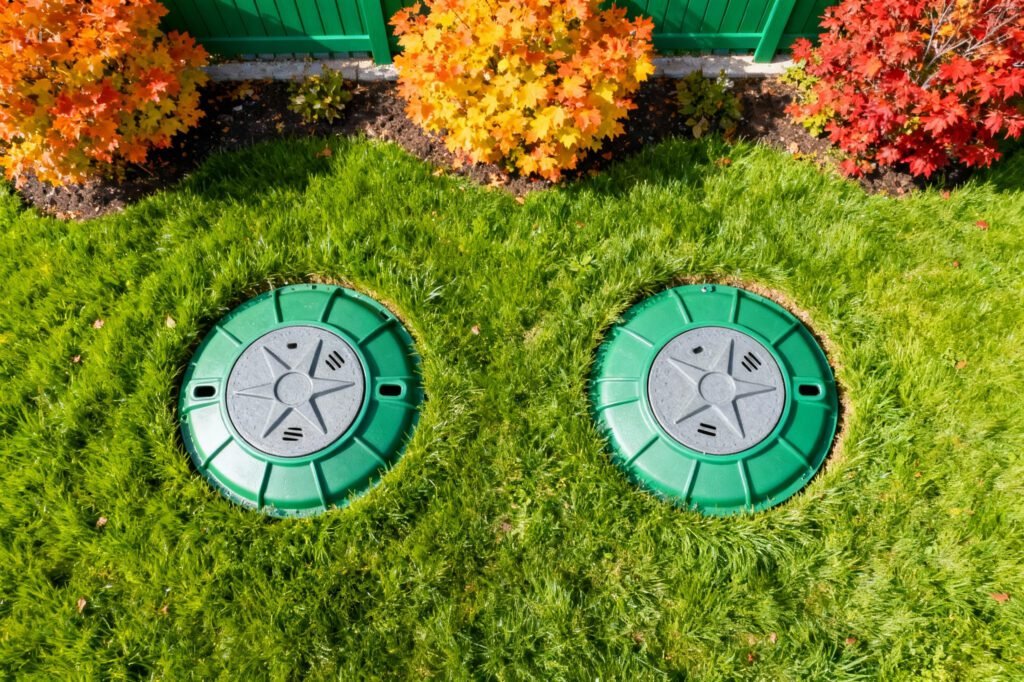
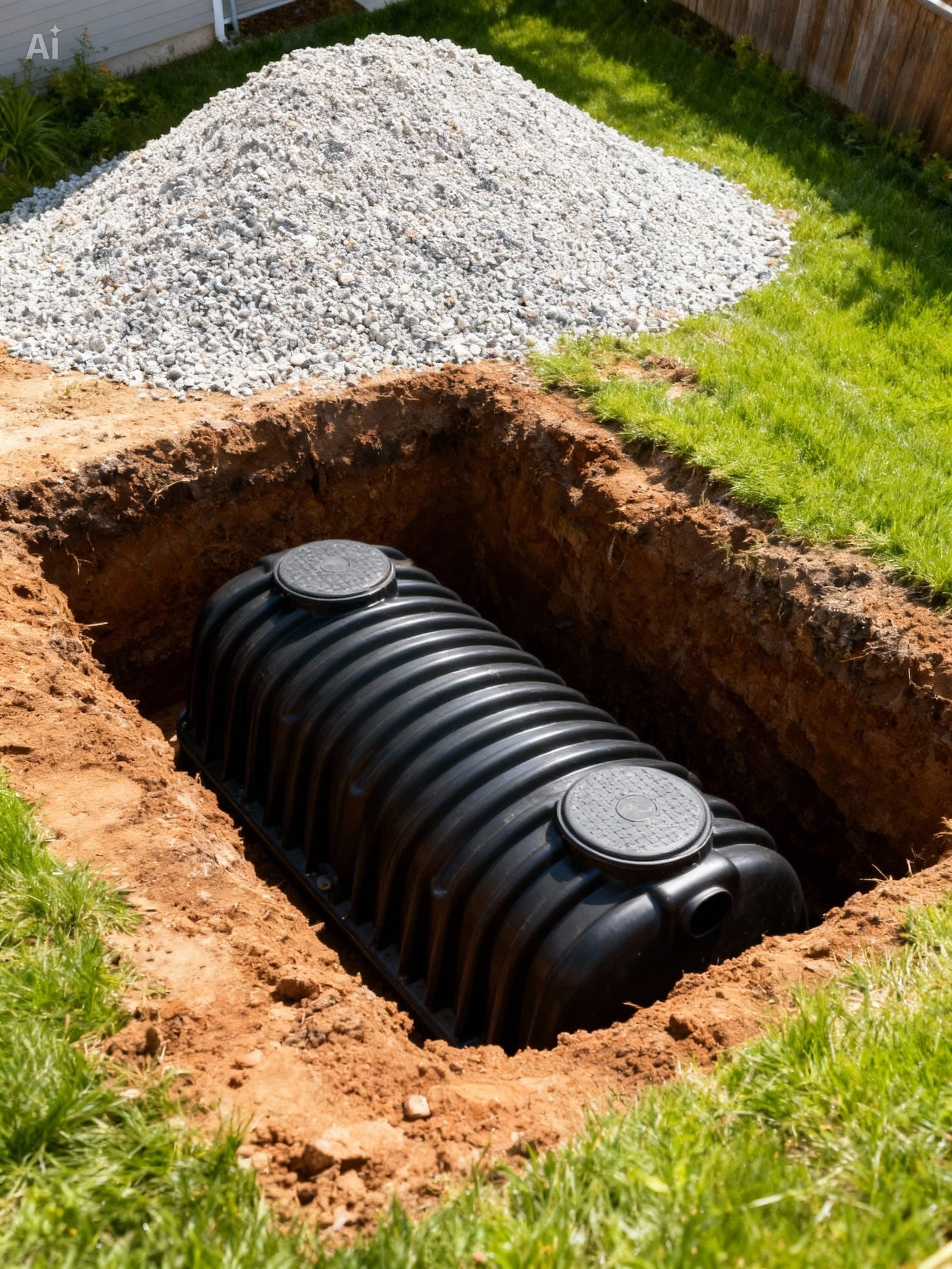
The average septic tank installation cost in 2026 ranges from $5,000 to $20,000, with most homeowners spending between $6,000 and $15,000. This figure depends on system type, tank material, site conditions, local labor rates, and permit fees. Advanced treatment systems or challenging terrain can push costs higher.
Key Factors:
- System Type (Conventional, ATU, Mound)
- Tank Material & Size (Concrete, Plastic, Fiberglass)
- Site Conditions (Soil, Slope, Water Table)
- Permits, Excavation, and Labor
Table of Contents
What is the total cost for a new septic tank installation in 2026?
Bringing a new septic system to your property is a significant investment, especially for rural homeowners or those building on undeveloped land. While the average septic tank installation cost can fluctuate, understanding the key components, materials, and processes involved is crucial for budgeting accurately. In 2026, we’re seeing continued trends in material costs and labor rates that can impact your final bill. This guide dives deep into what you can expect to pay, from the smallest components to the most complex installations, ensuring you’re prepared for the financial realities of putting in a new septic system.
The competitor landscape often presents broad ranges, leaving homeowners guessing. Here, we break down the specific new septic system cost drivers. We’ll explore the differences between concrete and plastic tanks, the impact of excavation and soil conditions, and the necessity of permits and inspections. Our goal is to equip you with the knowledge to get a fair quote and avoid the costly surprises that can plague unprepared property owners.
The Core Problem: Why Septic System Installation is Complex (and Costly)
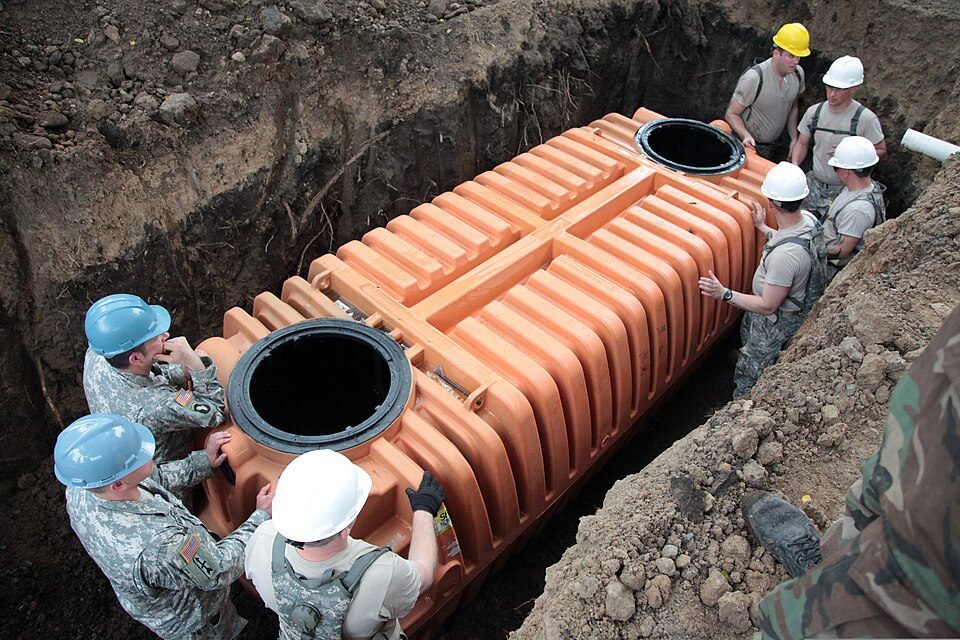
Installing a septic system isn’t like hiring a plumber for a toilet replacement. It’s a major civil engineering project for your property. The core problem lies in the system’s necessity, its buried nature, and the stringent environmental regulations designed to protect groundwater.
- Necessity: For properties not connected to a municipal sewer system, a septic system is not optional; it’s essential infrastructure for wastewater management. Failure to have a functional system can lead to health code violations, inability to obtain building permits, and significant health hazards. According to the EPA, over 20% of U.S. households rely on onsite septic systems.
- Buried Infrastructure: Most of the system – the tank and the drain field – is hidden underground. This means excavation is a significant part of the cost. The depth of burial, soil type, and proximity of utilities or trees all influence the complexity and expense of this phase.
- Environmental Regulations: Septic systems directly impact groundwater quality. Health departments at the county and state levels have strict codes governing design, installation, and location to prevent contamination of wells and surface water. This involves site evaluations (like perc tests), engineered designs for complex sites, and mandatory inspections at various stages.
These factors combine to make septic installation a labor-intensive, material-heavy, and highly regulated process.
Septic System Installation Process: What You’re Paying For
Understanding the steps involved highlights where your money goes:
- Site Evaluation & Design:
- Perc Test (Percolation Test): Determines how quickly water drains through your soil, essential for sizing the drain field. Costs can range from $300 to $1,000, depending on your location and site complexity.
- Soil Borings/Engineering Report: For difficult sites (high water table, clay soil, small lots), a soil scientist or engineer may be needed. This can add $1,000 to $5,000+.
- System Design: Based on the evaluation, an engineered plan is created, specifying tank size, drain field layout, and materials. This fee can be $500 to $2,500.
- Permitting:
- Local Health Department Permits: Mandatory and vary widely. Expect $200 to $1,500 or more, often including inspection fees.
- Building Permits: If part of a larger construction project, these add to the overall permitting costs.
- Excavation:
- Site Preparation: Clearing land, marking utility lines (Call 811!), and establishing access for heavy machinery.
- Trenching: Digging for the tank, distribution box, and drain field trenches. This is often the most labor-intensive and costly part, driven by machinery rental, fuel, and operator time. Costs can range from $1,500 to $7,000+.
- Materials:
- Septic Tank: The core component. Costs vary significantly by material, size, and type.
- Piping: Inlet, outlet, and distribution lines (typically PVC).
- Drain Field Components: Gravel, chambers (like Infiltrator’s), geotextile fabric, distribution box.
- Other: Concrete collars, sealant, backfill material.
- Installation Labor:
- Skilled Labor: This includes the septic installers, heavy equipment operators, and any specialized technicians. This is a major cost driver.
- Backfilling & Site Restoration:
- Compacting Soil: Properly backfilling around the tank and trenches.
- Grading: Ensuring proper drainage away from the tank.
- Topsoil & Seeding/Sodding: Restoring the disturbed areas.
- Inspections:
- Rough-in Inspections: Typically done after excavation and before backfilling.
- Final Inspections: After installation is complete. These are usually covered by permit fees but can incur extra charges if re-inspections are needed.
What are the primary factors influencing septic tank installation costs in 2026?
The total septic tank installation cost is a mosaic of many variables. Here’s where your budget might stretch or shrink:
1. Tank Type & Material: A Major Price Determinant
The tank is the heart of the system, holding wastewater for solids to settle and scum to float.
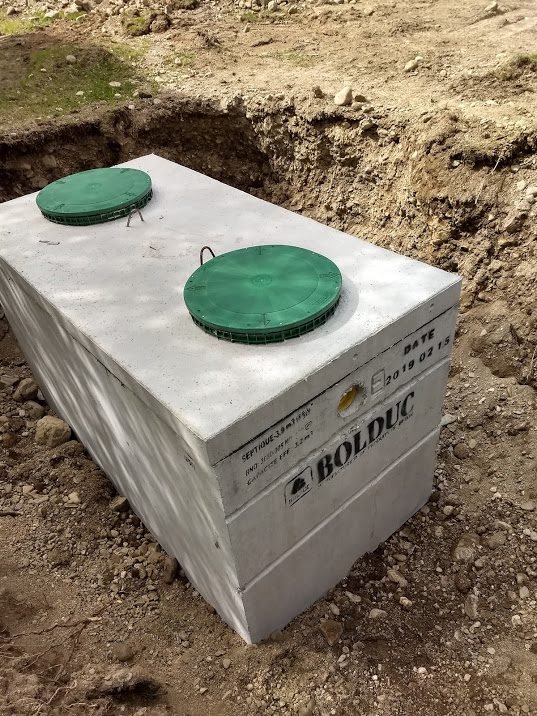
Concrete Tanks:
- Pros: Durable, resistant to corrosion, long lifespan (30-50+ years), readily available.
- Cons: Very heavy (requiring robust excavation equipment), susceptible to cracking if improperly installed or impacted, can be porous over time, more expensive than plastic for smaller sizes.
- 2026 Cost (Tank Only):
- 1,000 Gallon: $1,500 – $3,000
- 1,500 Gallon: $2,000 – $4,000
- 2,000 Gallon: $2,800 – $5,000
Plastic (Polyethylene) Tanks:
- Pros: Lightweight (easier transport/installation, less excavation impact), resistant to corrosion, typically less expensive than concrete for equivalent sizes, seamless construction reduces leak risk.
- Cons: Can be susceptible to damage from heavy equipment if not handled carefully, may require anchoring in areas with high water tables (additional cost), lifespan can be shorter than well-maintained concrete (20-40 years).
- 2026 Cost (Tank Only):
- 1,000 Gallon: $1,000 – $2,200
- 1,500 Gallon: $1,400 – $2,800
- 2,000 Gallon: $1,800 – $3,500
Fiberglass Tanks:
- Pros: Lightweight, corrosion-resistant, strong.
- Cons: Generally the most expensive option, can be more difficult to source than plastic or concrete.
- 2026 Cost (Tank Only): Similar to or slightly higher than plastic tanks.
Recommendation: For most residential applications, plastic tanks offer a good balance of cost, ease of installation, and durability. Concrete is a solid choice for longevity if weight and installation logistics aren’t a major concern.
2. System Type: Standard vs. Advanced
The simplest systems are conventional. However, many sites require advanced treatment units (ATUs) or alternative drain field designs.
- Conventional Septic System: Includes a tank and a traditional gravel-and-pipe drain field. This is the most common and least expensive option when soil conditions are suitable.
- 2026 Installed Cost: $5,000 – $12,000
- Advanced Treatment Units (ATUs): These systems treat wastewater further within the unit before it reaches the drain field, producing higher quality effluent. They are required for environmentally sensitive areas, small lots, or poor soil conditions. Examples include aerobic treatment units (ATUs) or media filters.
- 2026 Installed Cost: $10,000 – $25,000+ (significantly higher due to the unit’s cost, more complex installation, and often specialized drain fields).
- Alternative Drain Fields: Chamber systems (like Infiltrator), mound systems, or drip irrigation systems may be used when conventional drain fields aren’t feasible.
- Chamber Systems: Often comparable to or slightly more than traditional drain fields, but can require less excavation area.
- Mound Systems: Significantly more expensive ($15,000 – $30,000+) due to the engineered construction and specialized fill material.
3. Site Conditions: The Unseen Budget Buster
This is where septic tank installation cost can skyrocket.
- Soil Type: Clay soils drain poorly, requiring larger drain fields or advanced systems. Sandy soils drain well but may need more stabilization. Rocky soil makes excavation extremely difficult and expensive.
- Impact: Poor draining or rocky soil can add $2,000 – $10,000+ to excavation and material costs.
- Topography: Steep slopes can make excavation and proper distribution challenging, potentially requiring more complex designs and retaining structures.
- Impact: Can add $1,000 – $5,000+.
- Water Table: A high water table can necessitate a raised drain field (mound system) or special tank anchoring, significantly increasing costs.
- Impact: Can add $5,000 – $15,000+.
- Lot Size & Shape: Small or irregularly shaped lots may restrict placement options for the tank and drain field, potentially requiring more complex (and costly) designs or advanced systems.
- Impact: Can add $1,000 – $5,000+.
- Existing Utilities & Obstructions: Locating and avoiding underground utilities (water, sewer, gas, electric, communications) is critical. Buried structures, large trees, or easements can complicate installation.
- Impact: Adds to site prep and potential redesign costs.
4. Size Matters: Tank Gallonage and Drain Field Square Footage
- Tank Size: Typically sized based on the number of bedrooms in the home. A 1,000-gallon tank is common for 3-bedroom homes, while larger homes require 1,250-1,500 gallons or more. Larger tanks cost more initially but may require less frequent pumping.
- Impact: Going from a 1,000 to a 1,500-gallon tank can add $500 – $1,500+ for the tank itself, plus increased excavation.
- Drain Field Size: Determined by the perc test results and expected wastewater volume. Poorly draining soil requires a larger footprint.
- Impact: A larger drain field means more excavation, more piping, and more fill material (gravel or chambers), potentially adding thousands of dollars.
5. Labor Rates & Regional Variations
Septic tank installation cost is heavily influenced by local labor rates, contractor availability, and regional material costs.
- Northeast & West Coast: Often have higher labor rates and stricter regulations, leading to higher overall costs. For example, a conventional system in Massachusetts or California can easily reach $15,000 – $20,000 due to code requirements and labor. Expect the higher end of the price ranges.
- Midwest & South: Can sometimes offer more competitive pricing, though this varies greatly by specific area and contractor demand.
- Contractor Type: National franchises might have higher overhead but standardized processes. Local, established companies can be very competitive. Always verify licensing and insurance.
- Impact: Regional differences can account for a 20-40% variation in total cost.
6. Additional Costs to Anticipate
- Septic Pump: If your drain field is uphill from the tank, you’ll need a sewage pump ($800-$2,500 installed) and a pump alarm ($100-$300).
- Effluent Filter: Recommended for many systems to protect the drain field ($100-$300 installed).
- Risers and Lids: Installing risers brings the access lids to ground level, making future pumping and maintenance much easier and safer ($300-$800+). Highly recommended.
- Landscaping Restoration: Beyond basic grading, extensive topsoil, sod, or mature plantings can add significant cost.
- Permit Expediting Fees: If you need a fast turnaround.
- Unexpected Issues: Hitting unforeseen rock formations, encountering old buried utilities, or discovering groundwater during excavation can lead to significant cost overruns.
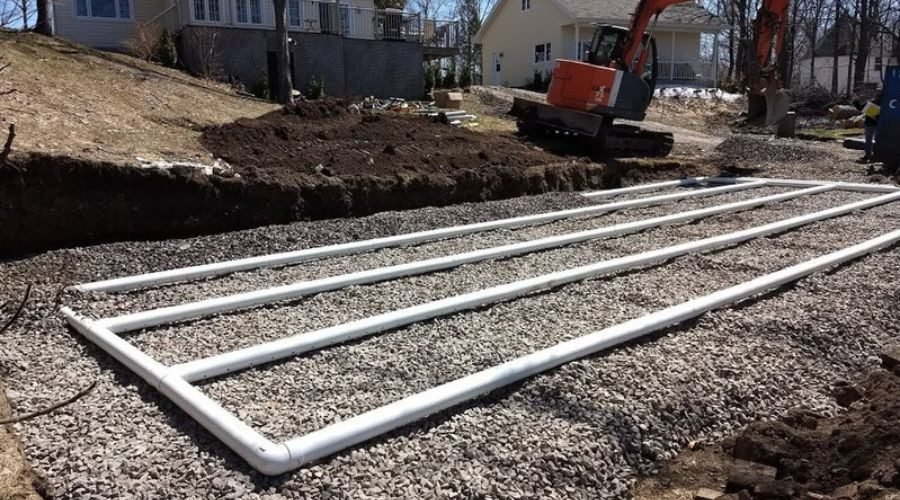
Average Septic Tank Installation Cost Summary (2026 Estimates)
Here’s a generalized breakdown to help you budget. Remember, these are estimates and can vary widely:
| System Type | Typical Tank Size | Estimated Installed Cost (2026) | Key Cost Drivers |
|---|---|---|---|
| Conventional System | 1,000-1,500 Gal | $5,000 – $12,000 | Excavation, Tank Material, Drain Field Size/Labor |
| Plastic Tank Conventional | 1,000-1,500 Gal | $5,000 – $10,000 | Lightweight tank, standard drain field |
| Concrete Tank Conventional | 1,000-1,500 Gal | $6,000 – $12,000 | Heavier tank, standard drain field |
| Chamber Drain Field System | 1,000-1,500 Gal | $7,000 – $14,000 | Chamber cost, potentially less excavation |
| Advanced Treatment Unit (ATU) | 1,000-1,500 Gal | $10,000 – $25,000+ | ATU unit cost, specialized installation, permits, alarms |
| Mound System | 1,000-1,500 Gal | $15,000 – $30,000+ | Engineered design, fill material, extensive construction |
Note: These figures generally exclude major site work like extensive tree removal, retaining walls, or long pipe runs to the house.
Product Recommendations: Essential Components & Upgrades
While you’re not typically buying these directly for installation (a contractor supplies them), understanding their value can help you discuss options and costs:
- Septic Tanks:
- Concrete: Brands like Con/Span or E-ZSet offer precast options. Durability is key.
- Plastic (Polyethylene): Major manufacturers include Rotomold, Snyder Industries, and various regional suppliers. Look for NSF certification.
- Affiliate Link: Compare prices for Polyethylene Septic Tanks on Amazon.
- Availability: Home Depot, Lowe’s (for smaller residential sizes), specialty septic supply stores, direct from manufacturers.
- Drain Field Chambers:
- Infiltrator Water Technologies: Their Waterless® Leaching Chambers are a popular alternative to traditional gravel fields. They are lightweight and can reduce excavation.
- Affiliate Link: Shop Infiltrator Leaching Chambers at Tractor Supply Co.
- Availability: Septic supply stores, some larger hardware stores.
- Risers & Lids:
- Tuf-Tite: Offers robust plastic risers and safety lids that fit most tank types. Essential for easy access.
- Affiliate Link: Find Septic Tank Risers and Lids on HomeDepot.com.
- Availability: Plumbing supply stores, Home Depot, Lowe’s.
- Alarm Systems:
- SJE Rhombus: A leading brand for pump control panels and alarms to notify you if the water level in the pump tank gets too high.
- Affiliate Link: View SJE Rhombus Septic Alarms on Amazon.
- Availability: Online retailers, plumbing supply stores.
DIY vs. Professional Installation: Safety First!
⚠️ CRITICAL WARNING: Septic system installation is NOT a DIY project for the untrained homeowner.
- Safety Hazards: Working with heavy machinery, potential for trench collapse, handling heavy tanks, and the risk of hitting underground utilities are serious dangers.
- Health Risks: Exposure to raw sewage during installation can transmit dangerous pathogens.
- Regulatory Compliance: Most counties require installation by a licensed and bonded septic contractor. Failure to comply can result in fines, system rejection, and the need to have it reinstalled correctly at significant extra cost.
- System Performance: Improper design and installation are the leading causes of premature septic system failure. This leads to costly repairs or replacement years down the line.
Always hire qualified, licensed, and insured septic system installers. Check references and ensure they are familiar with your local health department’s codes.
Frequently Asked Questions (FAQ) About Septic Installation Costs
Q: What is the average cost to install a new septic system in 2026?
A: The average cost for a new septic tank installation in 2026 typically falls between $5,000 and $20,000. This range depends heavily on the type of system required (conventional vs. advanced treatment), tank material and size, site conditions (soil, slope, water table), and local labor rates.
Q: How much does a 1000-gallon septic tank cost to install?
A: For a 1,000-gallon tank, the installed cost for a conventional system generally ranges from $5,000 to $10,000. This includes the tank itself (plastic is usually cheaper than concrete), excavation, piping, drain field construction, permits, and labor. The specific price depends greatly on site conditions and your location.
Q: Are plastic or concrete septic tanks cheaper to install?
A: Typically, plastic (polyethylene) septic tanks are cheaper for the tank material itself and often lead to lower installation costs because they are much lighter, requiring less heavy equipment and potentially less intensive excavation. Concrete tanks are heavier and more costly upfront.
Q: What influences the price of a septic drain field?
A: The size of the drain field is the primary cost driver, determined by your soil’s percolation rate (how fast it drains). Poorly draining soil requires a larger field. Other factors include the type of drain field (traditional gravel/pipe vs. chambers), the depth of excavation, and the complexity of laying out the distribution lines.
Q: Do I need a permit to install a septic system?
A: Yes, absolutely. Installing a new septic system requires permits from your local health department and possibly building department. These permits ensure the system is designed and installed according to regulations to protect public health and the environment. Permit fees are part of the overall installation cost.
Q: Can I install a septic system myself to save money?
A: While tempting, septic system installation is strongly discouraged as a DIY project. It involves significant safety risks (trench collapse, utilities), requires specialized knowledge of codes and hydraulics, and most jurisdictions mandate installation by licensed professionals. Improper installation can lead to premature failure costing far more than professional installation.
Q: What is a ‘perc test’ and why is it important for installation cost?
A: A percolation test (or perc test) measures how quickly wastewater drains into the soil. The results dictate the required size of your drain field. If your soil drains very slowly (low percolation rate), you’ll need a larger, more expensive drain field. Conversely, fast-draining soil requires a smaller, less costly field. This test can cost between $300-$1,000.
Q: How much does excavation typically contribute to the total cost?
A: Excavation can represent 25-50% of the total installation cost, especially on challenging sites. This includes digging for the tank, trenches, and potentially dealing with difficult soil types, rocks, or slopes. Expect excavation costs alone to range from $1,500 to $7,000+.
Q: Are advanced treatment systems (ATUs) worth the extra cost?
A: If your site requires an ATU due to environmental regulations, small lot size, or poor soil, it’s not optional. ATUs produce higher quality effluent, which can sometimes allow for smaller drain fields or installation in areas where conventional systems wouldn’t be permitted. While they add $10,000 – $25,000+ to the initial cost, they ensure compliance and environmental protection.
Q: What are the hidden fees I should watch out for?
A: Watch out for costs related to: discovering underground utilities, hitting rock during excavation, needing a more complex engineered design than initially quoted, additional permits, extensive site restoration (beyond basic grading), and needing a pump system or alarm. Always get a detailed quote outlining all potential scenarios.
How-To: Planning Your Septic Installation Budget
Ready to move forward with your septic system installation? Here’s your roadmap for a successful and cost-effective project:
- Assess Your Needs: Determine the number of bedrooms in your home and estimate your average daily water usage. This helps size the tank appropriately.
- Consult Local Authorities: Contact your local health department to understand specific regulations, permit requirements, and obtain a list of licensed installers or designers in your area. This is a crucial step in understanding potential costs.
- Obtain Multiple Detailed Quotes: Secure at least 3 written quotes from licensed septic contractors. Ensure each quote clearly outlines all materials, labor, permit fees, site preparation, and site restoration. Ask them to specify tank size, material, and system type.
- Verify Contractor Credentials: Thoroughly check each contractor’s licenses, insurance (liability and workers’ comp), and request client references.
- Review the Contract: Carefully examine the contract for details on all inclusions and exclusions. Clarify warranty terms and the process for handling unforeseen issues that may arise during installation.
- Consider Essential Upgrades: Factor in the long-term benefits and potential cost savings of upgrades like risers and lids for easier maintenance, and effluent filters to protect your drain field.
- Budget for Contingencies: Always include a contingency fund (10-20% of the total estimated cost) to cover unexpected site conditions or necessary adjustments during the installation process.
Take Action Today for a Worry-Free Septic System!
Don’t let the complexity of septic tank installation cost overwhelm you. By understanding the factors involved and working with reputable professionals, you can ensure a smooth process and a reliable wastewater system for your property.
For immediate assistance and to get started, request FREE quotes from licensed septic system installers in your area!
[BUTTON: Get Free Septic Installation Quotes Now]
Disclosure: As an affiliate marketer, Home Septic Solutions may earn commissions from qualifying purchases made through links on this page. Septic tank installation costs are estimates for 2026 and can vary significantly based on location, site conditions, and specific project requirements. Always consult with licensed professionals for accurate pricing and services. This guide is for informational purposes and does not constitute professional advice.
This guide incorporates pricing trends and installation considerations relevant for 2026, drawing on information from organizations like the National Onsite Wastewater Recycling Association (NOWRA) and EPA guidelines for septic systems. We aim to provide the most accurate and up-to-date information for homeowners navigating these complex decisions.

Leave a Reply