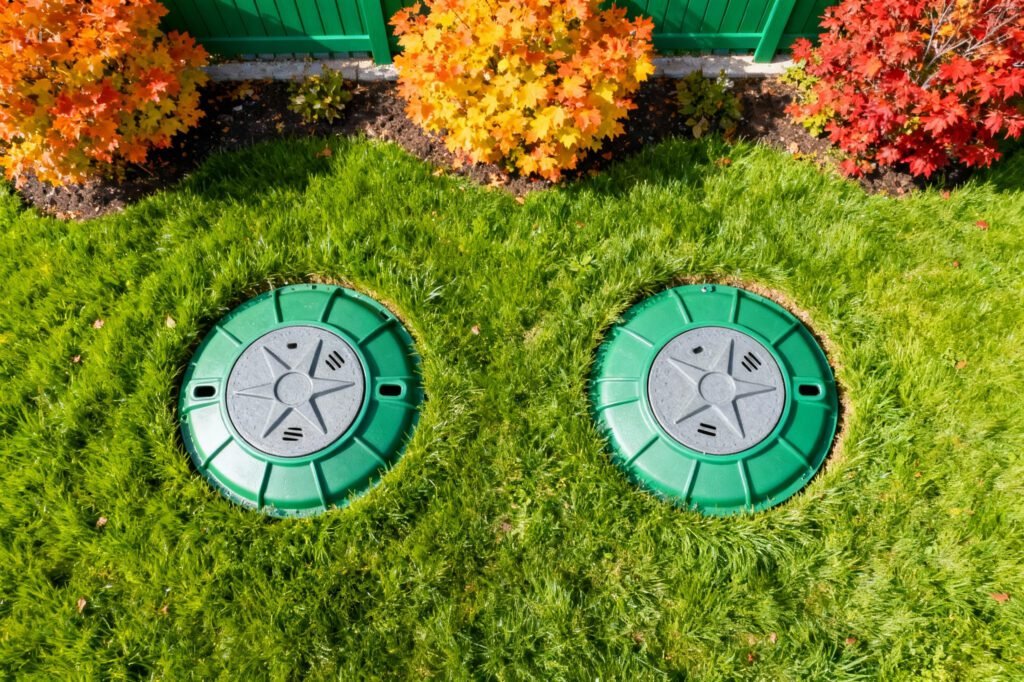
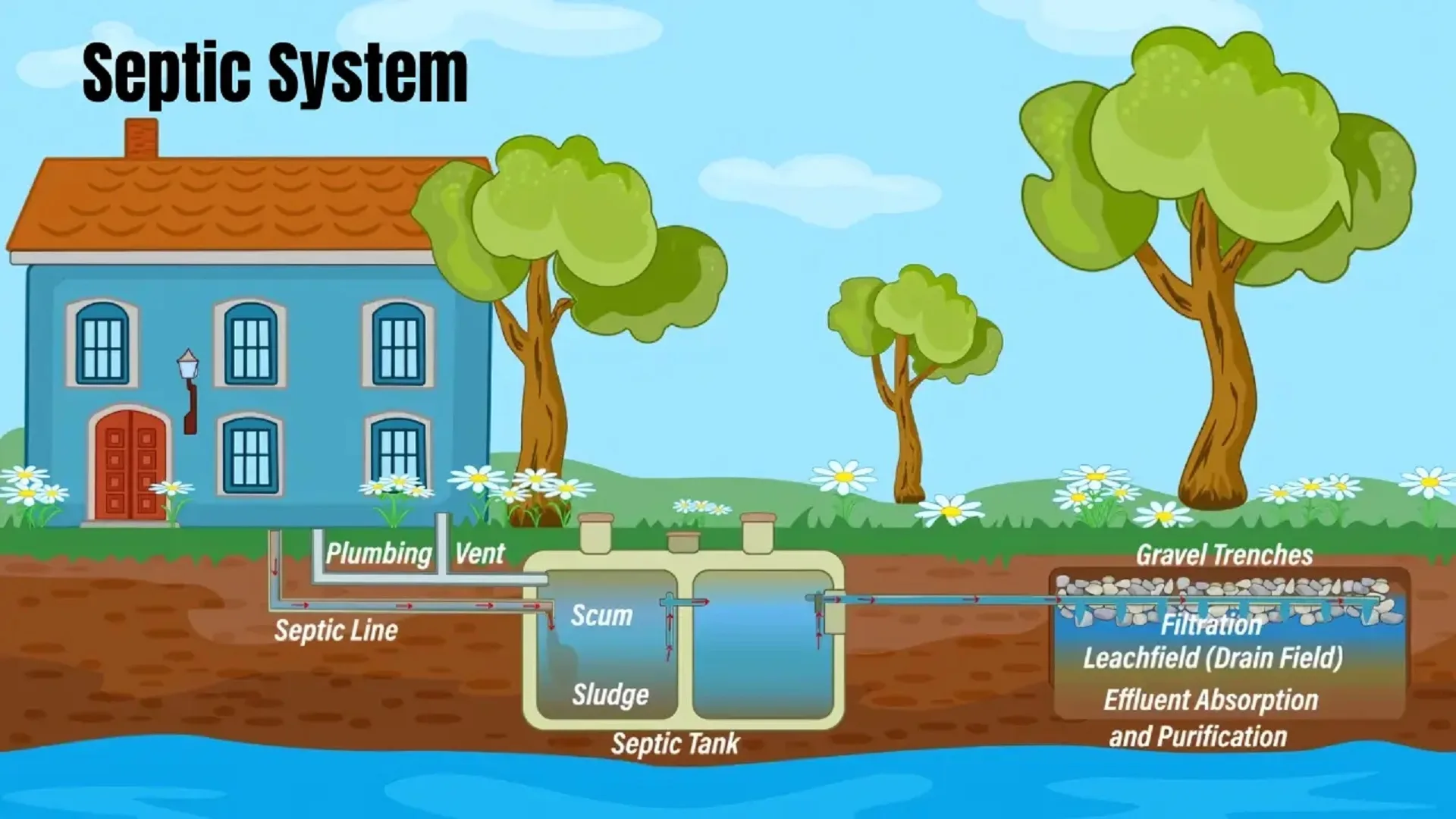
A professional septic tank inspection typically costs $300-$600 and is crucial for both home buyers and sellers. For buyers, it reveals potential costly problems before purchase. For sellers, it can preempt issues during negotiations, showcasing system health and potentially boosting sale price. Key checks include tank integrity, baffle condition, effluent filter cleanliness, and drain field performance.
- Essential for buyers (risk assessment) and sellers (pre-sale prep & transparency).
- Average cost: $300-$600, varying by inspector and location.
- Crucial checks: tank condition, baffles, effluent filter, drain field functionality.
Table of Contents
Septic System on the Line: Why This Inspection is Non-Negotiable for Home Buyers and Sellers
Buying a home is one of the biggest investments you’ll make. If that home relies on a septic system, a thorough septic tank inspection isn’t just a good idea – it’s a critical step to avoid potentially catastrophic, expensive problems down the line. For sellers, understanding your system’s condition before listing can streamline the process, prevent last-minute deal-breakers, and even boost your property’s value.
TL;DR: A septic inspection is vital for due diligence. It identifies potential issues that can cost thousands ($10,000-$25,000+ for replacement!) and affects both buyer negotiations and seller transparency.
Many home inspectors are generalists. While they might glance at the septic tank lid, they often lack the specialized knowledge and equipment to properly evaluate a septic system. This is where a dedicated septic professional comes in. They can identify issues that a standard inspection might miss, issues that could cost you thousands in repairs or even necessitate a full system replacement. According to industry data, septic system failures can lead to repair bills ranging from $5,000 to $25,000 or more, significantly impacting a real estate transaction.
The Problem: Hidden Septic Nightmares & Their Costly Consequences
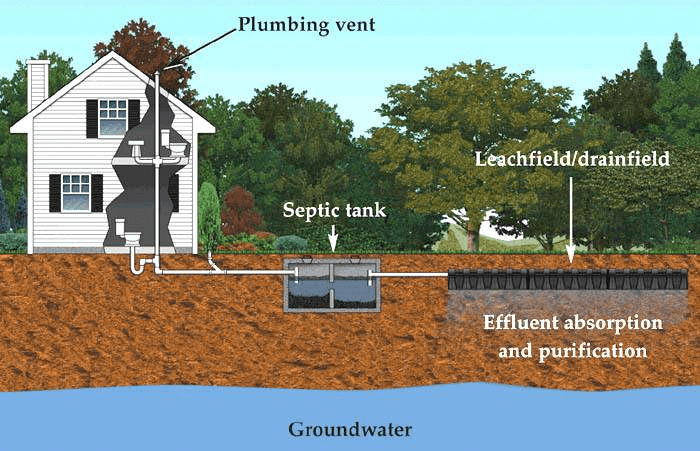
The biggest issue with septic systems is that they are largely out of sight, out of mind – until they fail. This failure often manifests as:
- Sewage Backups: The most obvious and unpleasant sign. Raw sewage backing up into your home is a health hazard, a massive cleanup job, and can ruin interiors.
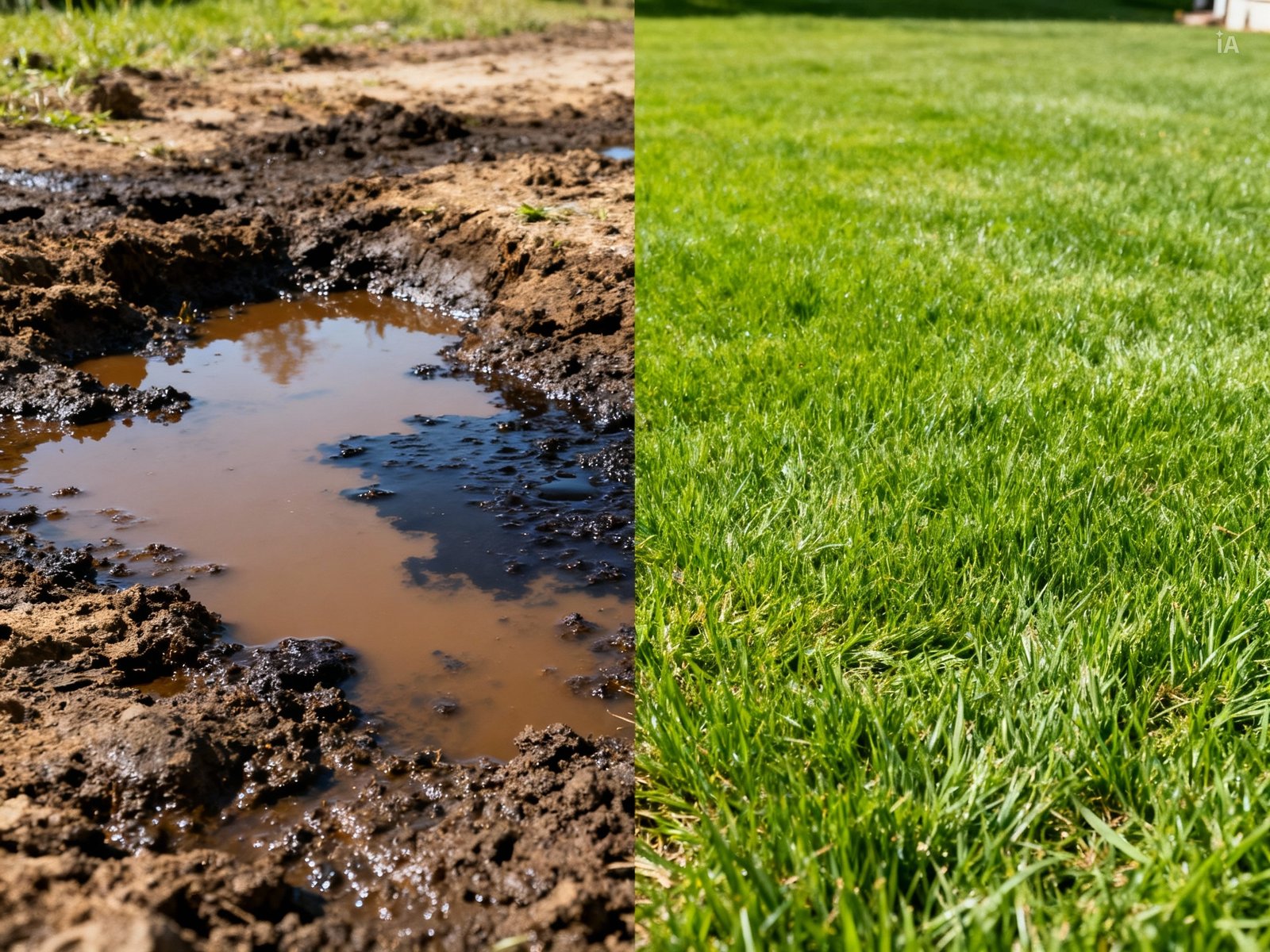
- Drain Field Failure: The drain field (or leach field) is where treated wastewater is dispersed into the soil. If it clogs or becomes saturated, effluent can surface in the yard, creating soggy patches, foul odors, and killing grass. This can render parts of your yard unusable.
- Contamination Risks: Failing systems can contaminate groundwater, nearby wells, and surface water, posing serious environmental and health risks. This can lead to significant fines and legal liabilities, especially if your system impacts neighboring properties or water sources.
- Reduced Property Value & Unsellability: A failing septic system significantly devalues a property and can make it unsellable until costly repairs are made. Buyers are often hesitant to take on systems with known problems.
The Solution: A Proactive Septic Evaluation for Peace of Mind
A septic tank inspection or septic evaluation by a qualified professional is the solution. It provides clarity and peace of mind for buyers, and a clean bill of health (or a clear understanding of necessary repairs) for sellers.
For Home Buyers: Your Essential Due Diligence Checklist
As a buyer, you are taking on the responsibility (and potential cost) of the existing system. Your inspection should focus on identifying current issues and assessing the system’s remaining lifespan. Research shows that homes with well-maintained septic systems can be just as desirable as those with municipal sewer, provided the inspection is thorough.
Your Buyer’s Inspection Checklist (Key Questions to Ask the Inspector):
- Tank Location and Accessibility: Can the tank lids be easily accessed for pumping and maintenance? Are risers installed to bring access ports to ground level? (Easier access = lower future pumping costs).
- Tank Material and Condition: Is the tank concrete, plastic, or fiberglass? Are there any cracks, leaks, or signs of corrosion? (Concrete tanks can crack; plastic tanks can deform over time).
- Tank Water Level: Is the water level at the outlet pipe, indicating no back-up within the tank? (This is a primary indicator of system flow).
- Sludge and Scum Layers: How full is the tank? Inspectors measure the depth of solids (sludge at the bottom) and scum (grease/oil at the top).
- Rule of Thumb: Tanks typically need pumping when solids reach 30% of the tank’s volume. Your inspector will note if pumping is recommended soon.
- Baffle Condition: Are the inlet and outlet baffles intact and functioning properly? (These prevent solids from entering the drain field, a common point of failure).
- Effluent Filter (if present): Is the filter clean and free of debris? (Clogged filters restrict flow and can cause backups, leading to costly drain field issues).
- Alarm System: Is there a high-level alarm installed? Does it function when tested? (Crucial for warning of potential overflows before they become major problems).
- Pipe Connections: Are inlet and outlet pipes secure and free from damage or intrusion (e.g., tree roots)? (Root intrusion is a common cause of blockages).
- Distribution Box (D-Box): Is it level and free from cracking or collapse? (Ensures even distribution to the drain field; a tilted D-box can cause drain field failure).
- Drain Field Visual Inspection: Are there any visible signs of failure like pooling water, unusually lush/discolored grass, or foul odors? (A dye test might be recommended for a more thorough evaluation of drain field function).
- System Age and History: What is the estimated age of the system? Is there maintenance history available? *(Most systems last 20-30 years, but proper maintenance significantly extends life).*
- Presence of Water Softener Discharge: Is the discharge routed correctly, away from the septic system? (Some discharges can harm the system’s beneficial bacteria).
- Garbage Disposal Usage: Does the current owner use a garbage disposal? (This adds significantly more solids, requiring more frequent pumping and increasing risk).
- Local Regulations: Does the system comply with current local health department codes? (Especially important for older homes or in areas with strict environmental regulations).
- Inspector’s Recommendation: Based on the findings, does the inspector recommend immediate pumping, repairs, or replacement?
Buyers should always conduct a professional septic inspection as part of their due diligence, as it can reveal costly issues and inform their negotiation strategy.
For Home Sellers: Preparing for the Inspection & Showcasing System Health
As a seller, a pre-listing septic tank inspection can be a strategic move. It allows you to identify and address potential issues before they become deal-breakers during a buyer’s inspection, potentially saving your sale and commanding a better price. According to real estate professionals, transparency about septic systems builds trust and expedites the sale process.
Your Seller’s Pre-Listing Checklist (Preparation Steps):
- Locate Your Tank and Drain Field: Know precisely where they are on your property. Mark them clearly if needed. This saves the inspector time and shows preparedness.
- Gather Maintenance Records: Collect any receipts or logs for previous pumping, repairs, or inspections. This demonstrates responsible ownership and system care.
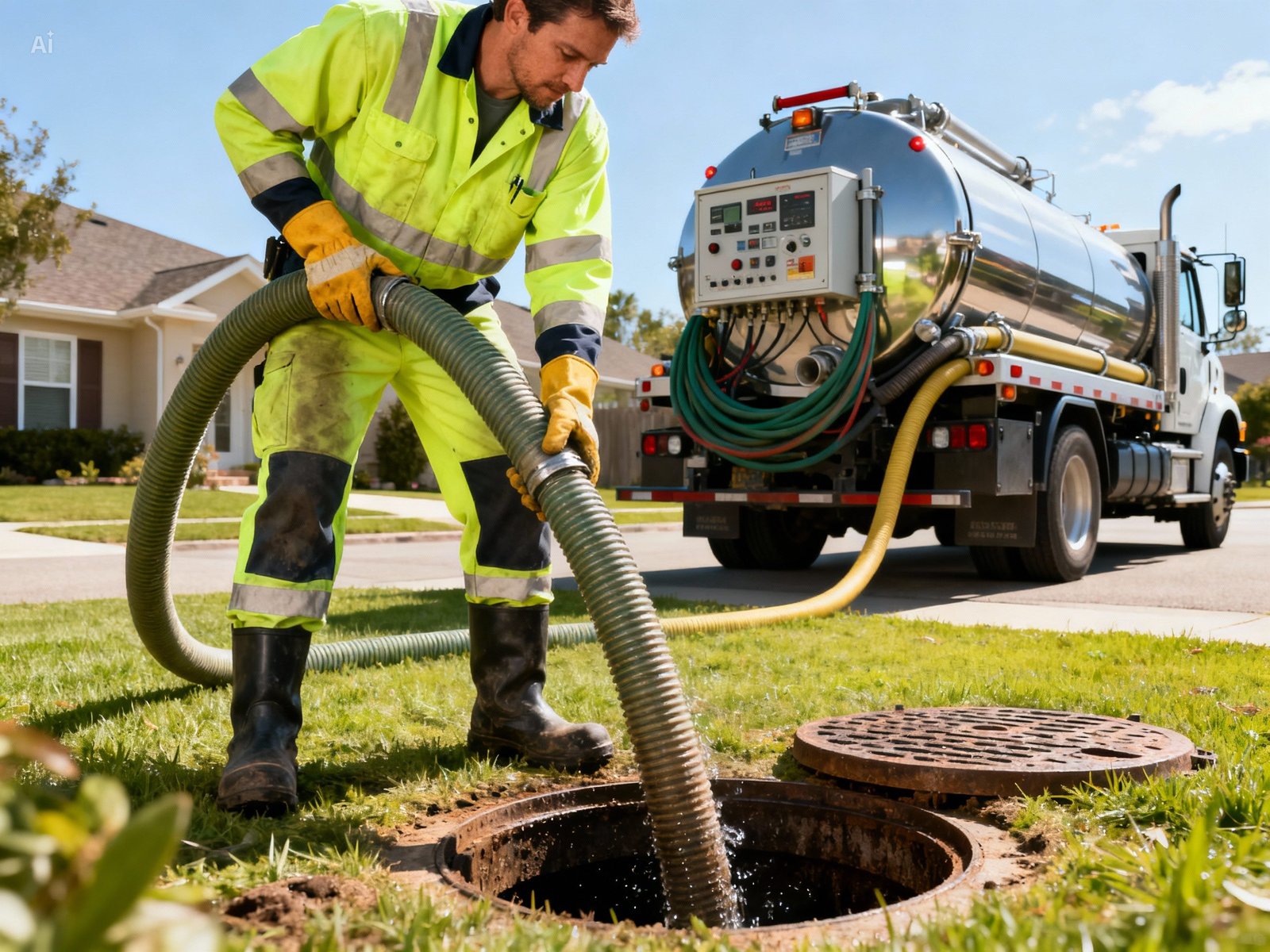
- Pump the Tank (If Necessary): If it’s been over 3-5 years (or less if you use a garbage disposal), consider having the tank pumped before the inspection. This ensures the inspector can accurately assess sludge and scum levels and demonstrates good faith.
- Ensure Access: Clear any landscaping, decks, or heavy items covering the tank lids or risers. A clear path is essential.
- Inspect for Obvious Signs: Walk your property. Are there any areas of standing water, unusually green grass over the drain field, or sewer smells? Address these minor issues if possible (e.g., ensure sprinklers aren’t over-saturating the drain field).
- Avoid System Overload: In the week leading up to the inspection, avoid excessive water use (e.g., multiple loads of laundry, long baths). This allows the system to be in a more ‘normal’ state for evaluation.
- Check Alarm Systems: Ensure any alarms are functioning and audible.
- Educate Yourself: Understand the basics of your system (age, type). This helps you answer buyer questions confidently and transparently.
- Review Previous Reports: If you’ve had inspections or work done before, review those reports and have them readily available.
⚠️ CRITICAL SELLER WARNING: Never attempt to hide known septic issues. Full disclosure is legally required in most areas and failing to do so can lead to significant legal repercussions and lawsuits after the sale. A pre-listing inspection helps ensure transparency and a smoother closing.
Product Recommendations for Septic System Maintenance & Prevention
While an inspection is a snapshot in time, proactive maintenance can extend your septic system’s life and prevent issues. Based on EPA guidelines and expert recommendations, regular maintenance is key.
Here are some product categories and popular options:
- Septic Tank Treatments: These aim to maintain or boost the population of beneficial bacteria that break down waste.
- Rid-X: A popular choice, often found at hardware stores. Uses beneficial bacteria. Check local availability at Home Depot, Lowe’s, Amazon.
- Green Gobbler Septic Saver: Uses enzymes and bacteria. Available on Amazon.
- Bio-Clean: Another bacteria-based product. Find it online or at specialized plumbing supply stores.
- Comparison: Bacterial treatments are generally preferred over enzyme-only treatments, as bacteria are the primary workers in septic digestion. Avoid harsh chemical cleaners that can kill these beneficial organisms. Always consult a septic professional before using any additive, as some can be ineffective or even harmful.
- Key Benefit: Supports natural waste decomposition.
- Frequency: Monthly is typical, but follow product and inspector recommendations.
- Caution: Not a substitute for pumping.
- Effluent Filters: If your system has an outlet filter, cleaning it regularly (e.g., annually, or as recommended by your inspector) is crucial for preventing drain field clogs.
- Infiltrator Water Technologies and Orenco Systems are leading manufacturers. Replacement filters can be found online or at plumbing supply stores.
- Alarm Systems: A high-level alarm is a vital component for early warning of tank overflow.
- SJE Rhombus and Septic Alert are common brands. Available through plumbing supply distributors and some online retailers.
- Tank Riser Kits: Make future pumping and maintenance much easier and cheaper, often eliminating the need for excavation.
- Consider kits from manufacturers like Infiltrator Water Technologies. Available at building supply stores and online.
Navigating the Inspection: Key Differences for Buyers & Sellers
| Feature | Buyer’s Perspective | Seller’s Perspective |
|---|---|---|
| Primary Goal | Uncover risks, potential costs, and inform negotiation strategy. | Showcase system health, preemptively fix issues, and build buyer confidence. |
| Timing | During the contingency period of an accepted offer. | Before listing the property for sale or during listing to address buyer concerns. |
| Focus | System condition, repair needs, estimated remaining lifespan, and immediate actions. | System functionality, ease of maintenance, past records, and compliance with regulations. |
| Outcome | Negotiation leverage, informed purchase decision, potential renegotiation or withdrawal. | Smoother sale, potentially higher selling price, reduced post-sale liabilities. |
| Who Initiates? | Buyer (typically as a contingency). | Seller (proactively for transparency and sale readiness). |
| Key Question | “What problems does this system have, and what will it cost me to fix them?” | “Is my system in good condition and ready for sale? What do I need to disclose?” |
Frequently Asked Questions (FAQ) about Septic Inspections
How much does a septic tank inspection typically cost?
Typically between $300 and $600. Costs can vary based on your geographic location, the accessibility of the tank, and whether additional services like a dye test or video pipe inspection are included. Some inspectors offer combined home and septic inspections at a package rate. According to HomeAdvisor, the average cost is around $475.
Can I use a garbage disposal with a septic system?
It’s strongly discouraged by most septic professionals and manufacturers. Garbage disposals significantly increase the amount of solids entering the tank, reducing the time between necessary pumpings and increasing the risk of drain field clogs. If you must use one, plan on pumping your septic tank annually.
What are the common signs of a failing drain field?
Common signs include soggy or standing water in the yard above the drain field, unusually lush and green grass in specific areas, foul sewage odors emanating from the yard, and slow drains or gurgling sounds throughout the house. Prompt attention is crucial to prevent further damage.
Do septic tank additives really work, and are they recommended?
Some bacterial additives can help maintain the necessary microbial balance for waste digestion, especially if the system’s bacteria have been depleted (e.g., by antibiotics or harsh cleaners). However, they do not eliminate the need for regular pumping. They are maintenance aids, not replacements for pumping. Avoid harsh chemical treatments that can kill beneficial bacteria. Always consult your septic professional before using any additive.
How often should a septic tank be pumped?
Generally, every 3-5 years for a typical household. This frequency depends heavily on the tank size, number of occupants, and water usage habits. Homes with garbage disposals or higher water usage may need pumping every 1-3 years. Regular pumping is the single most important maintenance task.
Your Septic Inspection Action Plan: Next Steps
Whether you’re buying or selling, a comprehensive septic tank inspection is a vital step in protecting your investment and ensuring a smooth transaction.
For Buyers:
- Request the Inspection: Make it a contingency in your offer. Ensure the contract specifies a professional septic inspection.
- Hire a Specialist: Don’t rely solely on a general home inspector. Find a licensed, experienced, and reputable septic professional in your local area.
- Attend the Inspection: Ask questions! Use the buyer’s checklist above to guide your understanding.
- Review the Report Thoroughly: Understand all findings and their implications. Discuss repair costs or potential price renegotiations with your real estate agent.
For Sellers:
- Consider a Pre-Listing Inspection: Identify and fix issues early to build buyer confidence.
- Gather Documentation: Prepare your maintenance records, past inspection reports, and any warranty information.
- Ensure Accessibility: Make sure the tank is easy to access for the inspector.
- Disclose Findings Honestly: Be transparent with potential buyers about the system’s condition and any past or planned repairs.
Don’t let a septic system become a deal-breaker or a costly regret. A thorough inspection protects your investment and ensures peace of mind for everyone involved.
Get Connected with Local Septic Inspection Experts!
Ready to schedule your septic tank inspection? Click below to get free quotes from licensed and insured septic professionals in your area. Protect your home purchase or sale today!
Find Local Septic Inspectors Now
Ethical Disclosures & Important Information:
- Affiliate Disclaimer: As an affiliate, we may earn a commission from qualifying purchases made through links on this page (e.g., product recommendations). This comes at no extra cost to you.
- Local Regulations: Septic system regulations and inspection requirements vary significantly by county and state. Always verify local requirements with your real estate agent and local health department.
- Cost Variability: The cost of repairs or replacement can be substantial. This guide provides general information; consult with qualified professionals for specific assessments and quotes.
- Safety Warning: Working with septic systems involves risks, including exposure to hazardous gases and potential property damage. Never attempt to open or service a septic tank yourself without professional training and safety equipment.
- Educational Purpose: Information presented here is for educational purposes and is based on general industry standards and EPA guidelines. Consult with licensed professionals for advice tailored to your specific situation.
Leave a Reply