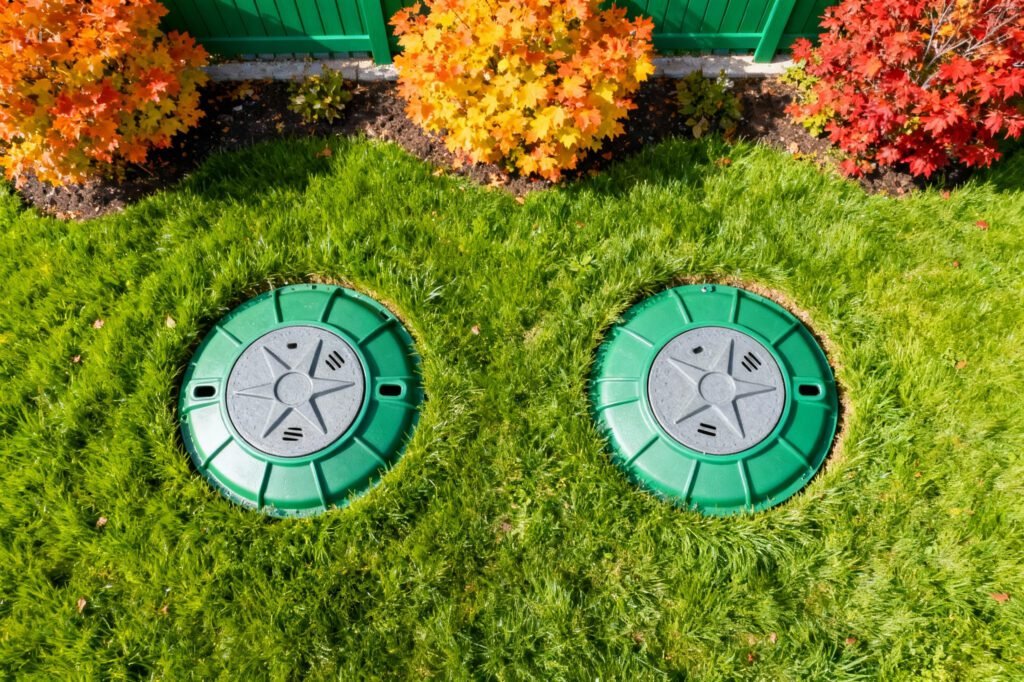
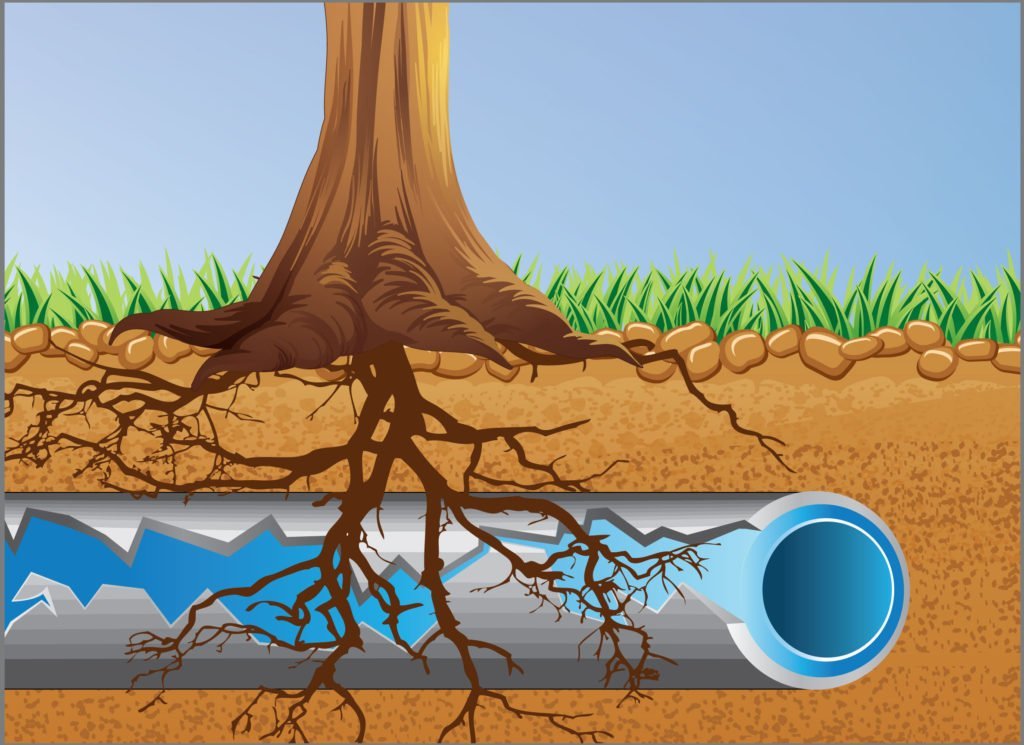
Quick Answer: Tree roots invade septic systems by seeking moisture in pipes, tanks, and leach fields, resulting in clogs, system backups, and expensive damage. Prevent intrusion by planting trees at least 20 feet from your system, using root barriers, and maintaining regular inspections. Address minor blockages immediately and call professionals if damage is severe.
- Tree root intrusion causes up to 30% of septic system failures nationwide (EPA estimates).
- Key prevention includes proper tree placement, routine system inspections, and root barriers.
- Early symptoms are slow drains, lawn sogginess, and foul odors near the tank or drain field.
- Immediate action and long-term strategies can minimize damage and prevent costly repairs.
- Professional help is essential for significant or recurring root problems.
Recognizing the Problem of Tree Roots and Your Septic System
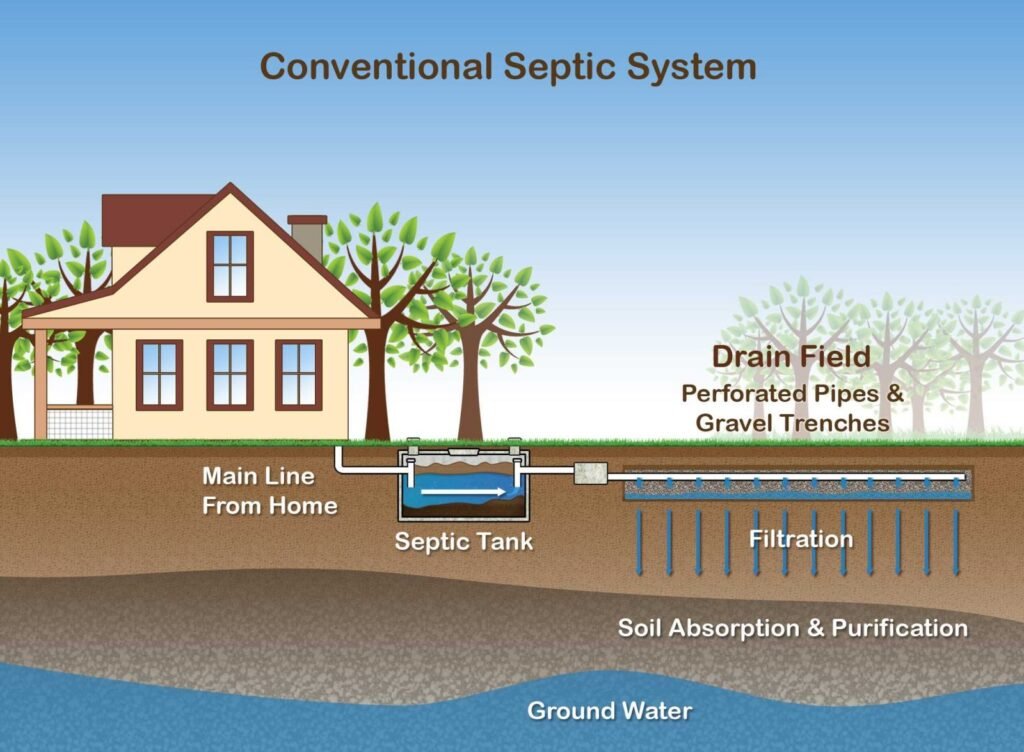
Tree roots invading a septic system present a hidden but serious threat to homeowners with mature landscaping. These roots relentlessly seek moisture and nutrients, spreading into septic system pipes, tanks, and especially leach fields. The impact can be severe—manifesting as slow drains, backups, foul odors, and potentially catastrophic failure requiring extensive (and expensive) repairs or total replacement. The emotional and financial stress from these surprise plumbing issues and possible yard damage can be considerable. Septic-related problems may also pose environmental hazards and cause substantial property detriment. National studies estimate that tree root intrusion is responsible for up to 30% of septic system failures, emphasizing how widespread and significant this risk is.
Root Cause Analysis: Why This Happens
Primary Causes
- Tree Root Growth Seeking Water: Septic systems supply a steady moisture source that attracts tree roots.
- Cracks or Leaks in Pipes and Tanks: Damaged or aging septic infrastructure gives roots an entry point to invade and block pipes.
- Proximity of Large Trees: Planting trees too close to the tank or leach field increases root invasion risk.
- Soil Conditions: Moist, loose soils accelerate root spread towards attractive nutrient sources.
- Aging Systems: Old, deteriorating pipes and joints are more susceptible to penetrations.
Contributing Factors
- Poor septic system placement or design with respect to landscaping
- Lack of regular inspections or maintenance
- Improper irrigation and watering encouraging root growth near pipes
- High-risk tree species with aggressive roots (e.g., willows, maples, poplars)
Diagnostic Self-Assessment Quiz
- Are your drain fields saturating or failing?
- Is there unexpected pooling or sogginess near your leach field?
- Do toilets and sinks drain slowly or back up frequently?
- Have you noticed foul odors indoors or outdoors near the septic tank?
- Are any trees or shrubs planted within 20 feet of your septic system?
If you answered yes to two or more questions, tree roots may be affecting your septic system.
How to Identify Your Specific Cause
Start with a visual inspection for surface pooling and lush patches of grass over your septic field. Use a plumbing camera to look for blockages in pipes. If you’re unable to pinpoint the issue or the problem persists, consult a licensed septic professional for camera inspections and further diagnostics.
Solution Framework: Tiered Approach
| Tier | Solution | When to Use |
|---|---|---|
| Tier 1 | Mechanical auger, septic-safe root killer, temporary water reduction | For minor blockages and immediate relief |
| Tier 2 | Root barriers, pipe replacement with root-resistant materials, routine inspections | For moderate, recurring, or infrastructure-related issues |
| Tier 3 | Professional landscaping redesign, full system replacement, targeted tree pruning/removal | For severe, recurring, or system-wide damage |
Step-by-Step Implementation Guides
Solution A: Mechanical Root Removal
- Locate clogged pipes with a plumbing camera or professional inspection.
- Insert a mechanical auger or rotating root cutter into the cleanout access point.
- Rotate the device to cut through root masses obstructing the pipes.
- Extract debris and thoroughly flush the pipe with water.
- Repeat as necessary and continue to monitor for regrowth.
Solution B: Chemical Root Killing Treatment
- Purchase a septic-system-safe root killer containing dichlobenil or copper sulfate (always check local and state regulations).
- Review manufacturer instructions for correct dosage and timing.
- Pour the root killer into the toilet or main system inlet for even distribution.
- Avoid using excess water for 2–3 days to maximize chemical effects.
- Plan for annual or as-needed follow-up treatments.
Solution C: Professional Septic and Tree Services
- Comprehensive camera and root mapping inspections
- Customized repair and prevention plan, including pipe repairs, root barriers, and safe tree management strategies
- Work executed using advanced, minimally invasive techniques
- Post-service monitoring and ongoing prevention advice
- Service cost depends on severity, scope, and required repairs
Prevention Strategies: Ensuring It Never Happens Again
Daily/Weekly Preventive Measures
- Keep trees and large shrubs at least 20 feet away from septic components.
- Avoid excessive irrigation or watering near septic fields.
- Monitor drains for slower-than-usual emptying or mild backups.
Monthly/Quarterly Maintenance Tasks
- Visually check the leach field and yard for abnormal wet areas.
- Apply septic-safe root killer once annually to inhibit intrusion.
- Schedule septic tank pumping every 3–5 years to promote system health.
Early Warning Signs Monitoring
- Install moisture sensors in your leach field for early detection of excessive wetness.
- Arrange camera inspections every two years.
- Keep detailed records of symptoms and all maintenance performed.
Environmental/Usage Modifications
- Landscaping: Choose septic-safe species such as dogwood, redbud, or serviceberry.
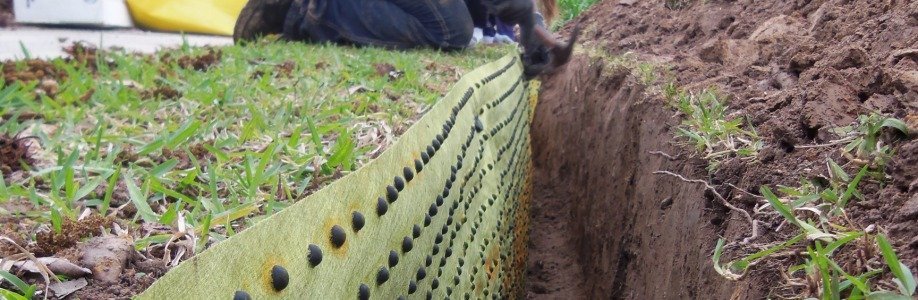
- Install underground root barriers (metal or thick plastic) around leach lines.
- Re-route irrigation lines to avoid excessive watering over the system area.
Cost Analysis: DIY vs. Professional
| Expense | DIY | Professional Service |
|---|---|---|
| Mechanical auger/root cutting | $50–$100/day rental | $300–$700 per service |
| Chemical root killers | $20–$50 per treatment | Included in service |
| Root barrier materials | $150–$400+ | $500–$1,500+ with installation |
| Pipe repair/replacement | DIY risk—may not be feasible | $1,000–$5,000 and up |
| Full septic replacement | Rarely DIY, not recommended | $5,000–$15,000+ |
| Time investment | 5–10 hours (mechanical + follow-up); skill required | Varies by scope; minimal homeowner effort |
Insurance and Warranty Considerations
- Most standard homeowner’s insurance policies exclude septic root damage—review yours carefully.
- Septic system warranties commonly exclude root-related failures. Always verify coverage.
- Document all inspections, repairs, and maintenance for future claims or property sale.
Success Verification and Quality Assurance
How to Know the Problem Is Truly Solved
- No slow drains or backups for at least 6–12 months after intervention
- No visible pooling or foul odors in leach field or near the septic tank
- Inspection camera confirms clear pipes and zero root regrowth
Testing and Validation Procedures
- Schedule pipe camera inspections at 1 and 6 months post-treatment
- Use dye testing to verify pipe integrity and water flow through the system
- Track water use and tank levels during regular pumping appointments
Follow-Up Maintenance Schedule
- Quarterly visual inspections for wet patches or odors
- Annual root-killer treatment as preventive care
- Septic tank pumping every 3–5 years, or more frequently with heavy use
When All Else Fails: Escalation Path
Red Flags That Require Immediate Professional Help
- Sewage backups inside the house or yard (health hazard)
- Major surface pooling, leach field collapse, or sinkholes
- Obvious pipe damage visible from camera inspection
- Frequent root blockages despite treatment attempts
How to Find and Vet the Right Professional
- Consult local septic system service providers who specialize in root intrusion removal.
- Verify certifications: Look for licensed septic inspectors, experienced plumbers, and certified arborists.
- Review testimonials, request before/after project photos, and confirm insurance coverage and work guarantees.
Questions to Ask Before Hiring
- What root removal and repair methods do you use?
- Can you provide references or case studies?
- How will you protect my landscape during repairs?
- What post-service support is included?
- Are your treatments safe for my specific septic system and yard environment?
Frequently Asked Questions
How do tree roots damage septic systems?
Tree roots actively pursue moisture, infiltrating small cracks or loose joints in septic pipes and tanks. Once inside, they can clog lines, disrupt wastewater flow, and ultimately cause backups or permanent structural damage (EPA).
Can I use a chemical root killer safely in my septic system?
Yes, as long as you select “septic-safe” products and rigorously follow label instructions. Overuse or the wrong product can harm the helpful bacteria critical to your system’s operation. Always check with a professional for guidance and local regulations.
What trees should I avoid planting near my septic system?
Trees with aggressive, water-seeking roots like willows, poplars, maples, and silver birch. Opt for low-impact alternatives—see our Guide to Choosing Septic-Safe Trees and Shrubs for recommendations.
How close can trees be planted to a septic system?
Maintain a minimum 20-foot buffer between new plantings and all septic system components, although specific distances may vary by tree species and soil conditions.
Can mechanical root cutting damage my septic pipes?
It can if performed incorrectly or with non-professional equipment. If in doubt, hire a reputable septic service contractor to avoid damaging fragile or old pipes.
How often should I inspect my septic system for root damage?
Aim for a professional camera inspection every 1–2 years, or sooner if you notice early symptoms (e.g., slow drains, lush patches above the leach field).
Will tree roots grow back after chemical treatment?
Yes, roots can regrow. Periodic treatments, combined with physical root barriers and smart landscaping, are essential for ongoing prevention.
What are the signs my septic system is failing due to roots?
Look for slow-draining fixtures, repeated backups, persistent foul odors, or pooled water and especially green grass near the leach field.
Can I remove tree roots myself from septic pipes?
You can attempt minor removals with a rented auger, but severe or recurring blockages should be left to septic professionals.
Is replacement the only option if roots invade my septic system?
No, less extreme solutions such as pipe repairs, root barriers, or strategic landscaping typically suffice unless root damage is extensive and system-wide.
What are root barriers and how do they work?
Root barriers are physical underground barriers (usually metal or plastic) that redirect or block root growth away from sensitive septic system parts.
Does watering my lawn near the septic system encourage root intrusion?
Yes, excess irrigation increases soil moisture levels, making your septic area particularly attractive to invasive tree roots.
Plan before you plant: Consult our Guide to Choosing Septic-Safe Trees and Shrubs before landscaping to safeguard both your yard and your septic system’s health.
Additional Resources
- U.S. EPA: Septic Systems Homeowner’s Guide
- National Onsite Wastewater Recycling Association (NOWRA)
- University of Minnesota Extension: Tree Roots and Septic Systems
Related Guides & Internal Links
- Proper Maintenance Tips for Your Septic Tank
- Guide to Choosing Septic-Safe Trees and Shrubs
- How to Perform a Septic System Inspection at Home
- Septic System Pumping: Frequency and Cost Explained
- Local Septic System Repair Services Near You
Need expert help or more guides? Don’t wait for a septic emergency—contact local certified septic professionals for an inspection, or explore our full library of septic maintenance and yard care resources to safeguard your home investment.

Leave a Reply