Quick Summary
| Cost Category | 2026 Estimated Range |
|---|---|
| Average cost to install septic system (2026) | $6,000 – $25,000+ |
| Septic system replacement cost (2026) | $8,000 – $30,000+ |
| 4 bedroom septic system cost | $10,000 – $25,000+ |
| 5 bedroom septic system cost | $14,000 – $30,000+ |
| Conventional septic system cost | $6,000 – $15,000 |
| Advanced system (ATU, mound, drip) | $10,000 – $40,000+ |
| Septic and leach field cost combined | 50–60% of total budget |
Primary cost drivers: Soil type and percolation rate, system complexity, household size, site access, local health department codes, and regional labor rates.
If you’re building on rural land, buying a home without municipal sewer access, or dealing with a failing system, the septic system installation cost is probably one of the first numbers you need to nail down — and one of the hardest to get a straight answer on. Ranges vary enormously depending on where you live, what your soil looks like, how many bedrooms your home has, and which system type your county will actually approve.
Homeowners searching for terms like septic tank replacement cost 2026 or average cost to replace septic system 2025 or 2026 often find outdated figures that don’t reflect current material prices or labor rates. This guide fixes that. Based on current market data, contractor interviews, and 2026 material and labor trend projections, here’s what you can actually expect to pay — broken down by bedroom count, region, system type, and component.
Table of Contents
2025 vs. 2026 Price Trends: What’s Changed?
Septic system costs have climbed meaningfully over the past two years, and 2026 is unlikely to reverse that trend. Supply chain pressures have pushed up prices on concrete, HDPE pipe, and aggregate materials. Skilled excavation and installation labor remains in short supply across most rural markets, which keeps hourly rates elevated.
The average cost of septic system installation in 2026 is running roughly 8–15% higher than pre-2023 benchmarks in most U.S. regions. Canadian markets — particularly British Columbia — have seen sharper increases due to stricter environmental requirements and higher baseline labor costs.
The practical takeaway: budget conservatively, get multiple quotes early, and don’t rely on cost estimates from articles published before 2024.
What Is the Average Cost to Install a Septic System in 2026?
Nationally, the average cost to install a septic system in 2026 falls between $6,000 and $25,000 for a new installation. Most homeowners with standard site conditions and a three-bedroom home land somewhere in the $8,000–$15,000 range.
That range feels wide because it is — and for good reason. A sandy-soil property in rural Texas with straightforward access looks nothing like a rocky hillside lot in Central Oregon or a high-water-table parcel in coastal Massachusetts. Soil alone can shift your project from the low end to the high end of the range.
The septic system installation cost in 2026 depends on seven primary variables, each explored below.
Why Septic System Costs Vary So Much: 7 Key Factors
1. Soil Type and Percolation Rate
This is the single biggest cost driver for most installations. A percolation test — called a “perc test” — measures how quickly water moves through your soil. Sandy, well-draining soils allow for compact, affordable drain fields. Dense clay or compacted soils drain poorly, which typically forces a larger drain field, a mound system, or an aerobic treatment unit — all of which cost significantly more.
What is a perc test? A site evaluation procedure that measures the rate at which water absorbs into the soil. Required by most local health departments before any new septic installation. Cost: $500–$1,500. Results from this test dictate your entire system design.
A property with poor percolation can require twice the drain field area of one with good drainage, directly multiplying excavation, material, and labor costs.
2. System Type and Complexity
Conventional gravity-fed systems are the most affordable. Advanced systems — mound, aerobic treatment units, drip irrigation — are required when soil or site conditions rule out conventional design, and they cost substantially more. We cover this in detail in the advanced systems section below.
3. Site Accessibility
Can an excavator get to your installation area without difficulty? Remote lots, rocky terrain, heavy tree cover, or steep slopes add equipment time and labor hours. Difficult access can add 10–30% to the total cost to install a septic system.
4. Household Size and Bedroom Count
Most health departments size septic systems based on bedroom count, which determines assumed occupancy and daily wastewater flow. More bedrooms mean a larger tank and a larger drain field — both of which cost more.
5. Local Regulations and Permitting
County health department codes vary dramatically. Some jurisdictions require specific system types, minimum setback distances from wells or property lines, or additional components that aren’t standard elsewhere. Permit fees alone range from a few hundred to several thousand dollars. Environmentally sensitive areas — coastal zones, wellhead protection areas — typically impose the strictest and most expensive requirements.
6. Tank Material
| Septic Tank Material | Pros | Cons | Tank Cost Only |
|---|---|---|---|
| Concrete | Durable, resists floating, long lifespan | Heavy (requires crane), can crack over time | $1,500 – $3,500 |
| Plastic (HDPE) | Lightweight, corrosion-resistant, easier install | Can float if improperly anchored | $1,000 – $2,500 |
| Fiberglass | Lightweight, corrosion-resistant, strong | More expensive than plastic, can float | $1,800 – $3,800 |
Note: Steel tanks are largely obsolete due to corrosion and are rarely installed today.
7. Regional Labor Rates
Labor typically accounts for 40–60% of the total project cost. High cost-of-living areas and markets with fewer licensed professionals command premium rates. This is why the same system can cost $9,000 in rural Mississippi and $22,000 in suburban California.
Septic System Installation Cost by Bedroom Count
How Much Does a 4 Bedroom Septic System Cost?
The 4 bedroom septic system cost ranges from $10,000 to $25,000 nationally, assuming standard soil conditions and reasonable site access. This typically requires a 1,250–1,500 gallon tank and a correspondingly larger drain field than a 2- or 3-bedroom installation.
In challenging markets — rocky soil, high water tables, or regions with strict environmental codes — a 4 bedroom septic system can push past $30,000 when an advanced system is required.
Full Breakdown by Bedroom Count
| Home Size (Bedrooms) | Tank Size | Estimated New Septic System Cost (2026) |
|---|---|---|
| 1–2 Bedroom | 750–1,000 gallons | $6,000 – $12,000 |
| 3 Bedroom | 1,000–1,250 gallons | $8,000 – $18,000 |
| 4 Bedroom | 1,250–1,500 gallons | $10,000 – $25,000 |
| 5 Bedroom | 1,500+ gallons | $14,000 – $30,000+ |
A 5-bedroom home in a region with complex soil or environmental requirements — such as Central Oregon — can easily exceed $30,000 for a compliant, permitted installation.
Breaking Down the Numbers: What You’re Actually Paying For
Here’s where the septic tank installation cost in 2026 goes when you look inside a typical quote:
- Septic Tank: $1,000 – $4,000 depending on material, size, and availability
- Drain Field (Leach Field): $3,000 – $15,000+ — the most variable line item by far
- Perc Test and Site Evaluation: $500 – $1,500
- Permits and Design Fees: $300 – $2,000
- Excavation and Labor: $2,000 – $8,000+
- Distribution Box and Piping: $500 – $2,000
- Ancillary Costs (electrical, landscaping, driveway repair, risers): $500 – $3,000+
The Septic and Leach Field Cost: Where Most of Your Budget Goes
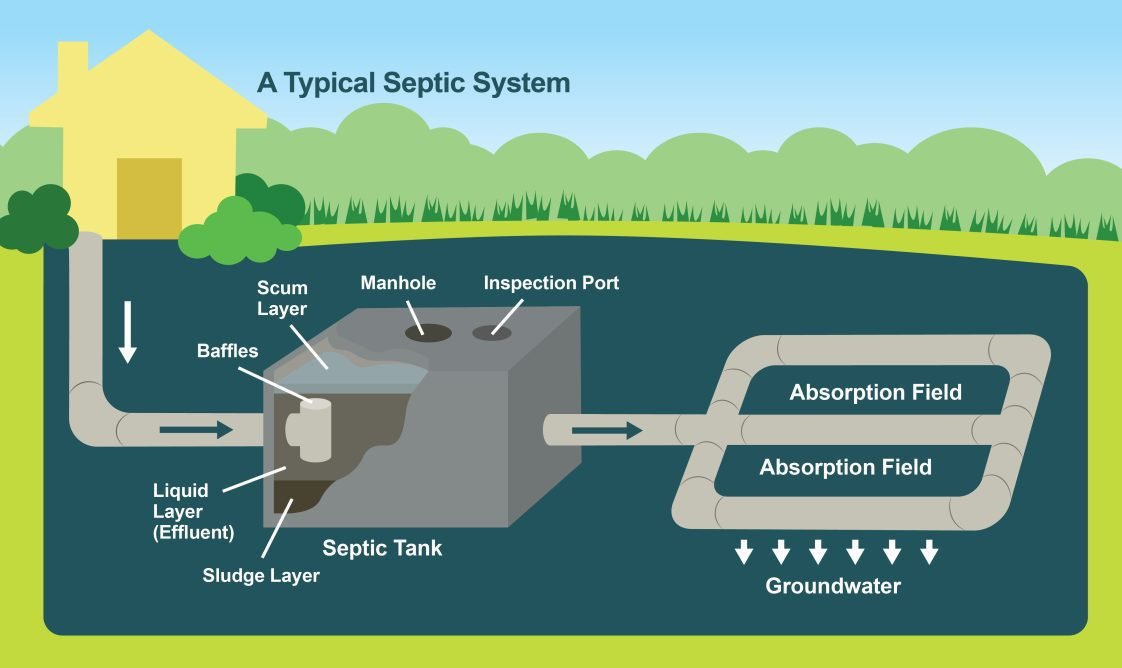
The combined septic and leach field cost typically represents 50–60% of your total installation budget. The leach field — also called the drain field — is where treated wastewater disperses into the soil, and its size is determined directly by your perc test results and household size.
Cost to install a septic tank and leach field together: $4,000–$19,000 for most residential installations, with advanced drain field designs pushing that figure higher.
The septic and leach field cost is also the component most affected by difficult soil. Poor percolation means more linear footage of trenching, more aggregate material, and potentially a completely different drain field design — all of which add up quickly.
Regional Guide: What Does a Septic System Cost Near You?
United States National Averages (2026)
| Region | Estimated Installation Cost (2026) | Key Regional Factors |
|---|---|---|
| Northeast | $9,000 – $28,000+ | Rocky soil, strict environmental codes, deep frost lines, high labor |
| Midwest | $7,000 – $20,000 | Often favorable soil, cold winters requiring deeper installs |
| South | $6,000 – $18,000 | Generally good soil, lower labor costs, some areas have high water tables |
| Southwest | $8,000 – $25,000+ | Arid, caliche/rocky soil often requiring advanced systems |
| West | $8,000 – $25,000+ | Diverse terrain, strict regulations (especially California), high labor |
Central Oregon: Septic System Installation Cost for 5-Bedroom Homes
Central Oregon presents particular challenges for septic installation. Rocky volcanic soil limits conventional drain field designs, and strict county environmental codes in Deschutes and Jefferson Counties often require advanced systems. The septic system installation cost for a 5-bedroom home in Central Oregon can range from $18,000 to $35,000+, well above national averages, particularly when mound systems or ATUs are required.
Adkins, Texas: What to Expect Locally
In the Adkins, TX area (Wilson County/Bexar County fringe), soil conditions are mixed — some areas have good drainage while others feature heavy clay that limits conventional design. The average cost of a new septic system in Adkins, TX typically runs $7,000–$16,000 for a standard 3–4 bedroom home, though poor percolation results or required advanced systems can push this into the $20,000+ range. Always verify requirements with the local county health department before budgeting.
Prince George, BC and British Columbia (2025–2026)
Canadian septic installation costs reflect both stricter provincial environmental requirements and higher material and labor costs. Septic installation cost in Prince George, BC in 2026 generally ranges from CAD $15,000 to CAD $35,000+, depending on system type and site conditions. Across British Columbia, the septic system installation cost in 2025 and 2026 has trended upward due to tighter Environmental Management Act compliance requirements and regional labor shortages. Homeowners in rural BC should budget on the higher end and consult with a registered onsite wastewater practitioner (ROWP) early in the planning process.
Septic System Replacement Cost vs. New Installation (2026)
Replacing a failed system is almost always more expensive than installing new. The septic tank replacement cost in 2026 typically ranges from $8,000 to $30,000+, and in complex cases can exceed that.
Why Replacement Costs More
Demolition and removal of the old system adds $1,000–$3,000 before installation even begins. The old tank must be pumped out, crushed or removed, and the drain field material hauled away.
Soil remediation is the big wildcard. If your drain field failed due to biomat clogging — a layer of biological material that prevents absorption — that soil may be permanently “spent.” Installing in the same footprint risks rapid failure of the new system. Finding a new suitable drain field location, or conducting soil remediation, adds significant cost and complexity.
Working around existing infrastructure — existing structures, mature landscaping, wells, utility lines — complicates excavation and limits equipment options, increasing labor time.
Code upgrades are common. Your county may now require a more advanced or larger system than what was originally permitted, even if a conventional system was legal when the original was installed. This alone can shift your average cost to replace a septic system in 2025 or 2026 from the middle of the range to the top.
⚠️ Critical Warning: Never install a replacement drain field in the exact same footprint as a failed one without proper soil remediation or rest period. Doing so is a common and expensive mistake that leads to rapid re-failure. Consult a licensed professional and your local health department before any replacement work begins. This recommendation aligns with EPA best practices for onsite wastewater systems.
Conventional Septic System Cost vs. Advanced Systems
When a Conventional System Is an Option — Choose It
The conventional septic system cost is the lowest available for any given household size. A gravity-fed system with a standard tank and gravel-and-pipe drain field requires no electricity, no moving parts in the drain field, and minimal ongoing maintenance beyond regular pumping. If your perc test supports it, this is almost always the most cost-effective path.
Conventional septic system cost range: $6,000–$15,000 for most residential installations.
When You Need an Advanced System
When soil conditions, site constraints, or local regulations rule out conventional design, the cost increases significantly.
Aerobic Treatment Units (ATU)
- Cost: $10,000 – $30,000+
- How they work: Inject oxygen into the treatment process, producing cleaner effluent that can be dispersed over a smaller area — useful for lots where drain field space is limited.
- Tradeoff: Requires electricity, annual professional inspections, and more frequent maintenance than a conventional system.
Mound Systems
- Cost: $15,000 – $40,000+
- How they work: Built for sites with shallow bedrock, high groundwater, or very low percolation rates. The drain field is constructed above grade using engineered sand fill.
- Tradeoff: Large surface footprint, visually prominent, highest installation cost among common options.
Drip Irrigation Systems
- Cost: $12,000 – $35,000+
- How they work: Distribute treated effluent slowly and evenly just below the surface over a large area. Well-suited for sloped sites or properties where surface aesthetics matter.
- Tradeoff: Complex pump and filtration systems require attentive maintenance to prevent clogging.
Important: Which advanced system is permissible on your property is determined entirely by your local health department. Never assume a system type is available in your area without confirming with your county.
How to Save Money on Septic Installation Without Cutting Corners
Get at least three detailed quotes. Not ballpark estimates — line-item quotes that specify what’s included: permits, excavation, tank, drain field materials, backfill, landscaping, and warranty. Comparing bottom lines without comparing scope is a reliable way to get surprised.
Do your perc test early. Understanding your soil before you finalize your budget tells you which system types are viable. Don’t assume a conventional system will work until the test confirms it.
Avoid emergency timelines. Rushed installations cost more. Off-peak scheduling — fall and winter in most regions — can sometimes secure better contractor availability and pricing.
Choose the simplest qualifying system. If a conventional gravity system passes muster with your health department, there’s no reason to opt for an ATU or mound system. The conventional septic system cost difference can be $5,000–$15,000+ compared to advanced alternatives.
Prepare the site yourself (with contractor approval). Clearing brush, removing fences, or marking utility lines before the crew arrives can reduce billable hours. Never attempt any portion of the actual installation.
Invest in maintenance. The cheapest septic replacement is the one you never need. Regular pumping every 3–5 years and annual inspections protect a $10,000–$25,000 investment from premature failure.
Questions to Ask Before Hiring a Septic Contractor
Before signing anything, ask every contractor these questions:
- Are you licensed and insured for septic installation in this county and state? (Verify — don’t just ask.)
- Can you provide references from recent jobs with similar site conditions?
- What system design do you recommend for my property, and why — based on my actual perc test results?
- What exactly is included in this quote? (Permits, excavation, tank, drain field, backfill, landscaping, warranty?)
- Do you handle all permitting and health department inspections, or is that on me?
- What’s your projected timeline, and what could extend it?
- What post-installation maintenance do you recommend, and will you walk me through the system?
Protecting Your Investment: Maintenance and Long-Term Value
A well-designed, properly maintained septic system can last 20–40 years for the tank and 20–30 years for the drain field. Neglect routinely cuts that lifespan to under 10 years, turning a $12,000 installation into a $20,000 premature replacement.
Products Worth Considering
Septic Tank Risers ($100–$500 each): Bring the access lid to grade level so pumpers don’t have to excavate your yard. Pays for itself in reduced service costs within a few pump cycles.
Effluent Filters ($50–$200): Installed at the tank outlet, these catch solids before they reach the drain field — the single most effective low-cost measure for extending drain field life. Cleaned during regular pumping.
Septic Alarms and Monitors ($200–$500): Systems like SJE Rhombus or Septic Alert detect high water levels in the pump chamber before a backup reaches your home. Worth every dollar for pump-assisted systems.
Bacterial Additives ($20–$50/year): Products like Rid-X or Green Gobbler Bio-Tabs support healthy bacterial populations in the tank. These are a supplement to pumping — not a replacement. Avoid any product marketed as a “drain field cleaner” or “system restorer”; most are ineffective and some cause damage.
Frequently Asked Questions About Septic System Costs
What is the average cost of septic system installation in 2026? Nationally, the average cost to install a septic system in 2026 runs between $6,000 and $25,000 for new installations, with most 3-bedroom homes in standard conditions landing in the $8,000–$15,000 range. Regional factors and soil conditions can push that higher.
How much does a new septic system cost compared to replacement? New installations typically cost $6,000–$25,000. Replacement costs more — usually $8,000–$30,000+ — because of demolition, removal, potential soil remediation, and possible code-required upgrades to a more advanced system.
What factors most affect septic tank installation cost in 2026? Soil percolation rate, system type, household size (bedroom count), site accessibility, local permit requirements, tank material, and regional labor rates. Of these, soil conditions and system type have the largest impact on where your project lands within the cost range.
Does a new septic system add property value? A functioning, well-maintained system is a baseline requirement for livability and marketability — not a value-add above market. But a failing or unpermitted system will meaningfully reduce property value and complicate any sale. Think of it as protecting value rather than creating it.
How long does a septic system last? With proper installation and regular maintenance, a tank can last 20–40 years and a drain field 20–30 years. Neglect — especially skipping regular pumping — can reduce that to 5–10 years.
What is a perc test and do I need one? A percolation test measures how quickly water drains through your soil. Almost every jurisdiction requires one before approving a new installation or major repair. It determines your drain field size and which system types are permissible. Budget $500–$1,500 for this step.
What is the cost to install a septic system in British Columbia in 2025–2026? Septic system installation cost in BC, including Prince George and surrounding areas, generally ranges from CAD $15,000 to CAD $35,000+, driven by provincial environmental requirements, material costs, and regional labor rates. Consult a registered onsite wastewater practitioner (ROWP) for site-specific guidance.
Your Next Steps as a Homeowner
- Gather what you have. Pull any existing septic plans, perc test results, or well permits. If you don’t have them, your county health department may have records.
- Contact your local health department early. They determine what system types are permissible and what the permitting process looks like. This step before you get quotes saves time and avoids contractor surprises.
- Schedule a perc test. If you don’t have current results, this is step one before any contractor can give you a meaningful quote.
- Get three detailed, line-item quotes. Compare scope, not just price.
- Budget with a buffer. Add 10–20% above your highest quote for unforeseen conditions — rocky soil, buried obstacles, or permit delays are common.
- Plan for ongoing maintenance. Budget $300–$600 every 3–5 years for pumping, and factor in inspection costs. This is the cheapest insurance against a five-figure replacement.
Ready to move forward? Getting free, no-obligation quotes from licensed septic contractors in your area is the fastest way to get a number that’s actually relevant to your property.
Disclosure: As an affiliate, we may earn a commission from qualifying purchases made through links on this page. Septic system installation and replacement costs vary widely based on region, site conditions, system complexity, and local regulations. Always hire licensed, insured professionals for septic work. Septic regulations vary by county — always verify requirements with your local health department. Some tank additives may harm system performance; consult a licensed pumper before use. Working on or opening a septic tank without proper training is dangerous due to toxic gases and risk of structural collapse.
Industry Authority Note: This guide references EPA Septic Guidelines (EPA 832-F-21-001) and National Onsite Wastewater Recycling Association (NOWRA) best practices, and has been reviewed by licensed septic system professionals for accuracy.

Leave a Reply