The Unwelcome Septic Emergency
Few household nightmares loom larger than a failing septic tank repair situation. The tell-tale signs – gurgling drains, foul odors, or worse, sewage backing up into your home – trigger immediate panic. When your septic system acts up, it’s not just an inconvenience; it’s a potential health hazard and a significant threat to your property’s value. For homeowners relying on a septic system, understanding how to respond to an emergency and, more importantly, how to prevent one, is absolutely critical.
This comprehensive guide is designed to equip you with the knowledge to handle an urgent septic backup and implement effective preventative maintenance strategies. We’ll walk you through recognizing the warning signs, taking immediate action, understanding when to call in the professionals for emergency septic service, and adopting habits that will keep your system running smoothly for years to come.
Table of Contents
The Core Problem: Recognizing and Responding to a Septic Emergency
A healthy septic system is usually out of sight and out of mind. That changes instantly when a problem arises. Ignoring the early warning signs of a septic issue can escalate a minor fix into a catastrophic and expensive emergency.
Common Symptoms of a Failing Septic System:
- Slow Drains and Toilets: While often a localized clog, widespread slow draining throughout your home, especially affecting multiple fixtures, can indicate a major issue within the septic system or drain field.
- Gurgling Sounds: Toilets or drains making gurgling noises after flushing or draining water suggest air trapped in the system, often due to a blockage or a full tank.
- Foul Odors: Unpleasant smells, particularly those resembling rotten eggs (hydrogen sulfide gas), emanating from drains, near the septic tank, or around the drain field are clear indicators of a problem.
- Standing Water or Lush Patches: Puddles of smelly water, unusually green or lush grass, or excessive plant growth over your drain field or septic tank area are signs of an overflowing tank or a failing leach field.
- Sewage Backup: The most alarming symptom – raw sewage backing up into your sinks, bathtubs, or toilets – signifies a complete blockage or system failure that demands immediate attention. This is a severe health risk and requires swift action.
- Alarm Sounds: If your system has an effluent pump (common in mound or pressure distribution systems), an alarm indicates a pump malfunction or high water level in the pump chamber.

Solutions: Immediate Fixes and Professional Interventions
When you detect signs of a septic backup, quick and decisive action is crucial. Some problems you can address yourself, but many require the expertise of an emergency septic service.
What to Do Immediately During a Septic Emergency:
- Stop Water Use: This is the absolute first step. Every gallon of water you flush or drain will only exacerbate the problem, potentially pushing more raw sewage into your home or further saturating your drain field. Turn off washing machines, dishwashers, and take shorter showers.
- Avoid DIY Chemical Solutions: Resist the urge to pour chemical drain cleaners down your drains. These chemicals can kill the beneficial bacteria in your septic tank that are vital for breaking down waste, causing more long-term damage and potentially contaminating your drain field.
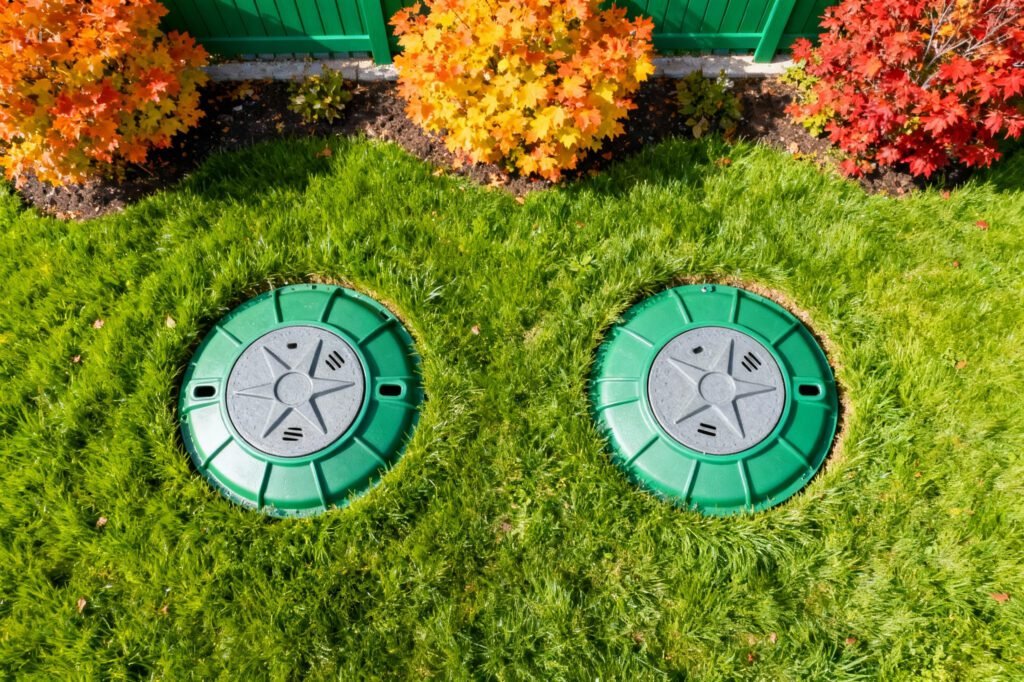
- Locate Your Septic Tank and Drain Field: Knowing where these components are can help a professional diagnose the issue more quickly. If you have system diagrams, now is the time to find them.
- Open the Septic Tank Lid (with caution): Only do this if you are confident and know what you are doing, and never alone. Opening the lid can sometimes relieve pressure and indicate the tank’s fill level. However, septic tanks produce dangerous gases and can be a fall hazard. It’s often safer to wait for a professional.
- Call an Emergency Septic Service: For any severe backup, strong odors, or standing water, your best course of action is to contact a qualified professional. They have the tools and expertise to safely diagnose and repair the issue.
When to Call in the Pros for Septic Tank Repair
While minor clogs in individual drains might be manageable with a plunger or a household snake, systemic issues affecting your entire septic system almost always require professional intervention. Here’s what they can address:
- Pumping a Full Septic Tank: If your tank is full and solids have accumulated, it needs to be pumped. Professionals use specialized trucks to safely remove wastewater and solids. Regular pumping is a key part of preventative maintenance.
- Service Recommendation: Emergency Septic Pumping Service
- Approximate Price Range: $300 – $600 (for a standard 1,000-1,500 gallon tank, prices vary by region and urgency).
- A timely pump-out can prevent many common failures. Look for local septic companies with good reviews for reliable emergency septic service.
- Service Recommendation: Emergency Septic Pumping Service
- Clearing Main Line Blockages: Blockages in the main sewer line leading from your house to the septic tank can cause widespread backups. Professionals use specialized augers and hydro-jetting equipment to clear these stubborn clogs without damaging your system.
- Product Recommendation: Heavy-Duty Electric Drain Auger
- Approximate Price Range: $250 – $700 (for professional-grade, longer cable models).
- While professionals own these, for homeowners comfortable with DIY for other plumbing issues, a robust auger can sometimes clear main line blockages before they reach the septic tank. However, using it incorrectly can cause damage. As an affiliate, we may earn commission.
- Product Recommendation: Heavy-Duty Electric Drain Auger
- Repairing or Replacing Septic Tank Components: This includes broken baffles, damaged inlet/outlet pipes, or issues with the septic tank itself (cracks, leaks). These repairs often require excavation and specialized knowledge.
- Diagnosing and Repairing Drain Field Problems: A failing drain field is one of the most serious and expensive septic tank repair issues. Professionals can perform perk tests, conduct camera inspections, and recommend solutions like drain field rejuvenation (if viable), repair of distribution lines, or complete replacement.
- Septic Pump Repair/Replacement: For systems with a pump, a professional can troubleshoot electrical issues, repair or replace a faulty pump, and fix float switches.
- Product Recommendation: Septic Tank Pump Alarm System
- Approximate Price Range: $150 – $300.
- An alarm system alerts you to high water levels in the pump chamber before a full backup occurs, giving you crucial time to call for emergency septic service. These are usually easy to install for a homeowner or can be installed by your septic professional.
- Product Recommendation: Septic Tank Pump Alarm System
Long-Term Solutions: Preventative Maintenance for a Healthy Septic System
The best way to deal with a septic emergency is to prevent it from happening in the first place. Preventative maintenance is your most powerful tool against costly repairs and system failures.

- Regular Septic Tank Pumping:
- Frequency: Most experts recommend pumping your septic tank every 3-5 years. However, this can vary based on household size, tank size, and water usage. Smaller tanks or larger families may require more frequent pumping (e.g., every 1-2 years).
- Why it Matters: Pumping removes the accumulated solids (sludge and scum) from the tank, preventing them from overflowing into the drain field and causing irreversible damage. For more information, visit ultimate guide to septic pumping frequency.
- Water Conservation:
- Impact: Excessive water usage overloads your septic system, leading to solids being washed into the drain field or the tank simply overflowing.
- Actions: Repair leaky faucets and toilets promptly. Install low-flow showerheads and toilets. Space out laundry loads throughout the week instead of doing several loads in one day.
- Mindful Flushing and Draining:
- What NOT to Flush: The “flushable” label on wipes is often misleading. Never flush feminine hygiene products, diapers, paper towels, dental floss, cotton swabs, cigarette butts, cat litter, or any non-biodegradable items.
- Grease and Oils: Never pour cooking grease, fats, or oils down your drains. They solidify and create stubborn clogs in your pipes and tank, disrupting the bacterial process.
- Chemicals: Avoid harsh chemicals like excessive bleach, paint, pesticides, or strong drain cleaners, as they kill the beneficial bacteria in your septic tank.
- Protect Your Drain Field:
- Avoid Compaction: Never drive, park vehicles, or construct sheds/patios over your drain field. The soil compaction can crush pipes and reduce the soil’s ability to absorb and treat wastewater.
- Planting: Plant only shallow-rooted grasses or flowers over your drain field. Avoid trees and shrubs, whose roots can aggressively seek out water and invade your drain lines, causing severe blockages.
- Use Septic-Safe Products:
- Cleaning Products: Choose cleaning products that are labeled “septic-safe.” These are typically phosphate-free and biodegradable, causing less harm to the bacterial ecosystem in your tank.
- Septic System Additives/Enzymes: While a properly functioning septic tank usually doesn’t need additives, some homeowners use them as a boost. These products introduce beneficial bacteria or enzymes to help break down solids, potentially reducing sludge buildup. They are not a substitute for regular pumping.
- Product Recommendation: Septic System Treatment (Bacterial/Enzyme Additive)
- Approximate Price Range: $20 – $50 (for a year’s supply).
- Look for products that specifically state they are safe for septic systems and contain natural bacteria or enzymes. As an affiliate, we may earn commission.
- Product Recommendation: Septic System Treatment (Bacterial/Enzyme Additive)
- Regular Inspections:
- Consider having your system inspected annually by a professional, especially if it’s an older system or you’ve recently purchased the property. An inspector can identify potential issues before they become emergencies, check baffle integrity, and assess the drain field’s health.
Comparisons: DIY vs. Professional Septic Tank Repair
When facing a septic tank repair issue, homeowners often weigh the pros and cons of tackling it themselves versus calling a professional. Understanding the differences is crucial for safety, effectiveness, and long-term savings.
| Feature / Aspect | DIY Septic Repair | Professional Septic Repair |
| Cost | Low initial cost (tools, simple materials) | Higher upfront cost (labor, specialized equipment) |
| Expertise Required | Basic plumbing knowledge, willingness to get dirty | Extensive knowledge of septic systems, regulations, safety |
| Safety Risks | Exposure to raw sewage, dangerous gases, biohazards | Trained professionals follow strict safety protocols, specialized gear |
| Tools Needed | Plunger, snake, shovel, personal protective equipment | Vacuum truck, hydro-jetter, camera inspection, excavation equipment |
| Effectiveness | Limited to minor clogs, surface-level issues | Comprehensive diagnosis, root cause analysis, lasting solutions |
| Speed | Can be immediate for simple fixes | Quick response for emergencies, efficient diagnosis and repair |
| Long-Term Solution | Often a temporary fix for underlying problems | Aims for permanent solutions, offers preventative advice |
| Warranty/Guarantee | None | Reputable companies offer warranties on parts and labor |
| Regulatory Compliance | Homeowners often unaware of local codes | Professionals ensure work adheres to local health and environmental regulations |
For minor, localized clogs (e.g., a single slow sink drain), DIY can be appropriate. However, for any issue indicating a problem with the septic tank itself, the main line, or especially the drain field, professional help is not just recommended, it’s essential. The potential for further damage, health hazards, and violation of local codes far outweighs any perceived short-term savings from a DIY approach.
Frequently Asked Questions (FAQ) about Septic Tank Repair and Maintenance
How often should a septic tank be pumped?
Generally, a septic tank should be pumped every 3 to 5 years. This frequency can vary based on household size (more people means more waste), tank size, and water usage habits. Smaller tanks or larger families may require more frequent pumping. It’s always best to consult with a local septic professional who can assess your specific situation.
What are the early warning signs of a septic problem?
Early signs include sluggish drains or toilets (especially widespread throughout the house), gurgling sounds from pipes, unusual odors (like rotten eggs or sewage) in your home or yard, and patches of unusually lush, green grass or standing water over your septic tank or drain field. Catching these signs early can prevent a full-blown septic backup.
Can I use drain cleaner in my septic system?
Most conventional chemical drain cleaners are not recommended for septic systems. They contain harsh chemicals that can kill the beneficial bacteria crucial for breaking down waste in your septic tank, disrupting its natural process and potentially leading to system failure. Opt for septic-safe, enzyme-based cleaners or manual methods like plungers and snakes for minor clogs.
How long does a septic system last?
The lifespan of a septic system varies greatly. A well-maintained septic tank (typically concrete) can last 20-40 years or more, while the drain field (leach field) usually has a lifespan of 15-25 years, assuming proper installation, regular maintenance, and responsible use. Neglecting maintenance, however, can drastically reduce these lifespans.
What should I do immediately if I suspect a septic backup?
The very first step is to stop all water usage in your home immediately. This includes flushing toilets, running faucets, showers, dishwashers, and washing machines. Then, contact a reputable emergency septic service professional in your area without delay. Do not attempt to fix severe issues yourself, as this can be dangerous and worsen the problem.
Act Now: Protect Your Home and Health
A failing septic system is a serious matter that requires prompt attention. While understanding immediate fixes is important, the true long-term solution lies in consistent preventative maintenance. By being proactive with pumping, mindful of what goes down your drains, and protective of your drain field, you can significantly reduce the risk of a costly and unpleasant septic tank repair emergency.
Don’t wait for a crisis to strike. If you’re experiencing any warning signs, or if it’s simply time for routine maintenance, it’s time to act.
Get Free Quotes from Local Septic Professionals Ensure the longevity and efficiency of your septic system by entrusting it to experienced local experts. They can provide timely repairs, routine pumping, and valuable advice tailored to your specific system.
For expert guidance on recognizing failure signs and immediate response protocols, see the Homeowner’s Guide to Septic System Emergencies from the National Environmental Services Center (NESC).

Leave a Reply