As a homeowner with a septic system, you know that proper maintenance is paramount. Yet, one of the most common sources of confusion, and potentially costly mistakes, revolves around distinguishing between septic tank cleaning vs pumping. Many homeowners mistakenly believe these terms are interchangeable, or worse, request one service when the other is truly needed, leading to wasted money, inadequate system care, and accelerated problems.
The truth is, while both services are vital for a healthy septic system, they address different issues, employ different methods, and come with significantly different price tags. Understanding these distinctions isn’t just about saving a few bucks; it’s about protecting your property value, preventing environmental hazards, and ensuring the longevity of one of your home’s most critical infrastructures.
In this comprehensive guide, we’ll demystify the confusion, providing a detailed side-by-side comparison of septic tank cleaning and pumping. You’ll learn the exact processes involved, what each service accomplishes, when to schedule them, and how to make an informed decision that saves you time, money, and hassle.
Table of Contents
Why Mistaking Septic Pumping for Septic Cleaning Can Be a Costly Error
The core problem for many homeowners lies in a simple misunderstanding that can cascade into significant expenses and system failures. You might call a septic service, ask for “septic tank cleaning,” and assume you’re getting a comprehensive overhaul when, in fact, the technician performs a standard pump-out. Or, conversely, you might only ever schedule a pump-out, unknowingly allowing stubborn sludge and grease to accumulate and harden over years, eventually leading to severe blockages and even drain field failure.
Here’s why this confusion matters:
- Wasted Money: If you pay for a “cleaning” but only receive a “pumping,” you’re paying a premium for a basic service that won’t solve deeper issues. Conversely, if you only ever pump, you might be delaying an inevitable, more expensive cleaning or repair down the line.
- Ineffective Problem Solving: A foul odor or slow drain might indicate a severe blockage that pumping alone cannot resolve. Opting for a pump-out in such a scenario is like sweeping dust under the rug – it offers temporary relief but doesn’t address the root cause, leading to recurring problems.
- Accelerated System Failure: Hardened sludge, grease, and non-biodegradable waste can accumulate on the tank’s baffles and walls. Over time, these deposits can restrict flow, clog the outlet pipe, and eventually push solids into your [link to: septic drain field], leading to catastrophic and extremely expensive failures that often require full replacement.
- Environmental & Health Risks: A failing septic system can leach raw sewage into your yard or even back up into your home, posing serious health risks and contaminating local groundwater.
Understanding the distinct purposes of each service empowers you to accurately diagnose issues (or at least communicate effectively with a professional) and request the appropriate, most effective solution for your septic system’s specific needs.
Understanding Septic Pumping
Septic tank pumping, also known as septic pump-out or septic tank emptying, is the most common and essential routine maintenance service for any septic system.
What is Septic Pumping?
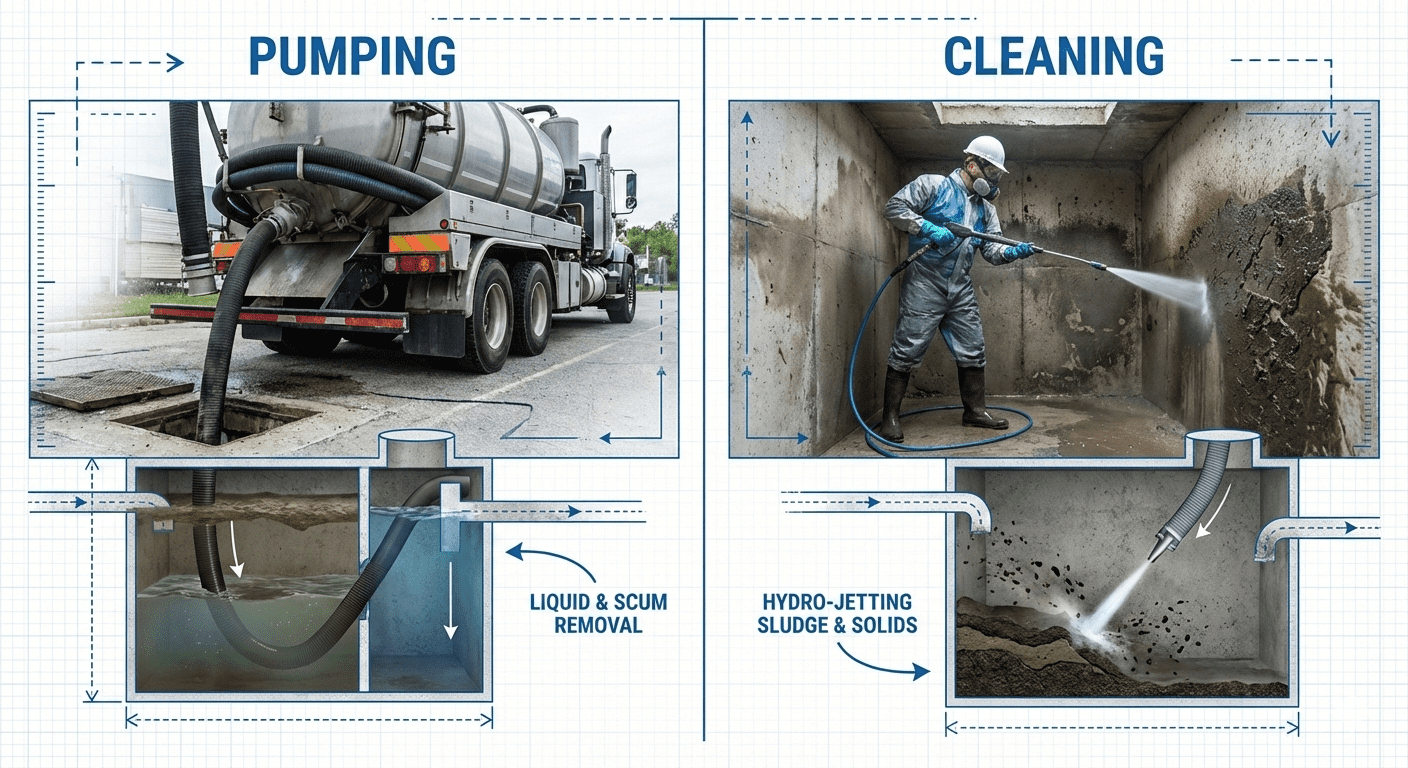
Septic pumping involves the removal of the accumulated liquid wastewater, along with the floating scum layer (fats, oils, grease) and the settled sludge layer (solids that have sunk to the bottom), from your septic tank. The goal is to reduce the volume of solids in the tank, preventing them from overflowing into the drain field and maintaining the system’s capacity.
The Pumping Process:
When you schedule a septic pump-out, a licensed professional will arrive with a specialized vacuum truck. The pumping process typically involves:
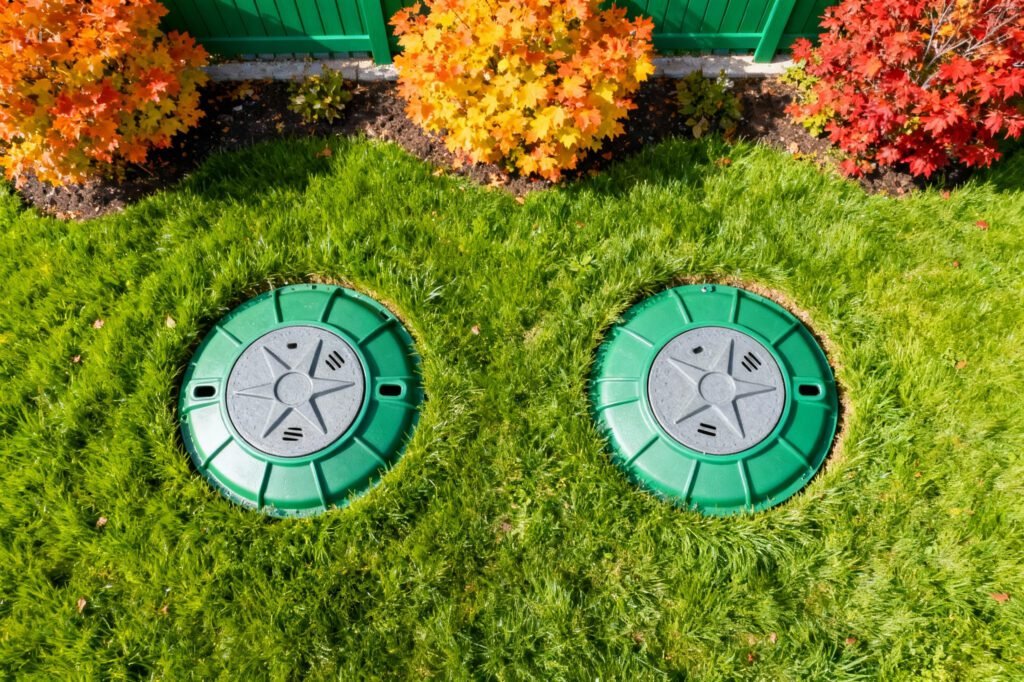
- Locating the Tank & Accessing Lids: The technician will locate your septic tank access points, often covered by risers or buried lids.
- Hose Insertion: A large, powerful hose from the vacuum truck is inserted into the septic tank.
- Vacuuming Contents: The truck’s vacuum system sucks out the wastewater, scum, and sludge. Technicians often agitate the layers to ensure thorough removal of as much solid material as possible. This is not a “cleaning” in the sense of scrubbing, but rather a bulk removal.
- Inspection (Optional but Recommended): A good technician will visually inspect the tank’s interior, baffles, and structural integrity after pumping to identify any obvious cracks, damage, or issues that might require further attention or septic tank repair.
When is Pumping Needed?
Septic pumping is primarily a preventative measure for regular maintenance. It’s recommended every 1-3 years for most households, depending on tank size, household occupancy, and water usage. The aim is to prevent the sludge and scum layers from becoming too thick, which could lead to blockages and system overflow.
Cost Context for Pumping:
Septic pumping is generally the less expensive of the two services, reflecting its routine nature. Prices can vary widely by region, tank size, and ease of access, but typically range from ~$300 – $600.
Understanding Septic Cleaning
Septic tank cleaning is a much more thorough and intensive service than a standard pump-out. It goes beyond simply removing the bulk contents to actively scrape and scour the tank’s interior.
What is Septic Cleaning?
Septic tank cleaning is designed to remove all accumulated solids, including hardened sludge, grease, mineral deposits, and other materials that cling to the tank’s walls and baffles and cannot be removed by simple vacuum pumping. It’s a comprehensive “reset” for your tank.
What it Addresses:
Cleaning specifically targets:
- Thick, hardened sludge layers that have solidified at the bottom.
- Grease and fat buildups that line the tank walls and baffles.
- Organic and inorganic materials that create stubborn blockages within the tank or at the inlet/outlet pipes.
- Situations where the tank has been neglected for many years, leading to excessive accumulation.
When is Cleaning Needed?
Septic cleaning is typically not a routine maintenance task. It’s usually required in specific situations:
- Severe Blockages: When drains are consistently slow or backing up, and pumping hasn’t resolved the issue.
- Foul Odors Persisting: Strong, persistent sewage odors, even after pumping, can indicate significant buildup.
- Neglected Systems: If a system has gone many years without proper maintenance, a thorough cleaning might be necessary to restore its function.
- Pre-Inspection/Sale: Before selling a home, a comprehensive septic inspection might recommend cleaning to ensure the system is in optimal condition.
- Problematic Baffles: If baffles are heavily caked with grease or sludge, a cleaning can restore their proper function, preventing solids from entering the drain field.
Cost Context for Cleaning:
Due to the additional time, specialized equipment (like hydro-jetters), and labor involved, septic tank cleaning is significantly more expensive than pumping. Costs typically range from ~$600 – $1500+, depending on the severity of the buildup and the size of the tank.
The 5 Crucial Differences Between Septic Tank Cleaning and Pumping
To truly grasp the distinction, let’s break down the five most critical differences:
Difference 1: Purpose & Depth of Service
- Pumping: Primarily a routine preventative maintenance service. Its purpose is to remove the liquid contents and the easily vacuumable scum and sludge layers to maintain the tank’s operational capacity and prevent overflow into the drain field. It’s like emptying a full trash can.
- Cleaning: A deeper, more intensive corrective or restorative service. Its purpose is to thoroughly remove all accumulated solids, including those adhering to tank walls and baffles, to resolve existing blockages or restore function to a neglected system. It’s like scrubbing the trash can until it’s spotless.
Difference 2: Equipment & Process
- Pumping: Utilizes a powerful vacuum truck and a large hose to suction out the tank’s contents. The process is relatively quick.
- Cleaning: Often involves specialized tools beyond just a vacuum, such as high-pressure hydro-jetting equipment, scrapers, and brushes. Technicians may even enter the tank (in compliant safety gear) to manually remove stubborn deposits. The process is much more labor-intensive and time-consuming.
Difference 3: What’s Removed
- Pumping: Removes the bulk of the liquid, floating scum, and settled sludge. It’s effective for loose, easily removable solids.
- Cleaning: Removes everything pumping does, plus the hardened grease, calcified sludge, and mineral deposits that cling stubbornly to the tank’s interior surfaces, baffles, and pipes. It ensures the tank is returned to a near-original, obstruction-free state.
Difference 4: Frequency & Necessity
- Pumping: Required regularly, typically every 1-3 years for most residential systems. It’s a proactive measure to keep your system healthy.
- Cleaning: Rarely necessary as a routine measure. It’s usually a reactive service prompted by significant problems, severe neglect, or specific diagnostic findings. Many systems may never need a full cleaning if regularly pumped and properly maintained.
Difference 5: Cost & Time
- Pumping: Less expensive due to its simpler process and shorter duration. It usually takes 1-2 hours.
- Cleaning: Significantly more expensive due to the specialized equipment, increased labor, and longer service time, which can range from several hours to a full day depending on the severity of the buildup.
Solutions & Product Recommendations: Supporting Your Septic System’s Health
Beyond understanding when to pump or clean, homeowners can take proactive steps and use beneficial products to extend the life of their septic system, reduce the frequency of issues, and minimize the need for intensive cleaning.
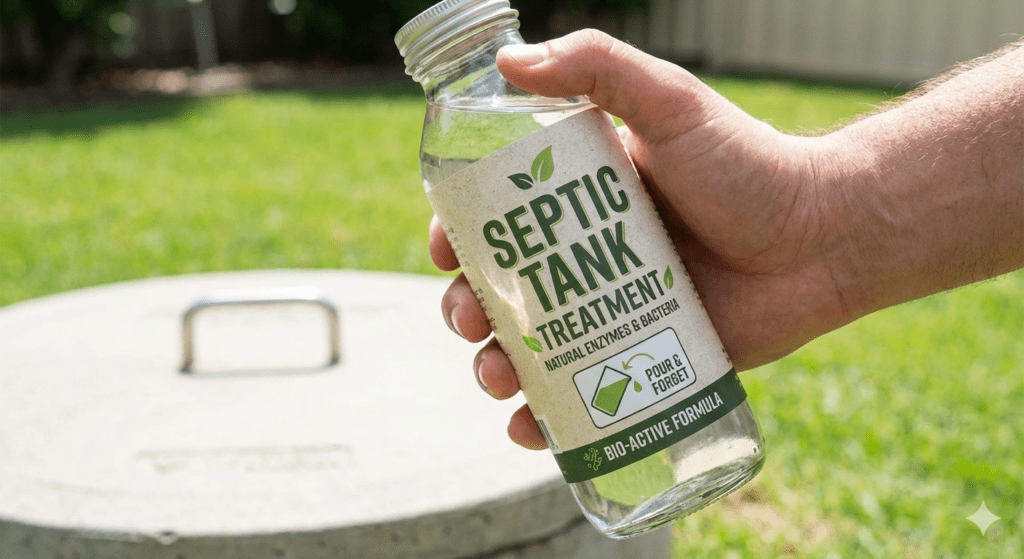
Recommendation 1: High-Quality Septic Tank Additives
While not a substitute for pumping, certain additives can help maintain a healthy bacterial balance in your tank, enhancing the natural decomposition process and reducing the rate of sludge buildup.
- Value Proposition: Promotes efficient breakdown of solids, helps prevent blockages, and maintains a healthy anaerobic environment in the tank.
- Key Spec 1: Contains beneficial bacteria and enzymes specifically designed for septic systems, avoiding harsh chemicals.
- Key Spec 2: Easy-to-use formulation (e.g., flushable packets or liquid).
- Price Context: (~$30 – $100 for a year’s supply)
Recommendation 2: Septic-Safe Household Products
What goes down your drains significantly impacts your septic system. Using septic-safe products can prevent chemical imbalances and blockages.
- Value Proposition: Protects beneficial bacteria, prevents corrosion, and avoids introducing non-biodegradable materials into your tank.
- Key Spec 1: Biodegradable and free of harsh chemicals (e.g., chlorine bleach, antibacterial soaps, strong drain cleaners).
- Key Spec 2: Includes septic-safe toilet paper that breaks down quickly.
- Price Context: (Similar to regular household products)
- Consider exploring specific [link to: septic-safe products] for your home.
Recommendation 3: Septic Tank Risers & Covers
If your septic tank lids are buried, installing risers can make future pumping and inspections significantly easier and potentially save you money on excavation fees.
- Value Proposition: Provides easy access to your septic tank for maintenance, reducing labor costs for technicians and protecting your lawn from repeated digging.
- Key Spec 1: Durable, sturdy material (e.g., heavy-duty plastic or concrete) with a secure, tamper-proof cover.
- Key Spec 2: Available in various heights to match your burial depth.
- Price Context: (~$150 – $400 per riser, installation extra)
Key Differences: Septic Pumping vs. Cleaning at a Glance
For a quick reference, here’s a summary of the distinctions:
| Feature | Septic Pumping | Septic Cleaning | Best For |
|---|---|---|---|
| Purpose | Routine maintenance, waste volume reduction | Comprehensive sludge/grease removal, problem resolution | Regular system upkeep, preventing overflow |
| Process | Vacuum truck suction of liquid, scum, sludge | Vacuuming + hydro-jetting, scraping, manual removal | Addressing severe blockages, neglected systems, pre-inspection |
| What’s Removed | Bulk liquid, floating scum, settled solids | EVERYTHING: all solids, hardened grease, wall deposits | Maintaining tank capacity |
| Frequency | Every 1-3 years (standard) | Infrequent; only when specific problems or neglect dictate | Preventing future issues, ensuring long-term health |
| Cost | Lower (typically ~$300-$600) | Higher (typically ~$600-$1500+) | Economical routine care |
| Time | 1-2 hours | Several hours to a full day | Tackling deep-seated issues that routine pumping cannot resolve |
| Typical Scenario | No current issues, routine system check | Slow drains, foul odors, skipped maintenance for years | Proactive homeowners |
How to Decide: Pumping, Cleaning, or Both?
Making the right decision between septic tank cleaning and pumping often comes down to the symptoms you’re experiencing and your system’s maintenance history. Here’s a practical guide:
- Assess Your Maintenance History:
- If you regularly pump your tank every 1-3 years and aren’t experiencing any issues: Continue with routine pumping. This proactive approach is usually sufficient to keep your system healthy.
- If you haven’t pumped your tank in 5+ years, or you just moved into a new home with an unknown septic history: Start with a professional inspection. They will likely recommend a pumping first, followed by a thorough assessment. A cleaning might be necessary if significant hardened buildup is observed.
- Evaluate Current Symptoms:
- Slow drains, gurgling toilets, or minor odors, but you know you’re due for a pump-out: Schedule a septic tank pumping. Often, these are early signs of an overly full tank. If symptoms persist after pumping, then consider further investigation which might lead to cleaning.
- Persistent foul odors (especially around the tank or drain field), sewage backups into your home, or drains completely clogged: These are signs of severe problems. A standard pump-out might provide temporary relief, but it’s highly likely you need a professional inspection followed by a comprehensive septic tank cleaning and possibly [link to: septic tank repair] to clear blockages within the tank or its pipes.
- Consider Professional Advice:
- The best approach is always to consult with a reputable septic service professional. They can inspect your tank’s condition, measure scum and sludge layers, and determine whether a pump-out is sufficient or if a deeper cleaning is warranted. Don’t hesitate to ask them to explain their recommendations. They are experts in what is septic cleaning and what a thorough pumping process entails.
FAQ Section
Q1: How often should I pump my septic tank?
The general recommendation is every 1-3 years for most households. Factors like household size (more people = more waste), tank size, and water usage (e.g., frequent laundry, dishwashing) can influence this frequency. It’s always best to err on the side of caution and pump more frequently if unsure.
Q2: Can I clean my septic tank myself?
No, septic tank cleaning, beyond basic pumping, is not a DIY task. It requires specialized equipment (like hydro-jetters), safety gear, and expertise to handle hazardous waste and work in confined spaces. Attempting to clean it yourself can be extremely dangerous and ineffective.
Q3: What are the signs I need septic cleaning, not just pumping?
Signs you might need cleaning include persistent slow drains or backups even after a recent pump-out, very strong sewage odors that don’t dissipate, or a professional inspection revealing heavy, hardened sludge or grease buildup on tank walls and baffles.
Q4: Is septic tank cleaning environmentally friendly?
When performed by a licensed professional, septic tank cleaning is crucial for environmental health. It prevents untreated sewage from entering the soil and groundwater, protecting local ecosystems and public health. The removed waste is transported to approved treatment facilities for safe disposal.
Q5: Does septic tank cleaning include drain field inspection?
While the primary focus of septic tank cleaning is the tank itself, a thorough professional will often perform a visual inspection of the drain field area for signs of failure (e.g., soggy spots, foul odors). However, a dedicated drain field inspection or repair would be a separate service.
Q6: How long does a typical septic pumping service take?
A standard septic pumping service usually takes between 1 to 2 hours, depending on the tank’s size, the amount of waste, and the ease of access. Septic tank cleaning can take significantly longer, often several hours to a full day, due to the more intensive nature of the work.
As an affiliate, we may earn commission from qualifying purchases.
Final CTA
Get Free Quotes from Local Pros

Leave a Reply