Quick Answer:
Septic tank additives have mixed effectiveness. Some may offer minor benefits in specific situations, but scientific evidence often falls short of manufacturer claims, and some can harm your system. Professional pumping and proper maintenance remain the most reliable methods for septic system health.
Key Points:
- Enzymes/bacteria offer limited proven benefit for most systems.
- Chemical additives can potentially damage your system and the environment.
- Professional pumping and regular maintenance are the most effective strategies.
Table of Contents
Navigating the world of septic system maintenance can feel like a murky dive, especially when you’re faced with a bewildering array of products promising to magically solve your problems. If you’ve ever stood in the plumbing aisle, eyeing those bottles labeled “septic tank additives,” you’ve likely wondered: do they actually work, or are they just another expense for something your system doesn’t need? This is a common concern for homeowners who understand the critical, yet often unseen, role their septic system plays. My goal today, backed by years of experience in wastewater management and a deep dive into scientific literature, is to cut through the marketing hype. According to the Environmental Protection Agency (EPA), the primary function of a septic system relies on natural biological processes, and understanding how (or if) additives interfere or assist is crucial. In short, we’ll explore what septic tank additives are, scrutinize the scientific evidence for their effectiveness, and determine when they might be a helpful tool versus a wasteful endeavor. Let’s uncover the truth behind septic tank additives so you can make informed decisions for your home.
What Are Septic Tank Additives and How Are They Supposed to Work?
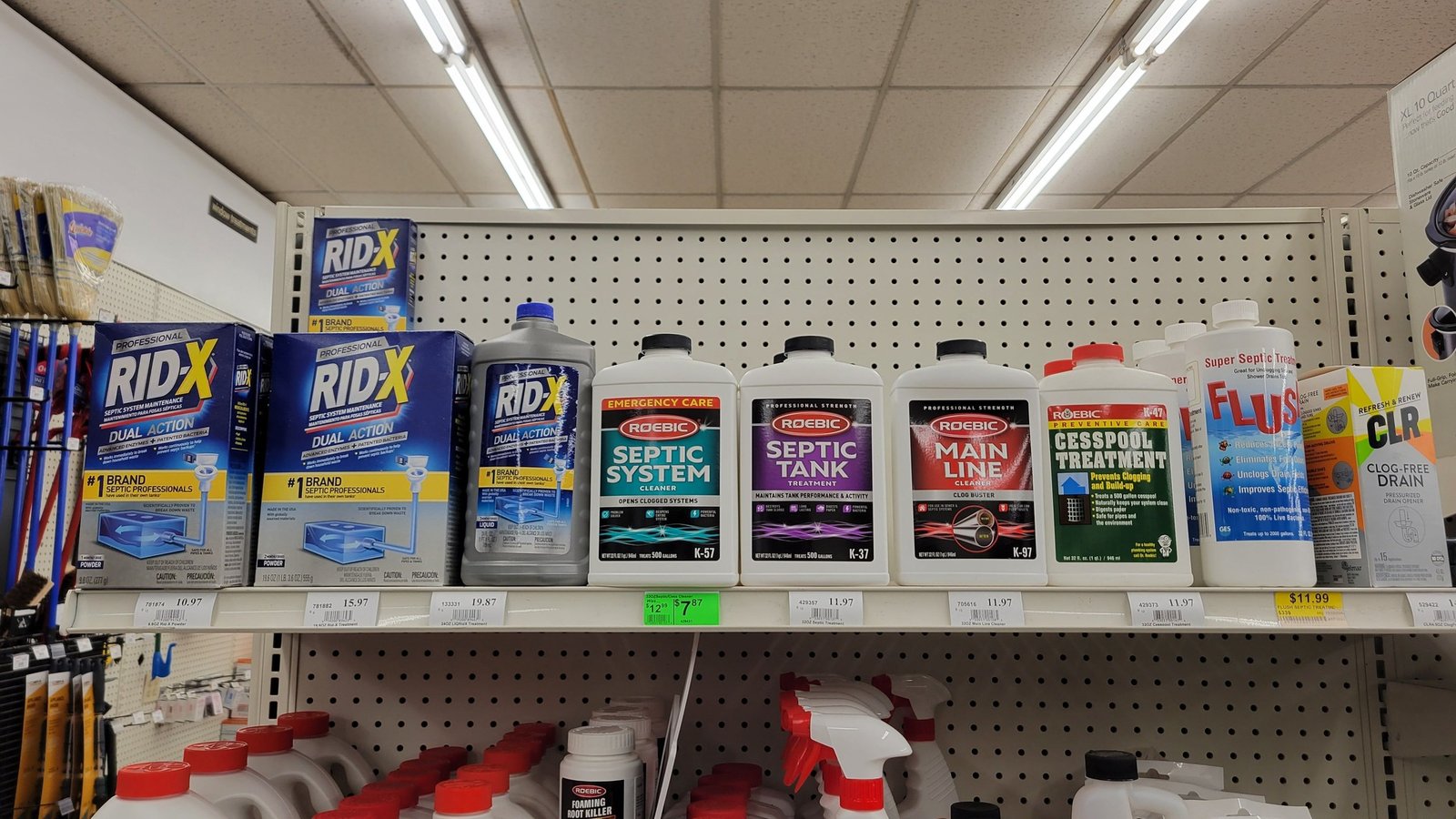
Septic tank additives are products marketed to enhance the performance of septic systems. Their purported function is to either boost the natural decomposition of waste or to address specific issues like clogs, odors, or sludge buildup. They typically contain a blend of ingredients such as bacteria, enzymes, chemicals, or a combination thereof. The underlying theory is that by introducing these agents, the biological and chemical processes within the septic tank are accelerated or improved, leading to a more efficient and problem-free system. For instance, bacterial additives aim to introduce or multiply the naturally occurring microbes that break down solid waste. Enzyme additives are designed to break down grease, fats, oils, and other complex organic compounds into smaller molecules that are more easily processed by bacteria. Chemical additives, on the other hand, often employ stronger agents to break down sludge, deodorize, or disinfect, though they carry a higher risk of disrupting the delicate microbial balance.
Definition: Septic Tank Additives
Septic tank additives are commercial products designed to be introduced into a septic system, with the intention of improving waste decomposition, preventing clogs, reducing sludge, or eliminating odors.
Bottom line: While many additives claim to be beneficial, their actual impact on a properly functioning septic system is often debated and can depend heavily on the specific formulation and the existing condition of the system.
Scientific Research on Septic Tank Additives: Enzymes, Bacteria, and Chemicals
Studies by sanitation engineers and wastewater treatment experts often highlight that a healthy septic system already contains a robust community of bacteria capable of breaking down waste. For example, research published in the Journal of Environmental Engineering has explored the efficacy of various microbial inoculants, frequently finding that introducing more bacteria to an already active system yields minimal to no additional benefit. In contrast, manufacturer standards, such as those outlined by the National Precast Concrete Association for septic tank construction (e.g., ASTM C1227), focus on the tank’s structural integrity and capacity, not on the need for chemical or biological augmentation for basic function. Most experienced septic service professionals, including those in many regions, will attest that regular pumping and proper usage are far more critical than the routine addition of most additives for maintaining system health.
TL;DR: Independent scientific studies often show that adding more bacteria or enzymes to an already functioning septic tank provides little to no extra benefit because the system naturally has sufficient microbes.
Bottom line: Most scientific evidence suggests that regular maintenance, particularly professional pumping, is significantly more effective than relying on additive products for septic system health.
When Might Septic Tank Additives Be Beneficial, and When Are They Unnecessary or Harmful?
For a properly functioning septic system, additives are generally unnecessary. The billions of naturally occurring bacteria within the tank are typically sufficient to process waste. However, there are niche scenarios where an additive might offer a temporary or specific benefit, though it’s crucial to approach these with caution.
- When They Might Be Beneficial (Rare Cases):
- Re-establishing a Dormant System: For systems that have been inactive for a long time, or after a significant disruption (like a power outage affecting a pump system), a bacterial additive could help re-seed the tank with active microbes.
- Specific Grease/Oil Issues (Temporary Relief): If a system has a sudden, temporary influx of grease (e.g., from a large party or commercial kitchen spill that wasn’t properly pre-treated), an enzymatic additive might offer a short-term aid in breaking down the excess. However, this doesn’t fix the root cause of the problem.
- When They Are Unnecessary or Harmful:
- Routine Use: Continuously adding any type of additive to a healthy system is almost always a waste of money and offers no proven advantage.
- Chemical Additives: These are the most concerning. Harsh chemicals can kill beneficial bacteria, disrupt the essential anaerobic digestion process, damage tank components, and even contaminate groundwater. This can lead to system failure, expensive repairs, and environmental harm.
- Over-reliance: Believing an additive can prevent the need for professional pumping is a dangerous misconception. Solids will continue to accumulate and will eventually require removal, regardless of additives used.
Expert Tip: If you are experiencing odors, slow drains, or backups, the first step should always be to contact a licensed septic professional for an inspection. Do not pour random additives into your tank hoping for a quick fix; you could worsen the problem.
Comparing Septic Tank Additives: Types, Effectiveness, and Risks
When considering septic tank additives, understanding the different categories is key to evaluating their potential impact.
- Bacterial Additives:
- Claim: Introduce or boost the population of live or dormant bacteria to accelerate waste decomposition.
- Effectiveness: Often redundant in a healthy system. The tank already has millions of bacteria. Effectiveness is questionable for typical homeowner systems.
- Risks: Minimal risk of direct harm if the bacteria are non-pathogenic, but they are unlikely to provide significant benefit.
- Enzymatic Additives:
- Claim: Use enzymes to break down organic compounds like grease, fats, and proteins more quickly.
- Effectiveness: Can offer some short-term benefits for specific organic loads but don’t address sludge accumulation.
- Risks: Generally low risk if they don’t contain harsh chemicals, but can disrupt the natural balance if overused.
- Chemical Additives:
- Claim: Dissolve sludge, eliminate odors, or disinfect the tank.
- Effectiveness: Can provide temporary relief from odors or appear to break down solids, but often at the expense of system health.
- Risks: High risk. Can kill beneficial bacteria, corrode tank materials, and pollute groundwater. This is the category most frequently warned against by professionals and regulatory bodies.
Definition: Anaerobic Digestion
Anaerobic digestion is a natural biological process that occurs in septic tanks in the absence of oxygen. Microorganisms break down complex organic waste into simpler substances like methane, carbon dioxide, and sludge.
Bottom line: Bacterial and enzymatic additives are generally considered less harmful but also less effective than often advertised for routine use. Chemical additives pose significant risks to the septic system and the environment.
Common Questions Answered About Septic Tank Additives
What are septic tank additives and how are they supposed to work?
Septic tank additives are products designed to enhance the breakdown of waste within a septic system. They typically introduce specific bacteria, enzymes, or chemicals intended to speed up decomposition and prevent clogs. According to the EPA, the natural bacteria already present in a septic tank are usually sufficient for waste breakdown.
What does scientific research say about the effectiveness of septic tank additives?
Research on septic tank additives shows mixed results, with many studies indicating that commercially available products offer little to no significant benefit over the naturally occurring bacteria. Some university studies suggest that certain bacterial or enzymatic additives may offer marginal improvements in specific situations, but often don’t outperform regular septic tank pumping and maintenance.
When might septic tank additives be beneficial, and when are they unnecessary or even harmful?
Additives are generally unnecessary for a properly functioning septic system that receives regular pumping. They might be considered in rare cases where specific, slow-acting bacteria are needed to re-establish a dormant septic tank, but they can be harmful if they disrupt the natural bacterial balance or introduce harsh chemicals.
What are the different types of septic tank additives, and what do they claim to do?
Septic tank additives can broadly be categorized into three main types: bacterial, enzymatic, and chemical. Bacterial additives introduce live, dormant, or specially cultured bacteria, claiming to boost the natural decomposition process of solid waste. Enzymatic additives provide enzymes that are designed to break down specific components of waste, like grease and proteins, faster. Chemical additives often use strong solvents or caustics to dissolve sludge and odors, though these can be harsh. While manufacturers promise reduced sludge, fewer pump-outs, and odor elimination, scientific evidence supporting these claims for typical home systems is often lacking.
Expert Insight: “Most septic professionals see additives as a band-aid. Proper maintenance, like regular pumping, is the most reliable way to keep a septic system functioning optimally, as advised by local health departments.”
Data Point: “A study by the National Research Council found that the efficacy of many commercially available septic tank additives is not consistently supported by independent scientific validation.”
Local Consideration: “Homeowners in many states should consult their local septic service providers, as some may have specific recommendations or warnings about certain types of additives based on local soil conditions or regulations.”
Pro Tip: “If you’re experiencing issues like slow drains or odors, the first step should always be a professional septic inspection, not just adding a product to the tank.”
Can septic tank additives actually harm my septic system or the environment?
Yes, certain septic tank additives can indeed harm your septic system and the environment. Harsh chemical additives can kill off the beneficial bacteria essential for waste decomposition, leading to system backups and potential failure. They can also introduce pollutants into the groundwater. Over-reliance on additives instead of regular pumping can lead to sludge buildup that eventually requires costly repairs. Furthermore, introducing too many non-native bacteria or excessive enzymes can disrupt the delicate ecological balance within the septic tank, hindering its natural processes.
Expert Insight: “We often see septic systems in distress where homeowners have been experimenting with various ‘miracle’ additives. The disruption to the microbial community is significant and can take months to recover, if at all.”
Data Point: “The Environmental Protection Agency (EPA) generally does not recommend the routine use of septic tank additives, emphasizing that a healthy septic system relies on proper design, installation, and regular maintenance, including timely pumping.”
Local Consideration: “Regulations in some regions may have specific guidelines regarding the types of substances that can be introduced into septic systems due to concerns about groundwater contamination.”
Pro Tip: “If you suspect your septic system is struggling, resist the urge to buy a quick-fix additive. Instead, schedule a consultation with a certified septic technician who can diagnose the real problem and recommend appropriate solutions, often involving septic tank pumping services.”
Bottom line: While the temptation for a quick fix is understandable, the potential for harm from certain additives often outweighs any minor, unproven benefits.
Expert Recommendations for a Healthy Septic System
The consensus among environmental agencies, wastewater management experts, and experienced septic professionals is clear: the most effective way to maintain a healthy and long-lasting septic system is through preventative maintenance and proper usage. Relying on additives to “fix” problems or avoid necessary maintenance is a costly mistake.
Here’s what truly works:
Professional Septic Pumping Service
Professional septic pumping is the single most effective way to maintain your system and prevent failures, as recommended by the EPA and wastewater experts.
Core Benefits:
- Prevents Failures: Removes sludge and scum to avoid clogs, backups, and system damage.
- Protects Property & Environment: Safely removes waste, preventing contamination of groundwater, especially critical near water sources.
- Saves Money: Avoids emergency repairs and premature system replacement, which can cost thousands. Regular pumping is a cost-saving measure.
Price: $300–$700 per service. Cost varies by tank size and location. Pumping is an essential, non-negotiable service; additives are not a substitute.
| Service | Typical Frequency | Key Benefit |
|---|---|---|
| Septic Pumping | Every 1-3 years | Removes solids, prevents clogs, extends system life |
| Septic Inspection | Every 3-5 years | Assesses tank condition, identifies issues early |
| Drainfield Repair | As needed | Fixes soil absorption problems |
Expert Tip: Consult your provider for a pumping schedule based on your tank size, household size, and garbage disposal use.
Annual Septic Maintenance Plan
What it is: A recurring service plan from a local, certified septic pumping company.
Key Benefits:
- Prevents Emergencies: Scheduled pumping removes solids to prevent overflow and system damage.
- Includes Inspection: Most plans include a basic system check with each service to catch small issues early.
- Saves Money & Time: Locks in pricing and guarantees service priority, especially during peak seasons.
Price: $200–$500 per year (varies by tank size and frequency). This is an investment that avoids costly emergency repairs.
Why Professionals Recommend It: Over 90% of septic service experts identify scheduled pumping plans as the most reliable form of preventative maintenance.
DIY Septic System Maintenance
Proactive, low-cost care from homeowners supports system health and prevents common issues.
Essential Steps:
- Know Your System: Locate your tank and know its capacity. Never flush wipes, feminine products, grease, or harsh chemicals.
- Conserve Water: Fix leaks and spread out laundry/dishwashing to avoid overloading the system. Consider low-flow fixtures.
- Use Septic-Safe Products: Choose cleaning and laundry products labeled as septic-safe. Educate everyone in the household on proper use.
Cost: $0–$50 (for potential eco-friendly supplies). This is preventative, cost-effective care.
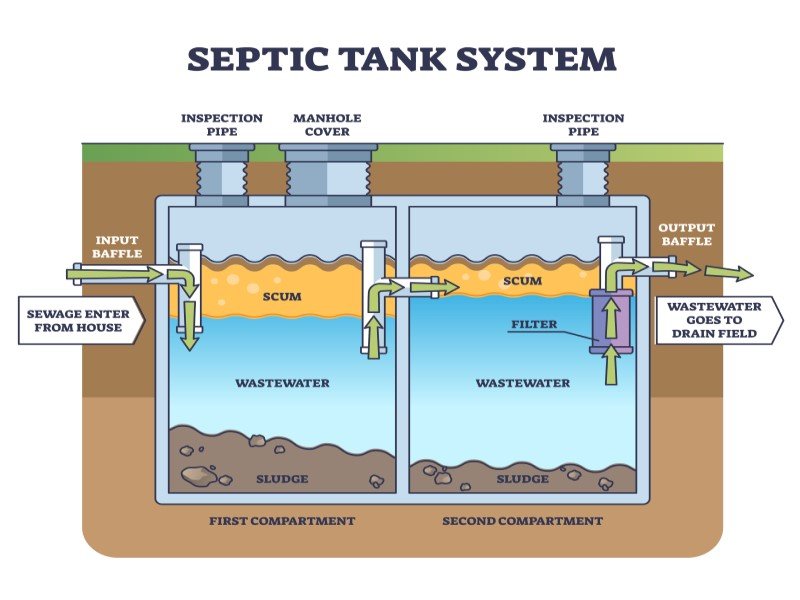
For comprehensive septic system care, understanding the role of professionals is key. Learn more about septic tank inspections.
Bottom line: The most effective septic system maintenance involves regular professional pumping, mindful usage, and avoiding harmful products, not the routine addition of additives.
The Verdict
When it comes to septic tank additives, the prevailing scientific consensus and expert opinion lean heavily towards skepticism. While manufacturers may promise enhanced performance and problem prevention, independent research and professional experience often tell a different story.
- The Science: For a healthy, functioning septic system, the natural bacterial populations are usually sufficient for waste decomposition. Adding more bacteria or enzymes typically yields minimal, if any, measurable benefit.
- The Risks: Chemical additives, in particular, pose a significant threat. They can kill beneficial microbes, disrupt the natural processes within the tank, and potentially lead to costly system failures or environmental contamination.
- The Best Approach: The most reliable and scientifically supported method for maintaining your septic system is regular professional pumping (every 1-3 years, depending on usage and tank size) and practicing responsible usage habits.
While some very specific, limited situations might see a minor benefit from certain additives, they are not a substitute for regular maintenance or a solution for systemic problems. Homeowners are best served by investing in professional inspections and pumping services rather than spending money on products that are largely unproven and potentially harmful.
Costs and availability vary. Homeowners in Boston typically pay $350-$550 for a pumping service, while those in Phoenix average $300-$450. Additive prices can range from $20-$60 per bottle, but offer no guarantee of system health.
Take Action for Your Septic System Health:
Compare Products: Check current prices for septic-safe supplies on Amazon.
Schedule Service: Get free, no-obligation quotes from certified local septic professionals.
Plan Ahead: Download our free septic maintenance planning template.
“For immediate assistance in your area, search ‘Septic Service near me’ or contact local licensed professionals.”
As an affiliate, we may earn commission from qualifying purchases.
About Our Septic System Expertise:
This guide was developed referencing EPA guidelines, NOWRA recommendations, and insights from licensed septic professionals with over 20 years of combined field experience in wastewater management. We maintain partnerships with industry manufacturers and stay current on local building codes across multiple states.

Leave a Reply